
The Criminal Life of Archibaldo de la Cruz
Year: 1955
Runtime: 89 mins
Language: Spanish
Director: Luis Buñuel
A darkly comic tale that follows a man obsessed with achieving fame as a serial killer of women. Driven by an all‑consuming ambition, he meticulously plans murders, but his schemes continually backfire, leading to absurd, unintended consequences that undercut his murderous aspirations.
Warning: spoilers below!
Haven’t seen The Criminal Life of Archibaldo de la Cruz yet? This summary contains major spoilers. Bookmark the page, watch the movie, and come back for the full breakdown. If you're ready, scroll on and relive the story!
The Criminal Life of Archibaldo de la Cruz (1955) – Full Plot Summary & Ending Explained
Read the complete plot breakdown of The Criminal Life of Archibaldo de la Cruz (1955), including all key story events, major twists, and the ending explained in detail. Discover what really happened—and what it all means.
Archibaldo de la Cruz, a wealthy Mexican man, begins a tale by telling a nun a memory from his childhood, a memory that still haunts him with a sense of dangerous power. During the upheaval of the Mexican Revolution, his indulgent mother entrusts him with a special music box, and his stern governess, The Governess, warns that it can unleash death on his enemies. To test this ominous claim, Archibaldo winds up the box, and tragedy follows in a flash: the governess is struck by a stray bullet, fueling a chilling belief that he has killed her. Emboldened by the illusion of control that such thoughts grant him, he goes so far as to threaten a nun with a straight razor; the nun flees, only to plunge down an open elevator shaft. When a judge investigates the strange incident, Archibaldo confesses to killing the nun, and hints that she is not his first victim.
With the confession, Archibaldo then spins a second, longer story for the judge. A few weeks earlier, he sees the music box in an antique shop, where a beautiful woman named Lavinia, and her elderly fiancé, prowl over it. He persuades the shopkeeper to sell it to him, insisting the box once belonged to his mother and was stolen during the Revolution. Back home, he replays the box, and a shaving cut he gives himself bleeds—triggering vivid visions of the governess’s death. His obsession deepens as he crosses paths with Carlota Cervantes, a young woman he admires. Outside her home, she is with her married lover, the architect Alejandro Rivas, and Archibaldo’s growing fixation becomes a source of tension rather than romance: Carlota’s mother urges distance, and the relationship seems fragile.
At a gambling parlor, Archibaldo spots Patricia Terrazas and follows her when she leaves in a heated mood. Their encounter leads him to a moment of danger, but Patricia’s own admission later reveals she was trying to provoke jealousy in her lover, Willy Corduran. The next day, a police detective informs him that Patricia has apparently taken her own life. Carlota, wary of Archibaldo’s advances, avoids his calls, and he heads to a bar where he glimpses Lavinia again—this time seemingly surrounded by flames emanating from her drink. Lavinia is not just a pretty face; she is linked to the life Archibaldo imagines for himself, and she agrees to meet him in his studio under the pretense of modeling.
Carlota finally breaks away from her lover and contemplates a future with Archibaldo, though she must navigate an obstacle: Alejandro’s resistance and a desire for a divorce from his wife. The day Lavinia is set to visit, Archibaldo sends away his servants, presenting the studio as a private sanctuary. Lavinia arrives, and the two engage in a dangerous game: she pretends to be compliant, but swaps clothes with a mannequin to mock him. Archibaldo, momentarily fooled, tries to kiss what he thinks is Lavinia, only for her to kiss him back as the ruse falls away. In a bold twist, Lavinia removes her own clothes but keeps the mannequin’s expensive garments, further fueling the tension between desire and manipulation.
A ring of disruption follows when a group of tourists unexpectedly arrives at the studio, and Lavinia claims she invited them for a tour. Archibaldo’s anger boils as he watches the living woman and the mannequin he bought share his world. He melts the mannequin in a kiln, a symbolic act that reveals how far he will go for power, love, and release from his own inner ghosts. Carlota’s mother arrives soon after to announce that Carlota has accepted Archibaldo’s proposal, though her own feelings appear mixed and uncertain.
As the wedding day approaches, Archibaldo receives a letter directing him to Alejandro’s apartment. From the outside, he witnesses Carlota enter the space and Alejandro close the blinds. Carlota pleads for no interference, but Archibaldo senses that something remains unsettled between them. He even entertains a dark fantasy of shooting her on their wedding night, only to have his plan foiled when Alejandro fires at her just after the ceremony and she dies. After hearing Archibaldo’s confession, the judge concludes that while Archibaldo has the capacity to become a criminal, he has committed no definite crime. Still tormented by the deaths that haunt the lives around him, Archibaldo returns home, plays the music box once more, and then stops it, discarding it into a lake. Relief washes over him. In a chance meeting, he runs into Lavinia again and learns she did not marry after all. They walk away together, facing an uncertain but shared future.
Last Updated: October 09, 2025 at 11:29

Explore Movie Threads
Discover curated groups of movies connected by mood, themes, and story style. Browse collections built around emotion, atmosphere, and narrative focus to easily find films that match what you feel like watching right now.
Darkly Comic Character Studies like The Criminal Life of Archibaldo de la Cruz
Stories that blend psychological unease with ironic, satirical humor.If you enjoyed the satirical and psychological portrait in The Criminal Life of Archibaldo de la Cruz, you'll find similar movies here. This thread features stories with unreliable narrators, moral ambiguity, and a darkly comedic tone that explores obsession and delusion.

I don't feel at home in this world anymore.
2017
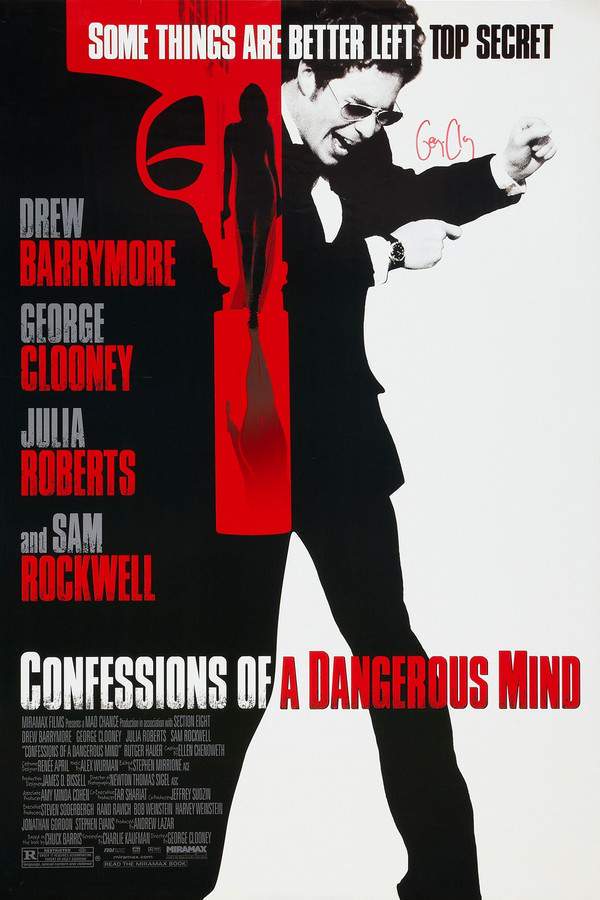
Confessions of a Dangerous Mind
2002

Serious Moonlight
2009
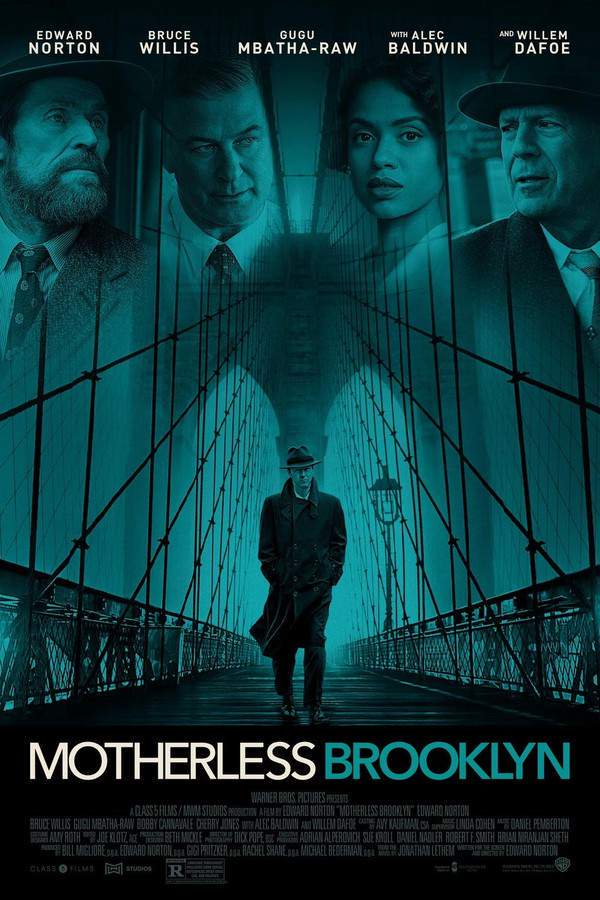
Motherless Brooklyn
2019
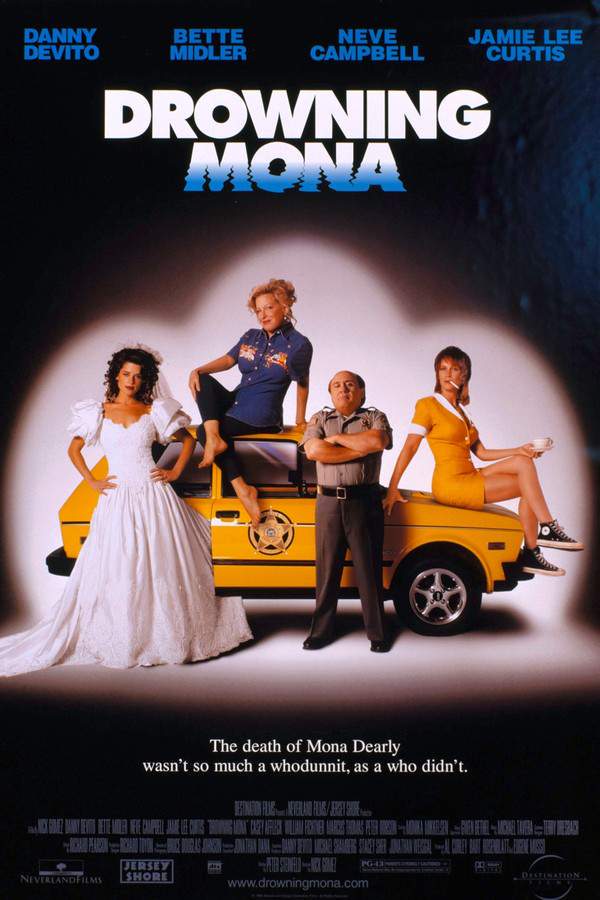
Drowning Mona
2000
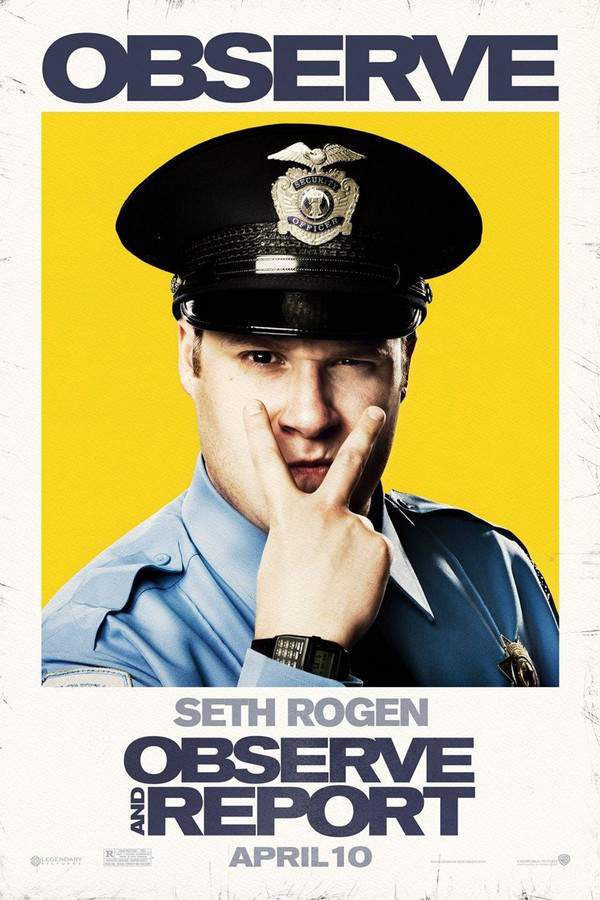
Observe and Report
2009

Murder of a Cat
2014

Color Me Kubrick
2007

Women Who Kill
2013

Lovers, Liars and Lunatics
2006

Death in Brunswick
1990

The Late Show
1977
The Criminal Life of Archibaldo de la Cruz
1955

The Comedy of Terrors
1963

High Strung
1992
Narrative Summary
These narratives typically follow a single protagonist whose distorted worldview drives the story. The plot unfolds through their perspective, often blurring reality and fantasy, and is punctuated by ironic twists that undercut their ambitions, leading to an ambiguous or morally complex conclusion.
Why These Movies?
Movies are grouped here for their shared approach to serious themes through a darkly humorous lens. They balance psychological depth with satirical wit, creating a specific vibe where the viewer is both intrigued by and amused at the protagonist's follies.
Ironic Tales of Fate like The Criminal Life of Archibaldo de la Cruz
Plans unravel through absurd coincidences and poetic justice.Discover movies similar to The Criminal Life of Archibaldo de la Cruz, where characters' grand schemes lead to comically disastrous ends. These films explore themes of fate, coincidence, and the absurdity of life through a steady, often darkly comic narrative pace.
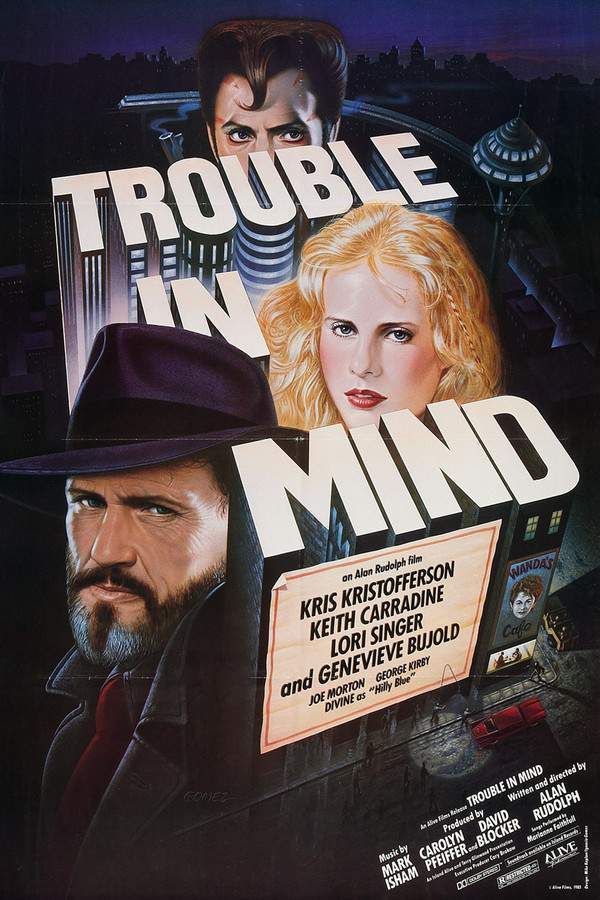
Trouble in Mind
1986

The Idiots
2000

Safety Not Guaranteed
2012

Better Luck Tomorrow
2003
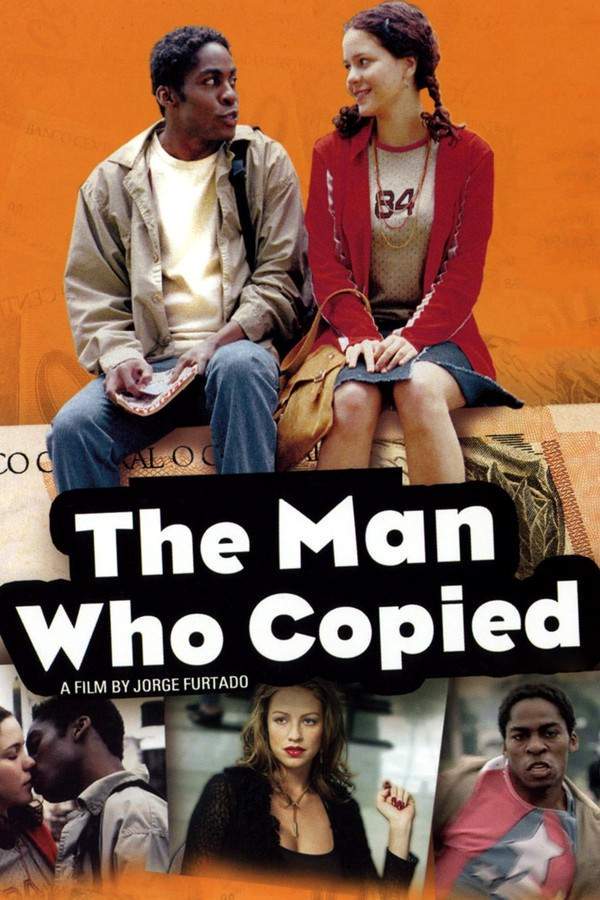
The Man Who Copied
2005
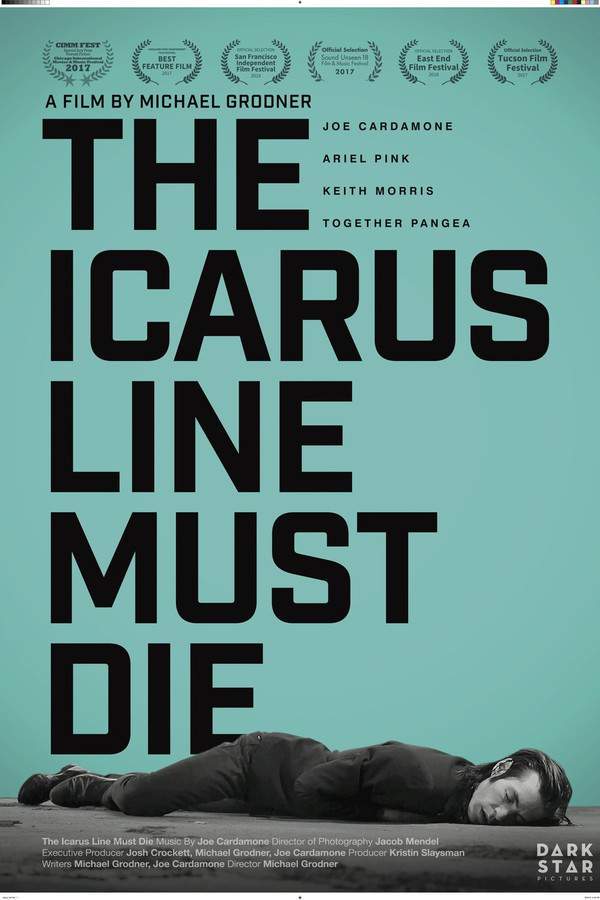
The Icarus Line Must Die
2018
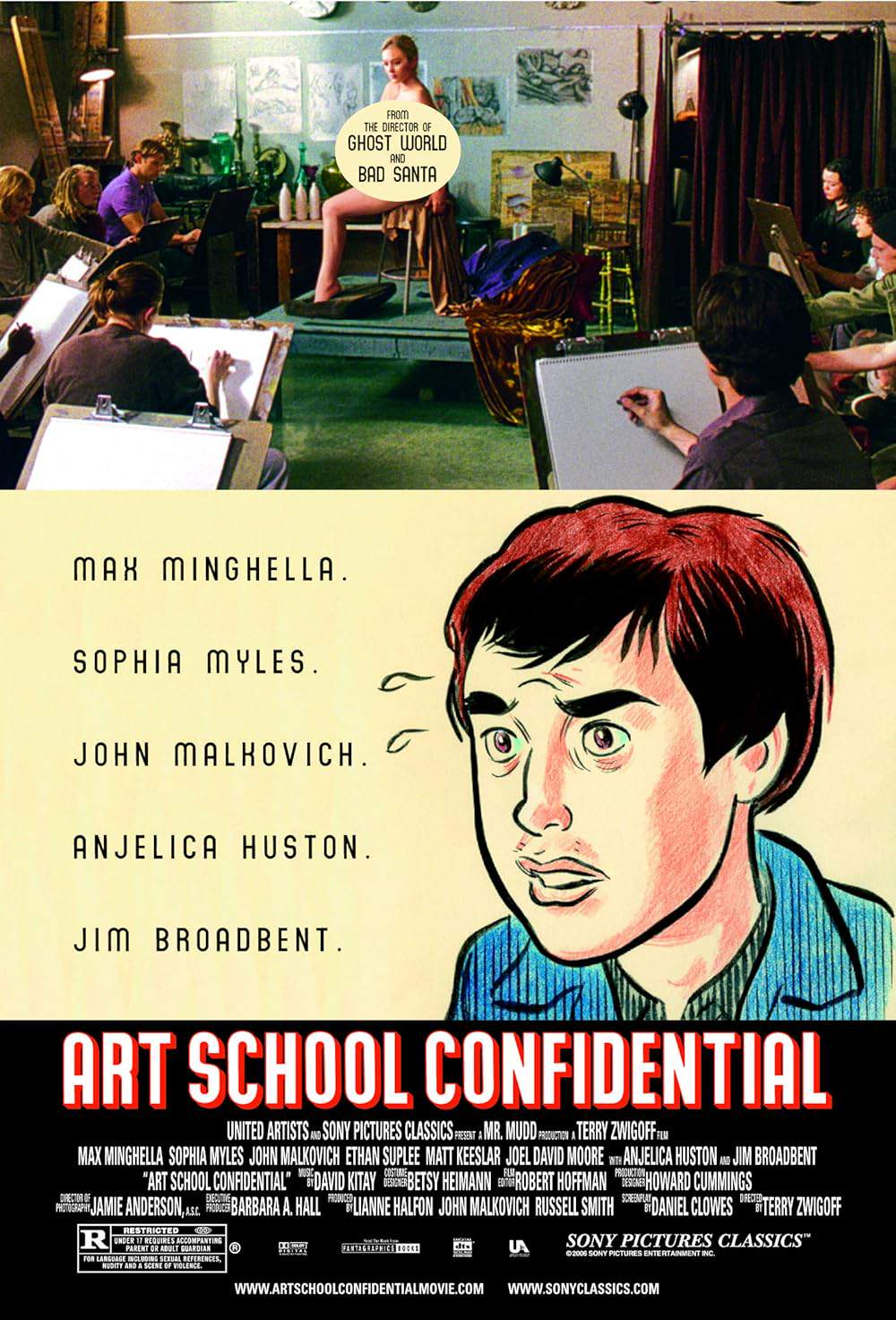
Film School Confidential
2006

American Fiction
2023

Friendship!
2010

Ant Story
2013

Jinxed!
1982

Nothing Left to Do But Cry
1984

Between Miracles
1971

The Luck of Ginger Coffey
1964
High Strung
1992
Narrative Summary
The narrative pattern involves a protagonist driven by a single, often dark, goal. Each attempt to achieve this goal is met with an unforeseen, absurd complication that renders their efforts futile. This creates a cyclical structure of ambition and failure, leading to an ending that questions control and destiny.
Why These Movies?
These films share a core narrative engine: the humbling of grandiose plans by the unpredictable hand of fate. They are united by a specific mix of steady pacing, medium intensity, and an ambiguous ending feel that leaves the audience contemplating chance and consequence.
Unlock the Full Story of The Criminal Life of Archibaldo de la Cruz
Don't stop at just watching — explore The Criminal Life of Archibaldo de la Cruz in full detail. From the complete plot summary and scene-by-scene timeline to character breakdowns, thematic analysis, and a deep dive into the ending — every page helps you truly understand what The Criminal Life of Archibaldo de la Cruz is all about. Plus, discover what's next after the movie.
The Criminal Life of Archibaldo de la Cruz Timeline
Track the full timeline of The Criminal Life of Archibaldo de la Cruz with every major event arranged chronologically. Perfect for decoding non-linear storytelling, flashbacks, or parallel narratives with a clear scene-by-scene breakdown.

Characters, Settings & Themes in The Criminal Life of Archibaldo de la Cruz
Discover the characters, locations, and core themes that shape The Criminal Life of Archibaldo de la Cruz. Get insights into symbolic elements, setting significance, and deeper narrative meaning — ideal for thematic analysis and movie breakdowns.

The Criminal Life of Archibaldo de la Cruz Spoiler-Free Summary
Get a quick, spoiler-free overview of The Criminal Life of Archibaldo de la Cruz that covers the main plot points and key details without revealing any major twists or spoilers. Perfect for those who want to know what to expect before diving in.


Similar Movies to The Criminal Life of Archibaldo de la Cruz
Discover movies like The Criminal Life of Archibaldo de la Cruz that share similar genres, themes, and storytelling elements. Whether you’re drawn to the atmosphere, character arcs, or plot structure, these curated recommendations will help you explore more films you’ll love.
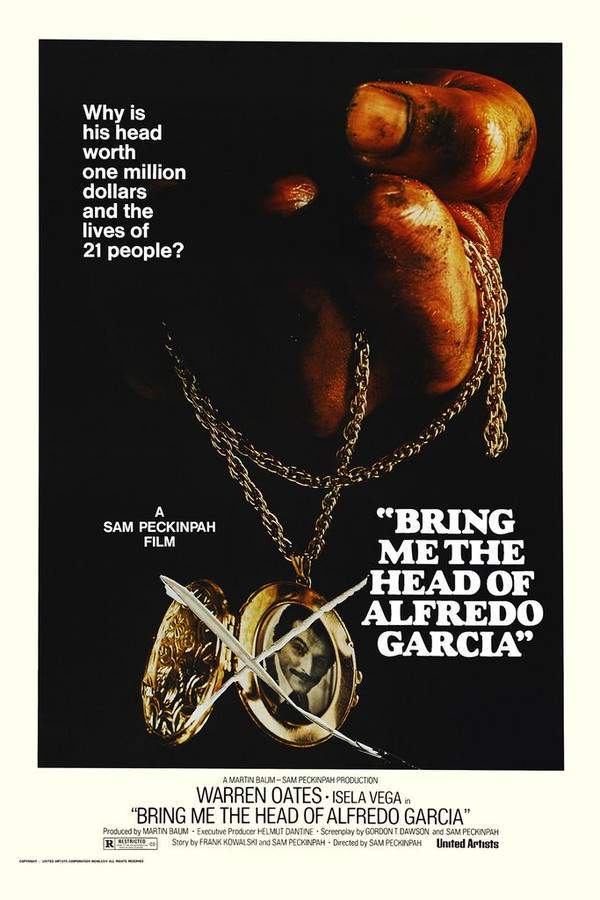
Bring Me the Head of Alfredo Garcia
1974
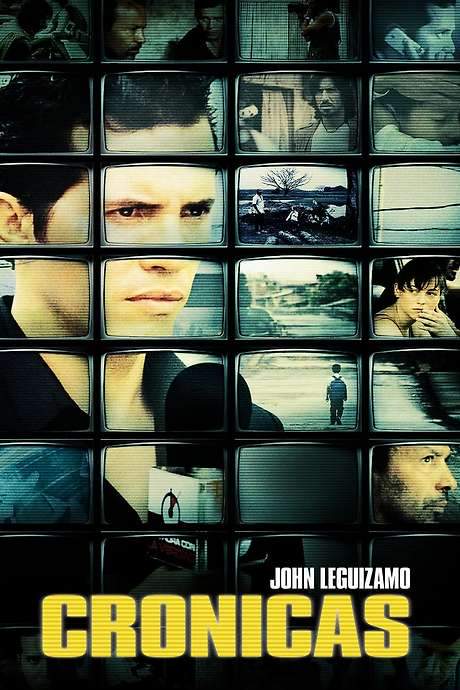
Crónicas
2004

El crimen del expreso de Andalucía
1991

Crimen en familia
1985

Chronicle of a Death Foretold
1987

History of a Crime
1901

Barrios altos
1987

Two Crimes
1995

Sin compasión
1994

Criminal Court
1946

Criminal Affair
1968

Every Madman to His Specialty
1939

A Life in the Balance
1955
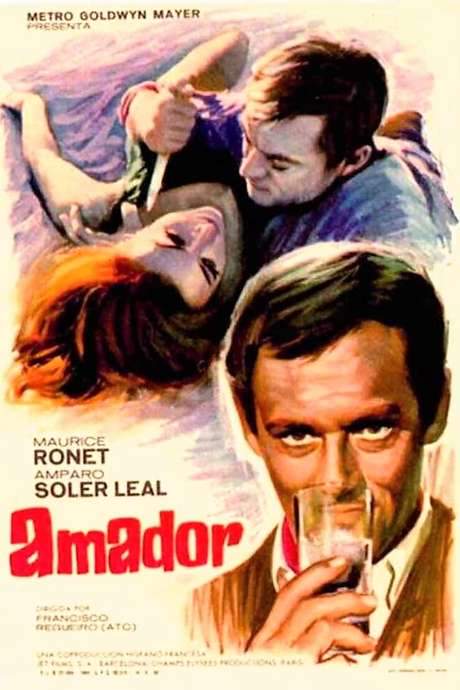
Amador
1965

Dolan’s Cadillac
2009
Explore More About Movie The Criminal Life of Archibaldo de la Cruz
The Criminal Life of Archibaldo de la Cruz (1955) Scene-by-Scene Movie Timeline
The Criminal Life of Archibaldo de la Cruz (1955) Movie Characters, Themes & Settings
The Criminal Life of Archibaldo de la Cruz (1955) Spoiler-Free Summary & Key Flow
Movies Like The Criminal Life of Archibaldo de la Cruz – Similar Titles You’ll Enjoy
Bring Me the Head of Alfredo Garcia (1974) Film Overview & Timeline
Crónicas (2004) Complete Plot Breakdown
El crimen del expreso de Andalucía (1991) Plot Summary & Ending Explained
Crimen en familia (1985) Complete Plot Breakdown
Chronicle of a Death Foretold (1987) Spoiler-Packed Plot Recap
History of a Crime (1901) Full Movie Breakdown
Barrios altos (1987) Complete Plot Breakdown
Two Crimes (1995) Complete Plot Breakdown
Sin compasión (1994) Detailed Story Recap
Criminal Court (1946) Full Movie Breakdown
Criminal Affair (1968) Story Summary & Characters
Every Madman to His Specialty (1939) Detailed Story Recap
A Life in the Balance (1955) Full Movie Breakdown
Amador (1965) Complete Plot Breakdown
Dolan’s Cadillac (2009) Story Summary & Characters