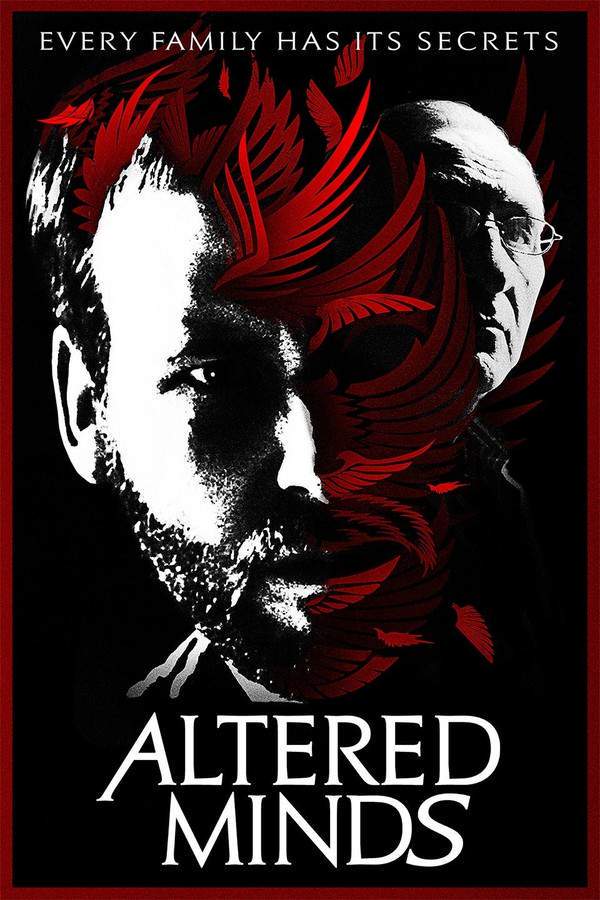
> Truth is what one has, lies are what one creates. But, the truth is often boring.
Unhappy with what he has, the struggling young graduate Nur Imran Mithu challenges his physical reality and builds an imaginary world where everything is perfect. This is his way of coping with daily problems. Instead of facing life, he hides in a cocoon of pretense, making things up in his head, deluding himself that it is all true, so that he might live in an alternate universe where he is king. This imagined realm becomes his sole source of comfort and sanity, a private sanctuary where the outside world cannot invade his carefully constructed bliss.
Yet, that private realm cannot pay the bills or fix the gaps in his life. Mithu is eventually forced to break out of his shell and accept a job that, under normal circumstances, he would never consider, because the role requires the gift of the gab. Purely out of desperation and a need to survive, Mithu teaches himself the skills needed to be successful in his new line of work. He begins to sharpen his people skills, and the new confidence swells up inside him, but it also inflates his ego, greasing the wheels of greed and clouding his judgment.
This newly acquired savvy leads him toward risky, morally questionable bets. He finds himself drawn into a scam operation and ends up conning several people; he even crosses a line by blackmailing an innocent woman after stumbling upon a potentially damaging video on her phone. What starts as a sharpened edge becomes a dangerous blade, and the consequences of his actions start to close in from every direction. The downward spiral accelerates as he neglects introspection and chooses to retreat into the fantasy world rather than confront the harm he has caused.
As the cracks widen, Mithu no longer recognizes the person he has become. Instead of addressing his problems head-on and repairing the wrongs he has committed, he leans further into his invented reality, letting a web of lies—born purely in imagination—determine his choices. The fantasy offers a temporary escape, a seductive mechanism to handle economic and personal crises, but it cannot shield him from the real people he has wronged or the real world that begins to catch up with him.
There is a constant tension between escape and accountability, between the thrill of imagined success and the weight of actual consequences. At one point, the urge to flee grows stronger—should he run away to another street, another city, or perhaps another time? He retreats to a place that feels safest: his childhood, a memory that promises comfort but opens the question of what is real and what is merely role-playing. The film leaves us with an uneasy ambiguity, inviting viewers to wonder whether Mithu has truly escaped into a better life or simply wandered deeper into a constructed dream that may never stand up to the test of daylight.