
Movies about artistic melancholy like The Consul of Sodom
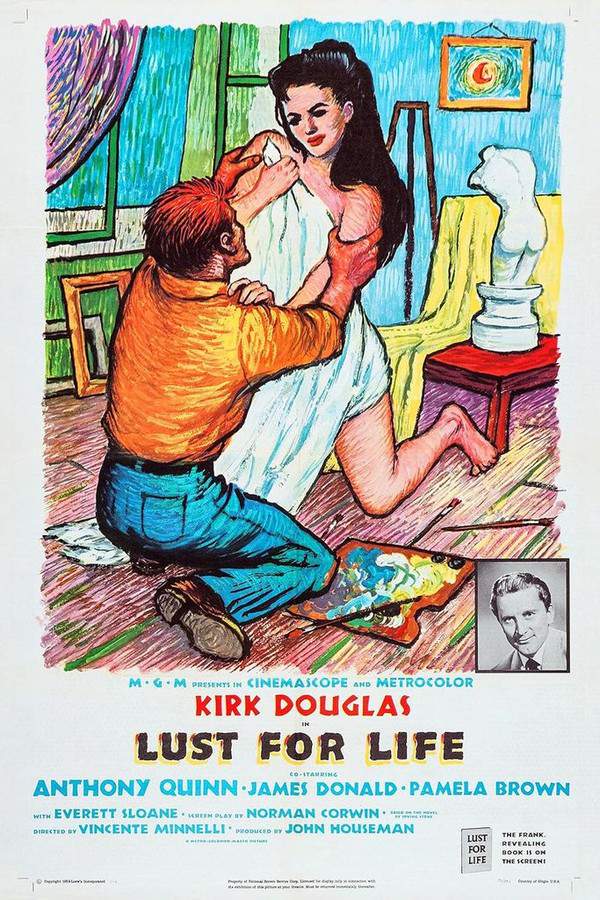
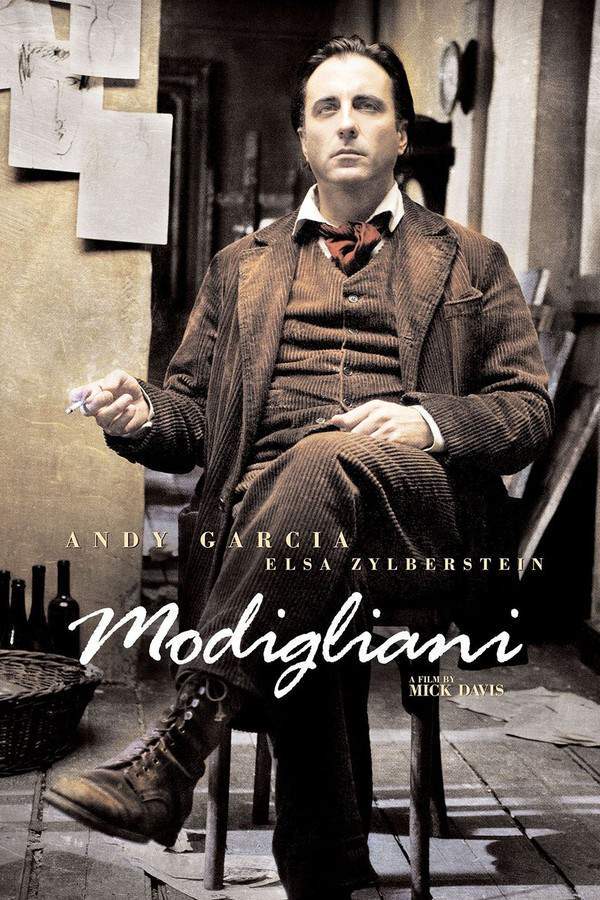
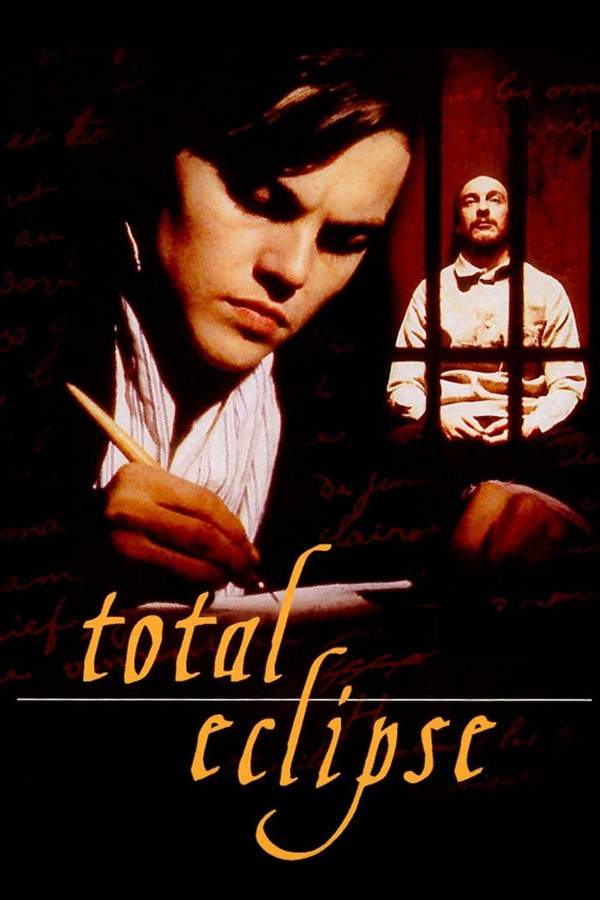
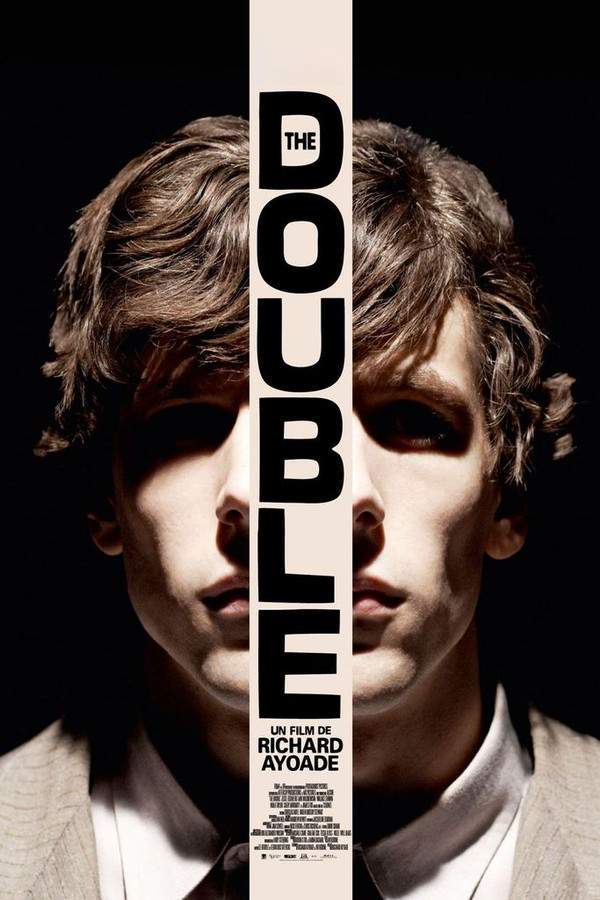
Intimate portraits of artists and poets, blending creative passion with profound sadness. If you were moved by the sensual and melancholic portrait of poet Jaime Gil de Biedma in 'The Consul of Sodom', explore these other films. This collection features intimate, character-driven dramas about artists and writers whose lives are marked by creative passion, deep introspection, and a poignant sense of loss.
- melancholic
- sensual
- introspective
- aesthetic
- tragic
- romantic
- Tone: melancholic, sensual, introspective
- Pacing: steady, reflective
Why these movies?
The story pattern: These narratives typically follow a reflective, often biographical structure, charting the emotional and creative journey of an artist. The plot is driven by internal conflicts—the tension between public persona and private self, the search for authenticity, and the relationship between life experience and artistic output, often leading to a contemplative, bittersweet conclusion.
Why they belong together: Movies are grouped here for their shared atmospheric blend of aesthetic beauty, deep sensuality, and a core of melancholic reflection. They prioritize mood and character study over complex plotting, offering a heavy, emotionally resonant viewing experience centered on the creative soul.










-HibiZG0y3eonyg.jpg)

