Plot Explained Spoilers guaranteed!
Plot Explained

Browse by genre

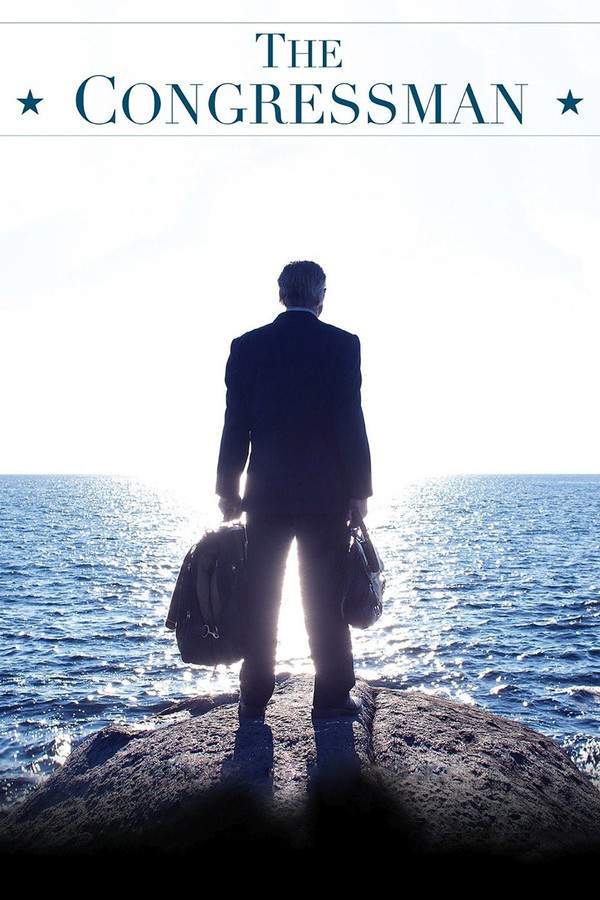
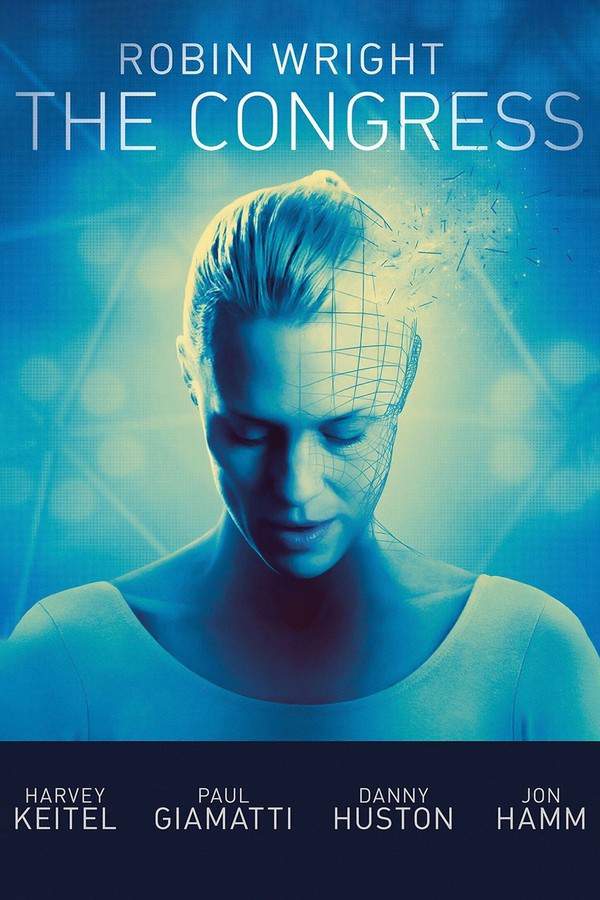
The Congress (2014) movie poster

Characters & Themes

The Congress (2014) Characters, Setting & Themes Explained

Release, runtime and language
2014 · 122 min · English
Loading streaming availability…
Starring
Robin Wright, Danny Huston, Harvey Keitel, Jon Hamm, Kodi Smit-McPhee

Facing financial hardship and caring for her sick child, a celebrated actress agrees to archive her identity as a digital avatar. Twenty years later, this digital likeness has become a major Hollywood star, captivating audiences and commanding a lucrative contract. As the agreement nears its end, she is summoned to a bizarre and unsettling gathering where the boundaries of the real and the imagined begin to dissolve, forcing her to confront the implications of her decision and the nature of identity itself.

On this page (11)
  1. 1 Where to watch
  2. 2 Characters explained (6)
  3. 3 Character relationship map
  4. 4 Where & when it takes place
  5. 5 Themes & meaning (4)
  6. 6 Character & meaning questions
  7. 7 The book behind the movie
  8. 8 Movie threads
  9. 9 Movies like The Congress
  10. 10 Categories
  11. 11 Every angle
Loading streaming availability…

6 main characters · contains spoilers

The Congress Characters Explained: Who Is Who

The main characters of The Congress (2014), heroes and villains: what drives them, how they change over the course of the story and what each of them reveals about the film's bigger ideas.

  • Robin (Robin Wright)

    An aging actress whose career has suffered due to erratic behavior, she agrees to digitize her likeness to secure a financial future. Her arc centers on the tension between continuing fame and preserving humanity, as she confronts the moral costs of becoming a permanent CGI persona.

    • 🎭 Fame
    • 🧠 Identity
    • ⚖️ Ethics
  • Aaron

    Robin's son who suffers from Usher syndrome, a degenerative condition that gradually robs him of sight and hearing. His life unfolds between the real world and the animated realm, illustrating the personal stakes behind the corporate deal.

    • 👦 Family
    • 👁️ Vision impairment
    • 💔 Family bonds
  • Dr. Barker

    A medical professional who helps stave off Aaron's decline, but is entangled with Miramount's interests. He embodies the tension between care for a patient and compliance with the corporation's agenda.

    • 👩‍⚕️ Medicine
    • 🧭 Ethics
    • 🧬 Science
  • Al

    Robin's longtime agent who negotiates with Miramount, enabling the digitization deal. He represents the industry’s push toward monetizing star power at any cost.

    • 🤝 Agency
    • 💼 Power
    • 🔒 Leverage
  • Jeff Green

    CEO of Miramount Studios, a charismatic yet ruthless figure driving the expansion of digital likeness and control over the film industry. He embodies corporate ambition and the thrill of new technology.

    • 🕴️ Corporate
    • 💰 Control
    • 🧪 Innovation
  • Dylan Truliner

    Miramount's lead animator who rescues Robin and later becomes a romantic ally in the animated world. He helps bridge the gap between the corporate machine and the human cost of their experiments.

    • 🎨 Art
    • 🛡️ Protector
    • 💘 Love

Last updated: October 28, 2026 at 19:56

Was this helpful?

4 characters · 4 connections · contains spoilers

The Congress Character Relationship Map

Who is connected to whom in The Congress: family, love, friendships, rivalries and hidden ties, colour-coded. Pick a character to see their side of the story, or a connection to see what brings two characters together.

How much of the story to show
RRRobin (RobinWright)AAaronDBDr. BarkerDTDylan Truliner

Last updated: October 28, 2026 at 19:56

Was this helpful?

Setting

Where and When Does The Congress Take Place?

The setting of The Congress (2014): the year and time period, the places and locations, and how they shape the characters, the mood and the tension of the story.

Time period

Near future

The film unfolds in a near-future era where digital likenesses can be licensed and animated into CGI stars. It follows a twenty-year arc: from the initial digitization of Robin's persona to a later revival in a world dominated by synthetic realities. The time frame blends contemporary industry ambitions with speculative technology, illustrating how memory and identity can be manipulated over decades. The story uses this timeline to explore the erosion of personal autonomy when fame becomes a programmable asset.

Location

Abrahama City, Miramount Studios, the real world (dystopian)

Abrahama City is an animated, surreal utopia born from imagination, accessible through hallucinogenic states that let users become avatars. The city blends dreamlike landscapes with real-world pressures, creating a mutable reality where identity can be reshaped at will. Miramount Studios sits as the dominant real-world power behind the digitization of Robin's likeness, turning actors into perpetual, programmable performances. The two settings intersect as a critique of corporate control over art and the commodification of celebrity.

  • 🪙 Futuristic
  • 🎬 Film industry
  • ⚖️ Ethics

Last updated: October 28, 2026 at 19:56

Was this helpful?

4 major themes

The Congress Meaning: Themes & Message Explained

What is The Congress (2014) really about? The emotional, social and philosophical themes the film keeps returning to, its symbolism and the message beneath the surface.

  • Identity & Commodification

    The movie centers on Robin's sale of her own likeness, transforming a living person into a marketable asset. It probes what happens to individuality when art becomes a tradable commodity. The ethical implications of digital copying, ownership, and consent are questioned as the line between actor and product blurs. The story asks whether true identity can survive when memories, voice, and appearance are monetized.

  • Reality vs Illusion

    A hallucinogenic, animated world offers an escape from a deteriorating real life, challenging what is considered 'real.' Characters navigate shifting boundaries between dreamlike avatars and tangible consequences. The film uses disorienting visuals to question authenticity and the nature of experience. It suggests that illusion can be both seductive and dangerous.

  • Resistance & Control

    Robin confronts Miramount's monopoly over art and the surveillance of creative labor. Rebels interrupt the Congress, representing broader resistance against corporate domination. The narrative contrasts a utopian fantasy with a dystopian real world ruled by elite power. It explores the costs of defying a system that treats art as property.

  • Ethics of Art & Consent

    The film raises questions about consent in a world where a person can be re-cast as a digital character without ongoing participation. Robin's crisis of conscience centers on whether transforming herself into a product can ever be justified. The consequences of unchecked technological advancement are weighed against the freedom art can offer. The story warns that the pursuit of perpetual stardom may erode fundamental human rights.

Last updated: October 28, 2026 at 19:56

Was this helpful?

Character & theme questions

The Congress Characters & Meaning: Your Questions Answered

The questions people ask about The Congress (2014): who the characters really are, their relationships, what the symbols mean, where it takes place and what the movie is really about. Each answer contains spoilers.

Q1

Where is The Congress set?

The movie takes place in two interconnected settings: the real world, depicted as a dystopian near-future society, and Abrahama City, a surreal animated utopia accessible through hallucinogenic states. Miramount Studios serves as the dominant real-world corporate power that controls the digitization of actors' likenesses, while Abrahama City represents the mutable, dreamlike space where those digital avatars exist and interact.

  • setting
  • abrahama city
  • miramount studios
  • locations
Q2

What is Abrahama City in The Congress?

Abrahama City is an animated, surreal utopia created from imagination, where users can become avatars and reshape their identities at will. It blends dreamlike landscapes with the pressures of the real world, existing as a mutable reality that contrasts sharply with the deteriorating dystopian setting of the actual world. The city serves as both an escape and a trap, illustrating the film's exploration of reality versus illusion.

  • abrahama city
  • animated world
  • dreamlike
  • utopia
Q3

When does The Congress take place?

The film is set in the near future, spanning a twenty-year arc. It begins when Robin agrees to digitize her likeness and follows the consequences through a later period where digital likenesses have become dominant Hollywood stars. This timeline illustrates how memory and identity can be manipulated over decades as the technology evolves from experimental to all-encompassing.

  • near future
  • time period
  • twenty years
  • future
Q4

What are the main themes of The Congress?

The Congress explores several interconnected themes: Identity and Commodification, examining what happens when a person's likeness becomes a tradable product; Reality vs Illusion, questioning what is real when identity can be digitally reshaped; Resistance and Control, depicting the conflict between corporate power and individual autonomy; and Ethics of Art and Consent, questioning whether transforming oneself into a digital product can ever be justified.

  • themes
  • identity
  • commodification
  • reality
  • illusion
  • resistance
  • ethics
Q5

Who is Robin in The Congress?

Robin is an aging actress portrayed by Robin Wright, whose career has suffered due to erratic behavior. Facing financial hardship and caring for her son who suffers from Usher syndrome, she agrees to digitize her likeness with Miramount Studios. Her arc centers on the tension between maintaining fame and preserving her humanity, as she confronts the moral costs of becoming a permanent CGI persona.

  • robin
  • actress
  • protagonist
  • digitization
  • liveness
Q6

Who is Aaron in The Congress?

Aaron is Robin's son, who suffers from Usher syndrome, a degenerative condition that gradually robs him of sight and hearing. His life unfolds between the real world and the animated realm, illustrating the personal stakes behind the corporate deal. His condition drives Robin's difficult decision to sign away her digital likeness, representing the tragic personal circumstances that make the commodification of identity seem necessary.

  • aaron
  • usher syndrome
  • son
  • illness
  • family
Q7

What is Miramount Studios in The Congress?

Miramount Studios is the dominant real-world corporation behind the digitization of actors' likenesses, led by CEO Jeff Green. It represents corporate control over art and the commodification of celebrity. The studio turns actors into perpetual, programmable performances, owning their digital personas indefinitely. Miramount embodies the film's critique of how the film industry can treat creativity and identity as property to be exploited.

  • miramount studios
  • jeff green
  • corporation
  • film industry
  • ceo
Q8

What does The Congress say about digital identity?

The film explores how digital likenesses can be licensed and animated into CGI stars, raising questions about whether true identity can survive when memories, voice, and appearance are monetized. Robin's transformation from a living person into a marketable asset probes what happens to individuality when art becomes a commodity. The story suggests that selling your likeness can lead to the erosion of personal autonomy and fundamental humanity.

  • digital identity
  • liveness
  • likeness
  • commodity
  • avatar
Q9

How does The Congress explore reality vs illusion?

The film uses a hallucinogenic animated world to challenge what is considered real, with characters navigating shifting boundaries between dreamlike avatars and tangible consequences. The disorienting visual style questions authenticity and the nature of experience. By blurring the lines between live-action and animated storytelling, the narrative itself mirrors its themes, suggesting that illusion can be both seductive and dangerous.

  • reality
  • illusion
  • dream
  • hallucination
  • animation
  • authenticity
Q10

Why does Robin agree to digitize her likeness in The Congress?

Robin agrees to digitize her likeness primarily to secure a financial future for herself and her son Aaron, who suffers from Usher syndrome. Her career as an actress has suffered due to erratic behavior, leaving her in financial hardship. The deal promises economic security, but at the cost of her identity becoming a programmable asset owned by Miramount Studios.

  • motivation
  • money
  • financial
  • decision
  • contract
  • digitization
Q11

Who is Dylan Truliner in The Congress?

Dylan Truliner is Miramount's lead animator who rescues Robin and later becomes her romantic ally in the animated world of Abrahama City. He represents the bridge between the corporate machine and the human cost of their experiments, helping Robin navigate the surreal landscape while she confronts the implications of her decision.

  • dylan truliner
  • animator
  • love interest
  • romance
  • helper
Q12

What is the significance of the Congress in The Congress?

The Congress is a bizarre gathering where digital avatars and their owners convene in Abrahama City. It serves as the setting where the boundaries between real and imagined begin to dissolve, forcing Robin to confront the full implications of her decision. The event represents the culmination of the film's themes, bringing together the corporate exploitation of identity with the chaotic, surreal consequences of that commodification.

  • congress
  • gathering
  • avatar meeting
  • confrontation
  • animated world

Movie threads

More Movies Like The Congress, by Mood & Story

Curated lists built around what makes The Congress tick: the same mood, the same kind of story or the same emotional payoff. Each list explains why these movies belong together.

Surreal dystopian identity stories like The Congress

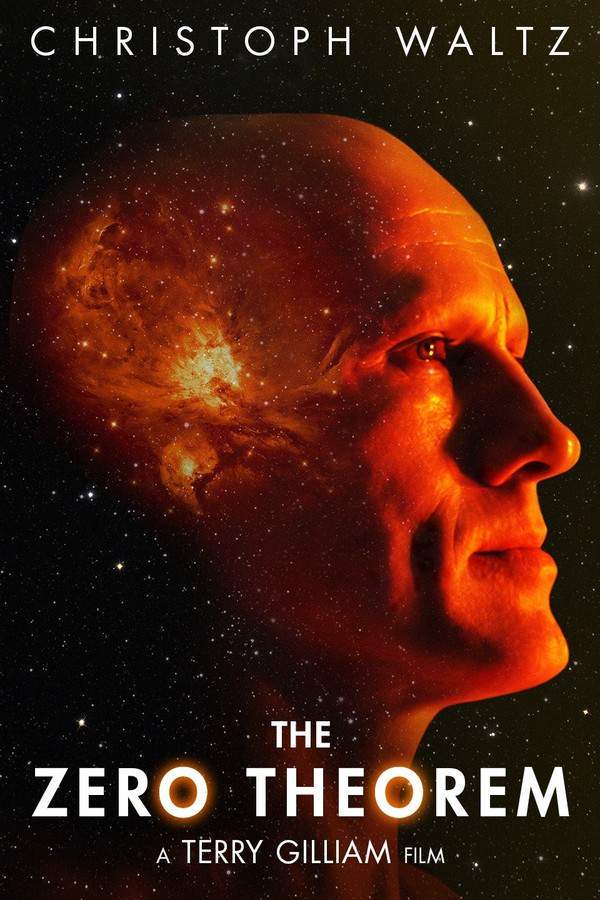
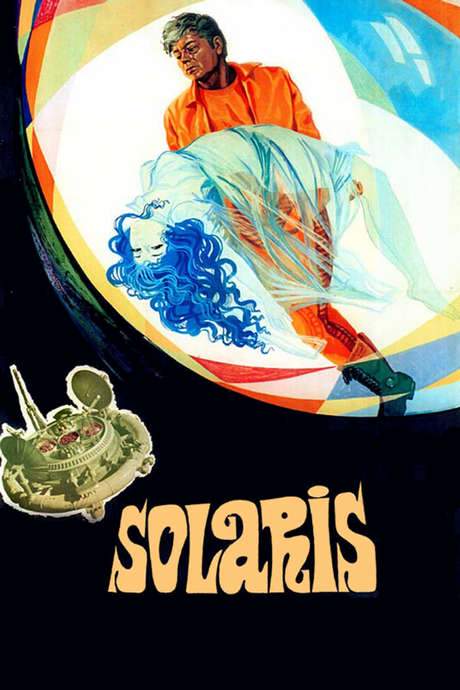
Stories where the boundaries between the real and the artificial completely dissolve. If you liked the mind-bending exploration of self in The Congress, this thread features other movies like it. These stories use surreal narratives and dystopian worlds to question the nature of identity, reality, and memory, offering a similarly thought-provoking and unsettling viewing experience.

  • surreal
  • dreamlike
  • unsettling
  • philosophical
  • disorienting
  • melancholic
  • Tone: philosophical, unsettling, melancholic
  • Pacing: variable, often with a slow-building disorientation
Why these movies?

The story pattern: Narratives in this thread often begin with a seemingly stable reality that gradually fragments or is revealed to be an illusion. Characters embark on journeys where they must discern truth from fabrication, leading to a climax that redefines their understanding of existence and selfhood.

Why they belong together: These films are grouped together because they share a core thematic focus on identity crisis within an unstable reality. They combine a melancholic or philosophical tone with high-concept sci-fi or fantasy elements, creating a deeply immersive and intellectually challenging experience.
Emotional dramas about sacrifice like The Congress

Emotionally heavy character studies centered on profound personal sacrifice. For viewers who appreciated the heavy emotional weight of sacrifice in The Congress, this thread collects similar movies. These dramas focus on characters making heartbreaking choices, often involving family, and explore the complex, bittersweet aftermath with a melancholic and thoughtful tone.

  • melancholic
  • sad
  • bittersweet
  • lonely
  • anxious
  • grief
  • Tone: melancholic, bittersweet, heavy
  • Pacing: steady, character-driven
Why these movies?

The story pattern: The narrative follows a protagonist facing an impossible choice, typically driven by love or duty. The story explores the immediate and long-term emotional fallout of their decision, leading to an ending that acknowledges the cost of their sacrifice, which is often profound and permanent.

Why they belong together: These films are connected by their intense focus on the theme of sacrifice and its heavy emotional consequences. They share a melancholic tone, a deliberate pacing that allows the weight of decisions to sink in, and narratives that prioritize emotional depth over plot mechanics.

If you liked this

Movies Like The Congress

Similar movies to The Congress: the same genre, themes or kind of story. Each one comes with its own plot summary, timeline and ending explained.

Browse all movie summaries

Categories

Movie Lists Featuring The Congress

The Congress appears in these hand-built movie categories. Each one groups movies by a specific mood, theme or story type, with their plot summaries and endings explained.

View all movie categories

Every angle

The Congress (2014) Explained: Plot, Timeline & Characters

Everything about The Congress in one place: what happens in the plot summary, the timeline in chronological order, the characters and meaning and a spoiler-free summary. What's After the Movie adds the cast, box office and post-credit scenes.

Coming soon on iOS and Android

The Plot Explained Movie Summary App

Plot summaries, endings explained and timelines on your phone. Catch up on any movie in minutes, save your favorites and never miss a twist again.

Be the first to know when we launch. Your email stays private, always.

Learn more about the app