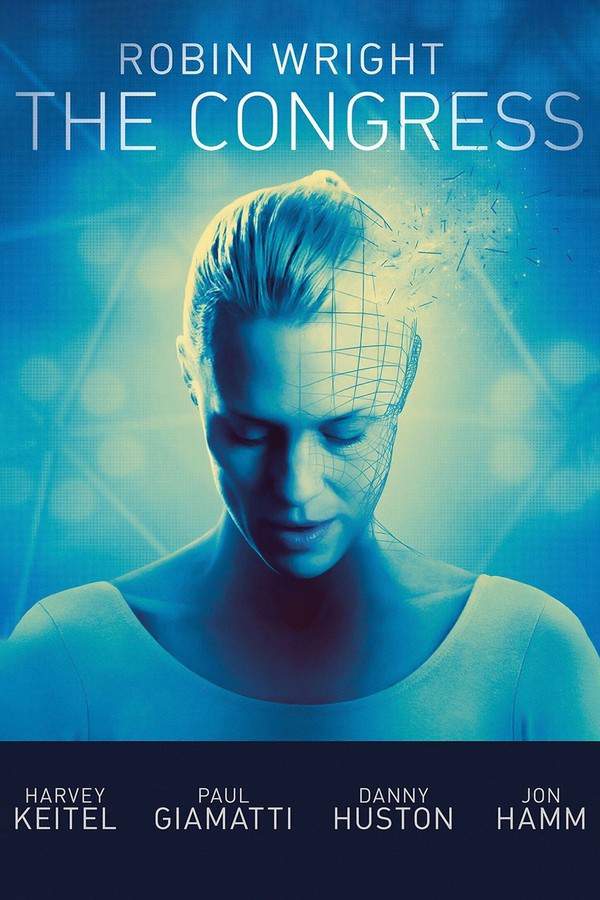
The Congress

Facing financial hardship and caring for her sick child, a celebrated actress agrees to archive her identity as a digital avatar. Twenty years later, this digital likeness has become a major Hollywood star, captivating audiences and commanding a lucrative contract. As the agreement nears its end, she is summoned to a bizarre and unsettling gathering where the boundaries of the real and the imagined begin to dissolve, forcing her to confront the implications of her decision and the nature of identity itself.
Where to Watch The Congress?
Find where to stream, rent, or buy The Congress (2014) in the US with current JustWatch availability, up-to-date pricing, and platform listings for subscription, rental, and digital purchase options.












Warning: spoilers below!
Haven’t seen The Congress yet? This summary contains major spoilers. Bookmark the page, watch the movie, and come back for the full breakdown. If you're ready, scroll on and relive the story!
Timeline – The Congress (2014)
Trace every key event in The Congress (2014) with our detailed, chronological timeline. Perfect for unpacking nonlinear stories, spotting hidden connections, and understanding how each scene builds toward the film’s climax. Whether you're revisiting or decoding for the first time, this timeline gives you the full picture.
Last updated: October 09, 2025 at 16:22
The Congress (2014) Timeline Questions Answered – Chronology FAQ
Find frequently asked questions about the The Congress (2014) timeline, including chronological order, nonlinear jumps, cause-and-effect links, and scene sequence clarifications. This timeline FAQ helps explain when key events happen, how moments connect, and why the story unfolds in that specific order.
Why did Robin agree to have her likeness digitized by Miramount?
Robin agreed to Miramount's offer primarily to secure financial stability for her son's medical care. Aaron's Usher syndrome was progressing toward a terminal stage, and Robin needed resources to cover his increasing medical expenses. The deal promised substantial payment, though it came with the strict condition that she would never act again.
Earlier scenes establish Robin's financial struggles and her desperation to help Aaron, making the difficult decision more understandable.
What is Usher syndrome and how does it affect Aaron?
Usher syndrome is a genetic disorder that causes progressive hearing loss and vision deterioration, eventually leading to complete deafness and blindness. In the film, Aaron is gradually losing both senses while Robin desperately seeks any treatment that might slow his terminal condition.
What is Abrahama City and how does the hallucinogenic technology work?
Abrahama City is a surreal animated utopia created by Miramount Studios where people can transform into any avatar they imagine. The technology requires ingesting hallucinogenic drugs that allow users to enter and shape a mutable, illusory world controlled by their thoughts and desires.
The film's shift to animated storytelling foreshadows the existence of this hallucinatory realm.
Was Robin actually executed at the Congress?
No, Robin was not actually executed. The execution scene was a hallucination caused by the hallucinogenic drugs circulating in Abrahama City. After being captured by Miramount Police, Jeff Green appeared to shoot her, but doctors later revealed she was in a drug-induced state and had to be frozen until a cure could be found.
The hallucinogenic environment of Abrahama City had already been established, making the traumatic execution scene suspect.
What was the suicide capsule and why did Robin need it to leave?
The suicide capsule was a device that blocked all hallucinogenic effects, effectively allowing someone to exit the animated world and return to reality. In the context of Abrahama City, where people exist in a drug-induced state, taking this capsule was portrayed as a kind of suicide because it ended one's existence within that reality. Dylan arranged for Robin to obtain one as part of his retirement package from Miramount.
Why did Aaron disappear into the animated world?
After Robin was frozen for twenty years, Aaron grew up in the real world but eventually chose to enter the animated realm. He likely created a new identity within that world, becoming one of the millions who abandoned reality for the freedoms of the hallucinogenic environment. When Robin returned to reality, she learned he had left only six months earlier.
How did Robin find Aaron in the animated desert at the end?
Robin used Dr. Barker's inhalation ampoule to re-enter the animated world, knowing her memories of Aaron would guide her. The drug caused her to experience flashbacks of Aaron's life, which ultimately led her to locate him in the middle of an expansive animated desert.
Robin had been searching for Aaron since the moment she re-entered the hallucinogenic realm, and her maternal memories proved powerful enough to find him.
Why did Robin speak out against Miramount at the Congress?
Robin experienced a moral crisis when Miramount unveiled technology that would allow anyone to devour or transform into her identity. She believed no person should be reduced to a product, and when asked to address the Congress, she spoke with bold candor against the corporation's direction, upsetting both fans and executives.
Earlier scenes showed Robin wrestling with the ethical implications of selling her likeness.
What happened to Rebel Robot Robin, the digital version?
Rebel Robot Robin became Miramount's biggest franchise star in the twenty years after Robin was digitized. The CGI version starring her likeness became one of the last enduring emblems of cinema, generating massive revenue through blockbuster films while the real Robin aged and faded from public memory.
Why is the world dystopian when Robin returns to reality?
When Robin returns to reality after being frozen for twenty years, she discovers a severely deteriorated world. The corporate elite now rule from airships above ruined cities while most people have chosen to live permanently in the animated world, abandoning the harsh real world for the freedoms of the hallucinogenic realm.
What was the significance of the rebels attacking the Congress?
The rebels who attacked the Futurological Congress were opposing the entertainment industry's control over identity and reality. Their assault culminated in the apparent assassination of the Congress's head, representing a violent rejection of the corporations' power to commodify and manipulate human identity through digital technology.
Why was Robin frozen for twenty years?
After the hallucinated execution, doctors determined that Robin had become so intoxicated by the hallucinogenic drugs in Abrahama City that she had to be frozen in a cryogenic facility until a cure could be found for her condition. Twenty years passed while she remained in this suspended state.
How did Robin and Dylan fall in love?
After being revived twenty years later, Robin and Dylan developed a relationship while navigating the animated world together. Dylan, Miramount's lead animator who had rescued her during the Congress attack, helped her understand the new reality and accompanied her through vivid imagined landscapes as she searched for a way back to her son.
Dylan had previously rescued Robin during the rebel attack, establishing a connection between them.
What does the ending mean - did Robin choose reality or illusion?
The ending is bittersweet: Robin finds Aaron in the animated desert, achieving her goal of reuniting with her son. However, this requires her to permanently abandon reality, living instead in the hallucinogenic world where everything is imagined. It's a partial victory - she gets her son back but loses any claim to the real world forever.

Explore Movie Threads
Discover curated groups of movies connected by mood, themes, and story style. Browse collections built around emotion, atmosphere, and narrative focus to easily find films that match what you feel like watching right now.
Surreal dystopian identity stories like The Congress
Stories where the boundaries between the real and the artificial completely dissolve.If you liked the mind-bending exploration of self in The Congress, this thread features other movies like it. These stories use surreal narratives and dystopian worlds to question the nature of identity, reality, and memory, offering a similarly thought-provoking and unsettling viewing experience.
It's Such a Beautiful Day
2012
Blade Runner
1982

Melancholia
2011
The Man Who Fell to Earth
1976
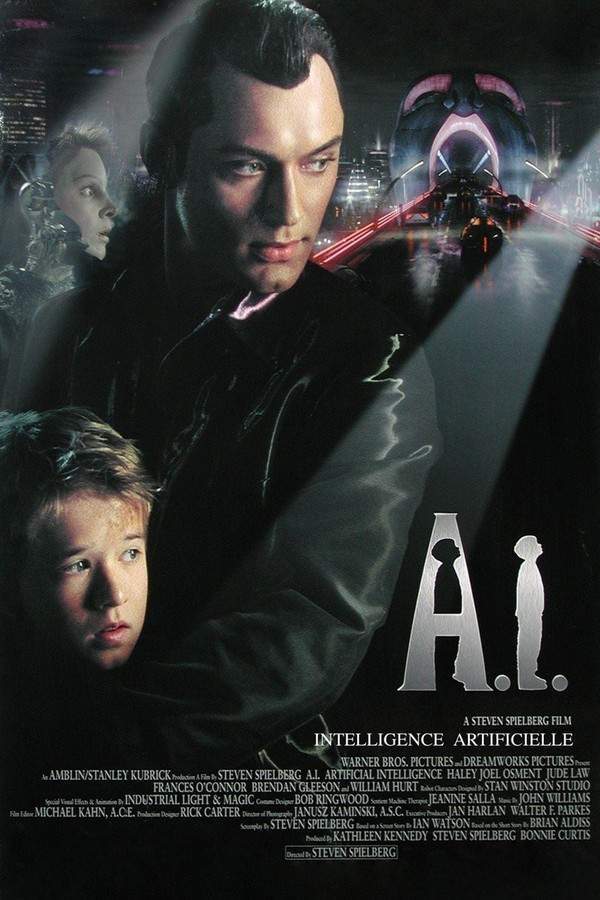
A.I. Artificial Intelligence
2001
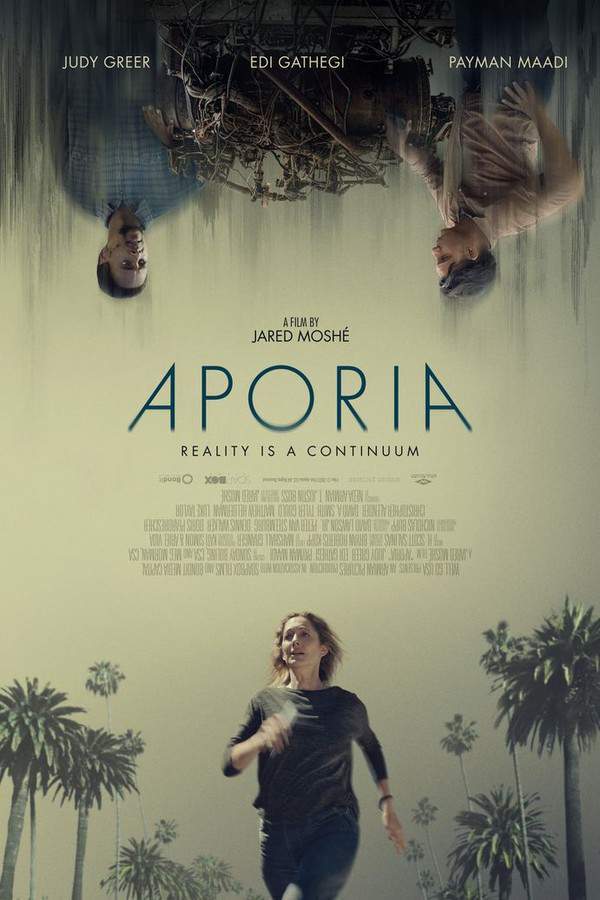
Aporia
2023

Slaughterhouse-Five
1972

Solaris
2002
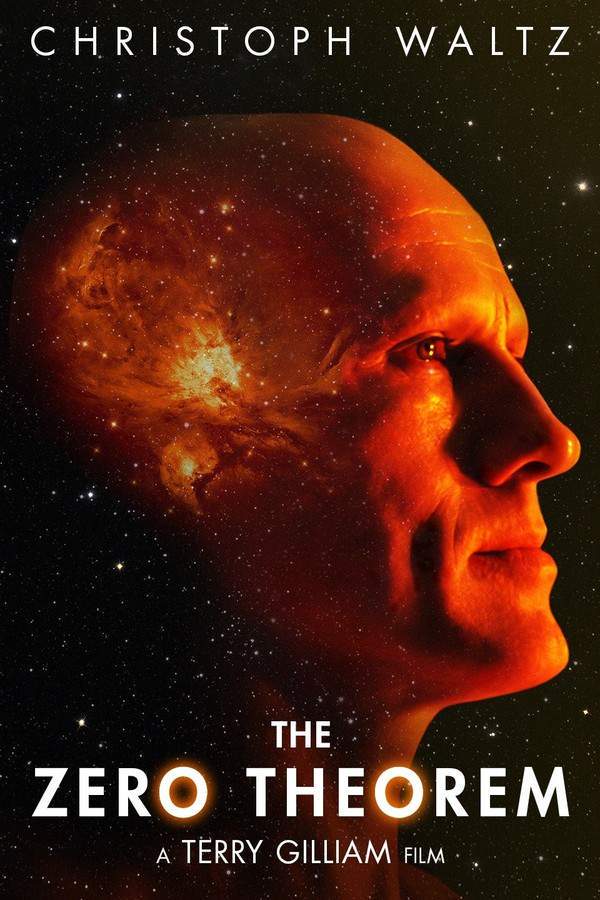
The Zero Theorem
2014

The Beast
2024
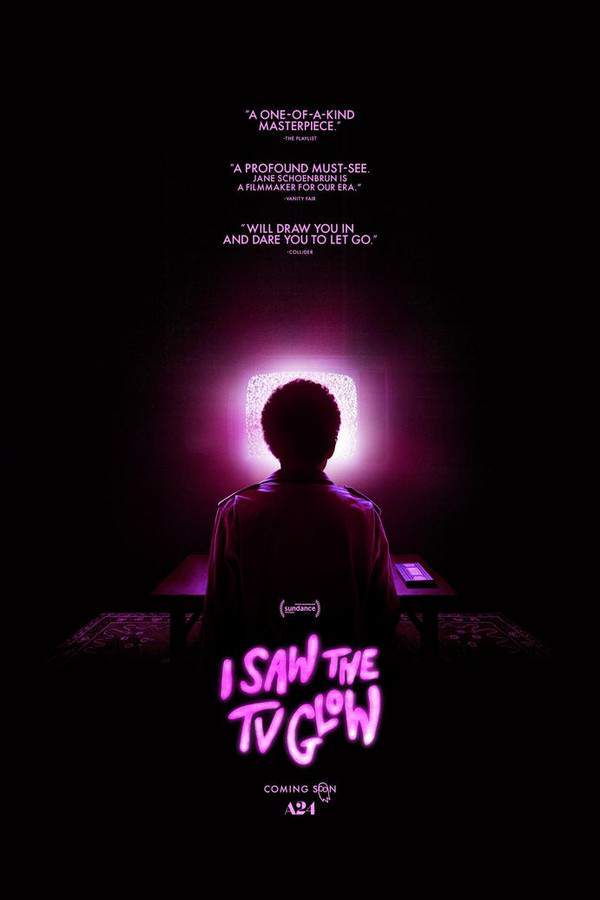
I Saw the TV Glow
2024

Ship of Theseus
2012
-HOGtBZMKH4I3HQ.jpg)
Surviving Life (Theory and Practice)
2010

The Red Spectacles
1987
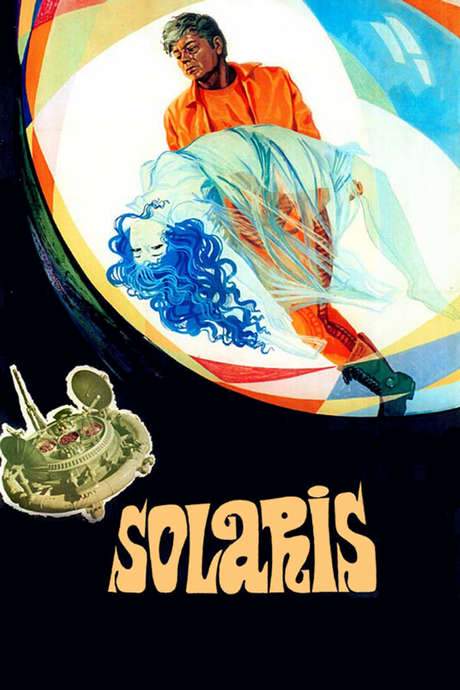
Solaris
1972
Narrative Summary
Narratives in this thread often begin with a seemingly stable reality that gradually fragments or is revealed to be an illusion. Characters embark on journeys where they must discern truth from fabrication, leading to a climax that redefines their understanding of existence and selfhood.
Why These Movies?
These films are grouped together because they share a core thematic focus on identity crisis within an unstable reality. They combine a melancholic or philosophical tone with high-concept sci-fi or fantasy elements, creating a deeply immersive and intellectually challenging experience.
Emotional dramas about sacrifice like The Congress
Emotionally heavy character studies centered on profound personal sacrifice.For viewers who appreciated the heavy emotional weight of sacrifice in The Congress, this thread collects similar movies. These dramas focus on characters making heartbreaking choices, often involving family, and explore the complex, bittersweet aftermath with a melancholic and thoughtful tone.












Narrative Summary
The narrative follows a protagonist facing an impossible choice, typically driven by love or duty. The story explores the immediate and long-term emotional fallout of their decision, leading to an ending that acknowledges the cost of their sacrifice, which is often profound and permanent.
Why These Movies?
These films are connected by their intense focus on the theme of sacrifice and its heavy emotional consequences. They share a melancholic tone, a deliberate pacing that allows the weight of decisions to sink in, and narratives that prioritize emotional depth over plot mechanics.
Unlock the Full Story of The Congress
Don't stop at just watching - explore The Congress in full detail. From the complete plot summary and scene-by-scene timeline to character breakdowns, thematic analysis, and a deep dive into the ending - every page helps you truly understand what The Congress is all about. Plus, discover what's next after the movie.
The Congress Summary
Read a complete plot summary of The Congress, including all key story points, character arcs, and turning points. This in-depth recap is ideal for understanding the narrative structure or reviewing what happened in the movie.

Characters, Settings & Themes in The Congress
Discover the characters, locations, and core themes that shape The Congress. Get insights into symbolic elements, setting significance, and deeper narrative meaning - ideal for thematic analysis and movie breakdowns.


Similar Movies to The Congress
Discover movies like The Congress that share similar genres, themes, and storytelling elements. Whether you’re drawn to the atmosphere, character arcs, or plot structure, these curated recommendations will help you explore more films you’ll love.
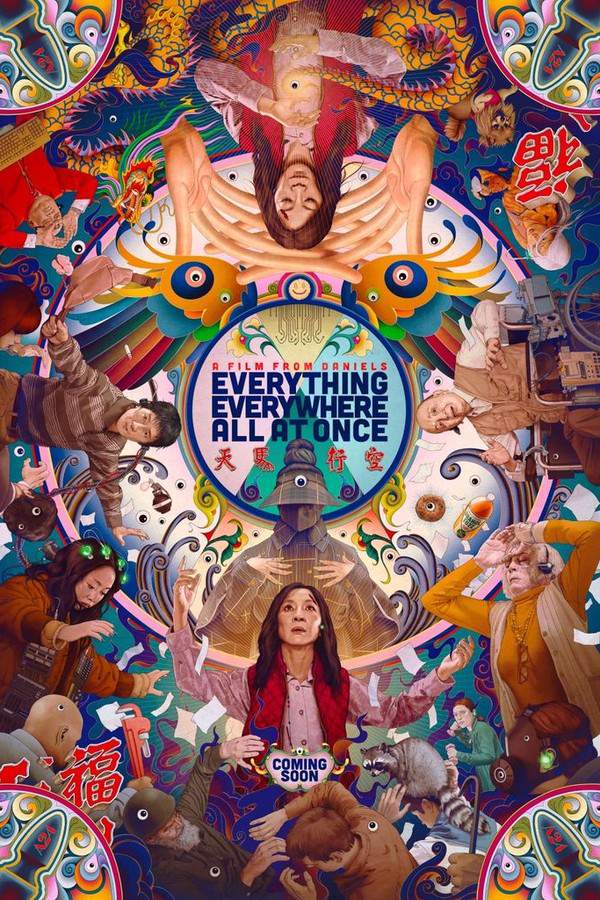
Everything Everywhere All at Once
2022
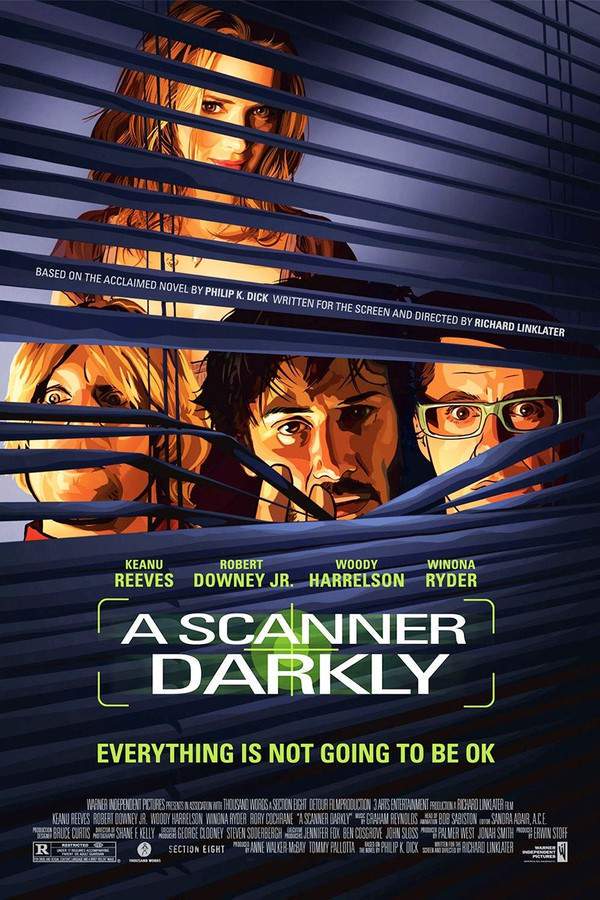
A Scanner Darkly
2006

Convention
2010
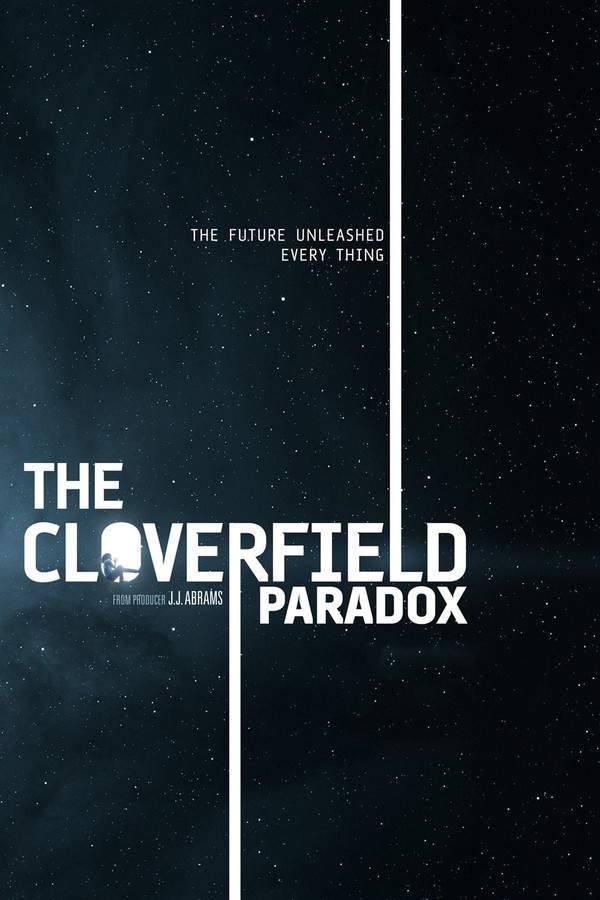
The Cloverfield Paradox
2018

The Stand In
2020

American Insurrection
2021

S1m0ne
2002

Deborah
2022

The Congressman
2016
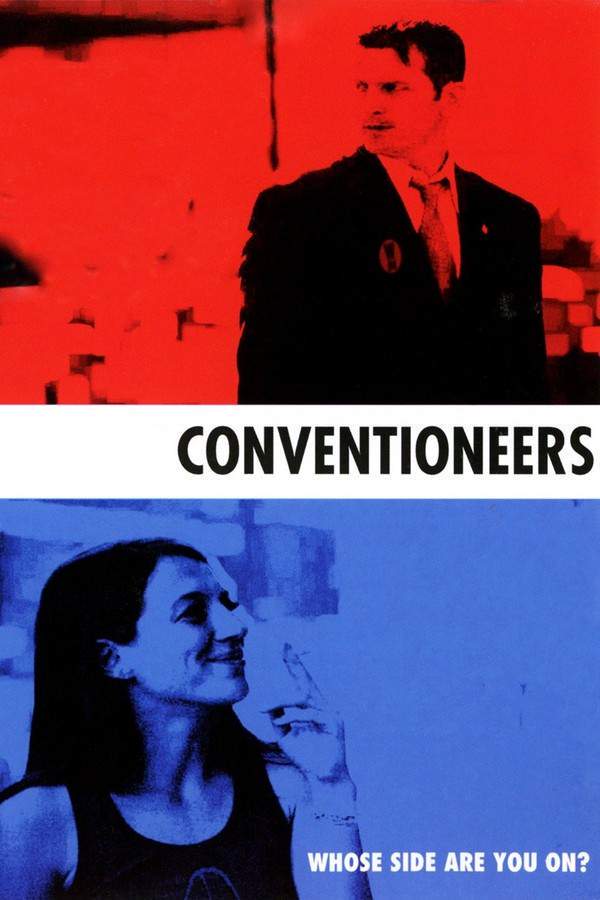
Conventioneers
2006
Silver Circle
2013

The District
2004

Identity Crisis
2020

2081
2009

The Newt Congress
2022
Explore More About Movie The Congress
The Congress (2014) Plot Summary & Movie Recap
The Congress (2014) Scene-by-Scene Movie Timeline
The Congress (2014) Spoiler-Free Summary & Key Flow
Movies Like The Congress – Similar Titles You’ll Enjoy
Everything Everywhere All at Once (2022) Detailed Story Recap
A Scanner Darkly (2006) Ending Explained & Film Insights
Convention (2010) Movie Recap & Themes
The Cloverfield Paradox (2018) Movie Recap & Themes
The Stand In (2020) Full Movie Breakdown
American Insurrection (2021) Movie Recap & Themes
S1m0ne (2002) Detailed Story Recap
Deborah (2022) Plot Summary & Ending Explained
The Congressman (2016) Full Movie Breakdown
Conventioneers (2006) Plot Summary & Ending Explained
Silver Circle (2013) Story Summary & Characters
The District (2004) Full Movie Breakdown
Identity Crisis (2020) Ending Explained & Film Insights
2081 (2009) Spoiler-Packed Plot Recap
The Newt Congress (2022) Spoiler-Packed Plot Recap