
The Chant of Jimmie Blacksmith
Year: 1978
Runtime: 113 mins
Language: English
Director: Fred Schepisi
Based on a true story, it follows a mixed‑heritage Aboriginal man who endures relentless pressure to abandon his culture and conform to white society. As the weight of racism and forced assimilation becomes unbearable, he ultimately erupts in a violent, horrific act of rebellion.
Warning: spoilers below!
Haven’t seen The Chant of Jimmie Blacksmith yet? This summary contains major spoilers. Bookmark the page, watch the movie, and come back for the full breakdown. If you're ready, scroll on and relive the story!
The Chant of Jimmie Blacksmith (1978) – Full Plot Summary & Ending Explained
Read the complete plot breakdown of The Chant of Jimmie Blacksmith (1978), including all key story events, major twists, and the ending explained in detail. Discover what really happened—and what it all means.
Jimmie Blacksmith, Tom E. Lewis, is the child of an Aboriginal mother and a white father who is raised to adulthood by the Reverend Neville Jack Thompson and his wife Martha Julie Dawson. They hope their influence will civilize him and open doors for a future in early twentieth-century Australia. With a letter of recommendation from his foster family, he sets out to find steady work and carve a place for himself, but he quickly encounters people who take advantage of him, testing his resolve from the start.
His first employer, Healey, repeatedly shortchanges him by nitpicking about fence-building and refuses to provide a job reference, unwilling to admit Jimmie’s illiteracy. The sting of slights and the power imbalance push him further into a world where his usefulness is constantly weighed against his race and his status.
Next, he works for the local constable, Ray Barrett as Farrell, who uses him as muscle against other Aboriginal people. Jimmie is forced to capture a former friend who is later molested and murdered while in custody, and to help cover up the death, an indictment of a system that chips away at his humanity.
Jimmie then finds a tenuous sense of stability on the Newby farm, though the family treats him little better than other employers. He falls in love with and marries his white girlfriend, Gilda Marshall, who arrives already pregnant. Gilda later gives birth to a white child, not fathered by Jimmie; while the public embarrassment wounds him, he wholeheartedly embraces fatherhood and the idea of a family.
Shortly after the birth, Jimmie’s full-caste half-brother Mort Freddy Reynolds and his uncle Tabidgi Steve Dodd arrive, and Jimmie enlists their help in his fence-building work. Yet the Newbys use their presence as an excuse to deny Jimmie his pay and provisions, insisting the extra men weren’t part of the arrangement. Mrs. Newby, Ruth Cracknell, and a schoolteacher friend, Miss Graf Elizabeth Alexander, try to persuade Gilda to take her baby and leave Jimmie for a teaching opportunity in another part of the country, but Gilda refuses.
Furious at the mistreatment his family suffers, Jimmie enlists Tabidgi to help put a “scare” into the Newby women while the men are away, planning to threaten them with hatchets. The plan backfires and descends into a rampage that leaves Mrs. Newby, Miss Graf, and all the Newby daughters but one infant dead. Jimmie’s family flee the compound, and shortly after Tabidgi, Gilda, and the child are left behind as Jimmie and Mort press on. They murder Healey as well, with Jimmie declaring war in a way he once heard described when fighting the Boers. As press coverage about Jimmie’s killings becomes nationwide, a reporter probes the city’s hangman for what might come when Jimmie is captured.
Tabidgi, captured and sentenced to death for accessory to murder, tells the court that the killings were not premeditated but impulses of anger. Still uncaptured, Jimmie and Mort encounter a schoolteacher, McCready, whom they initially wound but sparingly spare after he shows them a newspaper article about their notoriety. He convinces Jimmie to abandon Mort by suggesting Mort’s soul has been damaged by white influence. Mort, in turn, leads McCready to a farm for recovery, but is killed by a pursuing group led by the Newby males and Miss Graf’s fiancé, Dowie Steed Peter Sumner.
Jimmie himself is shot at in a lake but manages to tend his wounds and hide in a convent. When the police finally corner him, townspeople beat him as they take him to jail, and in the final scene, Rev. Neville reads him his last rites in his cell while the butcher-hangman observes, noting that, despite Jimmie’s unique appearance, his hanging will most likely proceed like any other.
Last Updated: October 05, 2025 at 12:27

Explore Movie Threads
Discover curated groups of movies connected by mood, themes, and story style. Browse collections built around emotion, atmosphere, and narrative focus to easily find films that match what you feel like watching right now.
Movies about systemic oppression and rebellion like The Chant of Jimmie Blacksmith
Stories of marginalized individuals pushed to their breaking point by an unjust system.If you were moved by the grim tragedy of The Chant of Jimmie Blacksmith, this thread gathers films about characters crushed by systemic injustice who ultimately resort to violent revolt. These movies share a heavy emotional weight and a dark, tense atmosphere, exploring similar themes of racism, moral decay, and the high cost of rebellion.
Outlaw
2007
Burn
2019
Bad Day for the Cut
2017
Over the Edge
1979
The Guillotines
2013

Blades of Blood
2010

The Dark Valley
2014

Violent Cop
2000

True History of the Kelly Gang
2019

Harrison Bergeron
2006

The Executioner
1990

Colonel Redl
1985

The Hoodlum
1951

The Liberation of L.B. Jones
1970
The Chant of Jimmie Blacksmith
1978
Narrative Summary
The narrative pattern involves a protagonist from a marginalized group facing escalating, institutionalized prejudice. The story methodically documents their humiliation and dehumanization, building unbearable tension until the character commits a horrific act of violence that serves as both rebellion and self-destruction, leading to a catastrophic and bleak conclusion.
Why These Movies?
Movies are grouped here for their shared focus on the devastating impact of systemic oppression, their steady pacing that builds to a violent climax, and their unflinchingly dark tone and bleak endings. They create a similarly intense and heavy viewing experience centered on social injustice.
Movies with a steady moral collapse like The Chant of Jimmie Blacksmith
Character-driven stories where steady pressure leads to a catastrophic break from morality.Fans of The Chant of Jimmie Blacksmith's portrayal of a man's systematic breakdown will find similar narratives here. These films focus on a character's gradual moral decay under pressure, resulting in a violent, tragic outcome. They share a steady pacing, high tension, and a deeply somber and heavy mood.
Marlowe
2023
Nightmare Alley
1947

Descent
2007
Go Down Death
2014
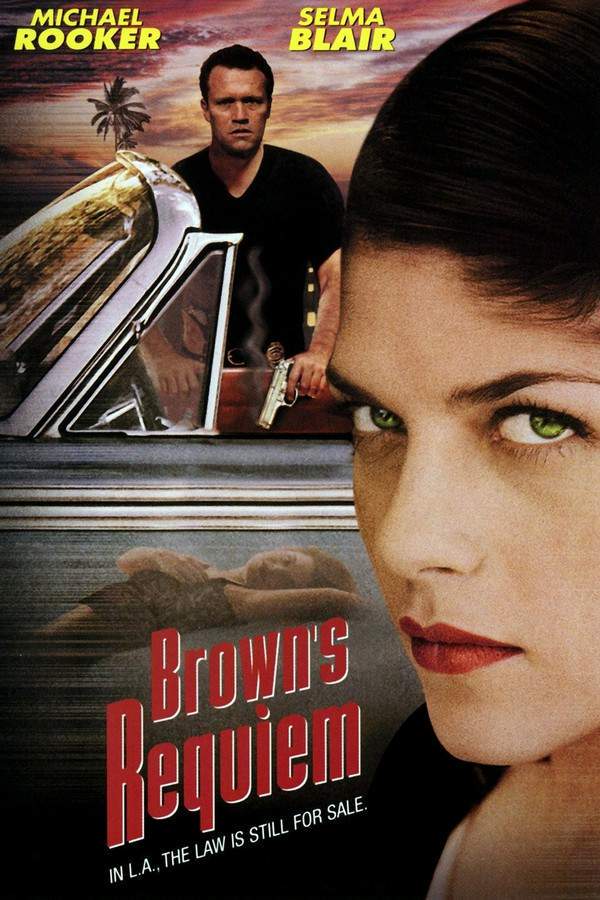
Brown's Requiem
2000
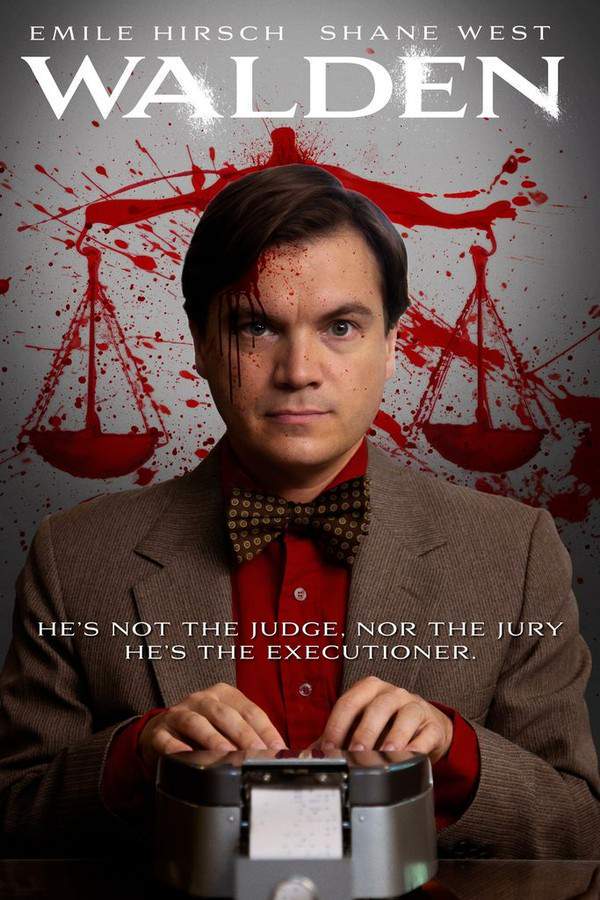
Walden
2023

The Picture of Dorian Gray
2007

Dangerous to Know
2020

The Picture of Dorian Gray
2021

The Road to Ruin
1934

The Upturned Glass
1947

The Damned Don’t Cry
1950
The Hoodlum
1951

All Fall Down
1962

The Breaking Point
1950
Narrative Summary
The journey is a linear, character-focused descent. The protagonist is initially sympathetic or ordinary, but faced with unrelenting hardship, betrayal, or injustice, their morality slowly erodes. The film carefully charts each step of their dehumanization, culminating in a point of no return where they commit a horrific act, sealing their tragic fate.
Why These Movies?
These films are united by their focus on a specific character arc: the slow-motion tragedy of a moral collapse. They share a steady, deliberate pacing that makes the downfall feel inevitable, a dark and heavy tone, and an intense, psychologically immersive experience for the viewer.
Unlock the Full Story of The Chant of Jimmie Blacksmith
Don't stop at just watching — explore The Chant of Jimmie Blacksmith in full detail. From the complete plot summary and scene-by-scene timeline to character breakdowns, thematic analysis, and a deep dive into the ending — every page helps you truly understand what The Chant of Jimmie Blacksmith is all about. Plus, discover what's next after the movie.
The Chant of Jimmie Blacksmith Timeline
Track the full timeline of The Chant of Jimmie Blacksmith with every major event arranged chronologically. Perfect for decoding non-linear storytelling, flashbacks, or parallel narratives with a clear scene-by-scene breakdown.

Characters, Settings & Themes in The Chant of Jimmie Blacksmith
Discover the characters, locations, and core themes that shape The Chant of Jimmie Blacksmith. Get insights into symbolic elements, setting significance, and deeper narrative meaning — ideal for thematic analysis and movie breakdowns.



Similar Movies to The Chant of Jimmie Blacksmith
Discover movies like The Chant of Jimmie Blacksmith that share similar genres, themes, and storytelling elements. Whether you’re drawn to the atmosphere, character arcs, or plot structure, these curated recommendations will help you explore more films you’ll love.





Explore More About Movie The Chant of Jimmie Blacksmith
The Chant of Jimmie Blacksmith (1978) Scene-by-Scene Movie Timeline
The Chant of Jimmie Blacksmith (1978) Movie Characters, Themes & Settings
The Chant of Jimmie Blacksmith (1978) Spoiler-Free Summary & Key Flow
Movies Like The Chant of Jimmie Blacksmith – Similar Titles You’ll Enjoy
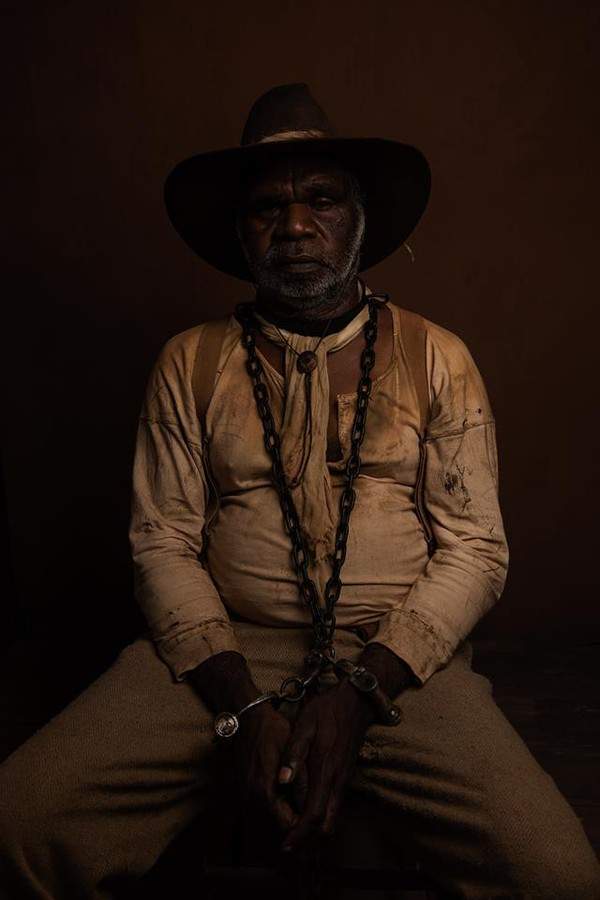
Sweet Country (2018) Ending Explained & Film Insights
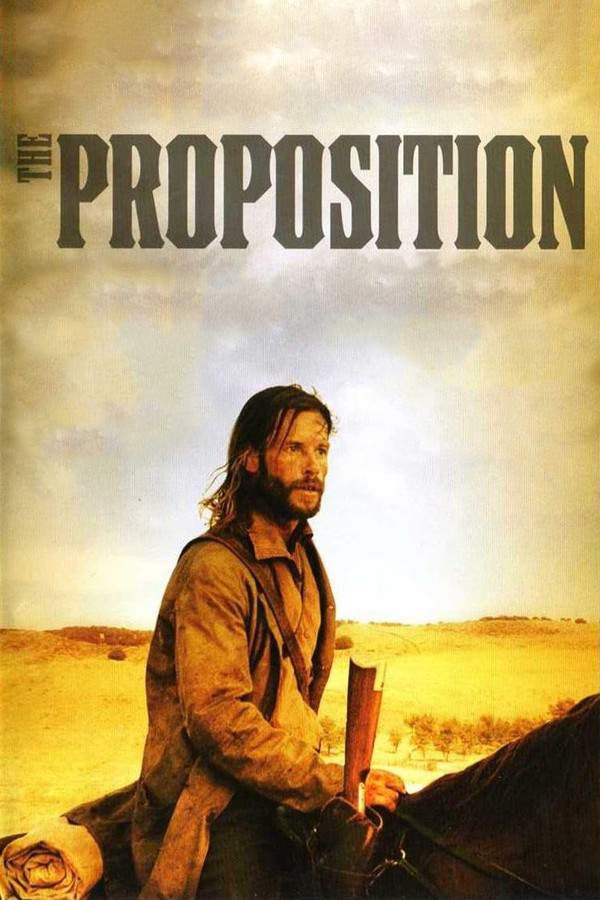
The Proposition (2006) Film Overview & Timeline
High Ground (2021) Full Movie Breakdown
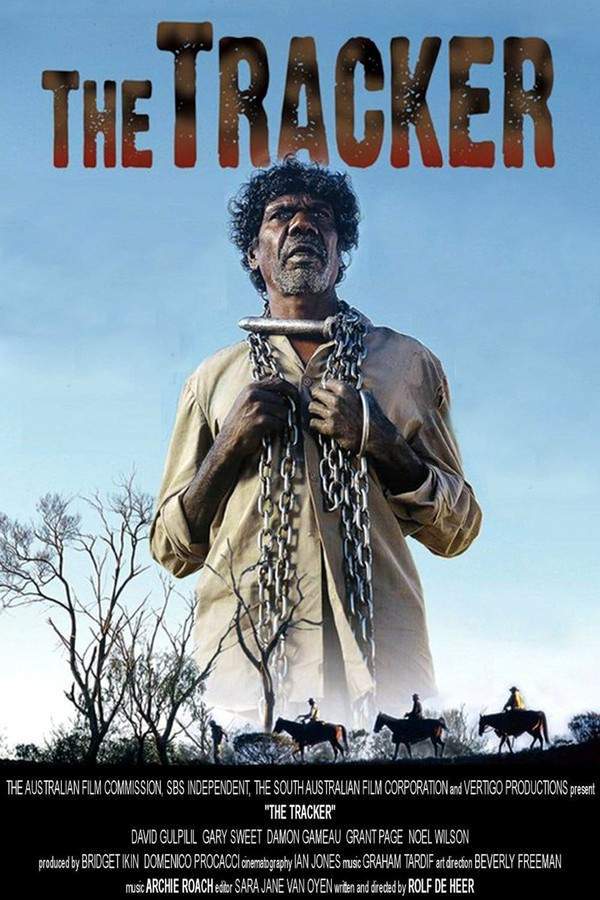
The Tracker (2004) Film Overview & Timeline
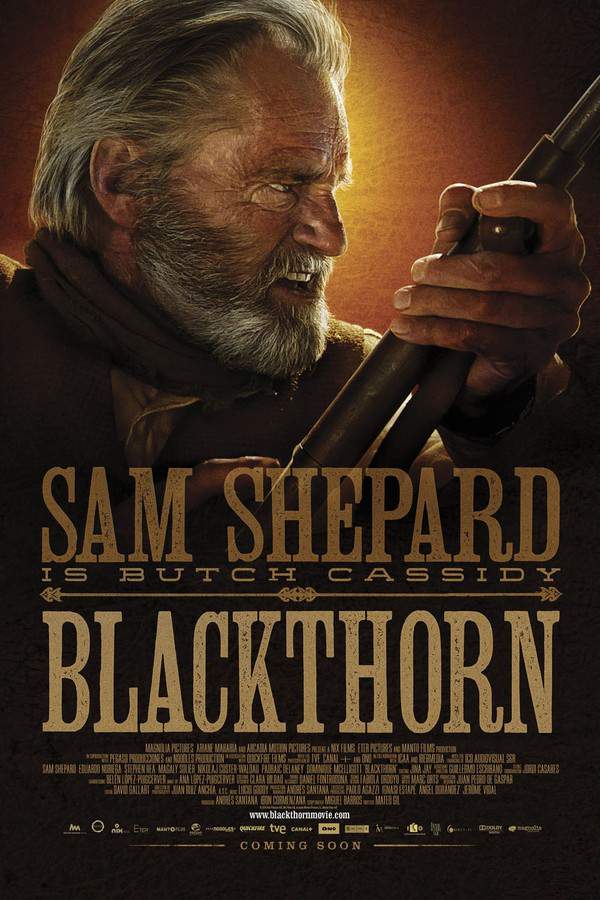
Blackthorn (2011) Detailed Story Recap
Black and White (2000) Detailed Story Recap
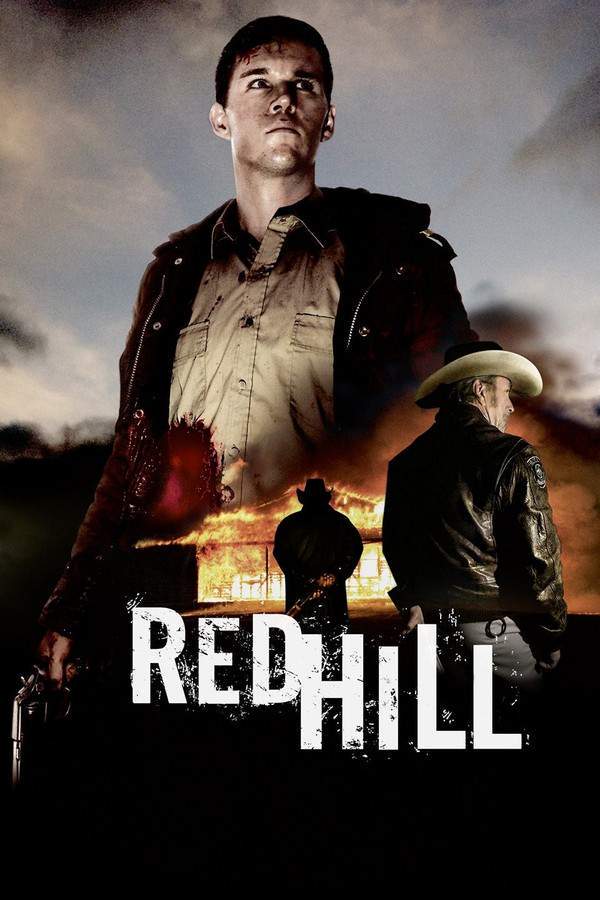
Red Hill (2010) Detailed Story Recap
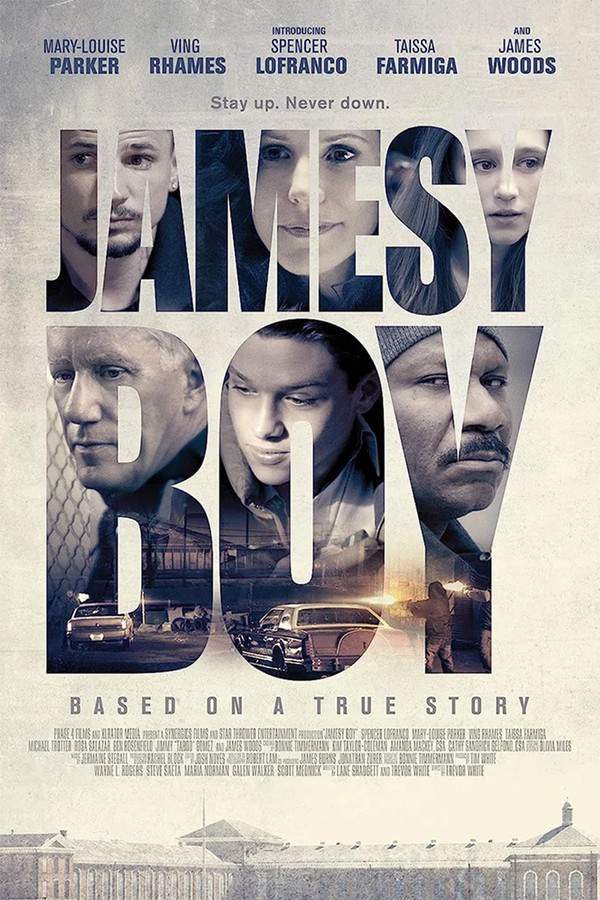
Jamesy Boy (2014) Detailed Story Recap
An Innocent Man (1989) Ending Explained & Film Insights
Jimmy and Judy (2006) Detailed Story Recap
We of the Never Never (1982) Plot Summary & Ending Explained
The Naked Country (1985) Full Summary & Key Details
White Apache (1987) Full Movie Breakdown
Backroads (1977) Story Summary & Characters
The Chase (1966) Film Overview & Timeline