Plot Explained Spoilers guaranteed!
Plot Explained

Browse by genre

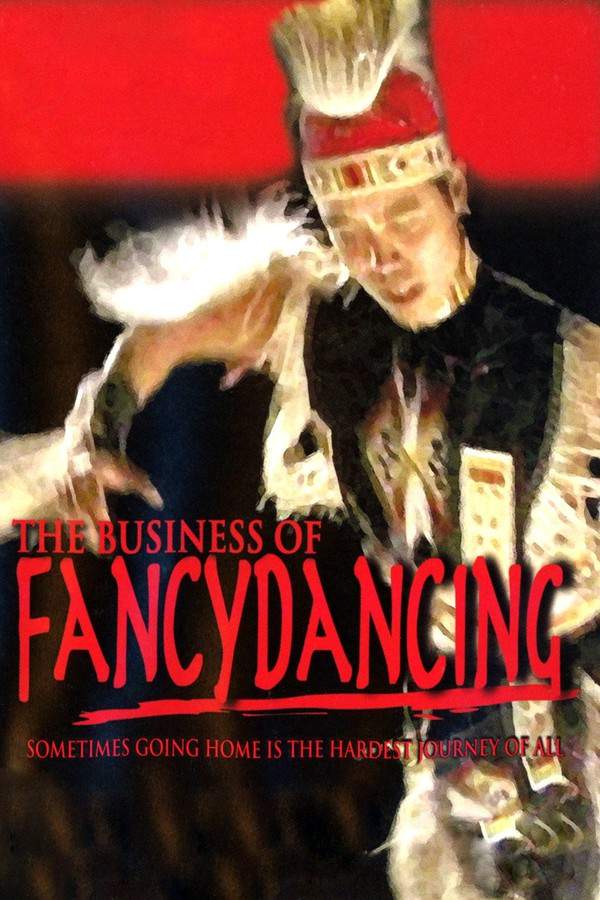
The Business of Fancydancing (2002) movie poster

Timeline

The Business of Fancydancing (2002) Timeline Explained – Every Event in Order

Release, runtime and language
2002 · 103 min · English
Loading streaming availability…
Directed by
Sherman Alexie
Starring
Evan Adams, Michelle St. John

A renowned poet reconnects with his childhood friend at a deeply emotional funeral, prompting him to examine his indigenous heritage and the challenges of belonging. The experience forces him to confront questions of identity and navigate the intricacies of his community.

On this page (6)
  1. 1 Where to watch
  2. 2 Events in order (13)
  3. 3 Timeline questions answered
  4. 4 Movie threads
  5. 5 Movies like The Business of Fancydancing
  6. 6 Every angle
Loading streaming availability…

13 events in order · contains spoilers

The Business of Fancydancing Timeline: Events in Chronological Order

Every key event of The Business of Fancydancing (2002) in order, scene by scene, with when and where it takes place. Use it to untangle flashbacks, time jumps and parallel storylines, to refresh your memory before the sequel or to find the exact scene you are thinking of.

  1. Introduction to Seymour's Struggle

    The story opens by introducing Seymour Polatkin, who grapples with his identity as he navigates his life in Spokane. His inner conflict highlights the tension between his indigenous heritage and his existence as an urban gay man.

    Where
    Spokane
  2. Seymour's Relationship

    Seymour is in a relationship with a white partner, adding another layer of complexity to his struggle with identity. This relationship underscores his feelings of being caught between two worlds, further intensifying his existential crisis.

  3. Rise to Fame

    Despite his personal struggles, Seymour achieves recognition as a successful American Indian poet. While he earns accolades and respect, this external validation often feels hollow and disconnected from his roots and friends on the reservation.

  4. Alienation from Community

    As Seymour gains acclaim, he grapples with a profound sense of alienation from the community he once belonged to. His success isolates him, creating a distance that complicates his ties to both urban life and his upbringing on the reservation.

    Where
    Spokane Reservation
  5. Return to the Reservation

    Seymour returns to the reservation to attend the funeral of his dear friend Mouse, a talented violinist. This homecoming serves as a poignant backdrop for him to confront his past and evaluate his choices amidst the grief of loss.

    Where
    Spokane Reservation
  6. Confronting Childhood Friends

    Upon his return, Seymour is met with scrutiny from childhood friends and family who question his decision to write and sell Indian-themed poetry. This encounter forces him to face uncomfortable truths about his identity and artistic choices.

    Where
    Spokane Reservation
  7. Reflections on Cultural Identity

    The funeral becomes a catalyst for Seymour's deep reflections on his cultural identity. He must reconcile the love for his heritage with the tensions brought on by his urban lifestyle and the perception of his work.

    Where
    Spokane Reservation
  8. Exploring Substance Abuse Issues

    Throughout his journey, the film explores the pervasive issues of substance abuse faced by many in the indigenous community. This theme is depicted with empathy, highlighting the struggles that accompany cultural assimilation and identity.

  9. Stereotypes and Suffering

    Seymour's narrative also sheds light on the damaging nature of stereotypes associated with Native Americans. It emphasizes how these stereotypes contribute to the suffering of individuals striving for acceptance in a multifaceted world.

  10. Climactic Self-Discovery

    As the story reaches its climax, Seymour engages in a journey of self-discovery, prompting him to confront and embrace his dual identity. This pivotal moment reveals the importance of authenticity and personal acceptance in navigating life's complexities.

  11. Impact of Loss

    The impact of Mouse's death resonates deeply within Seymour, serving as a reminder of the fragility of life and the importance of connection. This loss propels him towards a renewed understanding of his relationships and heritage.

    Where
    Spokane Reservation
  12. Reconnecting with Heritage

    In the aftermath of his return, Seymour begins to reconnect with aspects of his heritage that he had previously distanced himself from. He realizes the importance of cultural roots in forming a complete identity.

    Where
    Spokane Reservation
  13. Final Reflections

    As the film concludes, Seymour's journey encapsulates the struggles of many indigenous individuals today. He emerges with a deeper understanding of his identity, grounded in acceptance of both his cultural and personal dimensions.

Last updated: November 19, 2024 at 15:58

Was this helpful?

Timeline questions answered

The Business of Fancydancing Timeline Explained: Your Questions Answered

When does it happen, and why in that order? The questions people ask about the chronology of The Business of Fancydancing (2002): time jumps, flashbacks, cause and effect between scenes and the correct order of events, each answered with spoilers.

Q1

Why does Seymour feel conflicted about his identity?

Seymour struggles with a deep divide between his indigenous heritage and his current life as an urban gay man. He grew up on the Spokane Reservation but now lives in the city with a white partner, and has gained fame writing Indian-themed poetry for mainstream audiences. This success has created distance from his community, leaving him feeling like he doesn't fully belong to either world, the urban LGBTQ+ scene or his reservation roots.

Foreshadowing: The film establishes his inner conflict from the opening scenes, showing his discomfort navigating between both worlds.

  • seymour polatkin identity conflict
  • native american identity crisis
  • two worlds
Q2

Why is Seymour's relationship with his white partner significant to his struggle?

Seymour's relationship with a white partner adds another layer to his identity crisis. As a gay Native American man, he already feels caught between his indigenous heritage and his sexual identity. Being in a relationship with someone outside his culture intensifies his sense of being disconnected from both his community and mainstream society, reinforcing his feeling of belonging nowhere.

  • seymour gay relationship
  • interracial relationship
  • native american gay man
Q3

Why does Seymour feel alienated from the reservation community?

Seymour feels alienated because his success as a poet who writes and sells Indian-themed poetry to mainstream audiences has created a rift with his friends and family on the reservation. While he receives accolades and recognition outside the community, those back home view his work as exploitative or inauthentic. This criticism makes him feel like a outsider in the very community where he grew up.

Foreshadowing: The film shows his meteoric rise to fame alongside his growing disconnect from reservation friends.

  • seymour alienation
  • reservation community
  • poet success
Q4

Why do Seymour's childhood friends scrutinize him at Mouse's funeral?

Seymour's childhood friends and family question his decision to write and sell Indian-themed poetry to mainstream audiences. They see his success as potentially perpetuating stereotypes or profiting from Native culture in a way that feels inauthentic. Their scrutiny forces Seymour to confront whether his art genuinely represents his heritage or instead exploits it for personal gain.

Foreshadowing: Earlier scenes establish that his success has come with criticism from within the community.

  • mouse funeral criticism
  • childhood friends
  • selling native culture
Q5

What triggers Seymour's deep self-reflection at the funeral?

The funeral of his close friend Mouse serves as the catalyst. Returning to the reservation for this loss forces Seymour to face the people he has been distant from, and the grief amplifies his awareness of what he's missed and potentially lost. Facing his childhood friends' scrutiny directly, combined with mourning Mouse, makes him unable to avoid the uncomfortable questions about his identity and choices any longer.

Foreshadowing: The timeline establishes the funeral as the pivotal turning point that propels his self-examination.

  • mouse funeral
  • self-reflection
  • catalyst event
Q6

How does Mouse's death impact Seymour?

Mouse's death serves as a wake-up call for Seymour. As a talented violinist and someone close to him, Mouse's passing reminds Seymour of the fragility of life and the importance of genuine connections. The loss propels Seymour toward reflecting on his relationships, his heritage, and whether he has strayed too far from what truly matters to him.

  • mouse death
  • loss impact
  • grief
Q7

Why does Seymour write Indian-themed poetry for mainstream audiences?

Seymour writes Indian-themed poetry that resonates with mainstream audiences, which is how he achieved fame and recognition. However, this success is complicated, while it brings him external validation and acclaim, it also creates tension because some in his community view his work as selling out or perpetuating stereotypes rather than authentically representing Native culture.

  • indian themed poetry
  • mainstream success
  • poet fame
Q8

What stereotypes about Native Americans does the film address?

The film explores damaging stereotypes associated with Native Americans and how they affect indigenous individuals. Seymour's own poetry, while successful with mainstream audiences, raises questions about whether he perpetuates these stereotypes. The film examines how such stereotypes contribute to the suffering and identity struggles of Native people trying to find authentic representation in a world that often reduces them to caricatures.

  • native american stereotypes
  • representation
  • cultural stereotypes
Q9

How does the film portray substance abuse in the Native American community?

The film addresses substance abuse as a pervasive issue within the indigenous community, depicting it with empathy rather than judgment. This theme reflects the real struggles many Native Americans face, particularly when dealing with cultural assimilation, identity loss, and socioeconomic challenges. The portrayal highlights how these issues compound the difficulties of navigating between cultures.

  • substance abuse
  • native american issues
  • addiction
Q10

Does Seymour reconcile his dual identity by the film's end?

The ending is bittersweet. Seymour gains greater self-awareness through his painful homecoming and begins to reconnect with aspects of his heritage he had distanced himself from. However, the summary suggests there is no simple resolution to his deep-seated conflicts. He emerges with a deeper understanding of his identity but is left with a mix of insight and sorrow rather than complete resolution.

  • identity resolution
  • self acceptance
  • ending
Q11

What is the significance of the title "The Business of Fancydancing"?

Fancydancing is a style of Native American powwow dance that is performed competitively and has become somewhat commercialized. The title likely refers to the tension between authentic cultural expression and the 'business' of commodifying indigenous art for wider consumption, a theme that directly relates to Seymour's own experience as a poet who writes Indian-themed work for mainstream audiences.

  • fancydancing title meaning
  • powwow
  • native american dance

Movie threads

More Movies Like The Business of Fancydancing, by Mood & Story

Curated lists built around what makes The Business of Fancydancing tick: the same mood, the same kind of story or the same emotional payoff. Each list explains why these movies belong together.

Movies about complex homecomings like The Business of Fancydancing

Characters return to their origins, confronting complex identities and painful histories. If you liked the emotionally fraught homecoming in The Business of Fancydancing, you'll appreciate these other movies. They explore similar themes of cultural identity, belonging, and the difficult process of reconnecting with one's roots, often through the lens of a funeral or significant community event.

  • introspective
  • melancholic
  • nostalgic
  • uncomfortable
  • reflective
  • somber
  • Tone: melancholic, reflective
  • Pacing: slow, contemplative
Why these movies?

The story pattern: Stories in this thread typically follow a character's return to a place of origin, triggered by an event like a funeral. This journey acts as a catalyst for exploring unresolved conflicts with family, community, and self-identity, unfolding through reflective conversations and memories rather than action-driven plots.

Why they belong together: These films are grouped together because they share a central narrative pattern of a protagonist returning 'home' to confront their past. They create a similar viewing experience marked by introspection, melancholic tone, and a heavy emotional focus on themes of identity and belonging.

Movies about the artist's struggle like The Business of Fancydancing

Stories focusing on the emotional and existential toll of the creative life. For viewers who appreciated the portrayal of the poet's internal conflict in The Business of Fancydancing, this list features similar movies about artists. These films explore the heavy emotional weight of creativity, the struggle with authenticity, and the personal sacrifices intertwined with an artistic life.

  • introspective
  • melancholic
  • uncomfortable
  • reflective
  • somber
  • existential
  • Tone: melancholic, introspective
  • Pacing: slow, character-driven
Why these movies?

The story pattern: The narrative pattern revolves around an artist protagonist navigating a crisis of identity. Their artistic success often creates a disconnect from their roots or true self, leading to an internal journey where they must reconcile their public persona with their private struggles and sense of belonging.

Why they belong together: These movies are united by their deep dive into the psyche of a creative individual. They share a slow, introspective pace, a melancholic mood, and a heavy emotional weight stemming from the protagonist's internal battle with alienation, authenticity, and the price of their art.

If you liked this

Movies Like The Business of Fancydancing

Similar movies to The Business of Fancydancing: the same genre, themes or kind of story. Each one comes with its own plot summary, timeline and ending explained.

Browse all movie summaries

Every angle

The Business of Fancydancing (2002) Explained: Plot, Timeline & Characters

Everything about The Business of Fancydancing in one place: what happens in the plot summary, the timeline in chronological order, the characters and meaning and a spoiler-free summary. What's After the Movie adds the cast, box office and post-credit scenes.

Coming soon on iOS and Android

The Plot Explained Movie Summary App

Plot summaries, endings explained and timelines on your phone. Catch up on any movie in minutes, save your favorites and never miss a twist again.

Be the first to know when we launch. Your email stays private, always.

Learn more about the app