Plot Explained Spoilers guaranteed!
Plot Explained

Browse by genre

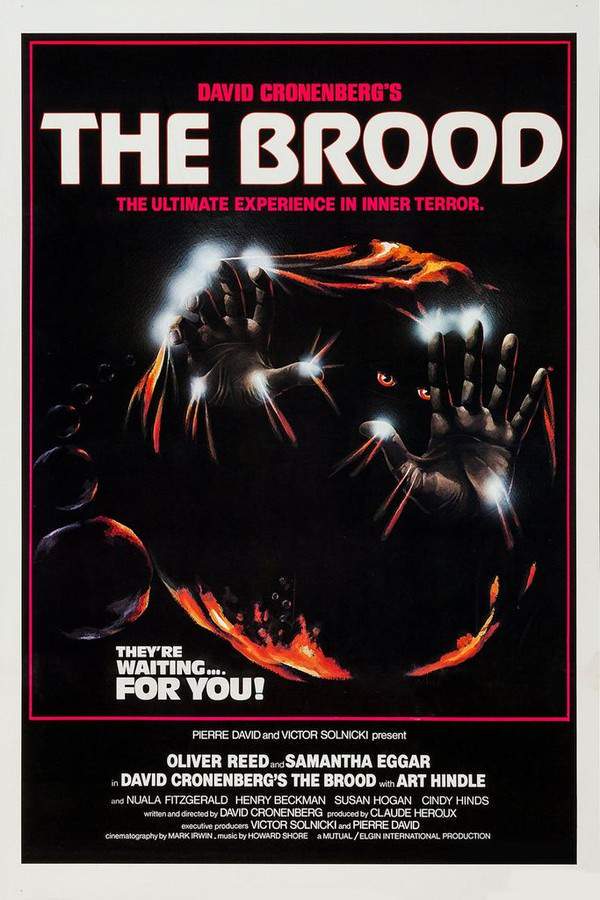
The Brood (1979) movie poster

Characters & Themes

The Brood (1979) Characters, Setting & Themes Explained

Release, runtime and language
1979 · 92 min · English
Loading streaming availability…
Directed by
David Cronenberg
Starring
Henry Beckman, Oliver Reed, Art Hindle, Samantha Eggar, Cindy Hinds, Gary McKeehan

A brilliant but unconventional doctor pioneers a radical psychotherapy to help a pregnant patient struggling with intense emotional distress. His experimental methods involve a unique cloning process, but when grotesque creatures begin appearing, he realizes his treatment has unleashed a terrifying and uncontrollable force. As the doctor investigates, he must confront the horrifying consequences of his ambition and protect his family from the monstrous brood he inadvertently created.

On this page (8)
  1. 1 Where to watch
  2. 2 Characters explained (4)
  3. 3 Where & when it takes place
  4. 4 Themes & meaning (2)
  5. 5 Character & meaning questions
  6. 6 Movie threads
  7. 7 Movies like The Brood
  8. 8 Every angle
Loading streaming availability…

4 main characters · contains spoilers

The Brood Characters Explained: Who Is Who

The main characters of The Brood (1979), heroes and villains: what drives them, how they change over the course of the story and what each of them reveals about the film's bigger ideas.

  • Frank Carveth

    Frank Carveth is a devoted father desperate to protect his daughter, Candy, from the horrors surrounding them. His character embodies the struggle against powerlessness as he confronts the sinister forces tied to his estranged wife, Nola. His determination to uncover the truth reveals his resilience, but also the depths of his despair.

    • 👨‍👧‍👦 Fatherhood
    • 😟 Desperation
    • 🔍 Investigation
  • Nola Carveth

    played by Samantha Eggar

    Nola Carveth is a deeply troubled woman undergoing radical treatment at the Somafree Institute. Her character is defined by her intense emotions and unresolved trauma, leading to terrifying consequences for those around her. As her anger manifests into the Brood children, she embodies the complex interplay between motherhood and rage.

    • 👩‍👧 Rage
    • 🧠 Trauma
    • 🍼 Motherhood
  • Candy Carveth

    Candy Carveth is the innocent and vulnerable daughter caught in the violent emotional turbulence surrounding her family. Her experiences, including witnessing horrific events, shape her character into a symbol of innocence threatened by her mother's dark legacy. Despite her youth, the marks she bears suggest a deeper connection to her mother's rage that looms over her future.

    • 👧 Innocence
    • 🔮 Future
    • 🕊️ Trauma
  • Dr. Hal Raglan

    played by Oliver Reed

    Dr. Hal Raglan is a controversial figure whose experimental approach to therapy leads to dire consequences. His character embodies the risks associated with psychological manipulation, as he delves into his patients' emotions to provoke responses that he believes will lead to healing. However, his methods provoke chaos and violence, questioning the ethics of psychological treatment.

    • 👨‍⚕️ Manipulation
    • 📉 Ethics
    • 🔬 Therapy

Last updated: October 22, 2024 at 20:06

Was this helpful?

Setting

Where and When Does The Brood Take Place?

The setting of The Brood (1979): the year and time period, the places and locations, and how they shape the characters, the mood and the tension of the story.

Time period

Location

Somafree Institute, Private Guest Room

The Somafree Institute is a mental health facility known for its experimental treatment methods under the guidance of Dr. Hal Raglan. It serves as a backdrop for the psychological turmoil and family struggles of the characters involved. The Private Guest Room is a secluded space within the institute where tension and fear emerge, illustrating the fragile state of relationships affected by trauma.

  • 🏥 Institution
  • 🏠 Home

Last updated: October 22, 2024 at 20:06

Was this helpful?

2 major themes

The Brood Meaning: Themes & Message Explained

What is The Brood (1979) really about? The emotional, social and philosophical themes the film keeps returning to, its symbolism and the message beneath the surface.

  • Familial Trauma

    Familial trauma is a central theme in 'The Brood', exploring how past wounds and unresolved anger within a family can manifest in violent and destructive ways. Nola's repressed rage not only affects her but spills over into the lives of her loved ones, particularly her daughter, Candy, illustrating the cyclical nature of trauma. This theme invites viewers to examine the impact of emotional scars on familial relationships.

  • Anger and Transformation

    The theme of anger and its transformative power pervades the narrative, driving characters to confront their inner demons. Dr. Raglan's psychoplasmics demonstrates how suppressed emotions can result in physical manifestations, leading to chaos and destruction. Nola's journey reveals that unaddressed rage can create a monstrous reality, emphasizing the importance of emotional expression and healing.

Last updated: October 22, 2024 at 20:06

Was this helpful?

Character & theme questions

The Brood Characters & Meaning: Your Questions Answered

The questions people ask about The Brood (1979): who the characters really are, their relationships, what the symbols mean, where it takes place and what the movie is really about. Each answer contains spoilers.

Q1

What is the Somafree Institute in The Brood?

The Somafree Institute is a mental health facility where Dr. Hal Raglan conducts experimental psychotherapy treatments. It serves as the primary setting for the film, representing a place where conventional psychological boundaries are pushed to dangerous extremes. The institute becomes a backdrop for exploring the darker aspects of human emotion and the consequences of unchecked therapeutic ambition.

  • soma free institute
  • dr raglan
  • mental health facility
  • psychotherapy
Q2

When is The Brood set?

The Brood does not specify an exact time period, but the visual and technological context suggests a late 1970s setting consistent with its 1979 release. The lack of modern technology and the clinical aesthetic of the Somafree Institute place it in a contemporary era relative to its production, though the psychological horror transcends specific time constraints.

  • 1970s
  • time period
  • setting era
  • contemporary horror
Q3

What does familial trauma mean in The Brood?

Familial trauma in The Brood explores how unresolved emotional wounds pass through generations, manifesting as destructive behavior. Nola's repressed rage and anger create literal physical manifestations called the brood, demonstrating how parental trauma can directly harm children. The film shows this cycle affecting Candy, who bears emotional and physical marks from her mother's legacy, illustrating the cyclical nature of abuse and emotional damage.

  • familial trauma
  • generational trauma
  • cycle of abuse
  • emotional wounds
Q4

How does anger manifest physically in The Brood?

In The Brood, Dr. Raglan's treatment called psychoplasmics allows patients to physically manifest their emotions, particularly suppressed anger. Nola's intense rage manifests as grotesque external growths, creature-like children called the brood, that she births physically rather than emotionally processing her trauma. This transformation represents the dangerous consequences of bottling up emotions and how unresolved anger can literally become a monster.

  • anger
  • psychoplasmics
  • emotional transformation
  • physical manifestation
Q5

Who is Dr. Hal Raglan?

Dr. Hal Raglan is the controversial psychiatrist who runs the Somafree Institute and pioneers the experimental treatment called psychoplasmics. He believes that expressing suppressed emotions physically leads to psychological healing, but his methods are ethically questionable. His character embodies the risks of psychological manipulation and the dangers of playing God with human emotions, as his treatment inadvertently creates violent creatures from his patients' rage.

  • dr hal raglan
  • psychiatrist
  • somafree
  • psychoplasmics treatment
Q6

What is Nola Carveth's role in The Brood?

Nola Carveth is the central figure whose psychological trauma drives the film's horror. As a patient at the Somafree Institute undergoing Dr. Raglan's experimental treatment, she channels her deep-seated anger and trauma into creating the brood, physical manifestations of her rage. Her character represents the intersection of motherhood and rage, showing how unresolved trauma can transform parental love into something terrifying and destructive.

  • nola Carveth
  • mother
  • brood creation
  • patient
Q7

Who is Frank Carveth in The Brood?

Frank Carveth is Nola's estranged husband and father to Candy, serving as the film's protagonist who seeks to protect his daughter from the supernatural threats created by Nola's treatment. He represents the desperate parent fighting against powerless circumstances, desperately trying to uncover the truth about the Somafree Institute while protecting Candy from the violent brood creatures. His character embodies resilience against impossible odds and the lengths a parent will go to shield their child.

  • frank Carveth
  • father
  • protagonist
  • candy father
Q8

What is Candy Carveth's role in The Brood?

Candy Carveth is the innocent daughter caught between her parents' conflict and the supernatural horror surrounding her mother's treatment. She represents vulnerability and the impact of familial trauma on children. Despite her youth, she bears emotional and physical marks suggesting she may inherit her mother's propensity for anger, symbolizing the cyclical nature of trauma that the film explores. Her character serves as both victim and potential continuation of the destructive cycle.

  • candy Carveth
  • daughter
  • innocence
  • cycle of trauma
Q9

What is psychoplasmics in The Brood?

Psychoplasmics is Dr. Raglan's experimental psychological treatment that allows patients to physically manifest their emotions, particularly suppressed anger and trauma. Rather than talking through problems, patients externalize their internal emotional states into physical form. This concept serves as the film's central horror mechanism, showing how unprocessed psychological pain can become something tangible and dangerous that harms not only the patient but those around them.

  • psychoplasmics
  • emotional manifestation
  • experimental treatment
  • therapy
Q10

What are the main themes in The Brood?

The Brood centers on two interconnected themes: familial trauma and the transformative power of anger. The film explores how unresolved emotional wounds within families create cycles of abuse and violence that can literally manifest as monsters. It questions the ethics of psychological treatment and whether confronting suppressed emotions physically leads to healing or simply creates new forms of destruction. The bleak tone suggests these cycles are difficult to break.

  • themes
  • analysis
  • trauma cycle
  • emotional expression
Q11

What kind of movie is The Brood?

The Brood is a psychological horror film that combines sci-fi elements with intense emotional horror. Its tone is dark and bleak, with no moments of levity to offset the grim narrative. The film deals with heavy themes including child abuse, trauma, and the fusion of psychological and physical harm. It uses body horror to externalize internal emotional states, creating a consistently stressful experience driven by the threat of violence from the brood creatures.

  • psychological horror
  • body horror
  • dark tone
  • sci-fi horror
Q12

Does the cycle of trauma continue in The Brood?

The Brood concludes on a bleak note, suggesting that the cycle of trauma continues into the next generation. The film implies that without proper emotional healing, the patterns of abuse and rage will persist, potentially affecting Candy and any future children. This pessimistic view emphasizes the importance of addressing emotional wounds rather than simply manifesting them, as the consequences ripple across generations.

  • ending
  • cycle continuation
  • bleak conclusion
  • generational trauma

Movie threads

More Movies Like The Brood, by Mood & Story

Curated lists built around what makes The Brood tick: the same mood, the same kind of story or the same emotional payoff. Each list explains why these movies belong together.

Body Horror Movies about Trauma like The Brood

Stories where psychological anguish manifests as grotesque, violent physical transformations. If you liked The Brood's chilling portrayal of manifested rage, you'll find similar stories here. This collection features movies where psychological trauma and emotional distress physically manifest, often as body horror or monstrous entities. These films fuse deep psychological themes with grotesque, visceral terror.

  • body horror
  • disturbing
  • psychological
  • unsettling
  • dread-filled
  • somber
  • Tone: dark, disturbing, somber
  • Pacing: steady, methodical
Why these movies?

The story pattern: These narratives typically follow a character whose unprocessed emotional turmoil—often rage, grief, or childhood trauma—begins to physically manifest, creating a hostile external threat that is intrinsically linked to their psyche. The plot involves uncovering the source of the trauma while trying to survive the physical horrors it has spawned, often culminating in a bleak or tragic confrontation.

Why they belong together: Movies are grouped here because they share a core premise: the externalization of internal psychological states as physical horror. They blend heavy emotional themes with shocking body horror, creating a uniquely distressing and thought-provoking viewing experience focused on the mind-body connection gone horribly wrong.
Horror Movies about Unethical Science like The Brood

Tales of brilliant minds whose experiments unleash uncontrollable, monstrous consequences. Fans of The Brood's theme of a doctor's dangerous experiment will appreciate these movies. This list features horror and sci-fi films centered on ambitious, unethical science that backfires catastrophically. Explore stories where brilliant minds create monsters they cannot control, leading to dread-filled consequences.

  • unsettling
  • dread-filled
  • anxious
  • somber
  • tense
  • moral conflict
  • Tone: dark, tense, bleak
  • Pacing: steady, building dread
Why these movies?

The story pattern: The plot follows a brilliant but overreaching creator—a scientist, doctor, or innovator—who develops a radical new theory or technology. Their ambition blinds them to the risks, and they proceed without regard for ethics or safety. The creation inevitably turns monstrous or destructive, forcing the creator to confront the horrifying results of their hubris, often at a great personal cost.

Why they belong together: These films are connected by the central theme of scientific or medical hubris. They share a dark tone, a steady pacing that builds dread as the experiment fails, and a high-stakes intensity as the creator's world collapses. The emotional weight is heavy, focusing on regret, responsibility, and the irreversible cost of playing god.

If you liked this

Movies Like The Brood

Similar movies to The Brood: the same genre, themes or kind of story. Each one comes with its own plot summary, timeline and ending explained.

Browse all movie summaries

Every angle

The Brood (1979) Explained: Plot, Timeline & Characters

Everything about The Brood in one place: what happens in the plot summary, the timeline in chronological order, the characters and meaning and a spoiler-free summary. What's After the Movie adds the cast, box office and post-credit scenes.

Coming soon on iOS and Android

The Plot Explained Movie Summary App

Plot summaries, endings explained and timelines on your phone. Catch up on any movie in minutes, save your favorites and never miss a twist again.

Be the first to know when we launch. Your email stays private, always.

Learn more about the app