Plot Explained Spoilers guaranteed!
Plot Explained

Browse by genre

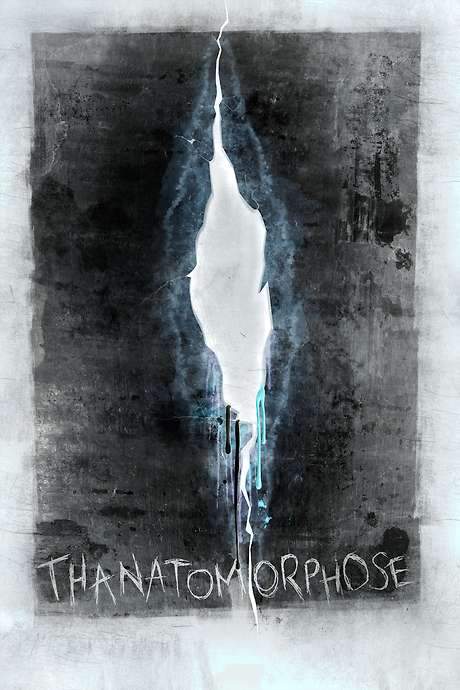
Thanatomorphose (2012) movie poster

Plot Summary

Thanatomorphose (2012) Plot Summary Explained

Release, runtime and language
2012 · 100 mins · English
Loading streaming availability…
Directed by
Éric Falardeau
Starring
Pat Lemaire, Eryka Cantieri, Roch-Denis Gagnon, Émile Beaudry, Simon Laperrière, Kayden Rose

Following a night of intense intimacy, a young woman discovers her body is decaying instead of healing. As she grapples with the unsettling changes and strange sensations accompanying her deterioration, she struggles to accept her new reality. Her body begins to visibly rot, and parts of it begin to detach. Despite the horrifying transformation, she clings to existence, confronting the disturbing progression of her physical decline.

On this page (5)
  1. 1 Where to watch
  2. 2 What happens: full plot
  3. 3 Plot questions answered
  4. 4 Movie threads
  5. 5 Every angle
Loading streaming availability…

Full plot summary · contains spoilers

What Happens in Thanatomorphose: Full Plot Summary

The whole story of Thanatomorphose (2012) explained, from the opening scene to the final frame: every key event, every twist and what it all adds up to. Read it as a quick recap before the sequel, to check a scene you missed, or to finally understand what really happened.

Laura is a depressed and introverted young woman who lives alone in a small apartment and works as a nurse. Her quiet existence is shadowed by an abusive relationship with Antoine, who is distant and often leaves after they have sex. After their encounter, Laura tends to Antoine when he injures his foot, revealing her profession through the care she provides. The moment is punctuated by her distracted fascination with a patient’s clay carving and a private act of masturbation, during which a red spot appears on her groin.

As the night unfolds, a disturbing sequence of physical changes begins. A shower reveals a new purple stain on her back after one of her nails falls off, and she starts preparing for a party as her friends arrive. Her meticulous cleaning ritual becomes a source of mockery when her friends soil the floor, and Laura endures their jibes as they tease her compulsive habits. Among the chatter, Julian appears, a friend who seems to be sexually interested in Laura, a tension that threads through the social visit.

Later, Antoine forces Laura into aggressive sex, deepening the power imbalance in their relationship. That night, she falls ill and vomits on him. A cascade of small, unsettling incidents follows: she staggers into the bathroom, breaks a glass, and a broken shard-littered floor accompanies her increasing fragility. She wakes naked with Antoine absent, drinks from the sink, and discovers the drain is clogged with her own blood. Tripping on glass, she slips and slams her head against the floor, then dreams of a rotting carcass in an advanced state of decomposition. A pool of blood forms near the wound on her head as she bandages herself and takes medication, later receiving a visit from Julian who notices the bruises across her naked body. She moments of intimacy with him, then sinks back into sleep for the day.

Mornings bring new symptoms: Laura wakes weak, defecates while standing, then faints again. A dream places her inside a clandestine laboratory where a doctor is cutting off her hand to feed Antoine and Julian, both naked in a cage. The waking world grows more frail as her skin darkens and she struggles to clean open wounds with showers that do little to help. In a grim self-repair moment, she sutures a rotten wound on her hand and applies a bandage just as more nails fall away. Realizing the scope of her decline, she covers all windows and mirrors with black sheets to shut out the outside world.

Descent becomes fixation: Laura begins to collect parts of her body that are peeling away—fingertips, tufts of hair, and bits of flesh—placing them into jars and photographing their evolution. She uses these pieces to fashion bloody sculptures, a process that intertwines with memories of Antoine. In a chilling moment, she masturbates while recalling Antoine’s visit, then recalls his attempt to help her wash up, a memory that ends with him being killed by her, struck down with multiple hammer blows to the head. The apartment’s walls darken with black blood and flesh, and maggots gather where her wounds once were as she stares into a mirror and removes maggots from her chest with tweezers, seemingly without pain.

The next day, she develops the photographs and orders more jars for her growing collection. She contacts Julian to visit, and when he arrives, he encounters her rotting body on a mattress, begging him to have sex with her. Julian refuses, and Laura enacts a brutal murder, stabbing him to death. Her condition worsens: her skin turns black, maggots swarm around her exposed flesh, and a psychedelic dream of being buried alive haunts her. In a final act of artistry, she assembles one last sculpture from Julian and her own remains, ripping away more skin to complete the piece. She gazes into the mirror one final time, then deliberately blinds herself by stabbing her milky eyes.

Dragging herself toward the rotting corpses of Antoine and Julian, Laura’s body reaches the ultimate decomposition. A rancid thrill of rot overtakes her, and a final, horrific wail escapes as her jaw detaches from her skull, leaving a lifeless skeleton slumped on the floor.
Last updated: October 03, 2025 at 06:48

Was this helpful?

Plot questions answered

Thanatomorphose Plot Explained: Your Questions Answered

The questions people ask most about Thanatomorphose (2012): what happens in the confusing scenes, why the characters do what they do, the twists, hidden details and what the ending means. Each answer contains spoilers.

Q1

Why does Laura start decomposing after her night with Antoine?

The decay begins immediately after her intimate encounter with Antoine, marked by a red spot appearing on her groin during her private moment. The film presents this as a literal manifestation of the emotional and physical violation she experiences from the abusive relationship. Her body begins to rot from within, likely symbolizing how the trauma of the relationship is literally consuming her.

Foreshadowing: The red spot appears right after Antoine leaves, following their encounter, hinting that the decay is directly tied to the violation she experiences.

  • laura decay cause
  • body horror decomposition
  • thanatomorphose rot begins
Q2

Does Laura kill Antoine in the film?

Yes, Laura kills Antoine in a violent flashback memory. She recalls bludgeoning him to death with a hammer during an attempt to help her wash up. This violent act occurs sometime before the main narrative timeline of the film, and his body remains in the apartment throughout the story, adding to the oppressive atmosphere of death.

Foreshadowing: The timeline suggests Antoine disappears after the early violent encounter, and Laura is later seen with his corpse.

  • antoine death
  • laura kills antoine
  • thanatomorphose murders
Q3

Why does Laura stab Julian to death?

Laura calls Julian to visit her in her deteriorated state, then begs him to have sex with her. When Julian refuses, horrified by her rotting body, Laura attacks him in a violent rampage, stabbing him repeatedly. This brutal murder represents her final desperate attempt at connection and intimacy, combined with the rejection triggering her pent-up rage and despair.

Foreshadowing: Julian's interest in Laura was established at the party, making his refusal of her later request particularly devastating.

  • julian murder
  • laura kills julian
  • thanatomorphose killing
Q4

Why does Laura blind herself at the end of the film?

Laura stabs her own eyes with a shard in the final moments, deliberately blinding herself. This act symbolizes her complete withdrawal from the world and her final rejection of both physical appearance and human connection. Having already covered all mirrors and windows with black sheets earlier, she now destroys her own ability to see, embracing total darkness and isolation before her body fully decomposes.

Foreshadowing: She covered all mirrors and windows earlier, showing her increasing aversion to her own reflection and the outside world.

  • laura blinds herself
  • thanatomorphose ending
  • self-mutilation eyes
Q5

What is the significance of Laura collecting her own body parts?

Laura collects her peeling fingertips, fallen nails, tufts of hair, and bits of flesh into jars, then photographs and arranges them into bloody sculptures. This ritual represents her desperate attempt to maintain some control and meaning as her body disintegrates. The sculptures also intertwine with her memories of Antoine, suggesting she is preserving what remains of herself and her relationships through these macabre art pieces.

Foreshadowing: Earlier, she is shown photographing the progression of her decay, establishing her documentation obsession.

  • body parts collection
  • laura sculptures
  • thanatomorphose jars
Q6

Why does Laura cover all the mirrors and windows with black sheets?

After realizing the extent of her physical decline, Laura covers every mirror and window in her apartment with black sheets. This act symbolizes her complete rejection of the outside world and her own deteriorating appearance. She no longer wants to see herself or be seen, choosing isolation over confronting the horror of her decomposition.

Foreshadowing: This happens after she sutures a rotten wound on her hand, marking a turning point where she accepts her decline.

  • laura covers mirrors
  • black sheets
  • thanatomorphose isolation
Q7

What does the dream about the laboratory mean?

In a surreal nightmare, Laura dreams she is in a clandestine laboratory where a doctor cuts off her hand to feed to Antoine and Julian, who are naked in cages. This dream reflects her feelings of being consumed by the men in her life and her fragmented sense of self. The cages suggest she views these relationships as captivity, while the dismemberment represents her loss of agency and control over her own body.

Foreshadowing: This dream occurs as her physical deterioration accelerates, showing her psychological state worsening alongside her body.

  • laura dream laboratory
  • thanatomorphose nightmare
  • doctor cuts hand
Q8

What happens to Antoine after the early part of the film?

Antoine stops visiting after Laura vomits on him following their violent sexual encounter. While he doesn't appear again in the narrative present, his body is later seen in the apartment alongside Julian's. The implication is that Laura killed him during the memory sequence where she beats him with a hammer, and his corpse remains in the space throughout her deterioration.

Foreshadowing: Antoine is absent after the night Laura vomits on him, and his body appears later among the rotting corpses.

  • antoine disappears
  • what happens antoine
  • thanatomorphose antoine fate
Q9

What is the significance of Laura dreaming about a rotting carcass?

After tripping on glass and hitting her head, Laura dreams of a rotting carcass in an advanced state of decomposition. This nightmare foreshadows her own fate and serves as a visual representation of her deepest fear - complete physical decay. The dream also blurs the line between her waking reality and her psychological state, showing her mind is already processing her body's transformation.

Foreshadowing: This dream occurs early in her decay, before the full extent of her decomposition becomes visible.

  • rotting carcass dream
  • laura nightmare
  • thanatomorphose foreshadowing

Movie threads

More Movies Like Thanatomorphose, by Mood & Story

Curated lists built around what makes Thanatomorphose tick: the same mood, the same kind of story or the same emotional payoff. Each list explains why these movies belong together.

Movies with grotesque body decay like Thanatomorphose

Stories where the human body becomes a prison of grotesque transformation. If you were fascinated by the relentless physical decline in Thanatomorphose, this collection features similar movies where body horror is the central theme. These films explore graphic transformation and decay, focusing on visceral, often slow-paced stories of bodily horror and psychological despair for viewers seeking intense and unsettling experiences.

  • body horror
  • gruesome
  • unsettling
  • decay
  • claustrophobic
  • despair
  • Tone: dark, grotesque, despairing
  • Pacing: slow, deliberate
Why these movies?

The story pattern: Stories in this thread typically follow a linear progression of physical decay, often paralleled by psychological collapse. The conflict is internal and physiological, pitting the character against their own flesh. The journey is one of inevitable loss, moving from initial shock to full disintegration.

Why they belong together: These movies are grouped by their unflinching focus on body horror as a primary narrative driver. They share a high-intensity, dark tone, and a heavy emotional weight derived from the gruesome spectacle of transformation and the existential dread of losing control over one's physical form.

Movies with claustrophobic despair like Thanatomorphose

Intimate portraits of isolation and inescapable psychological torment. For viewers who appreciated the isolating and psychologically oppressive mood of Thanatomorphose, this list curates films that share a similar vibe of claustrophobic despair. These movies often feature characters in intense isolation, grappling with psychological decay and bleak outcomes, creating a heavy, unsettling experience for fans of dark, character-centric horror.

  • claustrophobic
  • despair
  • psychological
  • isolating
  • unsettling
  • nightmarish
  • Tone: dark, melancholic, bleak
  • Pacing: slow burn
Why these movies?

The story pattern: Narratives in this thread often involve a single protagonist spiraling into madness or despair within a limited environment. External plots are minimal; the focus is on the internal struggle. The journey is a downward spiral, emphasizing the character's growing dissociation from reality and their inevitable collapse.

Why they belong together: These films are unified by their ability to generate a suffocating, claustrophobic mood centered on psychological suffering. They share a dark tone, slow pacing, and a heavy emotional weight, making the viewer complicit in the character's inescapable torment and feelings of profound isolation.

Every angle

Thanatomorphose (2012) Explained: Plot, Timeline & Characters

Everything about Thanatomorphose in one place: what happens in the plot summary, the timeline in chronological order, the characters and meaning and a spoiler-free summary. What's After the Movie adds the cast, box office and post-credit scenes.

Coming soon on iOS and Android

The Plot Explained Movie Summary App

Plot summaries, endings explained and timelines on your phone. Catch up on any movie in minutes, save your favorites and never miss a twist again.

Be the first to know when we launch. Your email stays private, always.

Learn more about the app