Year: 1944
Runtime: 107 mins
Language: English
Director: Rowland V. Lee
A rope bridge spanning a deep gorge in the Peruvian Andes collapses, sending five strangers plummeting to their deaths. A local priest, haunted by the tragedy, embarks on an intimate investigation of each victim’s life, uncovering hidden histories and unexpected ties. The film’s beautiful, bewitching atmosphere underscores the mystery.
Warning: spoilers below!
Haven’t seen The Bridge of San Luis Rey yet? This summary contains major spoilers. Bookmark the page, watch the movie, and come back for the full breakdown. If you're ready, scroll on and relive the story!
Trace every key event in The Bridge of San Luis Rey (1944) with our detailed, chronological timeline. Perfect for unpacking nonlinear stories, spotting hidden connections, and understanding how each scene builds toward the film’s climax. Whether you're revisiting or decoding for the first time, this timeline gives you the full picture.
Last updated: October 05, 2025 at 12:21
Find frequently asked questions about the The Bridge of San Luis Rey (1944) timeline, including chronological order, nonlinear jumps, cause-and-effect links, and scene sequence clarifications. This timeline FAQ helps explain when key events happen, how moments connect, and why the story unfolds in that specific order.
Micaela was saved because Manuel appeared at the bridge just as she was about to cross. He stopped her with a kiss, and she took only one step onto the bridge before it collapsed. While the Viceroy, the Marquesa, Esteban, Pepita, and another man fell to their deaths, Manuel's intervention specifically saved Micaela in that moment.
Earlier, Manuel had promised to return for Micaela, and their reunion was set to happen at the bridge.
Esteban's hatred for Micaela stemmed from jealousy and unrequited love. When Manuel left for Spain, Esteban was tasked with forwarding Micaela's letters to his brother, but he deliberately kept them instead. Thissecretive behavior consumed him with guilt and resentment toward Micaela, though the exact source of his initial dislike is not fully explained in the film.
The withheld letters created the pivotal conflict between the twin brothers.
Manuel was arrested because the Viceroy saw him as a rival for Micaela's affections. When Manuel returned as a captain and was found embracing Micaela, the Viceroy demanded he come to the palace. That night, Manuel was imprisoned, not for any crime, but simply because the Viceroy viewed his strength and connection to Micaela as a threat.
The Viceroy's interest in Micaela had been established earlier when he invited her to private visits.
The Marquesa felt threatened by Micaela's growing fame and beauty because she feared losing the Viceroy's attention. The Marquesa was already bitter due to her daughter eloping to Spain, leaving her alone. Rather than openly opposing Micaela, she pretended to be her friend to win her confidence and turn others against her.
The Abbess explained the Marquesa's loneliness and how her daughter's departure made her more bitter.
Uncle Pio gave Micaela a song to perform at the castle that contained lyrics hinting at a plot to seize the throne. This was a deliberate move to expose the political scheming among the aristocrats. The performance caused great offense to the audience and forced Micaela to apologize to the Viceroy, though the Marquesa later apologized to Micaela in return.
Esteban had warned Micaela that noblemen were plotting to remove her from the scene.
Pio successfully negotiated Manuel's release by intervening directly with the Viceroy. When Manuel was interrogated, Pio counseled the Viceroy not to kill him, arguing that making Manuel a martyr would only make him stronger and more symbolic. The Viceroy followed this advice and pardoned Manuel, with Pio carrying the signed pardon to where Manuel was hiding near the bridge.
Pio had been established as a wise figure with influence in Lima's theatrical and political circles.
Esteban attempted to hang himself because he was consumed by guilt over withholding Micaela's letters to Manuel. When Manuel discovered the letters that Esteban had failed to forward, confrontation erupted between the twins. The guilt, combined with his feelings of rejection and being overshadowed by his brother, drove Esteban to contemplate taking his own life before Manuel stopped him.
The letters were introduced early in Uncle Pio's tale as a source of conflict.
Brother Juniper was one of the monks at the chapel of San Luis Rey and his faith was shaken by the tragic bridge collapse that killed five people. He traveled to Lima to seek answers about why God chose those specific souls to die in such a brutal way. His investigation forms the frame narrative that uncovers the interconnected stories of the victims.
The film opens with the bridge disaster as a pivotal moment of tragedy.
Micaela chose Manuel because she genuinely loved him. When Manuel returned from Spain just before she was set to visit the Viceroy, she chose to spend the night with Manuel instead. Later, when the Viceroy invited her to Spain, she refused because of Manuel's imprisonment, demonstrating her loyalty to him over the Viceroy's power and wealth.
Pio had described Micaela's love for Manuel as the defining force in her life.
Uncle Pio was Micaela's mentor and the person who helped shape her into a celebrated actress for the Comedia Theater. When Manuel first left for Spain, Pio took on the role of guiding her career and craft. He remained a supportive figure throughout her rise to fame and later helped her and Manuel reunite by negotiating Manuel's freedom.
Pio's mentorship was introduced as the foundation of Micaela's theatrical success.
The Viceroy pardoned Manuel because of Uncle Pio's counsel. When Manuel was interrogated, Pio advised the Viceroy that killing Manuel would only create a martyr whose legend would grow stronger in death. The Viceroy agreed and signed the pardon, allowing Manuel to go free rather than execute him.
Pio's influence over the Viceroy was established earlier when he advised him on theatrical matters.
The five victims, the Viceroy, the Marquesa, Esteban, Pepita, and another man, were all traveling together toward the chapel of San Luis Rey when the bridge collapsed. They were connected through the political and social circle surrounding the Viceroy's court, with Esteban serving as the scribe and Pepita as part of the Marquesa's household. The tragedy brought together rivals, acquaintances, and servants in one fatal moment.
Brother Juniper's investigation revealed how each victim's path led them to that bridge on that day.
Discover curated groups of movies connected by mood, themes, and story style. Browse collections built around emotion, atmosphere, and narrative focus to easily find films that match what you feel like watching right now.
Stories where a single calamity prompts a deep dive into the lives it touched.If you liked the reflective investigation in The Bridge of San Luis Rey, you'll appreciate these movies. This collection features stories where a single catastrophic event prompts a deep, often melancholic exploration of the intertwined lives and hidden histories of the victims, all centered on themes of fate and connection.
A catastrophic event—a collapse, a death, a disaster—occurs early, framing the entire story. The plot then unfolds as an investigation, often through flashbacks, as a central figure (a detective, a journalist, a witness) seeks to understand not just 'what' happened, but 'why' to these specific people, revealing interconnected stories of love, loss, and destiny.
These films are grouped by their unique narrative structure and philosophical tone. They share a focus on piecing together the past after a tragedy, a slow, deliberate pacing that allows for character depth, and a melancholic, reflective mood that invites the audience to contemplate larger questions about life and chance.
Elegant historical tales where profound romance is shadowed by poignant sacrifice.Fans of the romantic yet tragic atmosphere of The Bridge of San Luis Rey will find more to love here. These movies capture a similar mood of elegant, somber romance set in the past, where passionate relationships are intertwined with themes of class, destiny, and ultimately, a bittersweet conclusion.
Set in a richly detailed historical world, these stories follow characters, often from different social strata, as they navigate intense romantic entanglements. The central conflict typically involves external pressures—class divides, family duty, or rivalries—that challenge the relationship, leading to an emotionally complex resolution that acknowledges both the beauty of love and the pain of its limitations.
Movies in this thread share a specific combination of elements: a historical setting, a central romantic plot with high emotional stakes, a melancholic and serious tone, and most importantly, an ending that feels bittersweet—neither purely happy nor utterly tragic, but a poignant mix of salvation and loss.
Don't stop at just watching - explore The Bridge of San Luis Rey in full detail. From the complete plot summary and scene-by-scene timeline to character breakdowns, thematic analysis, and a deep dive into the ending - every page helps you truly understand what The Bridge of San Luis Rey is all about. Plus, discover what's next after the movie.
Read a complete plot summary of The Bridge of San Luis Rey, including all key story points, character arcs, and turning points. This in-depth recap is ideal for understanding the narrative structure or reviewing what happened in the movie.
Discover the characters, locations, and core themes that shape The Bridge of San Luis Rey. Get insights into symbolic elements, setting significance, and deeper narrative meaning - ideal for thematic analysis and movie breakdowns.
Discover movies like The Bridge of San Luis Rey that share similar genres, themes, and storytelling elements. Whether you’re drawn to the atmosphere, character arcs, or plot structure, these curated recommendations will help you explore more films you’ll love.
The Bridge of San Luis Rey (1944) Plot Summary & Movie Recap
The Bridge of San Luis Rey (1944) Scene-by-Scene Movie Timeline
The Bridge of San Luis Rey (1944) Spoiler-Free Summary & Key Flow
Movies Like The Bridge of San Luis Rey – Similar Titles You’ll Enjoy
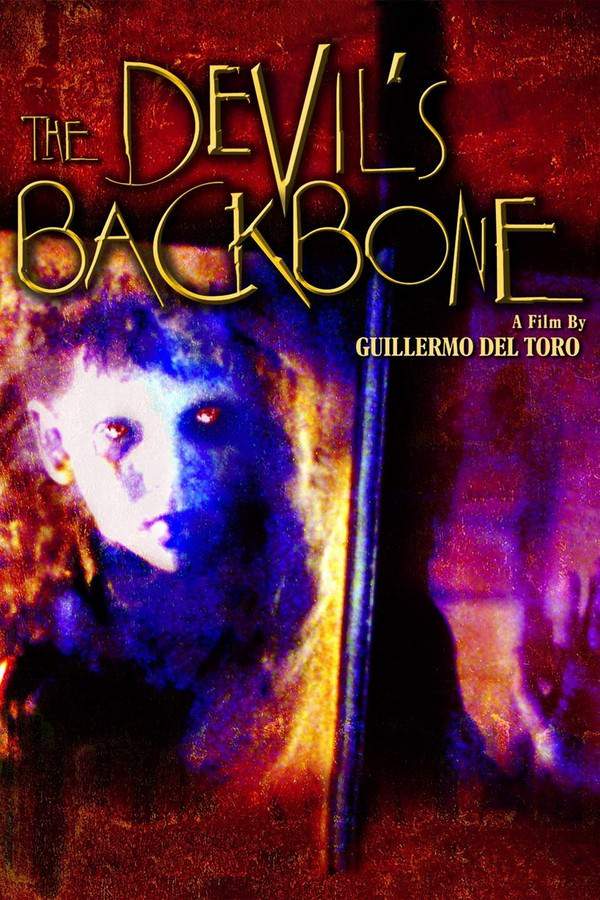
The Devil's Backbone (2001) Ending Explained & Film Insights
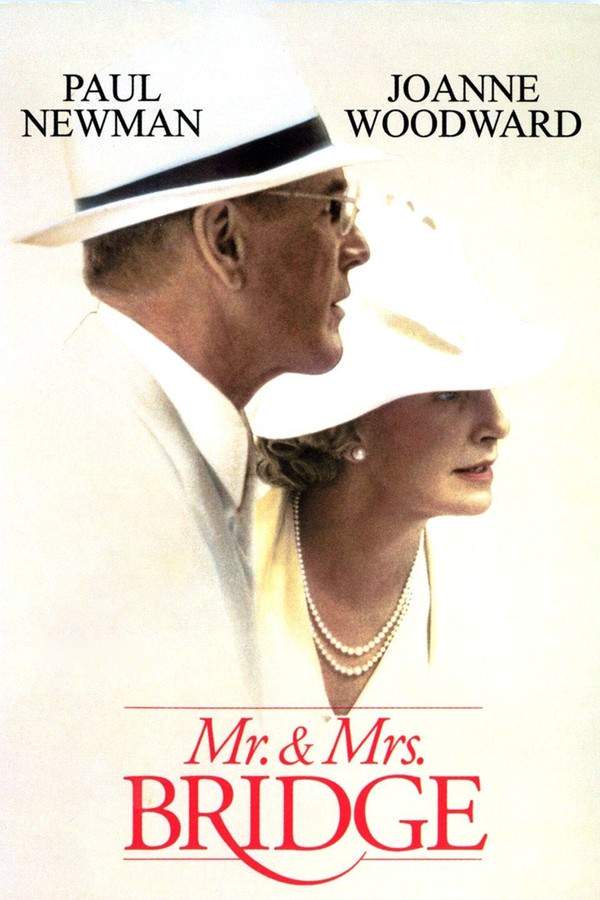
Mr. & Mrs. Bridge (1990) Spoiler-Packed Plot Recap
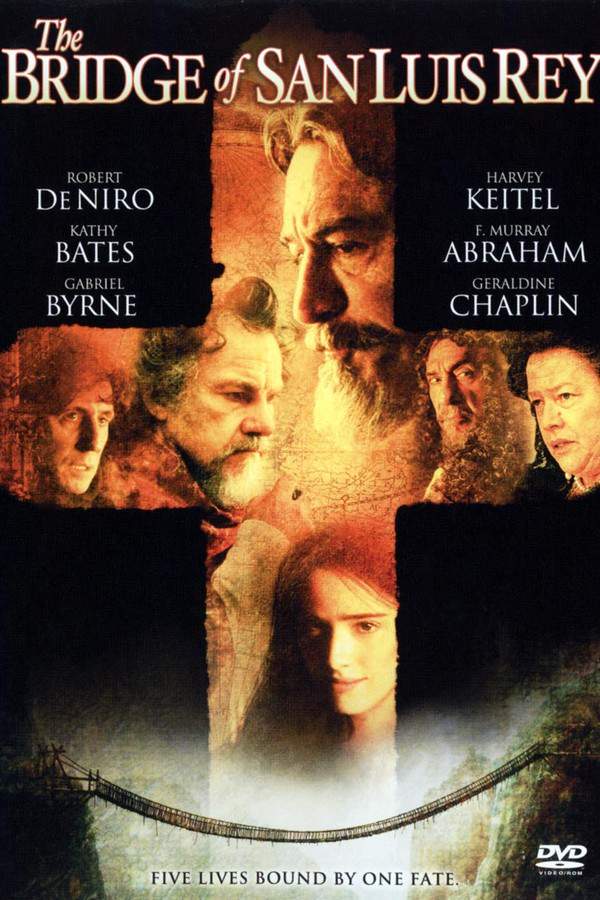
The Bridge of San Luis Rey (2005) Full Summary & Key Details
Liquid Bridge (2003) Ending Explained & Film Insights
The Night of the Sunflowers (2006) Detailed Story Recap
The Night the Bridge Fell Down (1980) Plot Summary & Ending Explained
Blood Wedding (1981) Film Overview & Timeline
Los confines (1987) Full Summary & Key Details
Bridge to Silence (1989) Story Summary & Characters
The Sky, the Earth and the Rain (2008) Movie Recap & Themes
El relicario (1970) Ending Explained & Film Insights
The Rock of Souls (1943) Complete Plot Breakdown
The River and Death (1954) Plot Summary & Ending Explained
The Girl on the Bridge (1951) Spoiler-Packed Plot Recap
Camino del infierno (1945) Full Movie Breakdown