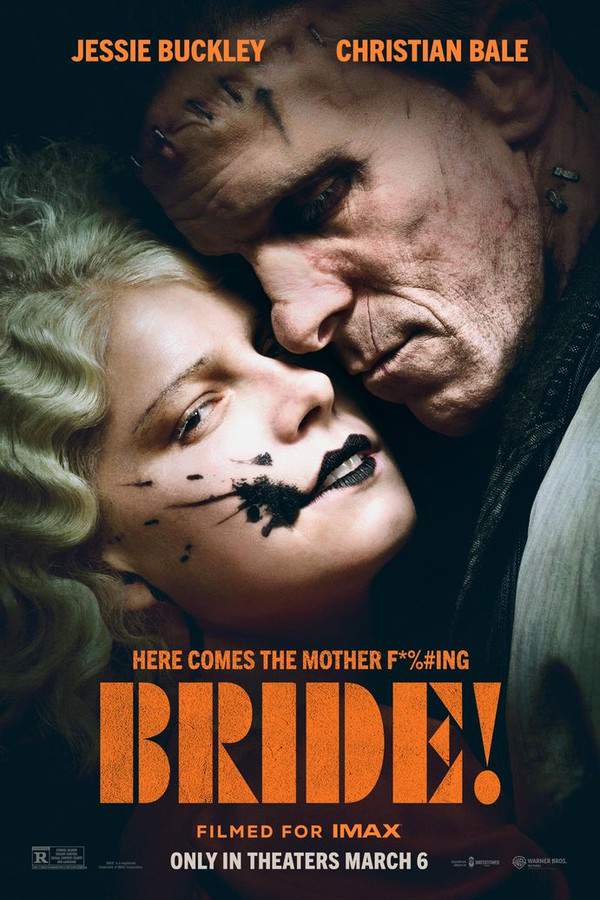
The Bride!
 #619 53
 Year: 2026
Runtime: 2 h 6 m
Language: english
Director: Maggie Gyllenhaal
Echo Score: 69Budget: $80M
In 1930s Chicago, a solitary Frankenstein (Christian Bale) seeks the help of avant‑garde scientist Dr. Euphronious (Annette Bening) to fashion a companion. Their experiment revives a murdered young woman, who becomes The Bride (Jessie Buckley). The resulting saga spirals into murder, possession and a cultural movement that exceeds expectations.
Where to Watch The Bride!?
Find where to stream, rent, or buy The Bride! (2026) in the US with current JustWatch availability, up-to-date pricing, and platform listings for subscription, rental, and digital purchase options.









Warning: spoilers below!
Haven’t seen The Bride! yet? This summary contains major spoilers. Bookmark the page, watch the movie, and come back for the full breakdown. If you're ready, scroll on and relive the story!
The Bride! (2026) – Ending Explained & Final Scene Breakdown
Still thinking about how The Bride! (2026) ended? Here’s a full breakdown of the ending, key final moments, major twists, and the deeper meaning behind the film’s conclusion.
The conclusion of The Bride! serves as an explosive reinforcement of its central themes regarding female autonomy and rage. After a chaotic flight from the law, Frankenstein proposes to the Bride, hoping to cement their bond. However, in a defining moment of self-assertion, she rejects him with the phrase “I’d prefer not to,” a sentiment borrowed from Herman Melville’s Bartleby, the Scrivener that signifies passive resistance against dominance. This refusal is not born of cruelty but of a desire to remain an independent entity rather than becoming a "wife." Tragically, moments after this declaration, Frankenstein is gunned down by the police. The Bride rushes his lifeless body back to Dr. Euphronious, begging for his resurrection, only to be met with a hail of bullets herself, leaving both monsters dead on the floor.
However, the film offers a sliver of hope amidst the carnage. Detective Mallow, recognizing the injustice she has witnessed, clears the lab, giving Dr. Euphronious and her maid a moment of privacy. As the police wait outside, a boom resonates from the house and the lab lights flash, signaling the return of the spark. The final frames reveal the Bride’s hand twitching, followed by Frankenstein’s, as they clasp one another in solidarity. This ambiguous resurrection suggests that while society may destroy those who defy it, the spirit of rebellion—and the love between these two outcasts—cannot be extinguished so easily.
Underpinning these events is the presence of Mary Shelley, who functions as a vengeful spirit possessing the Bride’s vessel. The film frames the Bride not just as a reanimated corpse, but as a conduit for Shelley’s suppressed anger against a patriarchal society that silences women. This rage manifests literally in a mid-credits scene where the crime boss Lupino—responsible for the deaths of many women—is found bound and marked with the Bride’s iconic scars. The ending transcends a simple horror conclusion, delivering a message that when women are pushed to the margins and abused, they will inevitably unleash their "monster" side to seek justice, ensuring that their voices—and their rage—finally have the last word.
Last updated: March 16, 2026 at 11:47
The Bride! (2026) Ending Questions Answered – Ending FAQ
Read frequently asked questions about the ending of The Bride! (2026), including final-scene interpretation, twist explanations, character outcomes, and the deeper meaning behind the conclusion. This ending explained FAQ is designed for viewers searching for clear spoiler-heavy answers and ending breakdown insights.
Why does the Bride reject Frankenstein's proposal?
The Bride rejects Frankenstein's proposal with the phrase "I'd prefer not to" as an act of self-assertion and passive resistance against dominance. Rather than becoming a "wife" bound to him, she chooses to remain an independent entity. This reference to Melville's Bartleby the Scrivener underscores her rejection of patriarchal expectations and her refusal to be controlled or possessed, even by the man who gave her life.
Earlier scenes establish the Bride's growing awareness of her own agency and resistance to being controlled.
What happens to Frankenstein at the end of the movie?
Frankenstein is gunned down by the police shortly after the Bride rejects his proposal. He dies in her arms, but his death is not the final word, the film suggests he may be resurrected alongside the Bride when the lab lights flash and their hands twitch in the final moments, offering an ambiguous revival that hints their connection transcends death.
The constant threat of capture or death runs throughout the film, building toward this tragic conclusion.
Does the Bride die at the end?
Yes, the Bride is also gunned down by police shortly after Frankenstein dies, leaving both monsters dead on the lab floor. However, the ending is ambiguous, the lab lights flash, her hand twitches, and she reaches for Frankenstein's hand, suggesting an unexplained resurrection or return of the spark that brought her to life.
The film's title and premise establish that death is not necessarily permanent for these creations.
What does the final scene with the hands clasping mean?
The final scene shows the Bride's hand twitching followed by Frankenstein's, as they reach for each other and clasp hands in solidarity. This ambiguous resurrection suggests that while society may destroy those who defy it, the love between these two outcasts, and the spirit of rebellion, cannot be extinguished. It offers a twisted hope despite the tragic deaths that preceded it.
Their connection has been built throughout the film, with the Bride initially dependent on Frankenstein but gradually asserting her own identity.
Who is Mary Shelley and what is her role in the ending?
Mary Shelley functions as a vengeful spirit possessing the Bride's vessel throughout the film. The Bride is not merely a reanimated corpse but a conduit for Shelley's suppressed anger against a patriarchal society that silences women. This possession explains the Bride's rage and her eventual role as an avenging force, particularly in the mid-credits scene where Lupino is found marked with the Bride's scars.
The meta-narration elements and references to Shelley's own story of Frankenstein hint at her presence throughout.
What is the mid-credits scene with Lupino about?
The mid-credits scene reveals crime boss Lupino, responsible for the deaths of many women, bound and marked with the Bride's iconic scars. This signifies that the Bride, as a conduit for Mary Shelley's vengeance, has delivered justice to her abuser. It delivers the message that when women are pushed to the margins and abused, they will unleash their "monster" side to seek justice.
Lupino was established as a villain who mistreated women throughout the film.
Why does Detective Mallow help Dr. Euphronious at the end?
Detective Mallow, having witnessed the injustice inflicted upon the Bride and recognizing the persecution the creatures faced, clears the lab and gives Dr. Euphronious and her maid a moment of privacy. This act suggests Mallow's moral recognition that the authorities' pursuit of the Bride and Frankenstein was unjust, allowing the final ambiguous resurrection to occur away from the prying eyes of law enforcement.
Mallow's investigation throughout the film has shown her witnessing the brutal treatment of the Bride.
What does the ending say about the Bride's legacy?
The ending transcends a simple horror conclusion by delivering a message about female rage and resistance. The Bride's actions and death inspire a cultural movement. Her persecutors face justice (Lupino's fate), and her spirit cannot be extinguished. The message is that when women are silenced and abused, they will find ways to make their voices heard, even through vengeance, ensuring their rage has the last word.
The Bride's transformation from passive creation to active avenger has been building throughout the narrative.
What do the flashing lab lights at the end signify?
As the police wait outside and Detective Mallow grants privacy, a boom resonates from the house and the lab lights flash. This signals the return of the spark that originally reanimated the Bride, the same mysterious force that brought her to life. It suggests the experiment has been repeated or reversed, potentially resurrecting both the Bride and Frankenstein in an ambiguous, hopeful conclusion.
The original reanimation scene established the lab lights and electrical spark as the source of the Bride's life.

Explore Movie Threads
Discover curated groups of movies connected by mood, themes, and story style. Browse collections built around emotion, atmosphere, and narrative focus to easily find films that match what you feel like watching right now.
Gothic horror romance movies like The Bride!
Love stories born from darkness, obsession, and monstrous creation. If you liked the dark romantic core of The Bride!, explore these movies that blend gothic atmosphere, tragic love stories, and monstrous identities. Discover similar tales of forbidden passion and supernatural relationships.
Gothic
1986
Dracula
2026
Bram Stoker's Dracula
1992

1920: Horrors of the Heart
2023

The Black Torment
1964
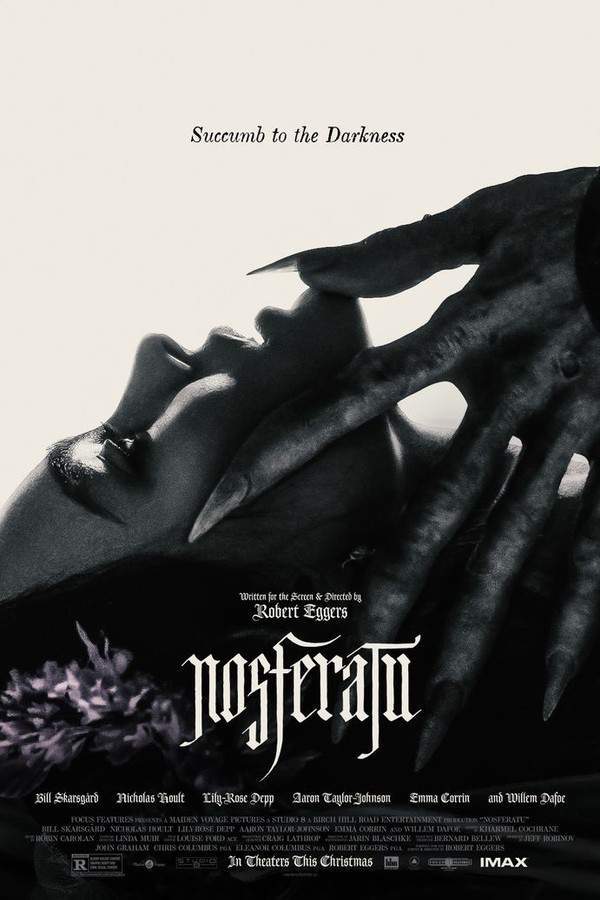
Nosferatu
2024
The Bride!
2026
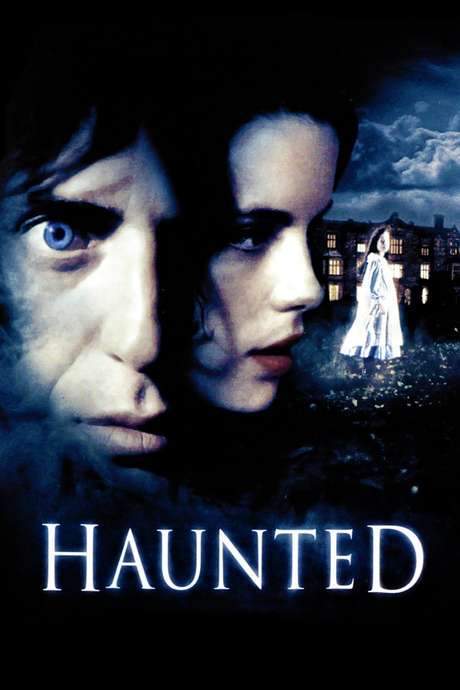
Haunted
1995

Nosferatu
1922

The Phantom of the Opera
1000

Dracula’s Widow
1988
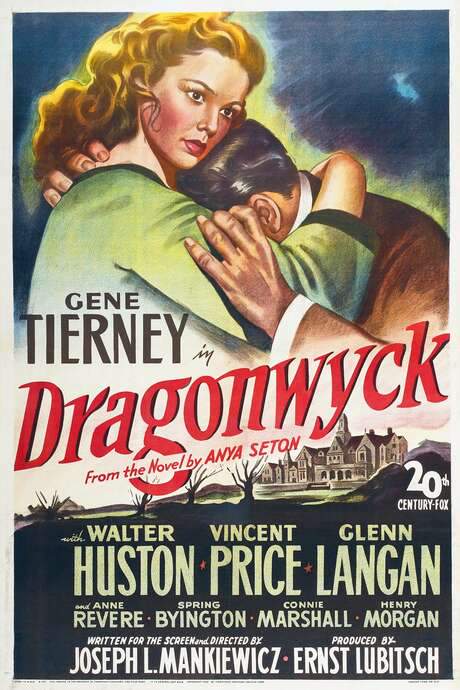
Dragonwyck
1946

Spiritual Love
1987

Dracula: The Dark Prince
2013
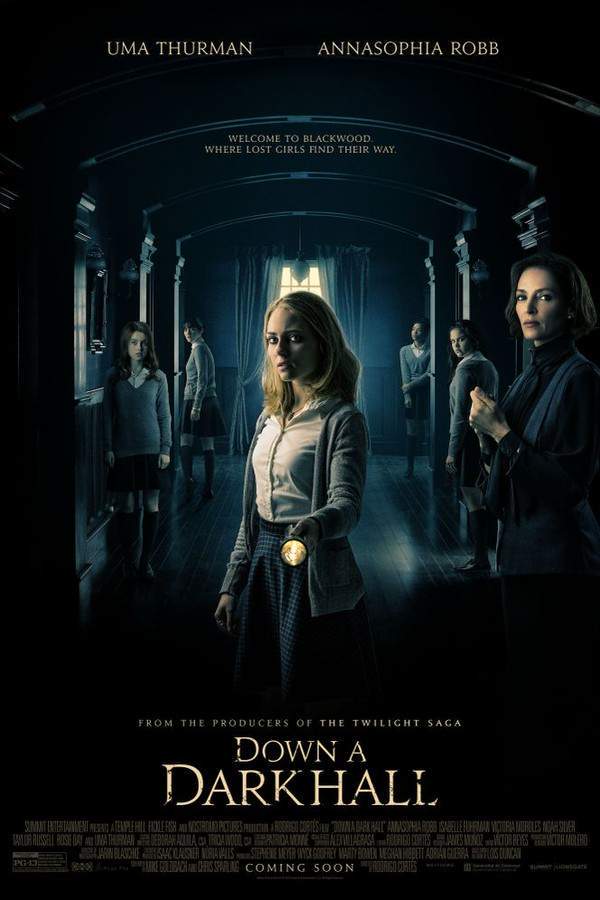
Down a Dark Hall
2018
Narrative Summary
These narratives typically follow a central, unconventional romance that defies natural order, often beginning with a scientific or supernatural creation. The relationship is intense and all-consuming, but is threatened by external persecution, internal flaws, or the very nature of its unnatural origin, leading toward a tragic or bittersweet conclusion.
Why These Movies?
They are grouped by their core combination of gothic atmosphere, horror elements, and a central, emotionally heavy romance. They share a dark tone, high emotional weight, and explore themes of loneliness, identity, and the price of forbidden love.
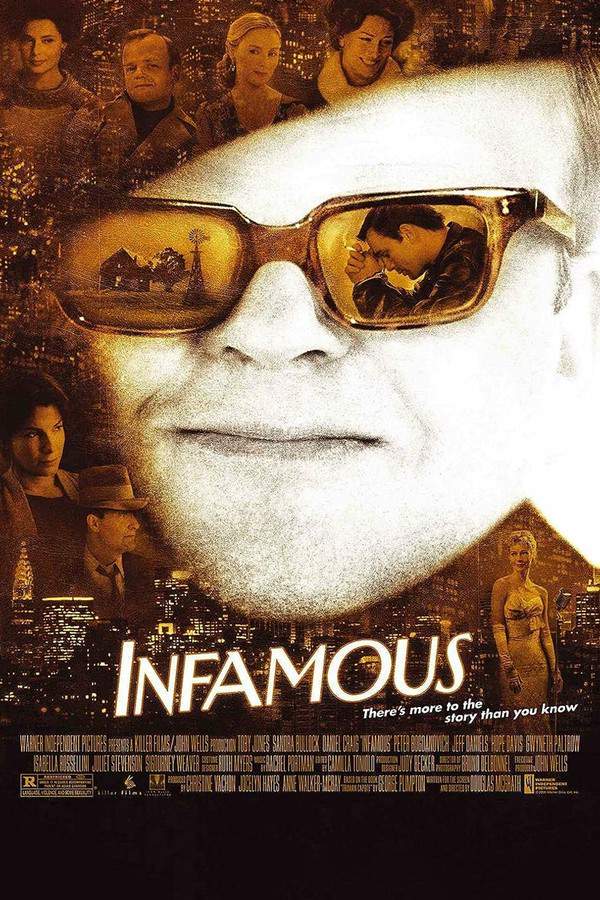
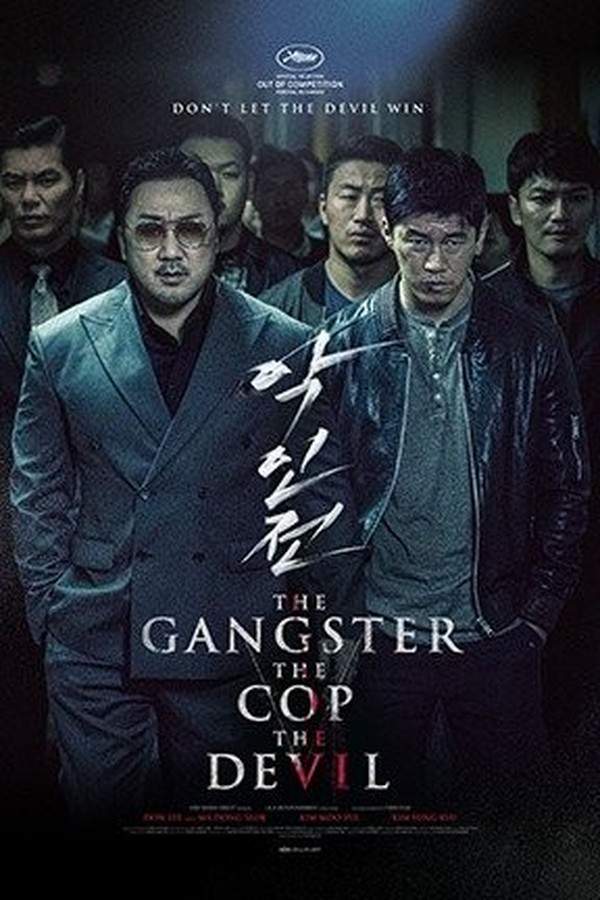
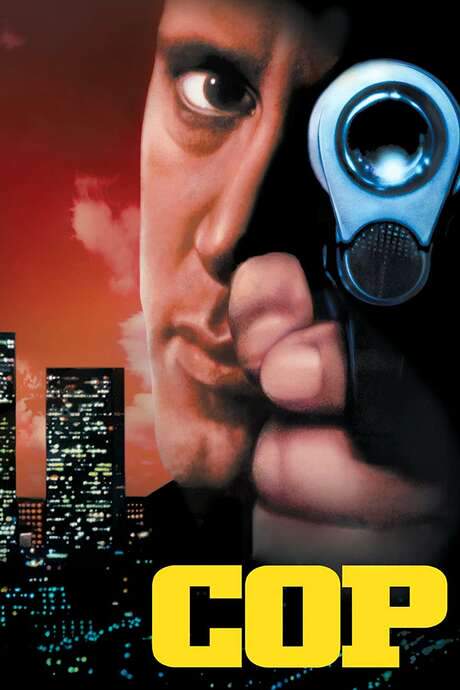
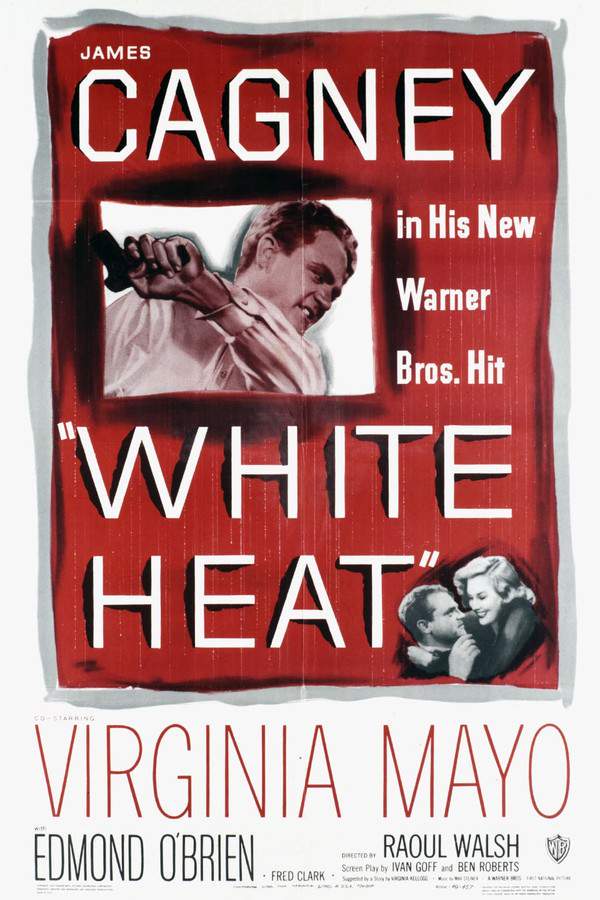
Movies with violent crime sprees and media frenzies like The Bride!
Violent journeys that captivate the public and spiral out of control. Fans of The Bride!'s chaotic second act will enjoy these movies about violent crime sprees that ignite media frenzies and public obsession. Find similar fast-paced stories of outlaws on the run and the cultural movements they inspire.

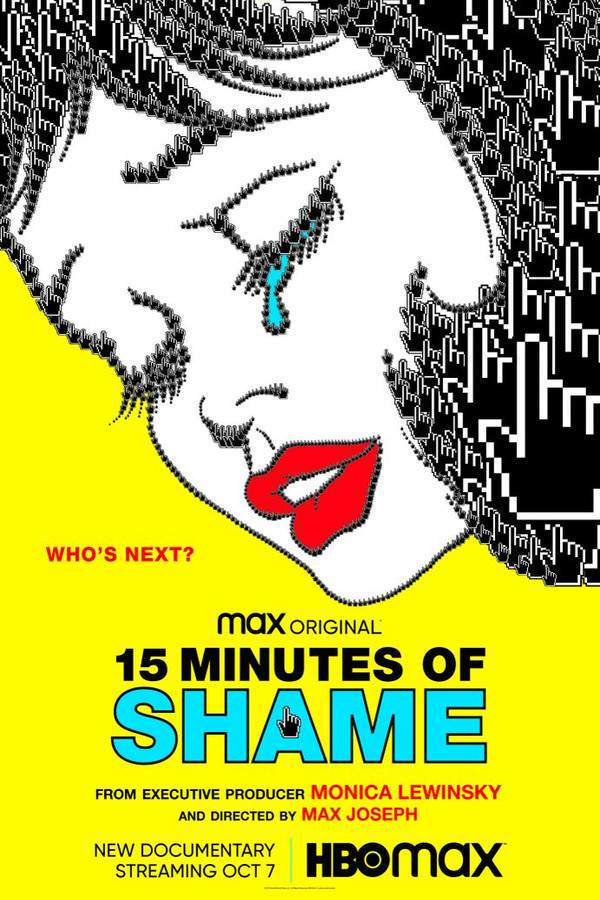
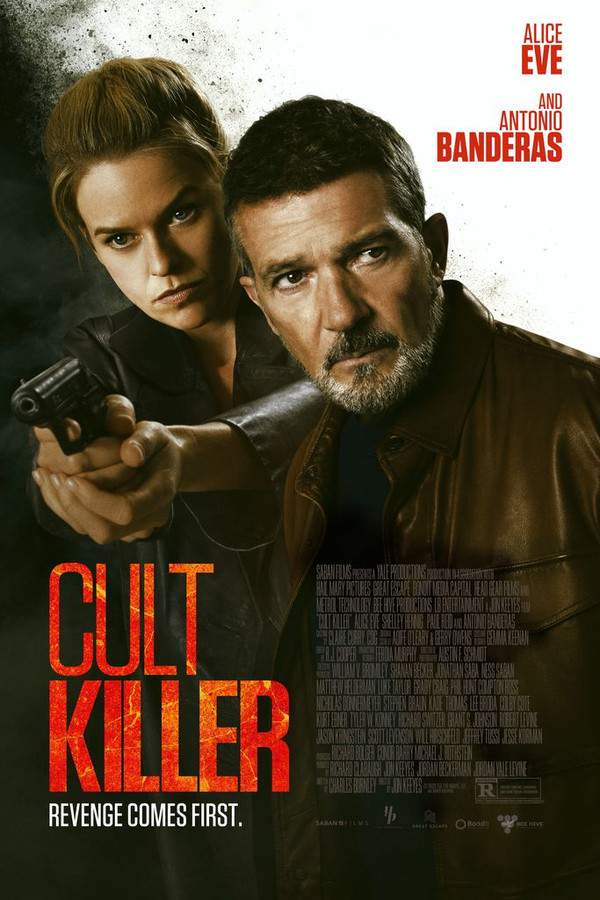
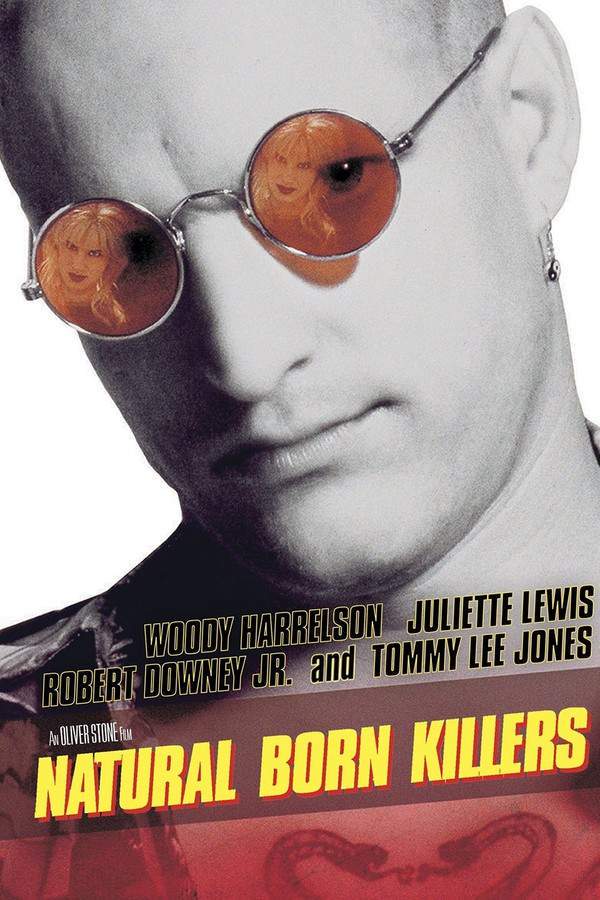
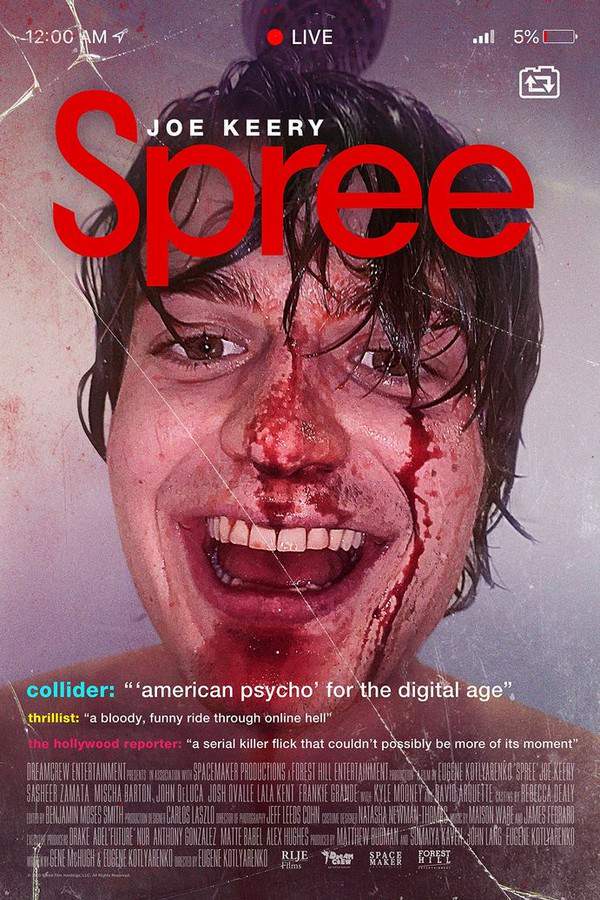

Narrative Summary
The plot follows characters, often outcasts or victims, who embark on a violent journey across a period setting. Their actions, driven by desperation, revenge, or a twisted sense of freedom, are amplified by the media, creating a public spectacle. The pacing is relentless, building toward a violent and often doomed confrontation.
Why These Movies?
They share a fast pace, high intensity, and a dark tone centered on violent crime. The key unifying element is the meta-narrative of the crime spree captivating the public and creating a media circus, often set against a distinct historical backdrop.
Unlock the Full Story of The Bride!
Don't stop at just watching - explore The Bride! in full detail. From the complete plot summary and scene-by-scene timeline to character breakdowns, thematic analysis, and a deep dive into the ending - every page helps you truly understand what The Bride! is all about. Plus, discover what's next after the movie.
The Bride! Summary
Read a complete plot summary of The Bride!, including all key story points, character arcs, and turning points. This in-depth recap is ideal for understanding the narrative structure or reviewing what happened in the movie.

The Bride! Timeline
Track the full timeline of The Bride! with every major event arranged chronologically. Perfect for decoding non-linear storytelling, flashbacks, or parallel narratives with a clear scene-by-scene breakdown.

Characters, Settings & Themes in The Bride!
Discover the characters, locations, and core themes that shape The Bride!. Get insights into symbolic elements, setting significance, and deeper narrative meaning - ideal for thematic analysis and movie breakdowns.


