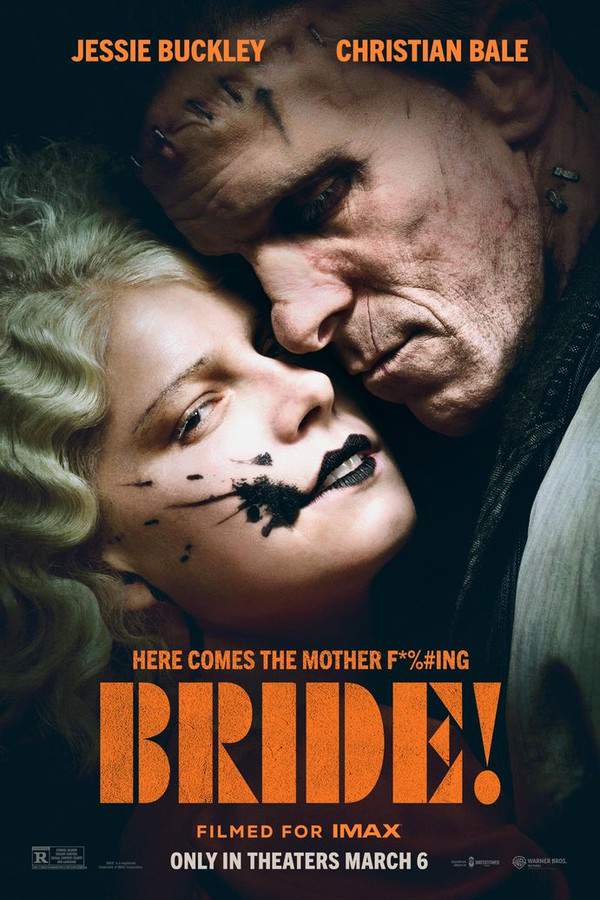
The Bride!
 #619 53
 Year: 2026
Runtime: 2 h 6 m
Language: english
Director: Maggie Gyllenhaal
Echo Score: 69Budget: $80M
In 1930s Chicago, a solitary Frankenstein (Christian Bale) seeks the help of avant‑garde scientist Dr. Euphronious (Annette Bening) to fashion a companion. Their experiment revives a murdered young woman, who becomes The Bride (Jessie Buckley). The resulting saga spirals into murder, possession and a cultural movement that exceeds expectations.
Where to Watch The Bride!?
Find where to stream, rent, or buy The Bride! (2026) in the US with current JustWatch availability, up-to-date pricing, and platform listings for subscription, rental, and digital purchase options.









Warning: spoilers below!
Haven’t seen The Bride! yet? This summary contains major spoilers. Bookmark the page, watch the movie, and come back for the full breakdown. If you're ready, scroll on and relive the story!
The Bride! (2026) – Full Plot Summary & Ending Explained
Read the complete plot breakdown of The Bride! (2026), including all key story events, major twists, and the ending explained in detail. Discover what really happened, and what it all means.
From the afterlife, Mary Shelley explains that she has a story she wanted to tell after Frankenstein but could not due to her death. To tell it, she possesses Ida, Jessie Buckley, a woman living in 1936 Chicago, who in her trance proceeds to discuss the criminal activities of crime boss Lupino. Lupino's henchmen Clyde and James discreetly kill her afterward.
Elsewhere in Chicago, Frankenstein's monster, AKA "Frank" Christian Bale arrives at the house of scientist Dr. Cornelia Euphronius, Annette Bening. Having read about Euphronius' work on reanimation, he enlists her to create a companion for him after a century of loneliness. Euphronius and Frank choose Ida's corpse and successfully revive her, but she loses her memory in the process. Frank takes advantage of this and states that she is his Bride and lost her memory in an accident, which she accepts.
Frank and the Bride go to the cinema to see a movie featuring Frank's favorite actor Ronnie Reed, Jake Gyllenhaal, and then go dancing at a club. As they leave, two men harass the Bride and Frank retaliates by killing them. He tells the Bride to leave him, but she decides to live life as a runaway with him. They stow away in a train to New York City, killing a security officer who finds them as the train passes through Indiana. Meanwhile, Detective Jake Wiles, Peter Sarsgaard, and his assistant Myrna Malloy, Penélope Cruz, investigate the murders and eventually follow them to New York.
Frank and the Bride cause chaos in a screening of Revolt of the Zombies and then seek refuge from the police and an angry mob at a high-class party. Frank runs into Ronnie Reed and expresses his adoration, but is dismissed. Detective Wiles and the police arrive at the party, but fall back when the Bride briefly holds Reed at gunpoint. Wiles recognizes her real identity as Ida. The Bride and Frank kill a police officer, hot-wire a car, and manage to escape the city.
The Bride and Frank's crime spree becomes well-publicized and Lupino recognizes her in a newspaper. He executes James for failing to silence her and dispatches Clyde to kill her again. Meanwhile, Malloy makes a connection between reports of murders/sightings of the pair in cities where Reed's films were set. This prompts Malloy and Wiles to travel to Niagara Falls where they find the couple just as Frank asks the Bride to marry him. Wiles confronts the Bride and informs her of her true identity as Ida. She injures him in response. As Frank and the Bride flee, Frank admits that he was deceptive toward her in the beginning and conveys that he actually did not know who she was before she died, and she forgives him.
Wiles explains to Malloy that he and Ida were planning to take down Lupino and expresses guilt that his inaction led to her death. He decides to retire and promotes Malloy as his replacement. Malloy tracks Frank and the Bride to a drive-in theater in Illinois. At the same time, Clyde arrives and fatally shoots Frank in the head. The Bride escapes with Frank's body and returns to Euphronius' laboratory, unaware that Malloy is following her. Euphronius declares that she is incapable of reviving Frank. Clyde breaks into the laboratory and fatally shoots the Bride before leaving. The police arrive before Malloy orders them to search for Clyde, leaving Euphronius with the Bride and Frank's corpses. Seemingly possessed by Shelley's spirit, Euphronius decides to revive the couple. Outside, the police arrest Clyde for killing the Bride and Frank. Malloy sees bright lights shine from the laboratory. Inside, the revived corpses hold hands.
During the credits, Lupino is apprehended by Wiles and the female rioters who were inspired by the Bride's rants.
Last updated: April 05, 2026 at 17:04
The Bride! (2026) Plot Questions Answered – Summary FAQ
Explore frequently asked questions about The Bride! (2026) with spoiler-rich answers covering the full plot summary, major story beats, character motivations, hidden details, and ending meaning. This movie summary FAQ helps explain confusing scenes, plot twists, and narrative decisions in clear, searchable detail.
Why did Frank lie to the Bride about who she was?
Frank lied to the Bride because she woke up with no memory of her past life after being revived. He took advantage of her blank slate and claimed she was his Bride who lost her memory in an accident. This allowed him to manipulate her into staying with him rather than revealing that she was actually a stranger named Ida whose corpse he had used for the experiment.
Earlier, Euphronius warns that the revived person may experience memory loss, giving Frank the opportunity to shape the Bride's reality.
How did detectives Wiles and Malloy track down Frank and the Bride?
Detective Wiles and Malloy connected the murders to Ronnie Reed's films after noticing that crimes occurred in cities where Reed's movies were being screened. Malloy made the connection that Frank was obsessed with the actor, so wherever Reed's films were shown, the couple would appear. This led them to Niagara Falls and eventually to a drive-in theater in Illinois.
Early on, Frank takes the Bride to see a Ronnie Reed film and later causes chaos at a screening of 'Revolt of the Zombies', establishing his obsession with the actor.
Why did the Bride forgive Frank after learning he deceived her?
The Bride forgave Frank because despite his initial deception, she recognized that their time together had been genuine. When Frank admitted he did not know who she was before she died, she understood he had been lonely for a century and feared losing her. Their shared experiences throughout the crime spree had created a real bond that transcended the lie.
Throughout their journey, the Bride chooses to stay with Frank even after seeing him kill, demonstrating her emotional investment in their relationship.
Why did Lupino want Ida killed?
Lupino wanted Ida killed because she possessed knowledge of his criminal activities. Mary Shelley, possessing Ida in 1936, had described Lupino's underworld operations and the identities of his henchmen Clyde and James. When Ida's corpse was revived as the Bride and became famous through the news, Lupino recognized her and realized she could expose his crimes. He executed James for failing to silence her and sent Clyde to finish the job.
The frame story establishes that Shelley inhabits Ida specifically to expose Lupino's crimes, setting up the vendetta.
Why did the Bride decide to stay with Frank after he killed people?
The Bride decided to live as a runaway with Frank after witnessing him kill two men who harassed her outside the club. Rather than abandoning him, she chose to embrace a life on the run, showing her willingness to accept Frank's violent nature. This decision set them on their cross-country crime spree.
Frank tells the Bride to leave him after the killings, but she responds by deciding to live life as a runaway with him, indicating her own alignment with his world.
What happened at the drive-in theater in Illinois?
At the drive-in theater in Illinois, Detective Malloy tracked down Frank and the Bride. As they attempted to flee, Clyde arrived and fatally shot Frank in the head. The Bride escaped with Frank's body and fled to Dr. Euphronius's laboratory, with Malloy following her. This marked the violent climax where both central characters are killed.
Malloy had been promoted to lead the case and was personally invested in capturing the couple, making the drive-in confrontation inevitable.
Why did Dr. Euphronius revive Frank and the Bride at the end?
Dr. Euphronius revived the couple after being seemingly possessed by Mary Shelley's spirit. Earlier, Shelley had explained she came to tell a story that Frankenstein never told, and she used Ida as a vessel to tell it. At the climax, with both corpses before her, Euphronius appears compelled by Shelley's narrative purpose to give the monstrous romance a twisted resurrection.
The frame story establishes Mary Shelley's driving narrative goal: to tell this specific story about the Bride, making her intervention at the end thematically necessary.
How did Detective Wiles recognize the Bride as Ida?
Detective Wiles recognized the Bride as Ida because he had known her before her death. He reveals that he and Ida were planning to take down Lupino together, and he feels guilt that his inaction led to her murder. At the Niagara Falls confrontation, he tells her she is really Ida, attempting to restore her true identity.
The investigation connects the crimes to Ida's past, and Wiles' personal knowledge of her provides the key to her identity reveal.
What cultural movement did the Bride inspire?
The Bride inspired a movement of female rioters who were galvanized by her rants and violent resistance against authority. During the credits, these inspired women help Wiles apprehend Lupino, ensuring the crime boss finally faces justice. The Bride's defiance became a symbol that outlived her death.
The Bride's notoriety and front-page news coverage throughout her crime spree established her as a public figure whose actions reverberated beyond her immediate story.
What was Mary Shelley's role in the story?
Mary Shelley serves as the frame narrator who explains she has a story to tell after her death that she could not tell during her life. She possesses Ida in 1936 Chicago to recount the tale of Frankenstein's monster and his Bride, using Ida as a vessel to expose Lupino's crimes while setting up the events that lead to reanimation and the monstrous romance.
The opening frame establishes Shelley as the authorial presence guiding the entire narrative, explaining why the story is being told at all.
Ending Explained – What Happens at the End of The Bride!?
Still wondering what the ending of The Bride! (2026) really means? Here’s a spoiler-heavy breakdown of the final scene, major twists, and the deeper themes that shape the film’s conclusion.
The conclusion of The Bride! serves as an explosive reinforcement of its central themes regarding female autonomy and rage. After a chaotic flight from the law, Frankenstein proposes to the Bride, hoping to cement their bond. However, in a defining moment of self-assertion, she rejects him with the phrase “I’d prefer not to,” a sentiment borrowed from Herman Melville’s Bartleby, the Scrivener that signifies passive resistance against dominance. This refusal is not born of cruelty but of a desire to remain an independent entity rather than becoming a "wife." Tragically, moments after this declaration, Frankenstein is gunned down by the police. The Bride rushes his lifeless body back to Dr. Euphronious, begging for his resurrection, only to be met with a hail of bullets herself, leaving both monsters dead on the floor.
However, the film offers a sliver of hope amidst the carnage. Detective Mallow, recognizing the injustice she has witnessed, clears the lab, giving Dr. Euphronious and her maid a moment of privacy. As the police wait outside, a boom resonates from the house and the lab lights flash, signaling the return of the spark. The final frames reveal the Bride’s hand twitching, followed by Frankenstein’s, as they clasp one another in solidarity. This ambiguous resurrection suggests that while society may destroy those who defy it, the spirit of rebellion—and the love between these two outcasts—cannot be extinguished so easily.
Underpinning these events is the presence of Mary Shelley, who functions as a vengeful spirit possessing the Bride’s vessel. The film frames the Bride not just as a reanimated corpse, but as a conduit for Shelley’s suppressed anger against a patriarchal society that silences women. This rage manifests literally in a mid-credits scene where the crime boss Lupino—responsible for the deaths of many women—is found bound and marked with the Bride’s iconic scars. The ending transcends a simple horror conclusion, delivering a message that when women are pushed to the margins and abused, they will inevitably unleash their "monster" side to seek justice, ensuring that their voices—and their rage—finally have the last word.
Last updated: March 16, 2026 at 11:47

Explore Movie Threads
Discover curated groups of movies connected by mood, themes, and story style. Browse collections built around emotion, atmosphere, and narrative focus to easily find films that match what you feel like watching right now.
Gothic horror romance movies like The Bride!
Love stories born from darkness, obsession, and monstrous creation. If you liked the dark romantic core of The Bride!, explore these movies that blend gothic atmosphere, tragic love stories, and monstrous identities. Discover similar tales of forbidden passion and supernatural relationships.
Gothic
1986
Dracula
2026
Bram Stoker's Dracula
1992

1920: Horrors of the Heart
2023

The Black Torment
1964
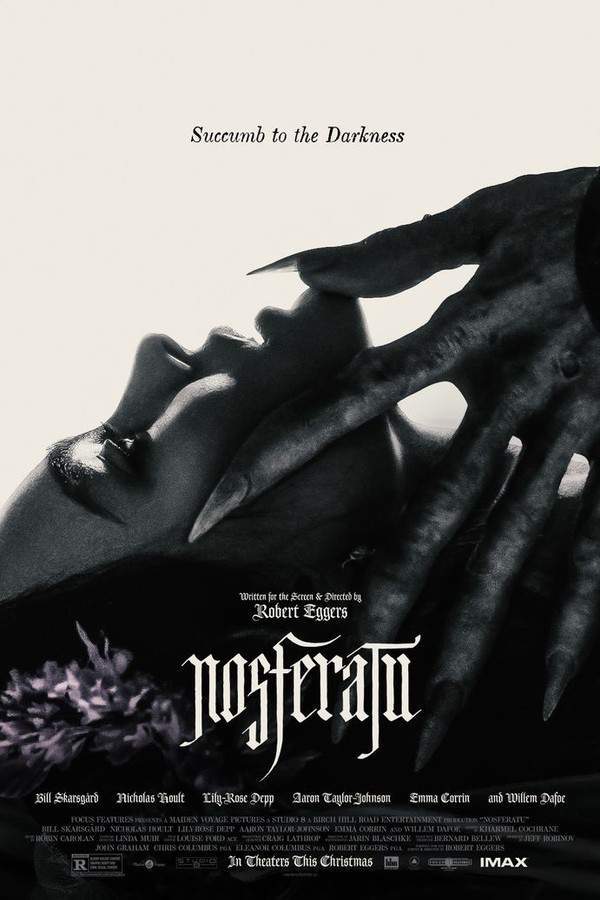
Nosferatu
2024
The Bride!
2026
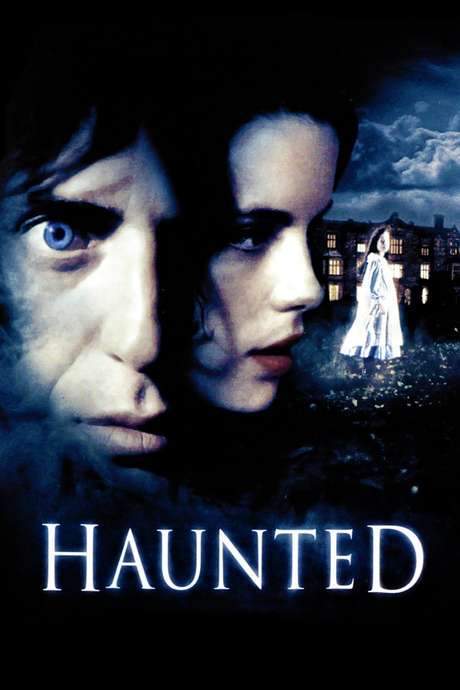
Haunted
1995

Nosferatu
1922

The Phantom of the Opera
1000

Dracula’s Widow
1988
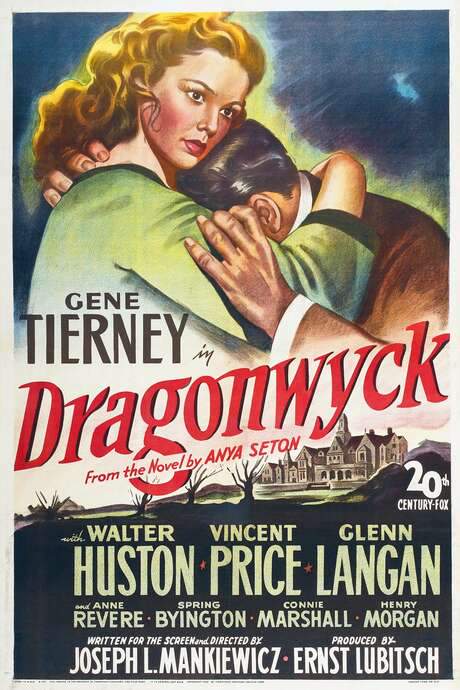
Dragonwyck
1946

Spiritual Love
1987

Dracula: The Dark Prince
2013
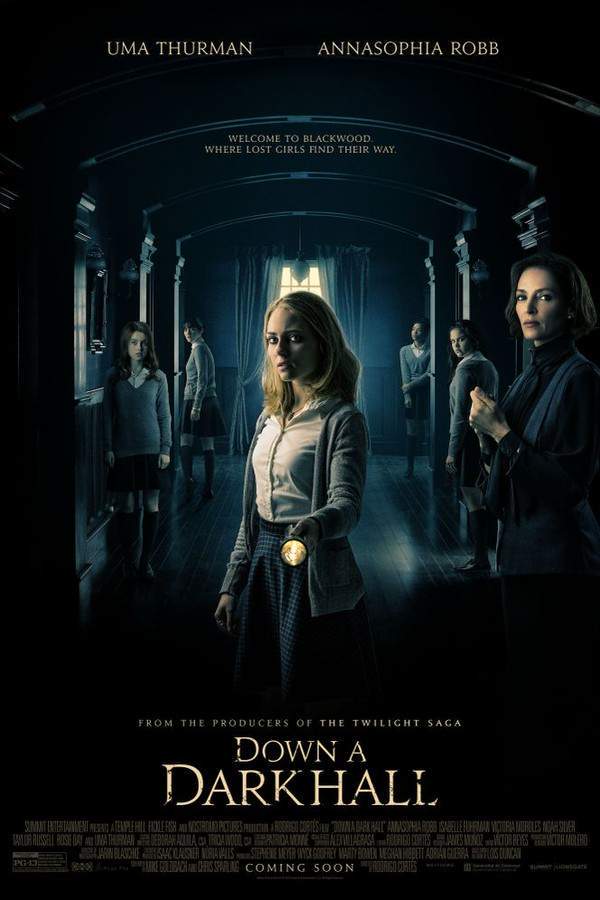
Down a Dark Hall
2018
Narrative Summary
These narratives typically follow a central, unconventional romance that defies natural order, often beginning with a scientific or supernatural creation. The relationship is intense and all-consuming, but is threatened by external persecution, internal flaws, or the very nature of its unnatural origin, leading toward a tragic or bittersweet conclusion.
Why These Movies?
They are grouped by their core combination of gothic atmosphere, horror elements, and a central, emotionally heavy romance. They share a dark tone, high emotional weight, and explore themes of loneliness, identity, and the price of forbidden love.
Movies with violent crime sprees and media frenzies like The Bride!
Violent journeys that captivate the public and spiral out of control. Fans of The Bride!'s chaotic second act will enjoy these movies about violent crime sprees that ignite media frenzies and public obsession. Find similar fast-paced stories of outlaws on the run and the cultural movements they inspire.


Narrative Summary
The plot follows characters, often outcasts or victims, who embark on a violent journey across a period setting. Their actions, driven by desperation, revenge, or a twisted sense of freedom, are amplified by the media, creating a public spectacle. The pacing is relentless, building toward a violent and often doomed confrontation.
Why These Movies?
They share a fast pace, high intensity, and a dark tone centered on violent crime. The key unifying element is the meta-narrative of the crime spree captivating the public and creating a media circus, often set against a distinct historical backdrop.
Unlock the Full Story of The Bride!
Don't stop at just watching - explore The Bride! in full detail. From the complete plot summary and scene-by-scene timeline to character breakdowns, thematic analysis, and a deep dive into the ending - every page helps you truly understand what The Bride! is all about. Plus, discover what's next after the movie.
The Bride! Timeline
Track the full timeline of The Bride! with every major event arranged chronologically. Perfect for decoding non-linear storytelling, flashbacks, or parallel narratives with a clear scene-by-scene breakdown.

Characters, Settings & Themes in The Bride!
Discover the characters, locations, and core themes that shape The Bride!. Get insights into symbolic elements, setting significance, and deeper narrative meaning - ideal for thematic analysis and movie breakdowns.

The Bride! Ending Explained
What really happened at the end of The Bride!? This detailed ending explained page breaks down final scenes, hidden clues, and alternate interpretations with expert analysis and viewer theories.