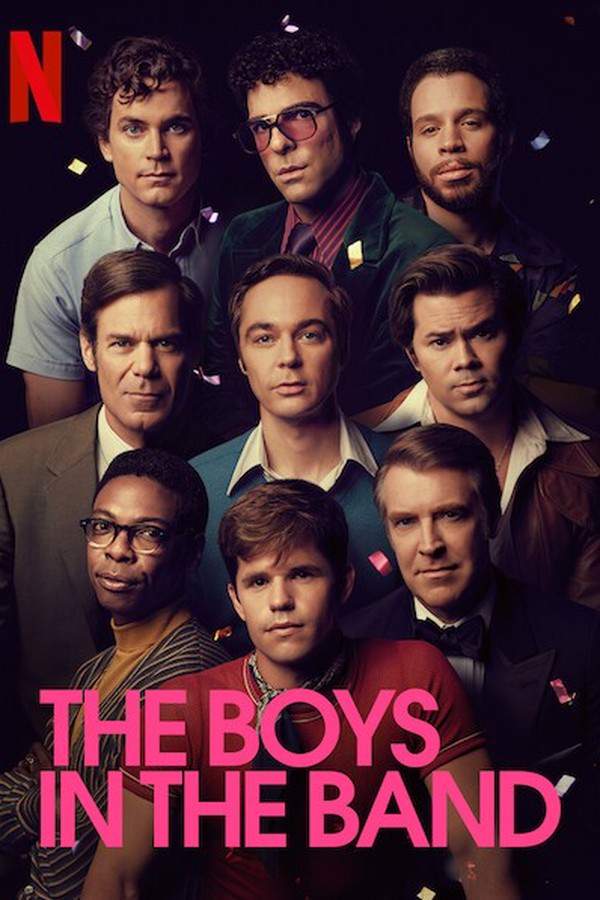
The Boys in the Band

During the 1960s in New York City, a group of close friends, all gay men, plan an intimate gathering. However, the unexpected arrival of a guest disrupts the evening, forcing them to confront long-held secrets and unspoken tensions. As the night progresses, the carefully constructed facade of their camaraderie begins to crumble, revealing vulnerabilities and struggles related to identity and acceptance in a tumultuous era.
Where to Watch The Boys in the Band?
Find where to stream, rent, or buy The Boys in the Band (2020) in the US with current JustWatch availability, up-to-date pricing, and platform listings for subscription, rental, and digital purchase options.


Streaming availability powered by 
Warning: spoilers below!
Haven’t seen The Boys in the Band yet? This summary contains major spoilers. Bookmark the page, watch the movie, and come back for the full breakdown. If you're ready, scroll on and relive the story!
The Boys in the Band (2020) – Ending Explained & Final Scene Breakdown
Still thinking about how The Boys in the Band (2020) ended? Here’s a full breakdown of the ending, key final moments, major twists, and the deeper meaning behind the film’s conclusion.
The ending of The Boys in the Band is intense and emotionally charged, revealing the deep wounds and complexities of the characters. After a night of heavy drinking, harsh words, and emotional explosions, the party begins to disintegrate. Alan, the only straight guest, tries to confound the group with a phone call, leading to a confrontation about sexuality and identity. Michael, overwhelmed by his own pain and self-hatred, becomes increasingly hostile and racist, revealing how his trauma manifests in cruelty towards those he cares about. The anger and frustration boil over, and Michael attempts to force Alan to confess his sexuality, which ends in Alan leaving abruptly, feeling misunderstood and vulnerable.
As everyone else departs one by one, the film closes with Michael alone, reflecting on the turmoil that just unfolded. He utters the haunting line that he still doesn’t understand anything, symbolizing the ongoing confusion and internal conflict that define him and the group. The ending emphasizes how their shared trauma—stemming from a society that rejects and marginalizes them—continues to weigh heavily on their hearts. Despite moments of closeness and affection, there is a persistent undercurrent of pain, shame, and the desire to be accepted for who they truly are. Ultimately, the film leaves viewers with a raw and honest look at a community grappling with identity, fear, and hope—reminding us of how far they’ve come, and how much further they still need to go. The characters’ struggles with appearances, perception, and self-acceptance echo beyond the party, resonating as a powerful commentary on the enduring challenges faced by many in the LGBTQ+ community.
Last updated: June 25, 2025 at 08:58
The Boys in the Band (2020) Ending Questions Answered – Ending FAQ
Read frequently asked questions about the ending of The Boys in the Band (2020), including final-scene interpretation, twist explanations, character outcomes, and the deeper meaning behind the conclusion. This ending explained FAQ is designed for viewers searching for clear spoiler-heavy answers and ending breakdown insights.
Why does Michael attack Alan at the end?
Michael attacks Alan because he's overwhelmed by his own pain and self-hatred. Throughout the night, the accumulated alcohol and emotional tension cause Michael to project his internalize homophobia onto others. When Alan tries to call someone, Michael sees it as an opportunity to force Alan to confess his own sexuality, lashing out cruelly in the process. This moment reveals how Michael's trauma manifests as cruelty towards those closest to him.
Earlier in the evening, Michael's discomfort with Alan's presence and his drinking hint at the emotional breakdown to come.
Why is Michael alone at the end?
Michael ends alone because his destructive behavior drives everyone away. After attacking Alan and revealing his racist and cruel side, the other guests depart one by one. Unlike the other characters who have some form of connection or reconciliation, Michael is left isolated, symbolizing how his internal struggle and self-hatred prevent him from maintaining meaningful relationships.
Michael's insecurity and need to control the party dynamic were evident from the start, setting up his ultimate isolation.
What does Michael mean by not understanding anything?
When Michael says he still doesn't understand anything, he's expressing the ongoing confusion and internal conflict that define him. The line is haunting because it shows that despite the emotionally charged revelations of the night, Michael hasn't gained clarity about his own identity or found peace. It symbolizes the persistent pain, shame, and inability to fully accept himself that characterizes his existence.
Michael's attempts to control the party and his uncomfortable interactions with the other guests hint at his fundamental misunderstanding of himself.
Do Hank and Larry get back together at the end?
Yes, Hank and Larry find reconciliation by the end of the movie. Despite the turmoil of the evening and their own disagreements, the couple leaves together, suggesting their relationship survives the night's emotional chaos. This provides one of the few hopeful notes in an otherwise bittersweet ending.
Throughout the party, Hank and Larry's arguments hint at underlying tension, but their affection for each other remains visible.
Why does Michael become racist during the party?
Michael's racist outburst is a manifestation of his deep-rooted self-hatred and trauma. As his emotional barriers break down from alcohol and confrontation, he channels his internalized pain into cruelty towards others, including directing racist remarks at Emory. This moment reveals how Michael's unresolved shame about his own sexuality spills over into harmful behavior toward other marginalized people, showing the destructive nature of internalized homophobia.
Michael's tense interactions with Emory earlier in the evening hint at underlying tensions that escalate as he loses control.
Why does Alan leave the party abruptly?
Alan leaves because he feels misunderstood and vulnerable after Michael forces him into a corner about his sexuality. Michael's aggressive attempt to make Alan confess his true feelings, using harsh words and accusations, creates an unbearable situation for Alan. The confrontation becomes too intense, and Alan departs feeling attacked and exposed, despite not being fully honest about his own identity.
Alan's earlier phone call and his discomfort being the only straight man among gay friends sets the stage for the confrontation.
What is the movie's message about being gay in 1968?
The movie delivers a raw message about the challenges faced by gay men in 1968: internalized homophobia, shame, and the desire to be accepted despite societal rejection. The ending emphasizes how the characters carry the weight of living in a society that marginalizes them. Their struggles with appearances, perception, and self-acceptance reflect the harsh realities of the era, while the bittersweet conclusion shows both progress and the distance still to go.
The entire setting of a hidden birthday party in 1968 underscores the secrecy and fear of being openly gay.
Is there any hope at the end of the movie?
The ending is bittersweet, some hope exists, but it's qualified. Hank and Larry reconcile and leave together, showing that some relationships can survive the pressure. However, Michael is left alone and unresolved, still struggling with his shame. The film acknowledges both moments of closeness and affection among the group, while emphasizing the persistent undercurrent of pain. Hope exists, but it's tempered by the ongoing struggles the characters face.
The tender moments between characters throughout the party hint at the possibility of connection, even amid conflict.
Why does the birthday party fall apart?
The party falls apart because the carefully constructed facade of camaraderie cannot withstand the pressure of the evening. The arrival of Alan, the only straight guest, forces the group to confront their secrets and unspoken tensions. Heavy drinking lowers inhibitions, leading to harsh words and emotional explosions. Michael's breakdown becomes the catalyst that destroys the party, as his cruelty toward others drives everyone away.
The initial unease at Alan's arrival and the mounting tensions throughout the evening foreshadow the eventual collapse.

Explore Movie Threads
Discover curated groups of movies connected by mood, themes, and story style. Browse collections built around emotion, atmosphere, and narrative focus to easily find films that match what you feel like watching right now.
Claustrophobic Social Dramas like The Boys in the Band
Intense gatherings where social facades crack under pressure in a single location.If you liked the intense, single-location tension of The Boys in the Band, explore more movies where a social gathering becomes a pressure cooker. These films use a confined setting to force confrontations and unravel secrets, creating a raw and often uncomfortable viewing experience focused on character dynamics.









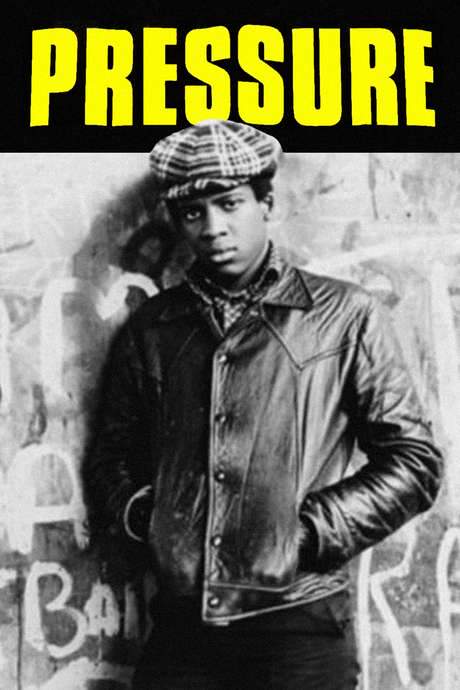

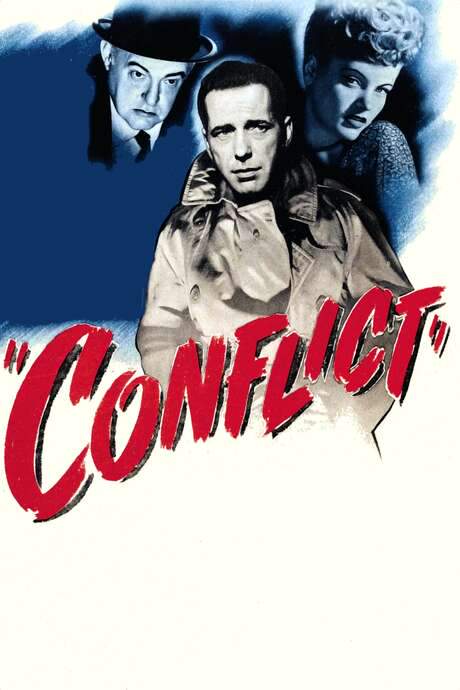


Narrative Summary
Narratives in this thread typically unfold over a short period, often a single evening, within one primary location like an apartment or a dinner party. An inciting incident, such as an unexpected guest, disrupts the equilibrium, leading to a chain reaction of confrontations that expose the characters' vulnerabilities and the truth behind their relationships.
Why These Movies?
These movies are grouped by their shared use of a confined setting to create high emotional intensity. They feature a steady, deliberate pacing that builds tension, a dominant tone of anxiety and confrontation, and a focus on the explosive dynamics that occur when people are trapped together with their secrets.
Movies with Bittersweet Revelations like The Boys in the Band
Emotional journeys where confronting painful secrets leads to a weary resolution.Fans of the heavy emotional weight and bittersweet ending of The Boys in the Band will appreciate these films. They explore characters grappling with painful self-discovery and truth, resulting in endings that feel realistically mixed—offering some closure but also acknowledging lasting scars.

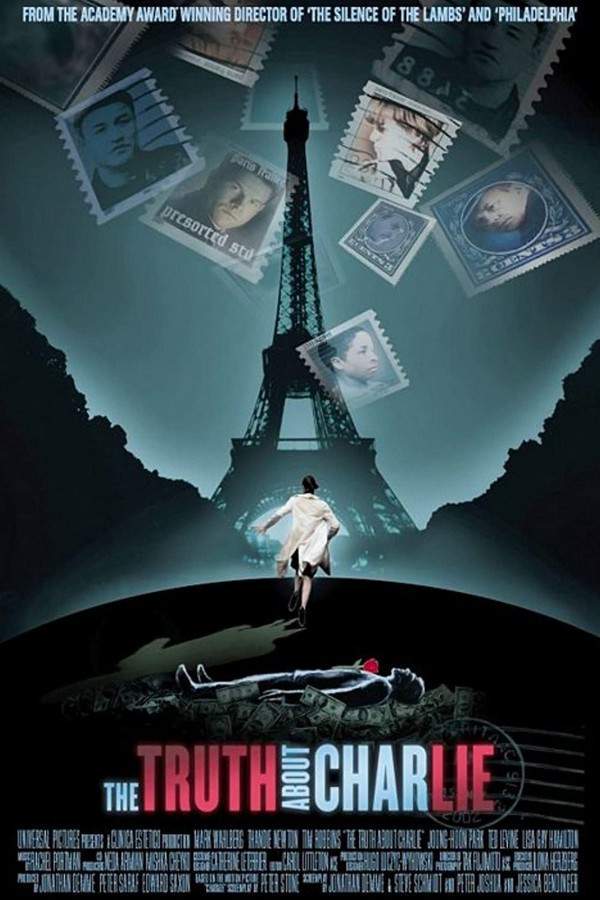











Narrative Summary
The narrative pattern involves a catalyst that forces characters to stop ignoring a central, painful truth. The ensuing emotional journey is heavy and introspective, as characters dismantle their own illusions. The climax is not about a simple victory but an acknowledgment of reality, leading to an ending that balances the pain of loss with the clarity of truth.
Why These Movies?
This thread groups films that share a profound emotional weight stemming from themes of identity, secret-keeping, and self-loathing. They possess a steady, character-driven pace, a tense and melancholic tone, and critically, they conclude with a bittersweet feeling that reflects the complexity of human emotion and change.
Unlock the Full Story of The Boys in the Band
Don't stop at just watching - explore The Boys in the Band in full detail. From the complete plot summary and scene-by-scene timeline to character breakdowns, thematic analysis, and a deep dive into the ending - every page helps you truly understand what The Boys in the Band is all about. Plus, discover what's next after the movie.
The Boys in the Band Summary
Read a complete plot summary of The Boys in the Band, including all key story points, character arcs, and turning points. This in-depth recap is ideal for understanding the narrative structure or reviewing what happened in the movie.

The Boys in the Band Timeline
Track the full timeline of The Boys in the Band with every major event arranged chronologically. Perfect for decoding non-linear storytelling, flashbacks, or parallel narratives with a clear scene-by-scene breakdown.

Characters, Settings & Themes in The Boys in the Band
Discover the characters, locations, and core themes that shape The Boys in the Band. Get insights into symbolic elements, setting significance, and deeper narrative meaning - ideal for thematic analysis and movie breakdowns.


Similar Movies to The Boys in the Band
Discover movies like The Boys in the Band that share similar genres, themes, and storytelling elements. Whether you’re drawn to the atmosphere, character arcs, or plot structure, these curated recommendations will help you explore more films you’ll love.
Making the Boys
2011

Henry Gamble's Birthday Party
2016

Love! Valour! Compassion!
1997

Boy Culture
2007
The Boys Next Door
1985

Boys Life 4: Four Play
2003
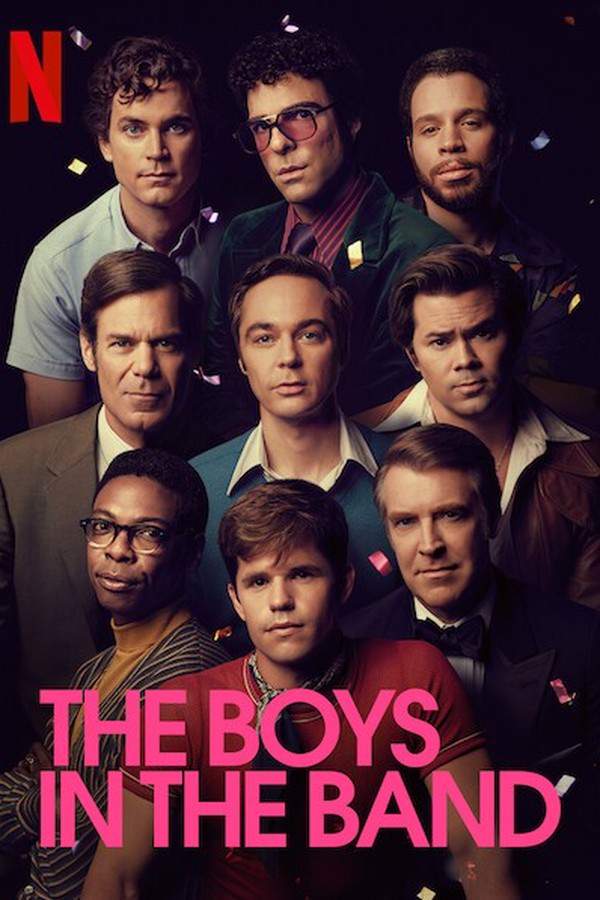
The Boys in the Band
1970
House of Boys
2011

The Men's Club
1986

Big Boys
2024

Boy Undone
2017

Boys to Men
2001

Men in the Nude
2006

Naked Boys Singing!
2007

Boys Life
1994
Explore More About Movie The Boys in the Band
The Boys in the Band (2020) Plot Summary & Movie Recap
The Boys in the Band (2020) Scene-by-Scene Movie Timeline
The Boys in the Band (2020) Movie Characters, Themes & Settings
The Boys in the Band (2020) Spoiler-Free Summary & Key Flow
Movies Like The Boys in the Band – Similar Titles You’ll Enjoy
Making the Boys (2011) Movie Recap & Themes
Henry Gamble's Birthday Party (2016) Full Movie Breakdown
Love! Valour! Compassion! (1997) Complete Plot Breakdown
Boy Culture (2007) Movie Recap & Themes
The Boys Next Door (1985) Story Summary & Characters
Boys Life 4: Four Play (2003) Ending Explained & Film Insights
The Boys in the Band (1970) Spoiler-Packed Plot Recap
House of Boys (2011) Movie Recap & Themes
The Men's Club (1986) Plot Summary & Ending Explained
Big Boys (2024) Ending Explained & Film Insights
Boy Undone (2017) Full Summary & Key Details
Boys to Men (2001) Story Summary & Characters
Men in the Nude (2006) Film Overview & Timeline
Naked Boys Singing! (2007) Ending Explained & Film Insights
Boys Life (1994) Movie Recap & Themes