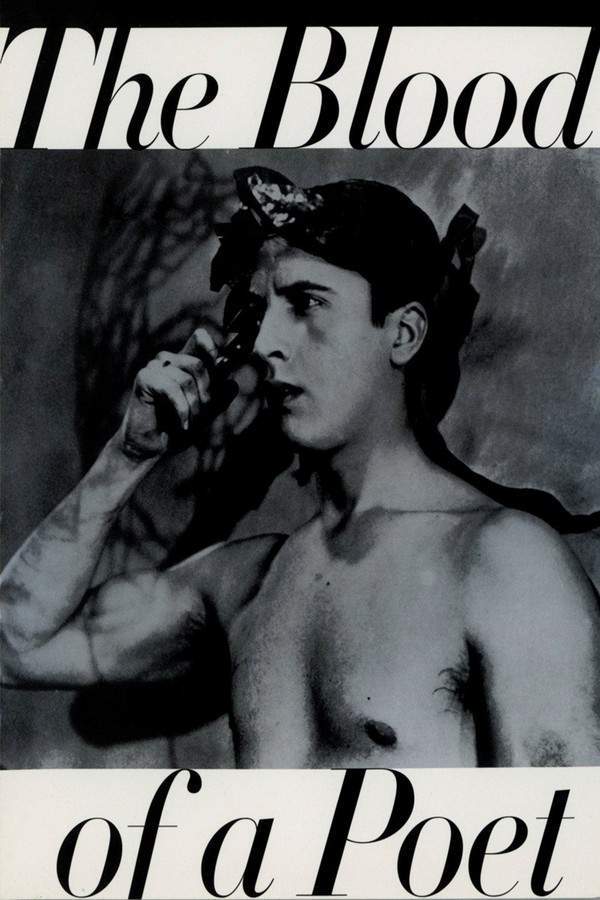
The Blood of a Poet
Year: 1933
Runtime: 55 min
Language: French
Director: Jean Cocteau
Esteemed filmmaker Jean Cocteau crafts a surreal and dreamlike exploration of a poet's creative process and emotional landscape. Through a series of striking vignettes, the film delves into the depths of imagination, revealing a world unbound by reality where feelings are intense and memories intertwine. It’s a poetic journey into the mind of an artist.
Where to Watch The Blood of a Poet?
Find where to stream, rent, or buy The Blood of a Poet (1933) in the US with current JustWatch availability, up-to-date pricing, and platform listings for subscription, rental, and digital purchase options.

Streaming availability powered by 
Warning: spoilers below!
Haven’t seen The Blood of a Poet yet? This summary contains major spoilers. Bookmark the page, watch the movie, and come back for the full breakdown. If you're ready, scroll on and relive the story!
Timeline & Setting – The Blood of a Poet (1933)
Explore the full timeline and setting of The Blood of a Poet (1933). Follow every major event in chronological order and see how the environment shapes the story, characters, and dramatic tension.
Last updated: October 22, 2024 at 23:10
Main Characters – The Blood of a Poet (1933)
Meet the key characters of The Blood of a Poet (1933), with detailed profiles, motivations, and roles in the plot. Understand their emotional journeys and what they reveal about the film’s deeper themes.
Last updated: October 22, 2024 at 23:10
Major Themes – The Blood of a Poet (1933)
Explore the central themes of The Blood of a Poet (1933), from psychological, social, and emotional dimensions to philosophical messages. Understand what the film is really saying beneath the surface.
Last updated: October 22, 2024 at 23:10
The Blood of a Poet (1933) Character & Theme Questions Answered – Info FAQ
Browse frequently asked questions about The Blood of a Poet (1933) focused on characters, relationships, themes, symbols, setting, and story context. This movie info FAQ gives spoiler-aware explanations for character arcs, world details, and thematic interpretation so readers can better understand what the film is really about.
What is the significance of the mystical hotel in the film?
The mystical hotel serves as a surreal observation point where the artist witnesses the hidden desires of various characters. It functions as a liminal space between reality and imagination, acting as a gateway into the dreamlike world that defines the film's narrative. This setting allows the artist to observe the complexities of human nature without directly participating in the physical world.
What does the snow-blanketed landscape represent?
The snow-blanketed landscape offers a stark contrast to the hotel's interior, depicting both childhood joy and eventual tragedy. The pristine white snow symbolizes the fragility of life and innocence, while the tragic events that unfold there highlight the delicate boundary between happiness and loss. This setting underscores the film's themes of mortality and the vulnerability of the human condition.
Is The Blood of a Poet set in a specific time period?
The film exists in an abstract, timeless realm where conventional time constraints do not apply. Rather than being anchored to a particular historical era, the narrative traverses multiple surreal episodes that evoke various emotions and philosophical questions about existence. This timelessness allows the film's themes of art, mortality, and creativity to transcend specific historical contexts.
What does the film say about the relationship between art and reality?
The narrative intricately blurs the lines between creation and existence, presenting art not as mere representation but as a living entity. The artist's journey reflects a deep engagement with the creative process, where his surreal encounters blur the boundary between what he creates and what he experiences. Through this exploration, the film suggests that art can transcend mere imitation and manifest as a profound, transformative force in the artist's reality.
How does mortality play into the film's themes?
Mortality is a prevailing theme throughout the film, as characters grapple with the fragility of life and the inevitability of death. The narrative presents death not merely as an ending but as a consequence of human aspirations and desires. The climactic moments bring poignant reminders that the pursuit of creative or personal desires can sometimes lead to tragic outcomes, emphasizing the fragile nature of human existence.
Who is the Artist in The Blood of a Poet?
The Artist (Odette Talazac) embodies the struggle between creation and destruction, serving as the film's central consciousness. His journey is marked by a constant interplay of curiosity and despair as he grapples with the significance of his art and its consequences on reality. Through his existential quandaries, the character drives the narrative forward, prompting introspection in both himself and the audience about the nature of creative expression.
What does the Card Shark represent in the film?
The Card Shark symbolizes the risks and high stakes of life, navigating through a world defined by chance and choice. His arc represents a life led by gambling and desperation, culminating in a moment of tragic realization. This character serves as a stark reminder of the harshness of reality and the consequences of living recklessly, adding to the film's exploration of human vulnerability and the fragile boundary between fortune and ruin.
What is the role of the Guardian Angel?
The Guardian Angel represents hope and the ethereal aspect of life that persists even in moments of despair. This otherworldly being emerges as a comforting presence throughout the artist's journey, proposing the idea that there may be a transcendent force guiding souls beyond the physical realm. The Guardian Angel adds a layer of spiritual possibility to the film's exploration of mortality and human vulnerability.
How does the film explore human nature?
The film delves into the vulnerabilities of human nature by revealing hidden desires and secrets through the artist's observational lens. The various characters he encounters, from the Card Shark to other figures in the hotel, serve to expose the complexities of the human condition. By presenting these encounters in a surreal, dreamlike context, the film calls attention to both the strengths and weaknesses that define human existence, emphasizing how easily the surface of normalcy can be disrupted.
What is the overall tone and mood of the film?
The film's tone is primarily melancholic and contemplative, derived from its focus on an artist's internal struggles and the recurring theme of mortality. While the subject matter of art, death, and human vulnerability is serious, the abstract, dreamlike presentation creates a sense of detachment that softens the emotional impact. The pacing shifts from slow, deliberate exploration to more active sequences, creating a variable emotional rhythm that mirrors the surreal nature of the narrative.
What is the significance of the film's ambiguous ending?
The ending of The Blood of a Poet is deliberately ambiguous, featuring images of spinning heads and a dissolving statue. This ambiguous conclusion is meant to dissolve clear meaning, leaving viewers to interpret the intersection of creativity and life for themselves. Rather than providing closure, the ending reinforces the film's themes of artistic transformation and the mysterious boundaries between existence and imagination, inviting ongoing contemplation.

Explore Movie Threads
Discover curated groups of movies connected by mood, themes, and story style. Browse collections built around emotion, atmosphere, and narrative focus to easily find films that match what you feel like watching right now.
Surreal dream journeys like The Blood of a Poet
Films that dive into a dreamlike world of symbols, memories, and unfiltered feelings.Explore movies like The Blood of a Poet that dive into surreal, dreamlike narratives. If you enjoyed its symbolic exploration of the unconscious mind, you'll find similar poetic and non-linear films here that challenge reality and delve into the world of dreams and imagination.
The Blood of a Poet
1933

The Voice of the Moon
1990
Wander Darkly
2020
It's Such a Beautiful Day
2012
The Man Who Killed Don Quixote
2019

An Egyptian Story
1982
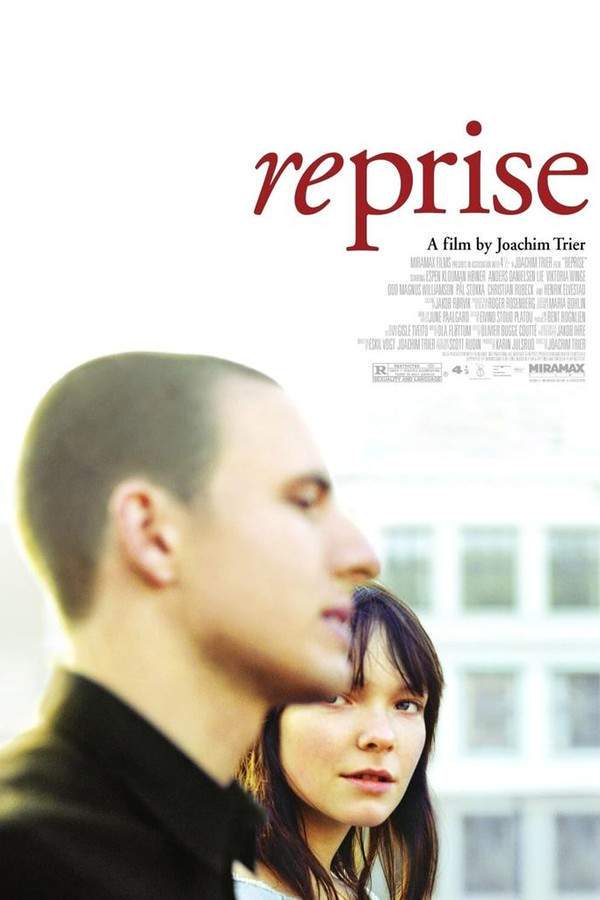
Reprise
2008
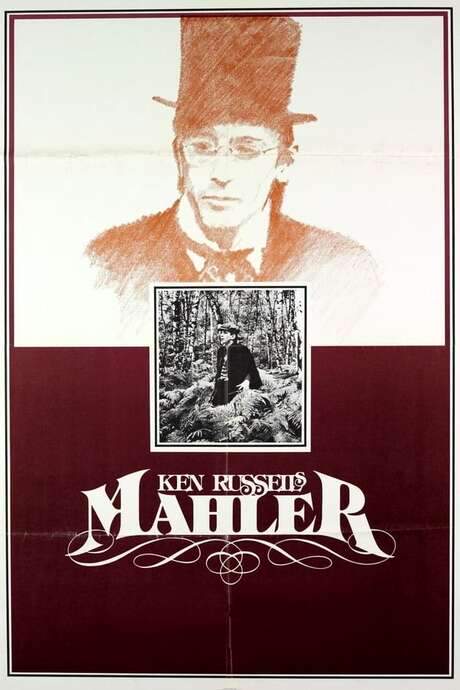
Mahler
1974
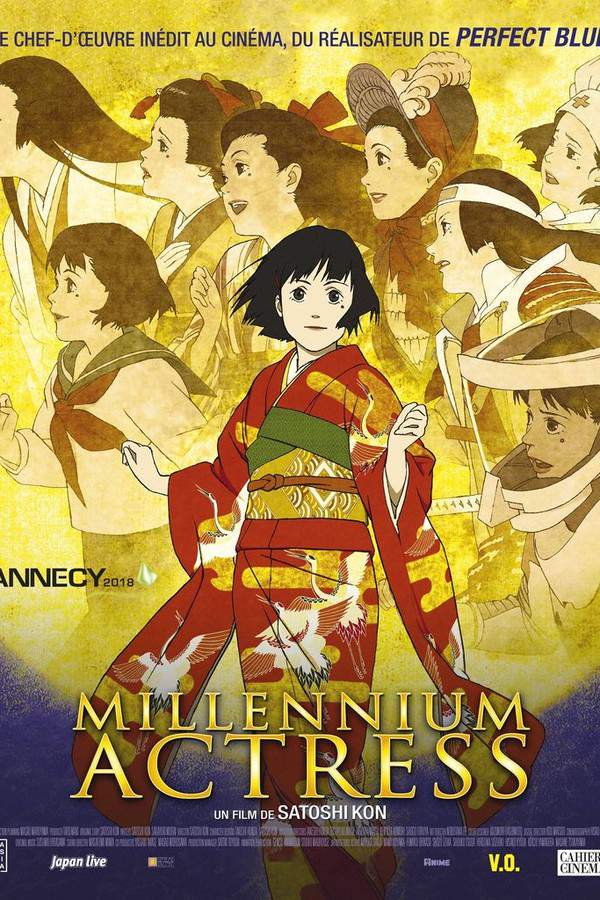
Millennium Actress
2003

Valley of Flowers
2007

The Dust of Time
2008

Masculine Feminine
1966

Saint Clara
1996
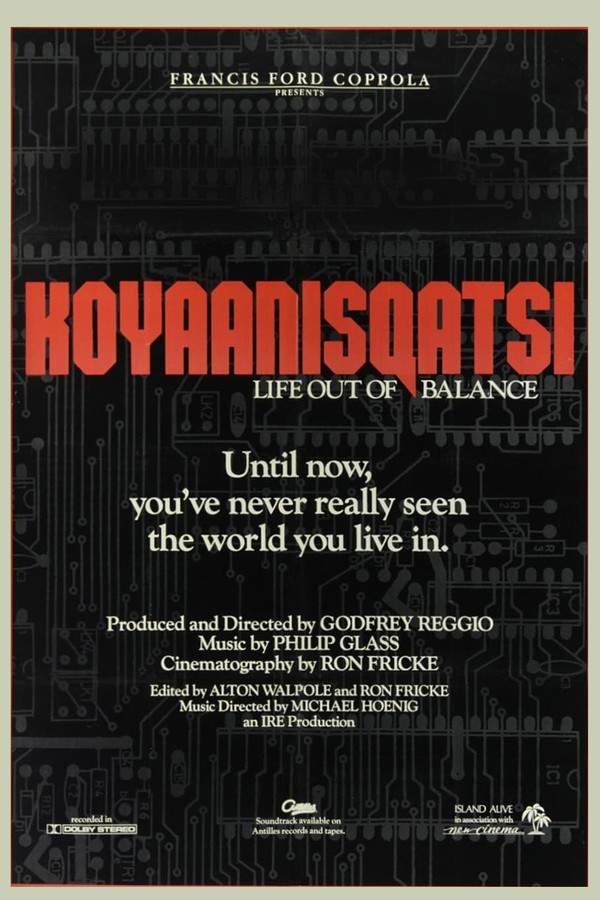
Koyaanisqatsi
1983

The Apartment
1996
Narrative Summary
Narratives in this thread are often non-linear and fragmented, unfolding more like a series of visions or connected dreams than a conventional plot. The journey is internal, focusing on a character's psychological state, creative process, or confrontation with abstract concepts like memory and desire through powerful symbolism.
Why These Movies?
These films are grouped by their shared commitment to a dreamlike aesthetic, a melancholic and contemplative tone, and a focus on exploring internal, psychological realms. They use surreal imagery to convey complex emotions and ideas, creating a uniquely immersive and thought-provoking viewing experience.
Movies about artistic melancholy like The Blood of a Poet
Stories that explore the intense emotional toll and isolation of the creative process.Discover films similar to The Blood of a Poet that explore the melancholic side of artistic creation. If you were captivated by its portrayal of a poet's emotional landscape, you'll find other stories here about the struggles, anxieties, and deep introspection faced by artists.
The Blood of a Poet
1933
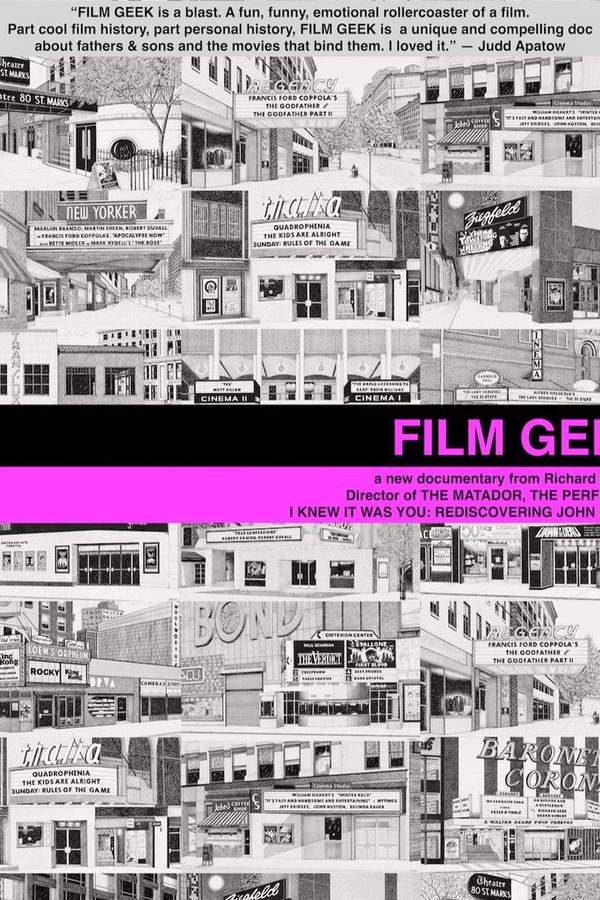
Film Geek
2024
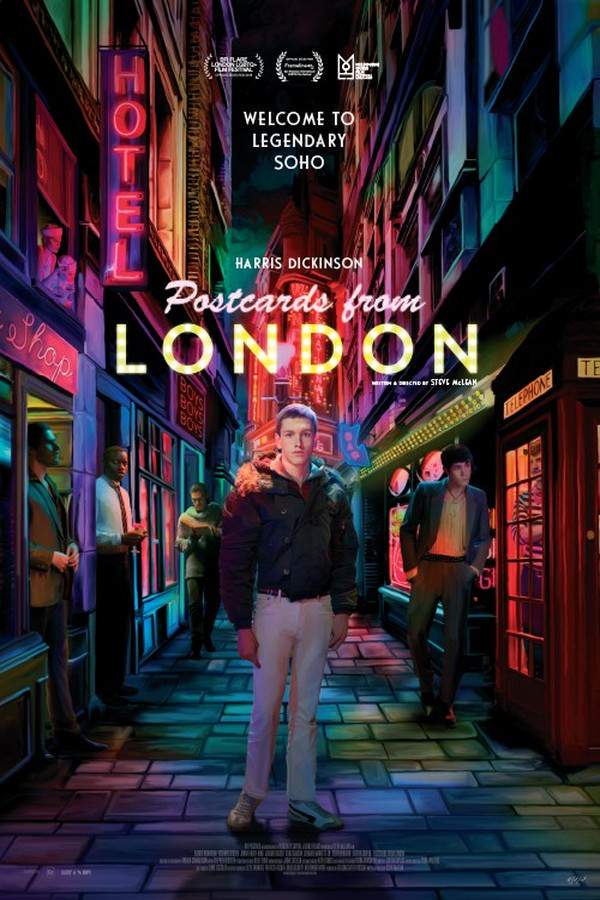
Postcards from London
2018
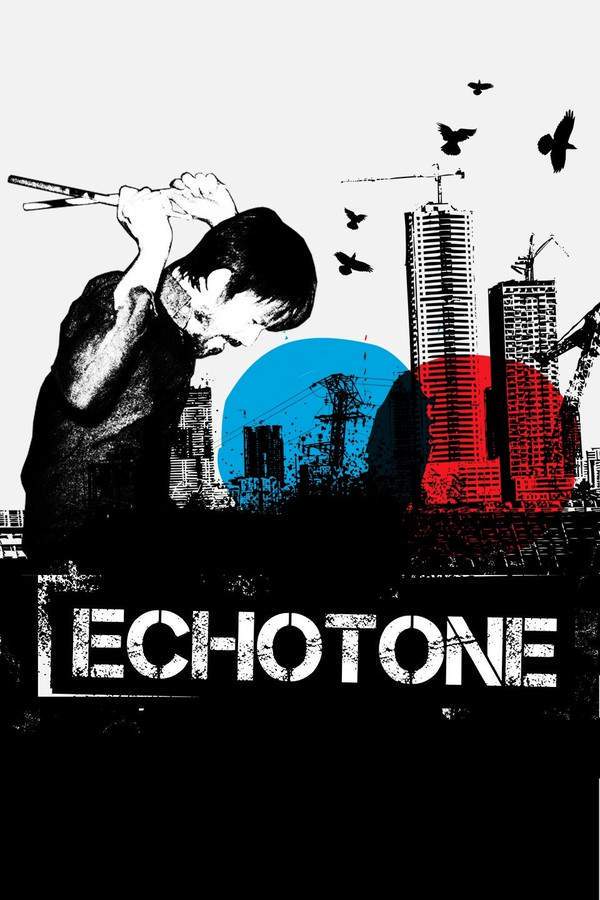
Echotone
2011
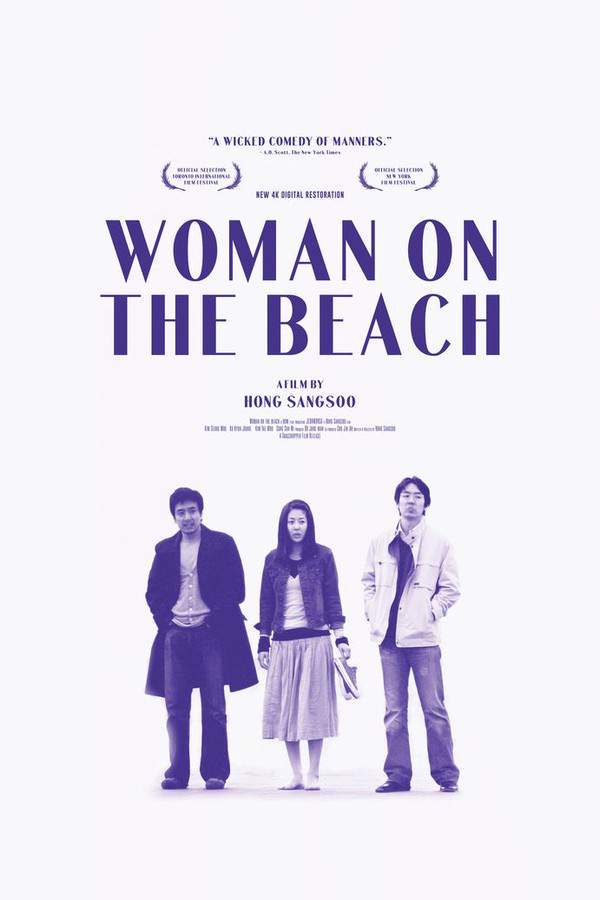
Woman on the Beach
2008
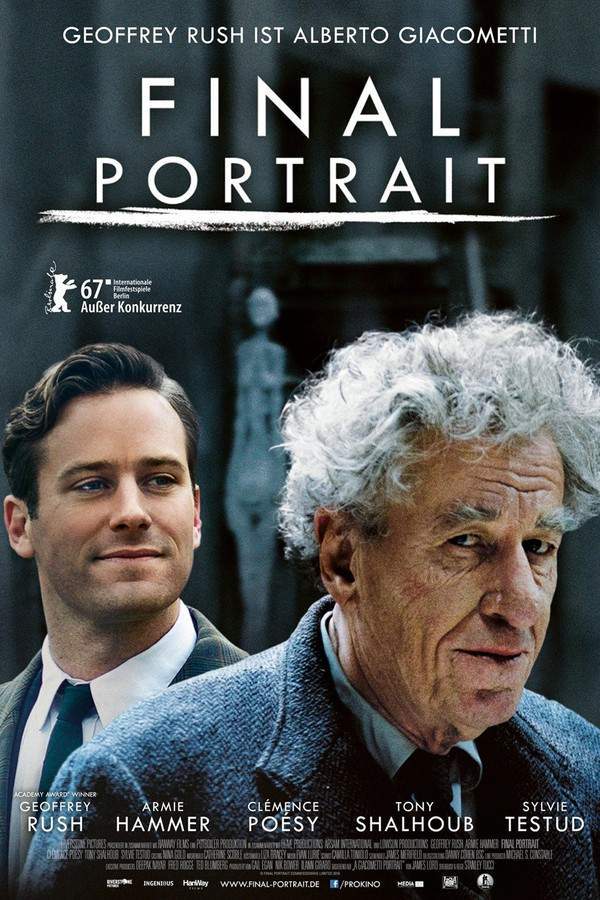
Final Portrait
2018
Passion
1983

The Forest for the Trees
2003
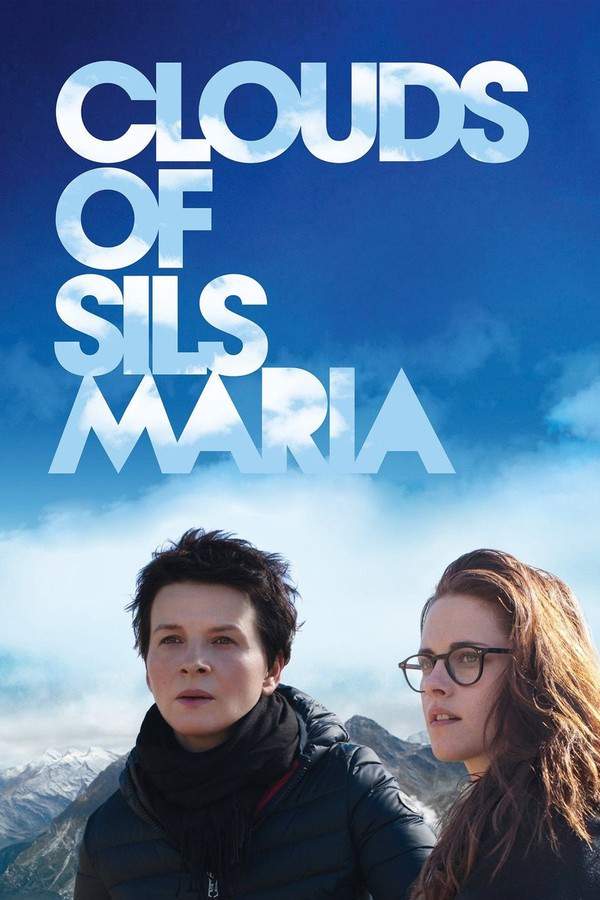
Clouds of Sils Maria
2015

La Belle Noiseuse
1991
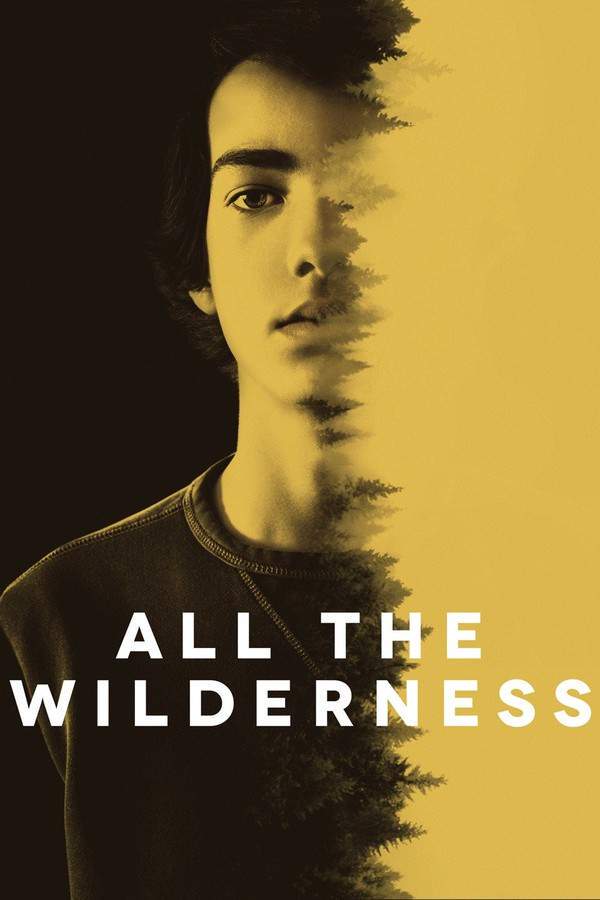
All the Wilderness
2015
The Voice of the Moon
1990
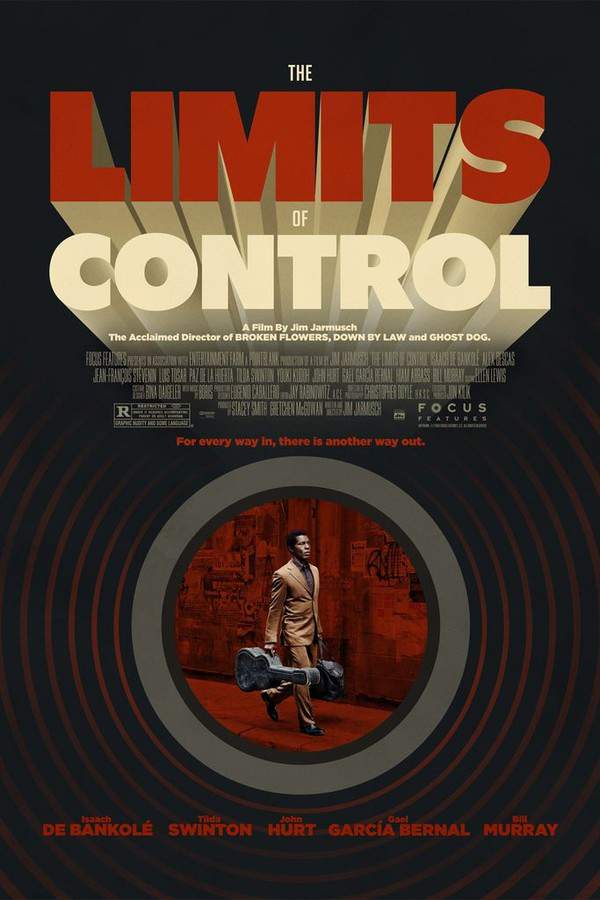
The Limits of Control
2009
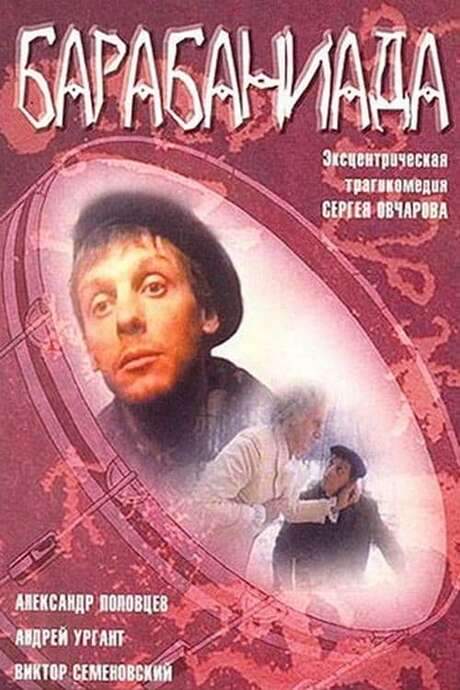
Drumroll
1993
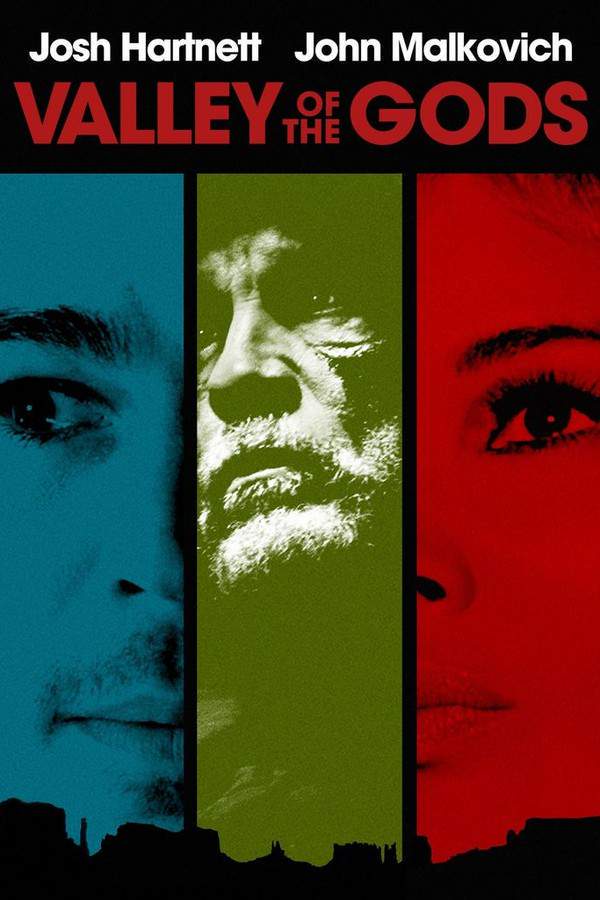
Valley of the Gods
2020
Narrative Summary
The narrative pattern follows an artist grappling with their craft, often facing a crisis of inspiration, confronting mortality, or becoming lost in the blurry boundary between their art and reality. The journey is introspective, filled with symbolic challenges that externalize their internal conflicts and emotional vulnerabilities.
Why These Movies?
These movies share a central focus on the creative process as a source of both profound meaning and deep sorrow. They are united by a melancholic tone, a theme of isolation, and a portrayal of art as an intense, often painful, engagement with the deepest parts of the self.
Unlock the Full Story of The Blood of a Poet
Don't stop at just watching - explore The Blood of a Poet in full detail. From the complete plot summary and scene-by-scene timeline to character breakdowns, thematic analysis, and a deep dive into the ending - every page helps you truly understand what The Blood of a Poet is all about. Plus, discover what's next after the movie.
The Blood of a Poet Summary
Read a complete plot summary of The Blood of a Poet, including all key story points, character arcs, and turning points. This in-depth recap is ideal for understanding the narrative structure or reviewing what happened in the movie.

The Blood of a Poet Timeline
Track the full timeline of The Blood of a Poet with every major event arranged chronologically. Perfect for decoding non-linear storytelling, flashbacks, or parallel narratives with a clear scene-by-scene breakdown.


