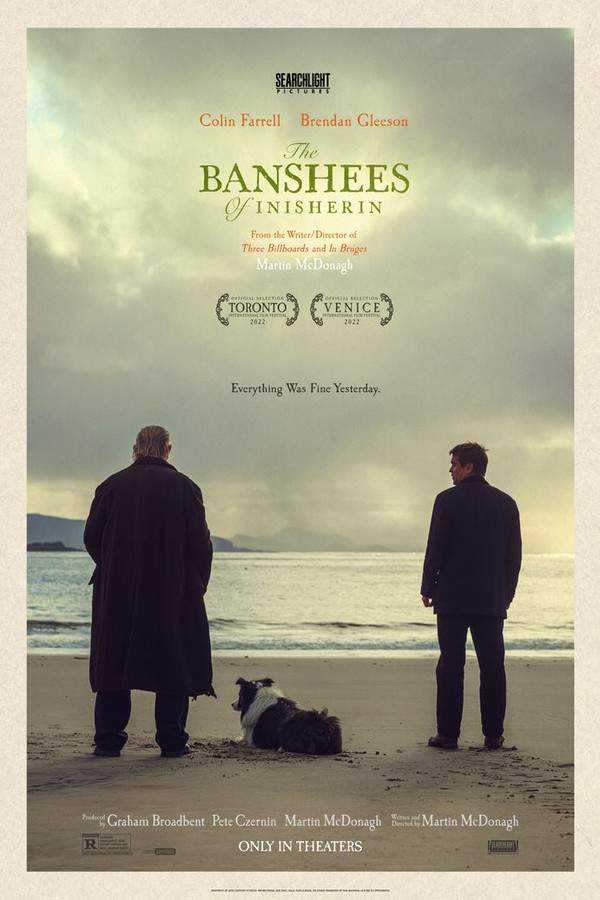
The ending of "The Banshees of Inisherin" brings the profound consequences of the characters’ choices into stark focus. After Colm’s drastic act of chopping off his fingers—an act he believed would leave a lasting mark and rid himself of the pain of feeling forgotten—he is forced to confront the futility of his actions. Meanwhile, Padraic, who is deeply hurt by the loss of his friend and the death of his pet donkey Jenny, sets fire to Colm’s house as an act of retaliation, fully aware that Colm is inside. When he finds Colm sitting calmly in the house, Padraic’s anger and grief culminate in him destroying what remains of their shared life. The burning of the house signifies the breakdown of their relationship, mirroring how their friendship has been irreparably torn apart by their unwavering beliefs and despair.
The tragedy continues with the death of Dominic, Padraic’s friend who, overwhelmed by his traumatic past and the rejection he faced, takes his own life. This series of destructive events underscores the deep sense of regret, pain, and existential despair that afflicts everyone involved, especially in a world plagued by war and inevitable mortality. As Colm escapes from the burning house and stands on the beach, he seems to believe that their conflict might finally be over—the destruction of the house symbolizing the end of their feud. However, for Padraic, the damage inflicted is permanent. He reflects on how their friendship has become like a war, impossible to repair, and recognizes that their lives, scarred by betrayal, loss, and the brutality of life, cannot simply go back to the way they once were.
Set against the backdrop of the Irish civil war, the film suggests that the characters’ personal despair echoes the larger chaos of the world around them. Colm’s nihilistic attitude and his act of self-mutilation reveal his fear of death and desire to leave a legacy through music, even as it ultimately underscores the bitter futility of that pursuit. Padraic's innocent kindness contrasts sharply with the growing bitterness and anger that their circumstances cultivate, demonstrating that in a time of societal upheaval, personal relationships can become collateral damage. Ultimately, the ending emphasizes that some wounds—emotional, physical, and existential—are beyond repair, and that in the face of inevitable mortality and societal chaos, the characters must confront the painful truths of their lives, recognizing that certain conflicts and losses leave echoes that never fully fade.