
The Bad Intentions
Year: 2011
Runtime: 110 mins
Language: Spanish
Director: Rosario Garcia-Montero
A young girl convinces herself that she will die on the same day that her brother will be born.
Warning: spoilers below!
Haven’t seen The Bad Intentions yet? This summary contains major spoilers. Bookmark the page, watch the movie, and come back for the full breakdown. If you're ready, scroll on and relive the story!
Timeline – The Bad Intentions (2011)
Trace every key event in The Bad Intentions (2011) with our detailed, chronological timeline. Perfect for unpacking nonlinear stories, spotting hidden connections, and understanding how each scene builds toward the film’s climax. Whether you're revisiting or decoding for the first time, this timeline gives you the full picture.
Last updated: October 03, 2025 at 06:47
The Bad Intentions (2011) Timeline Questions Answered – Chronology FAQ
Find frequently asked questions about the The Bad Intentions (2011) timeline, including chronological order, nonlinear jumps, cause-and-effect links, and scene sequence clarifications. This timeline FAQ helps explain when key events happen, how moments connect, and why the story unfolds in that specific order.
Why does Cayetana believe she will die on the same day her brother is born?
Cayetana develops an obsessive conviction that she will die the moment her mother gives birth to her half-brother. This belief stems from her deep fear of being replaced and abandoned. Growing up with divorced parents who show her little genuine affection, she sees the unborn baby as the ultimate rival who will steal the small amount of attention she receives. Her belief is a manifestation of her emotional abandonment anxiety, not a supernatural prediction.
Earlier in the film, Cayetana recoils violently when she learns of the pregnancy, and her reaction intensifies when her mother returns home pregnant, suggesting her fear is deeply rooted in feeling displaced.
Why does Cayetana react so strongly to her mother's pregnancy?
Cayetana's violent reaction to the pregnancy comes from a combination of factors: her parents' divorce left her feeling abandoned by her father, and she now fears her mother is creating a new family that will replace her. She lives with her mother and stepfather but feels unseen and unloved. The pregnancy represents the final proof that she will no longer be the center of her mother's world, triggering her extreme response of running away and eventually withdrawing all affection.
The scene where Cayetana must be dragged from a hiding place to meet her mother shows their fractured bond before the pregnancy is even announced.
What happens to Jimena at the end of the movie?
Jimena, Cayetana's chronically ill cousin, becomes increasingly weak throughout the film. During the beach vacation, she suffers a medical emergency and is rushed to the hospital. When Cayetana visits the hospital after her brother's birth, she finds that Jimena no longer recognizes her during a coordination test administered by a doctor. The film implies Jimena's condition is terminal, as she tells Cayetana in the sand dune vision that she will 'always watch over' her, suggesting Jimena knows she is dying.
The sand dune vision where Jimena tells Cayetana she loves her and will watch over her foreshadows Jimena's impending death and their separation.
Why does Cayetana point to the wrong baby in the hospital nursery?
When Cayetana enters the maternity ward nursery, she deliberately points to a baby that is not her brother and declares she will not be upstaged by her mother's new son. This act is a manifestation of her deep jealousy and refusal to accept the new baby as family. She is trying to assert some form of control over a situation that makes her feel powerless and replaceable. However, after this moment of defiance, she eventually enters the nursery again and meets her actual newborn brother, symbolizing a tentative, complicated step toward acceptance.
This moment connects to her earlier statement that she believes she will die when the baby is born, her attempt to reject the baby is tied to her survival anxiety.
What is the significance of Cayetana's vision on the sand dune?
While alone on the beach after Jimena is taken to the hospital, Cayetana climbs a towering sand dune and experiences a vision-like encounter. She sees Peruvian heroes from the opening narration, and Jimena appears to tell her that she loves her and will always watch over her. This moment represents Cayetana's subconscious processing of mortality, both her own perceived fate and Jimena's declining health. The vision combines the political backdrop of the film with her personal emotional landscape, suggesting she is grappling with larger questions of sacrifice, loss, and love.
The opening narration about Peruvian military sacrifices establishes the theme of sacrifice that the vision connects to Cayetana's own internal struggle.
Why does Cayetana run away from home after learning about the pregnancy?
Cayetana runs away shortly after learning her mother is pregnant because she is overwhelmed by feelings of rejection and replacement. The pregnancy confirms her deepest fear, that she will be abandoned for a new child. Running away is her attempt to punish her mother and regain some control, but she becomes lost in the city and is eventually returned home. This act deepens the rift between her and her parents, who then decide to send her on vacation hoping a change of environment will help.
Her earlier refusal to eat at the dinner table and her withdrawal from her mother hint at her inability to cope with the changes happening in her family.
Why does Cayetana withdraw all affection from her mother?
Cayetana deliberately withdraws affection from her mother as a form of punishment for becoming pregnant. She refuses to sit on her mother's lap, rejects hugs, and remains emotionally distant. This withdrawal is her way of inflicting pain on her mother since she feels powerless to prevent the pregnancy. It also serves as a protective mechanism, by pulling away first, she believes she cannot be hurt if her mother eventually abandons her for the new baby.
The scene where she sits stiffly on her mother's lap while receiving gifts shows the emotional distance already present before the pregnancy announcement.
What is the significance of the political turmoil backdrop in the movie?
The film is set in 1980s Peru during a period of political instability, shown through opening narration about military sacrifices, sirens during school, and the family's house being robbed when they return from vacation. This backdrop mirrors Cayetana's internal chaos. Just as the country is undergoing upheaval and losing its stability, Cayetana's family is also unraveling, the divorce, her father's absence, and now a new baby threaten her sense of security. The external political disorder reflects her emotional disorder, reinforcing the theme that public and private struggles are interconnected.
The opening narration establishes that sacrifice and turmoil are central to understanding the story's emotional landscape.
What does Cayetana's final moment in the film mean?
The film ends with Cayetana's quiet, searching gaze as she contemplates her newborn brother and reaches a moment of unexpected clarity. After initially rejecting the baby and pointing to the wrong infant, she eventually goes to the nursery and meets her real brother. This does not represent a perfect resolution or sudden love, but rather a complicated, ambiguous step toward acceptance. She has not fully overcome her jealousy or fear, but she has taken the first step toward acknowledging this new family member, leaving the ending bittersweet rather than fully resolved.
Her earlier statement that she will not be upstaged by the baby, followed by actually meeting him, shows her journey from rejection to tentative acknowledgment.

Explore Movie Threads
Discover curated groups of movies connected by mood, themes, and story style. Browse collections built around emotion, atmosphere, and narrative focus to easily find films that match what you feel like watching right now.
Movies about solemn childhoods like The Bad Intentions
Stories of childhood viewed through a serious, observant, and introspective lens.If you liked the quiet, observant portrayal of a child's inner world in The Bad Intentions, explore these movies. This section features films that share a similar melancholic and introspective take on childhood, focusing on emotional isolation and complex family dynamics.
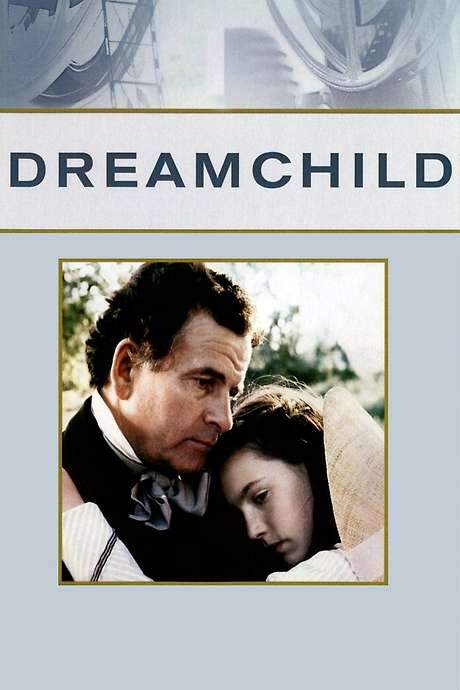
Dreamchild
1985

Dreamchild
2020
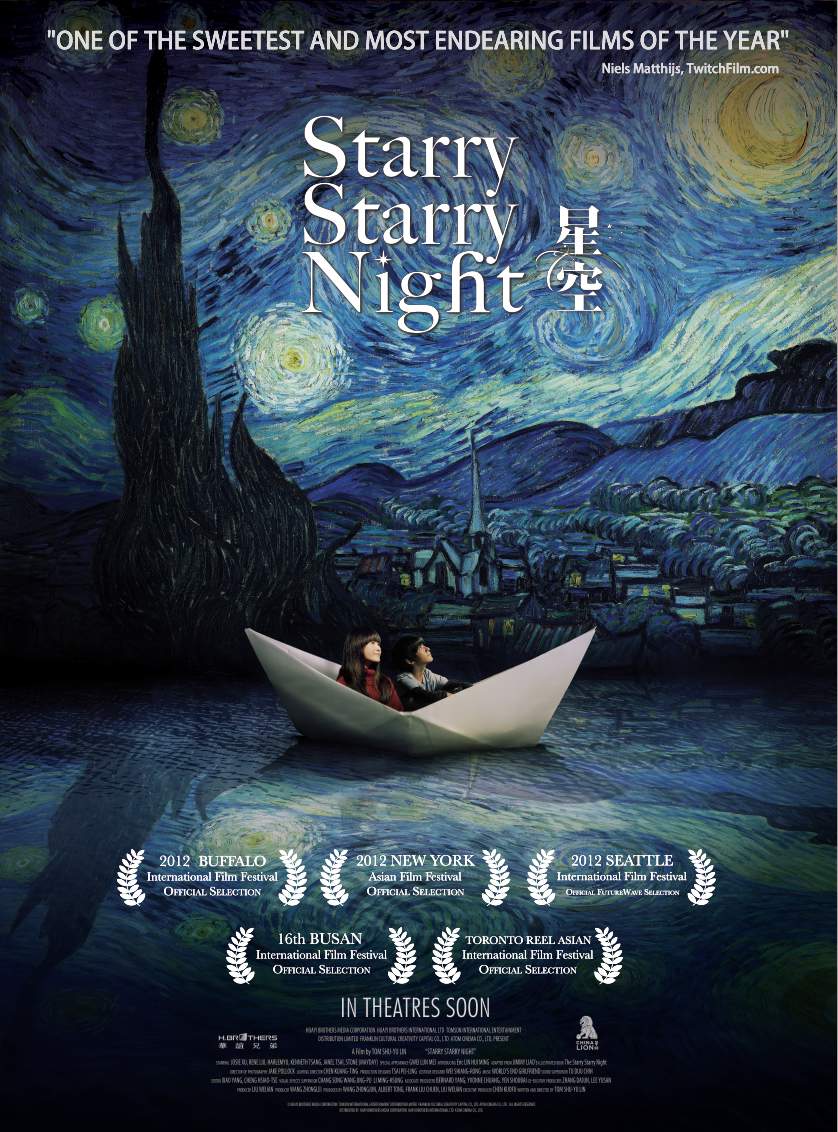
Starry Starry Night
2012

We Couldn't Become Adults
2021
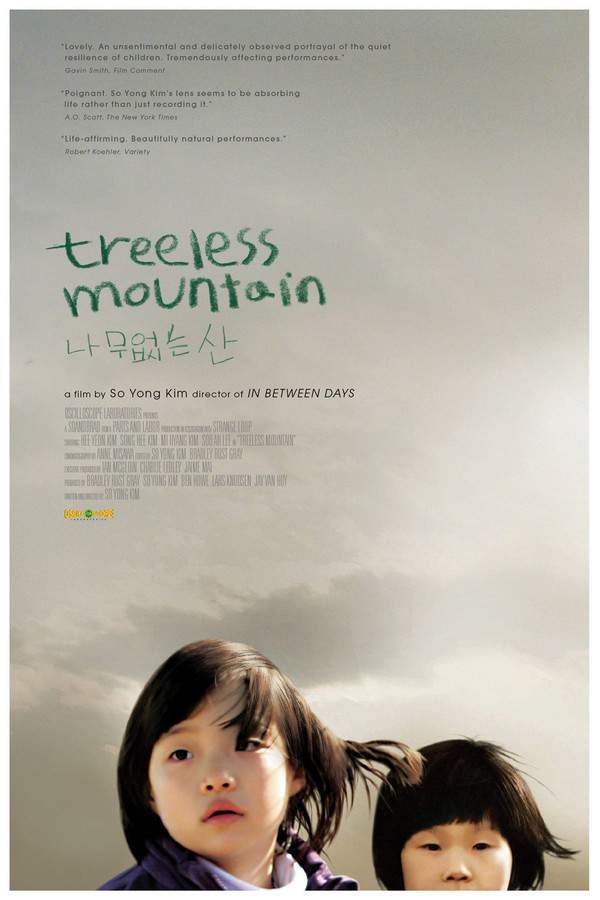
Treeless Mountain
2009

Paradise
1991

Lies My Father Told Me
1975

Somewhere I Have Never Travelled
2009

Year of Enlightment
1986

House of Hummingbird
2018
The Bad Intentions
2011

Youth
2015

Old Boyfriends
1979

Muddy River
1981

Days of Being Wild
1990
Narrative Summary
These films typically follow a solitary child protagonist who quietly observes their world. The narrative is driven by internal emotional conflict, such as feeling neglected or grappling with a significant change, rather than high-stakes external events. The story unfolds through atmospheric moments and the child's unique, often somber, perception.
Why These Movies?
Movies in this thread are grouped by their shared focus on a child's poignant and serious perspective. They connect through a melancholic tone, slow pacing that allows for reflection, and a central theme of navigating emotional upheaval from a young person's vulnerable point of view.
Atmospheric family dramas similar to The Bad Intentions
Slow-burn stories where family dynamics shift amid a heavy, atmospheric mood.Looking for more movies like The Bad Intentions? This collection highlights similar atmospheric family melodramas. These films share a bittersweet feel, moderate complexity, and a slow pace, focusing on the quiet emotional fallout of family conflicts and changing dynamics.

The End of Summer
2013
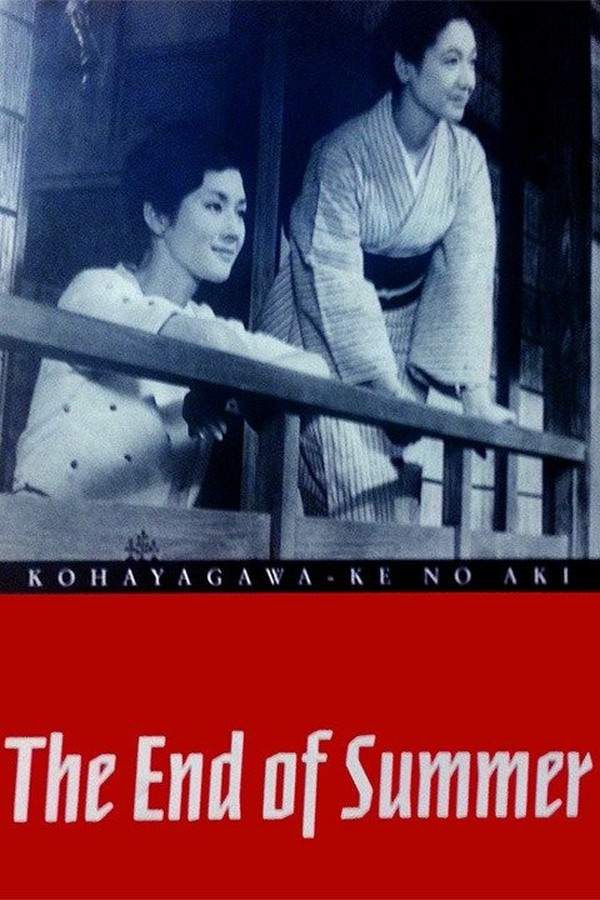
The End of Summer
1962

Summer Hours
2009
Treeless Mountain
2009

Brothers and Sisters of the Toda Family
1941

Kaleidoscope
1990

The Makioka Sisters (1983)
2011

Sentimental Destinies
2000
An Autumn Afternoon
1964

A Summer Story
2024

Hidden Moon
2012

My Reputation
1946

Family Law
2006

Yi Yi
2000

Family Romance, LLC
2020
Narrative Summary
The narrative centers on a family unit undergoing a subtle but significant change, such as the arrival of a new member or a shift in parental attention. The plot is secondary to the exploration of emotional neglect, rivalry, and the struggle for belonging, all conveyed through a quiet, observant style that prioritizes mood over action.
Why These Movies?
These films are united by their specific blend of tone, pacing, and theme. They share a melancholic and quiet atmosphere, a slow-burn pacing that delves into emotional detail, and a central focus on the complex, often painful, dynamics of family life, typically leading to a bittersweet resolution.
Unlock the Full Story of The Bad Intentions
Don't stop at just watching - explore The Bad Intentions in full detail. From the complete plot summary and scene-by-scene timeline to character breakdowns, thematic analysis, and a deep dive into the ending - every page helps you truly understand what The Bad Intentions is all about. Plus, discover what's next after the movie.
The Bad Intentions Summary
Read a complete plot summary of The Bad Intentions, including all key story points, character arcs, and turning points. This in-depth recap is ideal for understanding the narrative structure or reviewing what happened in the movie.

Characters, Settings & Themes in The Bad Intentions
Discover the characters, locations, and core themes that shape The Bad Intentions. Get insights into symbolic elements, setting significance, and deeper narrative meaning - ideal for thematic analysis and movie breakdowns.


