











Plot Explained Spoilers guaranteed!
Plot Explained

Browse by genre

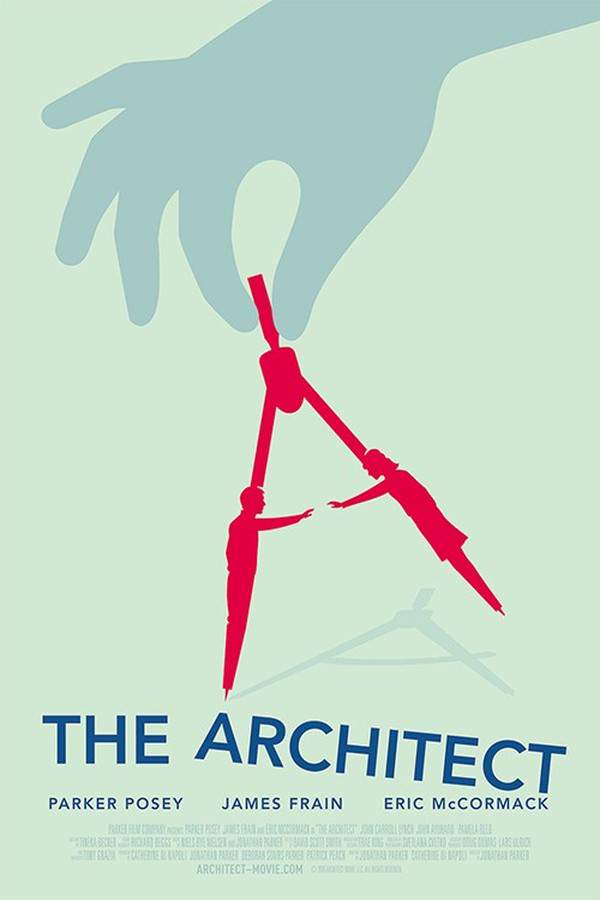
The Architect (2006) movie poster

Timeline

The Architect (2006) Timeline Explained – Every Event in Order

Release, runtime and language
2006 · 82 min · English
JustWatch #10,137 10
Directed by
Matt Tauber

A driven activist, Tonya Neeley, aims to rebuild her community by confronting Leo Waters, the architect whose work contributed to its decline. When two families from vastly different backgrounds find their lives intertwined, idealistic values are tested against the harsh realities of their circumstances. They must then grapple with the repercussions of past decisions and discover the unexpected strength of human connection.

On this page (6)
  1. 1 Where to watch
  2. 2 Events in order (13)
  3. 3 Timeline questions answered
  4. 4 Movie threads
  5. 5 Movies like The Architect
  6. 6 Every angle

Where to watch

Where to Watch The Architect (2006)

Where can you watch The Architect? Stream, rent or buy it in the US, including on Amazon Prime Video, Hoopla and Kanopy: current JustWatch availability with up-to-date prices.

Streaming availability powered by JustWatch

13 events in order · contains spoilers

The Architect Timeline: Events in Chronological Order

Every key event of The Architect (2006) in order, scene by scene, with when and where it takes place. Use it to untangle flashbacks, time jumps and parallel storylines, to refresh your memory before the sequel or to find the exact scene you are thinking of.

  1. Leo Waters: Architect and University Instructor

    Leo Waters is a successful architect who also teaches architecture at a local university. He maintains a strained relationship with his wife Julia and their children, hinting at tension beneath his professional success.

    Where
    Leo's home and university
  2. Tonya Neely Lives in a South Side Public Housing Project

    Tonya Neely resides in a state-funded high-rise public housing project on Chicago's South Side. Her family has suffered trauma, with her son having committed suicide and her eldest daughter as a young single mom, while her youngest daughter Cammie lives with a wealthy family she knows through Tonya's work. The piece outlines the social and economic context that drives her activism.

    Where
    South Side Chicago public housing project
  3. Tonya Launches a Campaign to Demolish the Project

    Tonya leads a community effort to demolish the project and rebuild a better one. She rallies residents and speaks publicly about the failures of the current design. Her plan is to gain political and civic support to realize a major redevelopment.

    Where
    South Side housing project
  4. Tonya Reaches Out to Leo to Sign the Petition

    To gain wider support, Tonya reaches out to Leo during a lecture and asks him to sign her petition calling for demolition. He initially defends his work and the design challenges of redeveloping public housing. This encounter marks the first bridging of their separate worlds.

    When
    Daytime
    Where
    University lecture hall
  5. Leo Conceives an Alternative: Modify, Not Demolish

    After considering Tonya's concerns, Leo comes up with an idea to improve the project by modifying its current design rather than demolishing it entirely. He envisions structural and community enhancements that might satisfy both stakeholders. The pivot showcases his willingness to rethink his own creation in response to real-world needs.

    When
    Daytime
    Where
    Drawing board at the university
  6. Leo Invites Tonya to His House to Discuss the Vision

    Leo invites Tonya to his house to share his revised vision for the housing project in more detail. Tonya agrees to hear him but remains cautious about the feasibility and sincerity. The invitation underscores a collaboration across social divides.

    Where
    Leo's house
  7. Tonya Is Appalled by the Proposal and His Lack of Site Visits

    Tonya expresses dismay at Leo's proposed approach, especially since he has not visited the project site in years. She questions whether he truly understands the lives of residents who would be affected. The moment highlights a gap between architectural theory and lived experience.

    Where
    Leo's house
  8. Martin Waters Visits the Housing Project

    Martin Waters travels to the housing project to see it for himself, seeking to understand his father's work and the community living there. He encounters conditions that contrast with the elite life of his family. The journey marks a bridge between his world and Tonya's world.

    Where
    Housing project
  9. Martin Meets Shawn, a Young Gay Prostitute

    Inside the project, Martin meets Shawn, a young gay prostitute who lives there. Their encounter reveals the hidden lives inside the housing project and foreshadows the emotional stakes at play. Martin's empathy grows as he learns about Shawn's vulnerability.

    Where
    Housing project
  10. Shawn's Suicide Attempt Is Recalled

    Shawn had previously attempted suicide by jumping off a roof, mirroring Tonya's son's fate. The parallel heightens the project’s personal tragedy and informs the characters' motivations. This backstory intensifies the social critique embedded in the narrative.

    Where
    Roof of a building, housing project
  11. Leo Goes to the Housing Project to Meet Tonya

    Leo goes to the housing project to meet Tonya in person and discuss the petition and possible design changes. The visit grounds his empathy in real-world constraints and the residents' daily realities. The encounter brings their dialogues into the physical space of the project.

    Where
    Public housing project
  12. Tonya Learns the Authorities Plan to Demolish

    Tonya informs Leo that the authorities have already decided to demolish the project, making any petition moot. This revelation reorients the conflict from debate to a looming architectural upheaval. The news forces both to confront the limited power of individual advocacy.

    Where
    Housing project
  13. Father and Son Share a Silent Gaze on the Roof

    Martin walks to the roof of a building within the project, where he unexpectedly bumps into his father. They share a silent, emotionally charged gaze that speaks volumes about their strained relationship and unspoken forgiveness. The moment crystallizes the personal stakes within the broader social upheaval.

    Where
    Roof of a building in the housing project

Last updated: November 22, 2025 at 15:58

Was this helpful?

Timeline questions answered

The Architect Timeline Explained: Your Questions Answered

When does it happen, and why in that order? The questions people ask about the chronology of The Architect (2006): time jumps, flashbacks, cause and effect between scenes and the correct order of events, each answered with spoilers.

Q1

Why does Tonya Neeley want to demolish the housing project?

Tonya Neeley leads the demolition campaign because she lives in the high-rise public housing project that Leo Waters designed. The building has caused real harm to her community, her own son committed suicide, and the structure itself is aging and inadequate. She believes replacing it with a newer, better-designed housing solution would give residents safer living conditions and a chance at better lives.

  • tonya neeley
  • housing project
  • demolition
  • community activist
  • chicago south side
Q2

Why does Leo Waters change his mind about demolishing the project?

After Tonya confronts Leo during a university lecture, he begins reconsidering his original design. Rather than defending his work outright, he starts imagining how the project could be improved through modifications instead of total demolition. This shift represents his first step toward acknowledging the flaws in his creation and genuinely engaging with the community's concerns.

  • leo waters
  • architect
  • housing project
  • redesign
  • petition
Q3

Why is Tonya upset when she visits Leo's house?

Tonya is appalled primarily because Leo has never bothered to visit the housing project since it was built years earlier. His proposal to modify the building comes from a place of theoretical knowledge rather than any real understanding of residents' lived experiences. The visit highlights the massive gulf between his privileged, detached perspective and the harsh realities of the people who have been living with the consequences of his design.

  • tonya
  • leo
  • house visit
  • privilege gap
  • housing conditions
Q4

Who is Shawn and what is his connection to the housing project?

Shawn is a young gay man who works as a prostitute and lives in the housing project. His backstory is devastating: he previously attempted suicide by jumping off the roof of one of the buildings, a direct parallel to the tragedy that haunts Tonya, whose son also took his own life. When Martin Waters visits the project, he meets Shawn, and their encounter exposes the human cost of the neglected building.

Foreshadowing: Shawn's rooftop suicide attempt mirrors the loss that shadows Tonya's family, creating a tragic thematic echo.

  • shawn
  • gay prostitute
  • suicide attempt
  • roof
  • martin waters
Q5

What happens between Martin and Leo on the roof at the end?

At the film's climax, Martin walks to the roof of one of the housing project buildings and unexpectedly encounters his father Leo there. They share a long, silent gaze, their strained relationship and unresolved emotions conveyed entirely through look rather than words. This wordless moment becomes the emotional culmination of the film, leaving their reconciliation ambiguous but emotionally charged.

  • martin waters
  • leo waters
  • rooftop
  • father son
  • ending
  • silent scene
Q6

Why does Tonya's son commit suicide?

The film establishes that Tonya's son took his own life, though it does not provide specific details about his personal struggles. His suicide is referenced as part of the profound personal grief that drives Tonya's activism, it symbolizes the human cost of inadequate housing and community neglect. His death also mirrors Shawn's own rooftop suicide attempt, linking personal tragedy to systemic failure.

  • tonya son
  • suicide
  • grief
  • personal loss
  • housing trauma
Q7

Who is Cammie and why does she live with a wealthy family?

Cammie is Tonya's youngest daughter. She attends a prestigious school on scholarship and lives with a wealthy family that Tonya knows through her work as a cleaning lady. This arrangement represents Tonya's desperate effort to give Cammie opportunities she otherwise could not afford, a choice that highlights both a mother's love and the impossible socioeconomic divides the film explores.

  • cammie
  • daughter
  • wealthy family
  • scholarship
  • opportunities
Q8

Why does the petition become irrelevant?

When Leo goes to the housing project to meet Tonya and discuss signing her petition, Tonya reveals that authorities have already decided to demolish the project, regardless of any petition or debate. This twist shifts the entire conflict from a question of design philosophy to the harsh reality that redevelopment plans were already in motion, making individual advocacy seem powerless against bureaucratic decisions.

  • demolition
  • authorities
  • petition
  • redevelopment
  • housing project
Q9

Why is Leo's family life strained?

Leo lives with his wife Julia and maintains a distant relationship with his children. His son Martin has dropped out of college and shows no interest in following Leo's architectural career. His daughter Christina remains a mysterious, spectral presence in the household, with Leo watching her in ways that suggest an uncomfortable boundary-crossing. These family tensions reveal the emotional emptiness behind Leo's professional success.

  • julia
  • martin
  • christina
  • family strain
  • marriage
Q10

Why does Martin Waters visit the housing project?

Martin travels to the housing project to see his father's work firsthand and understand the community affected by Leo's design. His visit represents a journey across class boundaries, from his family's elite lifestyle to the conditions of Chicago's South Side. There, he encounters Shawn, leading to a rare moment of genuine human connection that contrasts sharply with the emotional distance in his own family.

  • martin waters
  • housing project
  • visit
  • empathy
  • class divide

Movie threads

More Movies Like The Architect, by Mood & Story

Curated lists built around what makes The Architect tick: the same mood, the same kind of story or the same emotional payoff. Each list explains why these movies belong together.

Quietly tense social dramas like The Architect

Stories where social conflicts create deep personal friction and quiet unease. Find movies like The Architect that explore the intersection of personal struggle and social issues. If you liked the way The Architect uses architecture and class to frame its drama, you'll appreciate these similarly contemplative and tension-filled stories about societal impact on individual lives.

  • tense
  • contemplative
  • somber
  • introspective
  • quiet
  • heavy
  • Tone: melancholic, tense
  • Pacing: slow, deliberate
Why these movies?

The story pattern: Narratives in this thread typically center on a confrontation or tension between individuals and the systems they represent. The conflict is internalized, playing out through dialogue, moral dilemmas, and the weight of past decisions. The focus is on the quiet, simmering consequences of social injustice or flawed ideals.

Why they belong together: Movies are grouped here based on their shared focus on social issues as a source of personal, quiet tension. They share a melancholic tone, deliberate pacing, and a heavy emotional weight stemming from the clash between ideals and harsh realities.

Melancholic family fracture stories like The Architect

Explorations of grief and strained relationships within fractured family units. Discover movies similar to The Architect that center on grief and dysfunctional family dynamics. If you were moved by the heavy, melancholic exploration of the father-son relationship and the themes of loss in The Architect, these films offer comparable emotional journeys.

  • somber
  • melancholic
  • grief
  • lonely
  • introspective
  • heavy
  • Tone: melancholic, somber
  • Pacing: slow, character-driven
Why these movies?

The story pattern: Stories follow families grappling with a pivotal event, such as a death or a long-buried secret, that exposes existing cracks. The narrative unfolds through strained interactions and unexpressed emotions, building towards an ambiguous or bittersweet confrontation that may not offer full closure.

Why they belong together: These films are united by their primary focus on family dysfunction under the weight of grief. They share a somber, melancholic mood, slow pacing that allows for emotional depth, and a narrative structure that prioritizes character introspection over plot-driven action.

If you liked this

Movies Like The Architect

Similar movies to The Architect: the same genre, themes or kind of story. Each one comes with its own plot summary, timeline and ending explained.

Browse all movie summaries

Every angle

The Architect (2006) Explained: Plot, Timeline & Characters

Everything about The Architect in one place: what happens in the plot summary, the timeline in chronological order, the characters and meaning and a spoiler-free summary. What's After the Movie adds the cast, box office and post-credit scenes.

Coming soon on iOS and Android

The Plot Explained Movie Summary App

Plot summaries, endings explained and timelines on your phone. Catch up on any movie in minutes, save your favorites and never miss a twist again.

Be the first to know when we launch. Your email stays private, always.

Learn more about the app