The 400 Blows

The 400 Blows

JustWatch#33,4611

Year: 1959

Runtime: 99 mins

Language: French

Drama

Antoine Doinel, a Parisian boy, endures hardships under the indifference of his neglectful parents and school officials. He spends his free time with his friend René, devising plans to escape their bleak surroundings, feeling hopeless. A failed scheme lands Antoine in juvenile court, intensifying his clash with uncaring authority figures.

Where to Watch The 400 Blows?

Find where to stream, rent, or buy The 400 Blows (1959) in the US with current JustWatch availability, up-to-date pricing, and platform listings for subscription, rental, and digital purchase options.

Warning: spoilers below!

Haven’t seen The 400 Blows yet? This summary contains major spoilers. Bookmark the page, watch the movie, and come back for the full breakdown. If you're ready, scroll on and relive the story!

Timeline – The 400 Blows (1959)

Trace every key event in The 400 Blows (1959) with our detailed, chronological timeline. Perfect for unpacking nonlinear stories, spotting hidden connections, and understanding how each scene builds toward the film’s climax. Whether you're revisiting or decoding for the first time, this timeline gives you the full picture.

1

Antoine's Paris childhood and restlessness

Antoine Doinel grows up in Paris, where he is frequently misunderstood by his parents. He skips school, steals, and runs away from both home and school. The environment around him fuels his restlessness and curiosity about life.

Paris
2

School discipline and Balzac affection

A strict teacher accuses him of disciplinary problems and plagiarizing Balzac; Antoine loves Balzac and writes about the death of his grandfather in a close paraphrase during a school essay. This act fuels the teacher's anger and intensifies his truancy. The clash between authority and his desire for freedom pushes him further from school.

School
3

Stealing the Royal typewriter

To fund his plan to leave home, Antoine steals a Royal typewriter from his stepfather's workplace. He cannot sell it and is caught trying to return it, which leads to more trouble. This impulsive theft marks a turning point toward imminent police involvement.

Stepfather's workplace
4

Turned over to the police and jail

The stepfather hands Antoine over to the police, and he spends the night in jail. He shares a cell with prostitutes and thieves, experiencing the harsh reality of incarceration. This night becomes a pivotal moment in his understanding of judgment and control over his life.

Police station
5

Mother's confession and the judge

During an interview with a judge, Antoine's mother confesses that her husband is not his biological father. The revelation compounds the sense of instability in his home life. The scene advances the legal processing of his case and his uncertain future.

Courtroom
6

Placed in an observation center near the sea

Antoine is placed in an observation center for troubled youths near the seashore, at his mother's wish. The facility frames the next phase of his life and provides a lens into his inner turmoil. The proximity to the sea underscores his longing for freedom.

Observation center near the sea
7

The psychologist's inquiry and Antoine's monologues

A psychologist at the center tries to uncover the causes of Antoine's unhappiness. The youth speaks in fragmented monologues that reveal his inner world and emotions. These sessions expose a mind seeking a way out of confusion.

Observation center
8

Football and a bold escape

While playing football with the other youths, Antoine escapes the routine of the center by slipping under a fence. The act shows his impulse to seize control of his fate. The moment foreshadows the final flight toward the sea.

Center yard
9

The journey to the ocean

Antoine runs away to the ocean, a lifelong dream he has carried with him. He finally reaches the shoreline and enters the water, pursuing his own sense of belonging and freedom. The act embodies his longing to break from constraints.

Seaside
10

The freeze-frame ending

The film concludes with a freeze-frame of Antoine as he looks toward the camera, followed by an optical zoom into his face. The moment leaves his fate open and emphasizes the mystery of adolescence. It frames his gaze as a question to the viewer.

Seaside

Last updated: February 24, 2026 at 13:48

Was this helpful?

The 400 Blows (1959) Timeline Questions Answered – Chronology FAQ

Find frequently asked questions about the The 400 Blows (1959) timeline, including chronological order, nonlinear jumps, cause-and-effect links, and scene sequence clarifications. This timeline FAQ helps explain when key events happen, how moments connect, and why the story unfolds in that specific order.

Q1

Why does Antoine steal the typewriter from his stepfather's workplace?

A.

Antoine steals the Royal typewriter to fund his plan to escape from his unhappy home life. He hopes to sell it to raise money so he can leave Paris and find a different life. When he cannot find a buyer, his attempt to return the machine leads to his arrest, making this theft the pivotal event that triggers his descent into the juvenile system.

Earlier scenes show Antoine skipping school and dreaming of freedom, establishing his desperation to leave his circumstances.

typewriter theftescape planstealerjuvenile arrestroyal typewriter
Q2

Why does Antoine run away to the ocean?

A.

The ocean represents Antoine's lifelong dream of freedom and escape from the constraints of his unhappy life in Paris. Throughout the film, he fantasizes about a different world beyond the city. When he finally reaches the shoreline at the observation center, he wades into the sea not as a suicidal act but as a symbolic pursuit of the freedom he has always longed for.

The observation center is located near the sea, and earlier scenes establish his restless curiosity about what lies beyond his immediate world.

ocean escapefreedomsearun awayending meaning
Q3

What is the significance of Antoine's mother telling the judge that her husband is not his biological father?

A.

During the judge's interview, Antoine's mother reveals that her husband is not Antoine's biological father. This confession adds another layer of instability to Antoine's already fractured home life, explaining part of his sense of not belonging. It deepens his emotional trauma and underscores why he feels like an outsider even within his own family.

Earlier tensions between Antoine and his stepfather hint at a strained relationship, but this revelation explains its underlying cause.

biological fathermother confessionfamily secretjudge interviewstepfather
Q4

Why does Antoine's teacher accuse him of plagiarizing his Balzac essay?

A.

Antoine writes a school essay about the death of his grandfather that closely paraphrases Balzac's writing style. The teacher accuses him of plagiarism because his essay reads too sophisticated for a boy his age. However, Antoine genuinely loves Balzac and was channeling his genuine feelings into literary prose, making the accusation a misreading of his authentic voice.

Earlier scenes show Antoine reading Balzac and expressing a deeper literary sensibility than his peers.

plagiarism accusationbalzacschool essayteachermisunderstanding
Q5

What happens to Antoine when he is arrested and spends the night in jail?

A.

After being caught trying to return the stolen typewriter, Antoine's stepfather hands him over to the police. He spends a night in a jail cell sharing space with prostitutes and thieves, experiencing the harsh reality of incarceration. This pivotal night marks his first concrete encounter with the adult criminal justice system and represents a turning point from childhood defiance to a more serious struggle for identity and belonging.

The theft of the typewriter directly leads to this consequence, showing how his desperate attempt at independence backfires.

jail nightarrestedpoliceincarcerationjuvenile detention
Q6

What does the freeze-frame ending of the film signify?

A.

The film ends with a freeze-frame on Antoine's face as he stands in the ocean, followed by an optical zoom into his features. This iconic ending leaves his fate deliberately uncertain - whether he will return to the observation center, continue escaping, or face something else entirely. The close-up demands that viewers confront his searching, ambiguous gaze, symbolizing the unresolved questions about his future and the universal mystery of adolescence.

Throughout the film, Antoine is repeatedly misunderstood and failed by the adults around him, setting up this moment of lingering uncertainty about what will become of him.

freeze frame endingfinal sceneambiguous endingoceancharacter face
Q7

Why is Antoine placed in an observation center for troubled youths?

A.

After his arrest and court appearance, Antoine is placed in an observation center near the sea at his mother's request. The facility is designed to diagnose the causes of his behavioral problems through psychological evaluation. This represents the system's attempt to understand and address his unhappiness, though the clinical environment itself becomes another form of institutional constraint on his freedom.

His escalating troubles at school and home, including truancy and theft, have led to this formal intervention.

observation centerjuvenile facilitypsychologistreform schoolsea location
Q8

Why does Antoine frequently skip school and roam the streets of Paris?

A.

Antoine skips school because he feels misunderstood and constrained by both home and school authorities. His restless nature drives him to roam the streets where he feels a sense of freedom he cannot find in classrooms or at home. This truancy is his way of asserting some form of independence in an environment where he feels neglected and pressured from all sides.

Early scenes establish his pattern of wandering and his desire to escape the expectations placed upon him.

truancyskipping schoolparis streetswanderingfreedom
Q9

What does the psychologist at the observation center learn about Antoine?

A.

Through fragmented monologues, Antoine reveals his inner turmoil, fears, and longings to the psychologist. The sessions expose a young boy struggling with feelings of abandonment, confusion about his identity, and a desperate need for belonging. The psychologist learns that Antoine's outward rebellious behavior stems from deep emotional pain and a longing for genuine connection that he cannot find at home or school.

Earlier scenes show Antoine's love of Balzac and his sensitive nature hidden beneath his defiant exterior.

psychologist sessioninner thoughtsemotional painyouth psychologymonologues
Q10

Why does Antoine's stepfather hand him over to the police instead of handling things privately?

A.

When Antoine is caught trying to return the stolen typewriter, his stepfather chooses to turn him over to the police rather than resolving the matter within the family. This decision reflects the strained relationship between Antoine and his stepfather, as well as the stepfather's unwillingness to take responsibility for guiding the troubled boy. It represents another instance of adults failing Antoine by opting for institutional punishment rather than parental understanding.

Tension between Antoine and his stepfather has been present throughout the film, culminating in this moment of abandonment to the system.

stepfatherpolicearrestedfamily failureturning in
Q11

Why is Antoine so passionate about Balzac?

A.

Antoine is drawn to Balzac because the novelist's works speak to his own sense of being an outsider with complex inner feelings. He finds in Balzac's writing a literary voice that matches his emotional depth, and through literature he expresses feelings he cannot articulate in everyday life. His essay about his grandfather's death, written in Balzac's style, reveals his attempt to process grief through the literary persona he admires.

Antoine is shown reading Balzac and writing in a sophisticated style that surprises his teachers.

balzacliteraturereadingwritingemotional expression
Mobile App Preview

Coming soon on iOS and Android

The Plot Explained Mobile App

From blockbusters to hidden gems - dive into movie stories anytime, anywhere. Save your favorites, discover plots faster, and never miss a twist again.

Sign up to be the first to know when we launch. Your email stays private, always.

Explore Movie Threads

Discover curated groups of movies connected by mood, themes, and story style. Browse collections built around emotion, atmosphere, and narrative focus to easily find films that match what you feel like watching right now.

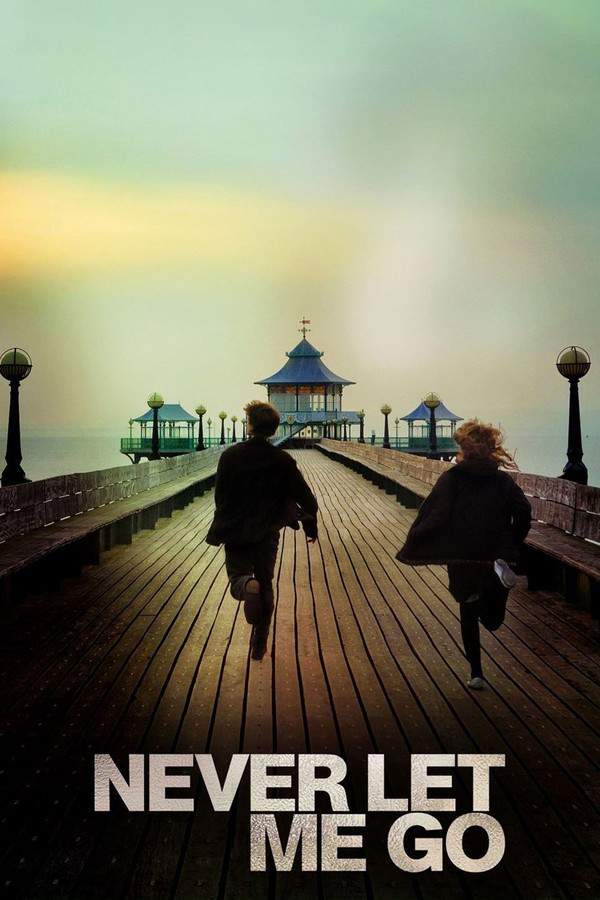
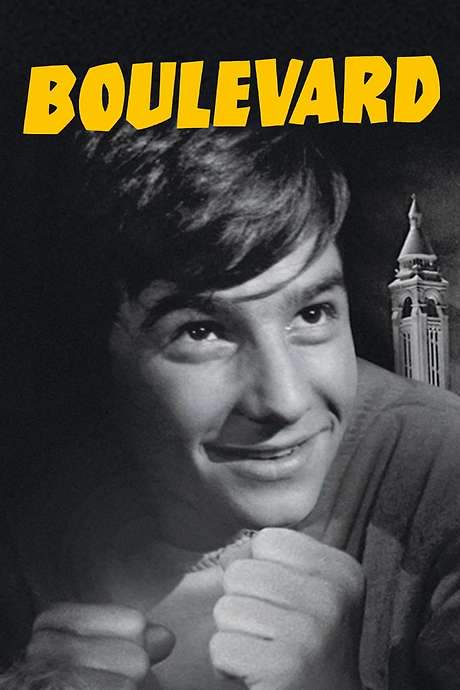
Movies about rebellious youth like The 400 Blows

Stories of young outsiders grappling with neglect and societal indifference.Explore films like The 400 Blows that capture the melancholic journey of young outsiders. If you appreciated the story of Antoine Doinel, you'll find similar coming-of-age dramas about alienation and rebellion here.

melancholicrebelliousalienatedsomberdesperateyouthfuloppressivereflective

Narrative Summary

The narrative typically follows a linear, character-driven descent, chronicling a young person's increasing acts of rebellion against oppressive or indifferent authority figures. The journey is often internal, focusing on emotional neglect and the search for identity, leading to an ending that is poignant and ambiguous.

Why These Movies?

These films are grouped by their shared focus on the emotional weight of youthful disillusionment. They possess a melancholic tone, steady pacing, and a straightforward narrative that creates a direct, personal connection to the protagonist's struggles with a cold or unjust world.
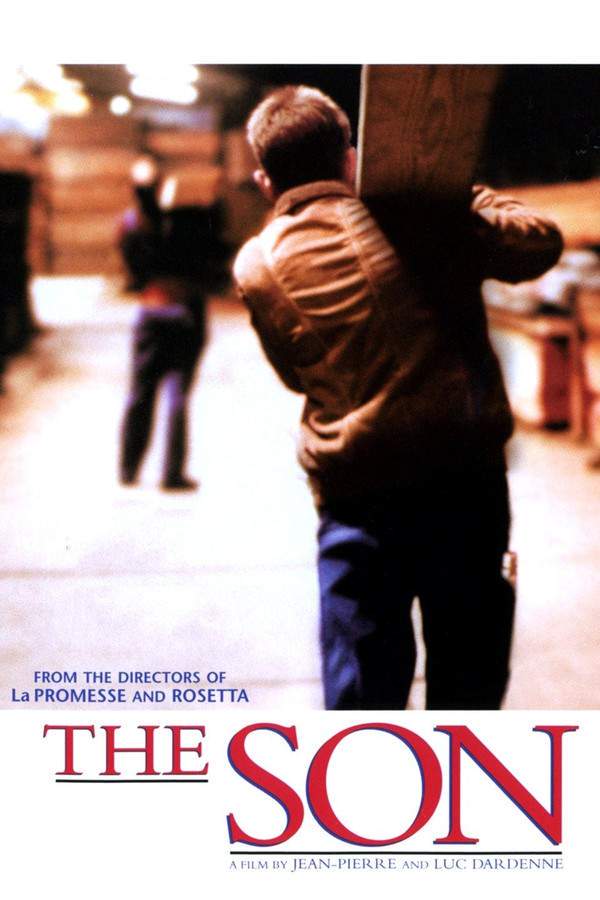
Bleak critiques of society like in The 400 Blows

Character-centric dramas exposing the failures of rigid social systems.Find movies similar to The 400 Blows that offer a bleak look at how systems fail the individual. These character studies share a somber mood and focus on themes of neglect and institutional failure.

oppressivesomberinstitutionalbleakcriticaldysfunctionalneglectdesperate

Narrative Summary

The plot follows a protagonist, often an underdog, as they navigate and ultimately clash with an uncaring system. The narrative is straightforward, emphasizing the emotional impact of systemic failure rather than complex plotting. The conclusion is typically ambiguous or bleak, leaving the character's fate uncertain and the system's flaws exposed.

Why These Movies?

These movies are united by their somber examination of how individuals are failed by the structures around them. They share a heavy emotional weight, a melancholic or bleak tone, and a focus on the direct, personal consequences of systemic indifference.

Unlock the Full Story of The 400 Blows

Don't stop at just watching - explore The 400 Blows in full detail. From the complete plot summary and scene-by-scene timeline to character breakdowns, thematic analysis, and a deep dive into the ending - every page helps you truly understand what The 400 Blows is all about. Plus, discover what's next after the movie.

The 400 Blows Summary

Read a complete plot summary of The 400 Blows, including all key story points, character arcs, and turning points. This in-depth recap is ideal for understanding the narrative structure or reviewing what happened in the movie.

The 400 Blows Summary

Characters, Settings & Themes in The 400 Blows

Discover the characters, locations, and core themes that shape The 400 Blows. Get insights into symbolic elements, setting significance, and deeper narrative meaning - ideal for thematic analysis and movie breakdowns.

Characters, Settings & Themes in The 400 Blows

The 400 Blows Spoiler-Free Summary

Get a quick, spoiler-free overview of The 400 Blows that covers the main plot points and key details without revealing any major twists or spoilers. Perfect for those who want to know what to expect before diving in.

The 400 Blows Spoiler-Free Summary

More About The 400 Blows

Visit What's After the Movie to explore more about The 400 Blows: box office results, cast and crew info, production details, post-credit scenes, and external links - all in one place for movie fans and researchers.

More About The 400 Blows

Similar Movies to The 400 Blows

Discover movies like The 400 Blows that share similar genres, themes, and storytelling elements. Whether you’re drawn to the atmosphere, character arcs, or plot structure, these curated recommendations will help you explore more films you’ll love.