Plot Explained Spoilers guaranteed!
Plot Explained

Browse by genre

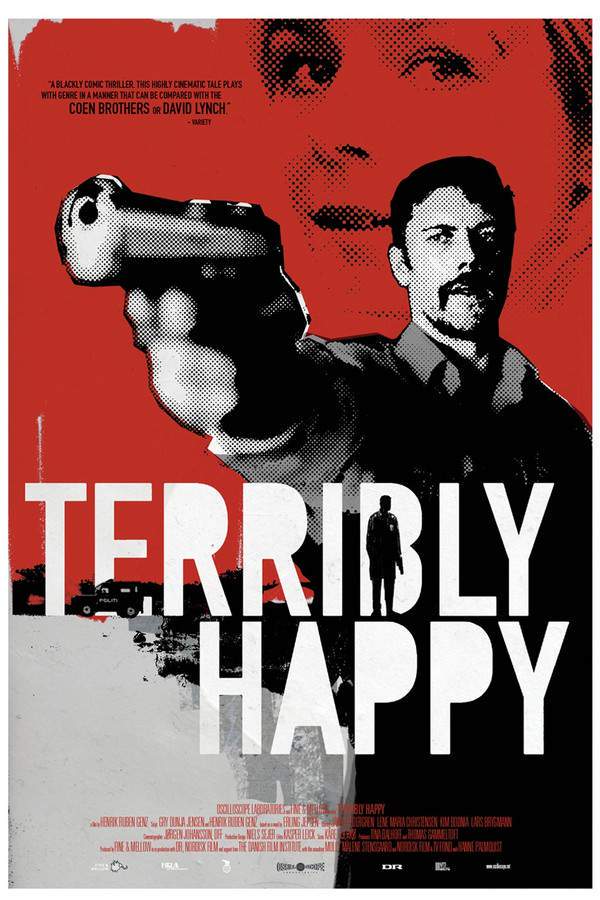
Terribly Happy (2010) movie poster

Characters & Themes

Terribly Happy (2010) Characters, Setting & Themes Explained

Release, runtime and language
2010 · 90 min · Danish
Loading streaming availability…
Directed by
Henrik Ruben Genz

Following a personal breakdown, a cynical police officer, Robert Hanson, is reassigned to a seemingly peaceful rural town. There, he becomes involved with an enigmatic woman, finding his tough-cop perspective challenged by the town’s unusual atmosphere. As he navigates this unfamiliar environment, Hanson descends into a troubling and dangerous situation, forcing him to confront his own fractured sense of self.

On this page (8)
  1. 1 Where to watch
  2. 2 Characters explained (4)
  3. 3 Where & when it takes place
  4. 4 Themes & meaning (3)
  5. 5 Character & meaning questions
  6. 6 Movie threads
  7. 7 Movies like Terribly Happy
  8. 8 Every angle
Loading streaming availability…

4 main characters · contains spoilers

Terribly Happy Characters Explained: Who Is Who

The main characters of Terribly Happy (2010), heroes and villains: what drives them, how they change over the course of the story and what each of them reveals about the film's bigger ideas.

  • Robert Hansen

    Robert Hansen is a fragile police officer grappling with his mental state after a breakdown triggered by personal strife. Assigned to Skarrild, he embodies both the protector and the transgressor as he becomes entangled in the village's dark secrets. His journey through guilt, longing, and moral complexity creates a multifaceted character torn between duty and desire.

    • 👮 Law Enforcement
    • 😞 Vulnerability
    • ❤️ Complicated Romance
  • Ingelise Buhl

    Ingelise Buhl is a deeply troubled woman whose life is overshadowed by domestic abuse. Her relationship with Robert elicits both tenderness and tragedy, as her vulnerability draws him in while also leading to a catastrophic outcome. Ingelise's character highlights the consequences of violence and the struggle for understanding amidst chaos.

    • 💔 Abuse Victim
    • 😢 Tragic Figure
    • ❤️ Love Interest
  • Jørgen

    Jørgen is portrayed as the antagonist in Ingelise's life, embodying the violence and toxicity that haunts their relationship. His behavior fuels Robert's protective instincts, but ultimately leads to a tragic confrontation. Jørgen’s presence looms large even in his absence, as he symbolizes the dark undercurrents of the village life.

    • 🔫 Abusive Spouse
    • 😠 Conflict
    • 💀 Tragedy
  • Josefine

    Josefine is Robert's daughter, whose well-being serves as a catalyst for his decisions throughout the film. Her distance from Robert exacerbates his sense of loss and drives his need to regain stability in his life. Josefine represents both the hope for redemption and the innocent victim of her father's turmoil.

    • 👧 Innocence
    • ❤️ Family
    • 😭 Longing

Last updated: October 22, 2024 at 21:45

Was this helpful?

Setting

Where and When Does Terribly Happy Take Place?

The setting of Terribly Happy (2010): the year and time period, the places and locations, and how they shape the characters, the mood and the tension of the story.

Time period

The movie takes place in contemporary times, where issues of domestic violence and personal morality intertwine with law enforcement. The narrative unfolds in a setting that reflects modern societal issues, highlighting the complexities of justice and personal responsibility.

Location

Skarrild, Tonder, Copenhagen

Skarrild is a small village nestled in a damp lowland area, known for its tight-knit community and eccentric residents. It presents a seemingly serene facade, yet hides dark secrets and a preference for self-administered justice. Tonder serves as the nearby town, with a more established law enforcement presence, while Copenhagen represents the more urban backdrop that contrasts with Skarrild.

  • 🏡 Village
  • 🌳 Countryside
  • 🚓 Law Enforcement

Last updated: October 22, 2024 at 21:45

Was this helpful?

3 major themes

Terribly Happy Meaning: Themes & Message Explained

What is Terribly Happy (2010) really about? The emotional, social and philosophical themes the film keeps returning to, its symbolism and the message beneath the surface.

  • Justice

    The theme of justice is central to the narrative, as Robert faces moral dilemmas when the villagers choose to enact their own form of justice instead of involving the authorities. His initial role as a protector is challenged as he becomes embroiled in violence and cover-ups. The blurred lines between right and wrong complicate Robert's journey and culminate in a personal reckoning.

  • Tragedy

    Tragedy permeates the story as personal relationships unravel, culminating in a heartbreaking incident involving Ingelise. The aftermath of her death leads to a series of tragic decisions that haunt Robert, emphasizing the devastating consequences of actions taken in passion. The theme of loss extends beyond individuals to impact the entire community.

  • Guilt

    Guilt is a pervasive theme that influences Robert’s every action following Ingelise's death. His internal conflict and recognition of his role in the tragedy reveal the psychological burden he carries. The exploration of guilt leads Robert to make increasingly desperate choices, highlighting how past actions can trap individuals in moral quandaries.

Last updated: October 22, 2024 at 21:45

Was this helpful?

Character & theme questions

Terribly Happy Characters & Meaning: Your Questions Answered

The questions people ask about Terribly Happy (2010): who the characters really are, their relationships, what the symbols mean, where it takes place and what the movie is really about. Each answer contains spoilers.

Q1

Why is the setting important to the story's mood?

Skarrild's small, isolated village setting creates an atmosphere of claustrophobia and moral ambiguity. The tight-knit community hides dark secrets and prefers handling problems internally rather than involving outside authorities, which allows the film's themes of self-administered justice and corruption to unfold naturally.

  • skarrild
  • village setting
  • mood
  • isolation
  • rural denmark
Q2

What does the justice theme examine?

The justice theme explores the moral conflict between law enforcement and community vengeance. As a police officer, Robert initially represents official justice, but the villagers' preference for self-administered justice forces him to confront where his loyalties lie, blurring the lines between right and wrong.

  • justice
  • law enforcement
  • moral dilemma
  • vigilante
  • corruption
Q3

Why is Robert Hanson the main character?

Robert Hanson serves as the protagonist because his personal breakdown and reassignment to Skarrild create the framework for exploring the film's themes. His position as an outsider-turned-insider allows the audience to discover the village's dark secrets alongside him while his moral descent drives the narrative.

  • robert hanson
  • protagonist
  • police officer
  • moral descent
  • breakdown
Q4

Who is Ingelise Buhl in the story?

Ingelise Buhl is a troubled woman living in Skarrild whose life is overshadowed by domestic abuse from her partner Jørgen. Her fragile state and relationship with Robert become central to the film's tragic events, highlighting the devastating consequences of violence and vulnerability.

  • ingelise buhl
  • domestic abuse
  • victim
  • tragedy
  • jørgen
Q5

How does guilt drive the narrative?

Guilt acts as the psychological engine of the film, consuming Robert after Ingelise's death and leading him into increasingly desperate choices. His internal conflict and recognition of his role in the tragedy trap him in moral quandaries, ultimately forcing him into complicity with the village's corruption.

  • guilt
  • psychological
  • moral conflict
  • consequences
  • desperation
Q6

Why does the ending feel so bleak?

The ending is bleak because Robert, instead of finding redemption or escaping his circumstances, becomes permanently trapped as a blackmail victim. He is forced to become an accomplice to the very corruption he initially resisted, symbolizing his complete moral destruction and the impossibility of escape from Skarrild's influence.

  • bleak ending
  • redemption
  • corruption
  • trapped
  • blackmail
Q7

Why is Robert's daughter important to his character?

Josefine serves as Robert's primary motivation throughout the film, representing both his hope for redemption and the innocent victim of his turmoil. Her distance from him exacerbates his sense of loss and drives his desperate need to regain stability, making his ultimate moral failure more devastating.

  • josefine
  • daughter
  • redemption
  • family
  • motivation
Q8

What does the tragedy theme reveal about the story?

The tragedy theme reveals how personal relationships unravel under the weight of violence and passion. Ingelise's death sets off a chain of tragic decisions that haunt not just Robert but the entire community, demonstrating how actions taken in desperation ripple outward to impact everyone.

  • tragedy
  • death
  • consequences
  • community
  • loss
Q9

What is the relationship between Skarrild and Tonder?

Tonder represents the outside world with established law enforcement, contrasting sharply with Skarrild's self-governing justice system. This tension highlights the film's exploration of how isolated communities create their own moral codes and why outside authority figures like Robert struggle to impose traditional justice.

  • tonder
  • law enforcement
  • contrast
  • authority
  • community justice
Q10

What makes Skarrild's atmosphere unusual?

Skarrild presents a serene facade that hides dark secrets and eccentric residents who favor self-administered justice. This duality, peaceful appearance versus corrupt underbelly, creates the unsettling atmosphere that defines the film and mirrors Robert's own fractured sense of self.

  • skarrild
  • dark secrets
  • eccentric
  • unsettling
  • facade

Movie threads

More Movies Like Terribly Happy, by Mood & Story

Curated lists built around what makes Terribly Happy tick: the same mood, the same kind of story or the same emotional payoff. Each list explains why these movies belong together.

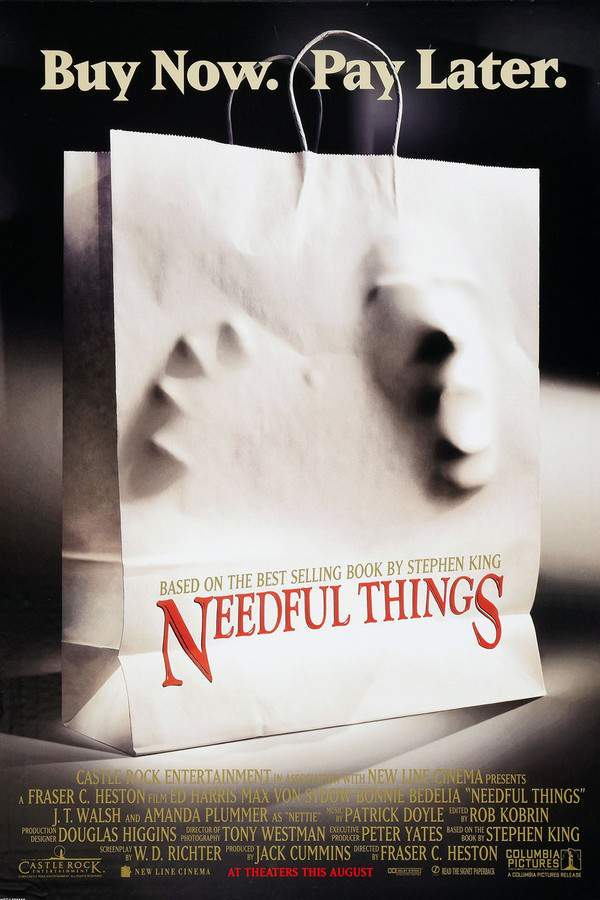
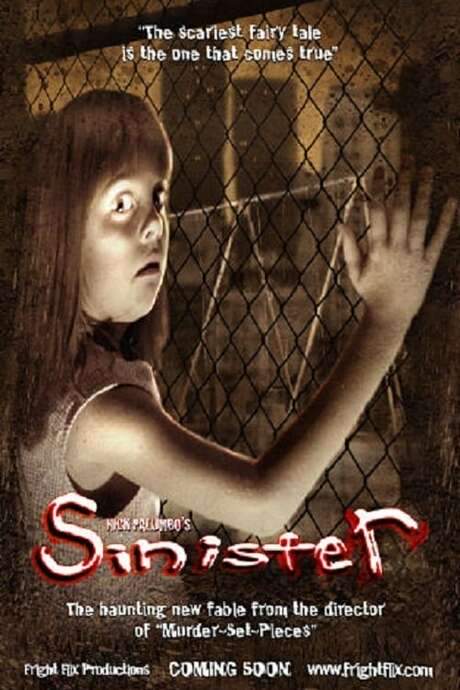
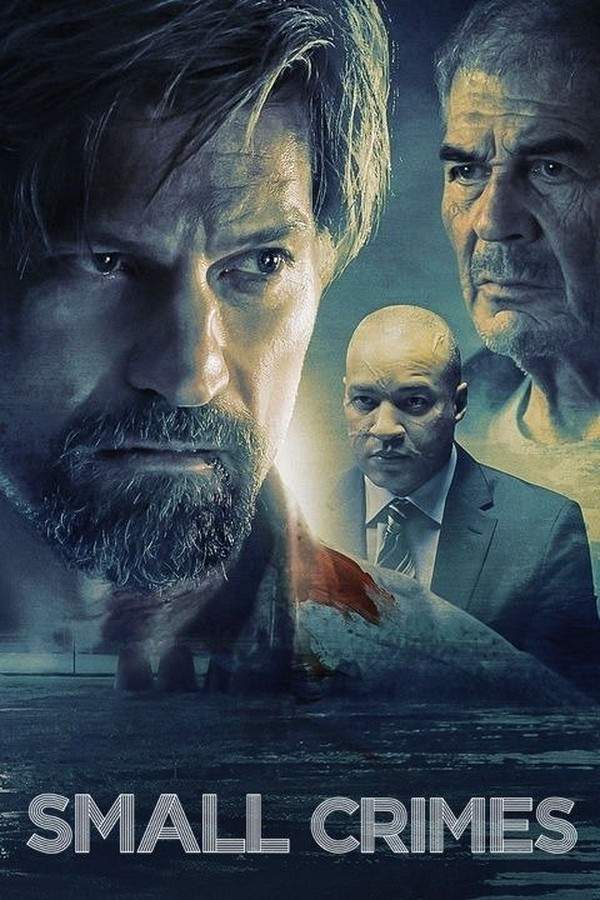
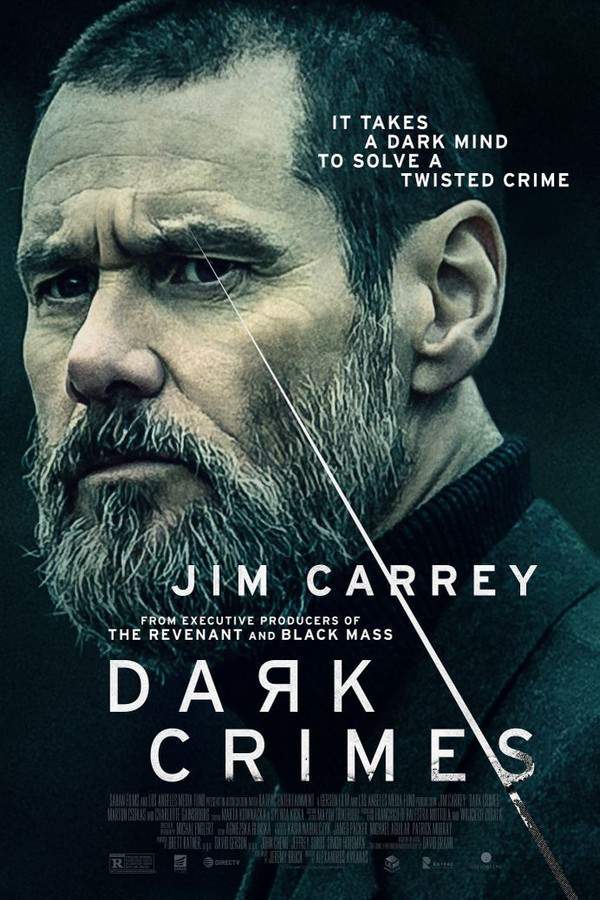
Sinister Small Town Stories like in Terribly Happy

Where idyllic country settings hide dark secrets and twisted local justice. For viewers who liked the oppressive rural atmosphere of Terribly Happy, this list features movies like it where a peaceful country setting hides dark secrets, corrupt locals, and a sense of inescapable dread that traps an outsider.

  • unsettling
  • claustrophobic
  • oppressive
  • tense
  • paranoid
  • sinister
  • Tone: dark, unsettling
  • Pacing: steady, deliberate
Why these movies?

The story pattern: Stories typically follow an outsider—a lawman, a newcomer, or a visitor—who enters a seemingly peaceful rural community. They soon uncover the town's dark underbelly, becoming entangled in a web of local secrets, corrupt power structures, and a skewed form of justice that challenges their own morality and often leads to their entrapment or downfall.

Why they belong together: These films are grouped by their use of a specific setting—the sinister small town—as a primary antagonist. They share a mood of claustrophobia and paranoia, where the threat comes not from a single villain but from the entire community and its oppressive, unwritten rules.
Stories of Moral Collapse like in Terribly Happy

Character-driven stories where good intentions lead to inescapable moral decay. If you liked watching the policeman's moral demise in Terribly Happy, explore these similar movies about characters who make one wrong choice and are systematically pulled into a world of corruption, guilt, and irrevocable compromise.

  • tense
  • guilt-ridden
  • psychological
  • bleak
  • heavy
  • unsettling
  • Tone: dark, bleak, guilt-ridden
  • Pacing: steady, escalating
Why these movies?

The story pattern: The narrative pattern is a linear or logical descent. A character, often with a flawed or vulnerable starting point, is faced with a series of escalating ethical dilemmas. Each compromise, whether accidental or coerced, tightens the trap, leading them further from their original morals until they are fully absorbed by the corruption they initially opposed.

Why they belong together: These movies are united by a focused character arc of moral disintegration. They share a heavy emotional weight, a dark tone, and a steady pacing that makes the protagonist's downfall feel inevitable. The experience is defined by psychological tension and a bleak outlook on human fallibility.

If you liked this

Movies Like Terribly Happy

Similar movies to Terribly Happy: the same genre, themes or kind of story. Each one comes with its own plot summary, timeline and ending explained.

Browse all movie summaries

Every angle

Terribly Happy (2010) Explained: Plot, Timeline & Characters

Everything about Terribly Happy in one place: what happens in the plot summary, the timeline in chronological order, the characters and meaning and a spoiler-free summary. What's After the Movie adds the cast, box office and post-credit scenes.

Coming soon on iOS and Android

The Plot Explained Movie Summary App

Plot summaries, endings explained and timelines on your phone. Catch up on any movie in minutes, save your favorites and never miss a twist again.

Be the first to know when we launch. Your email stays private, always.

Learn more about the app