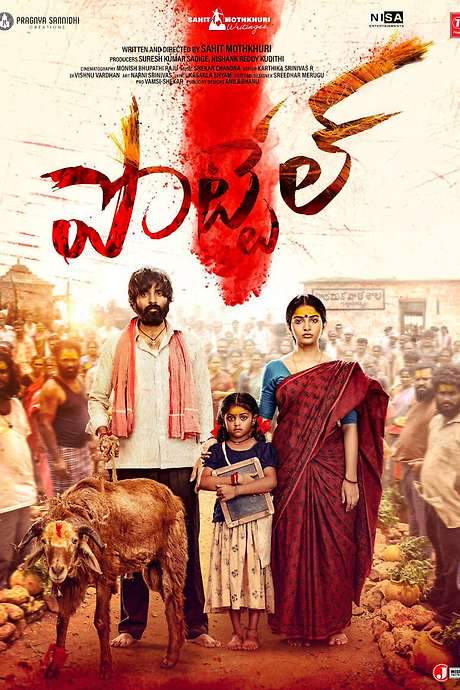
In the village of Sendhipatti, Sudalaiyandi Lal tends to the laundry needs of the community and carries out the last rites for the deceased, a dual duty that binds his social standing to the labor he performs. He clings to a hopeful belief in education as the key to earning basic respect and dignity, and he dreams of one day becoming a government servant. Yet a cruel twist of fate arrives when unscrupulous upper-caste men coerce him into performing a last rites ritual for a deceased person, an act that leads him to miss his VAO exam and fuels a deepening sense of injustice.
Chinnasamy [Cheran], the brother to Valli, faces a different struggle intertwined with caste politics. Valli [Deepshika Umapathy] is a medical student who is in love with Sudalaiyandi’s son, a romance that exposes the fault lines of caste prejudice. After feeling trapped in his own work, Chinnasamy abandons the laundering trade and tries to make a living by raising cattle and selling milk. His dairy enterprise is undermined by upper-caste men who rally fellow casteists to boycott his milk, threatening his livelihood and his family’s security.
Gandhi [Vela Ramamoorthy]—a figure once driven by harsh actions toward love across caste lines but now transformed—has chosen to stand with Chinnasamy, offering support and encouragement to persevere with the dairy business despite the social pressure bearing down on them.
When Sudalaiyandi and his allies spot his son with Valli, they brutally attack her in front of him. Chinnasamy arrives but can only cry out in helpless distress as he watches his sister suffer. Six months later, Pechimuthu, Sudalaiyandi’s father, passes away, and Chinnasamy is summoned to perform the last rites, yet he refuses out of a steadfast sense of self-respect. In response, Sudalaiyandi sends his brother-in-law, Esakki [Aruldoss], to fetch a last-rites performer from neighboring villages, but that plan fails, intensifying the conflict.
In a tense turn, Sudalaiyandi himself confronts Chinnasamy, and the situation escalates to violence. Chinnasamy seeks shelter at the police station, where the inspector—who is a relative of Sudalaiyandi—falsely accuses him of theft and brutalizes him in custody. SP Anthonysamy arrives just in time to intervene and rescue him, ordering Pechimuthu’s body to be kept in the mortuary and providing protection to Chinnasamy’s family, along with a shoot-on-sight directive against anyone obstructing them. The case is moved from Tirunelveli to the Madras High Court’s Madurai bench, igniting a public confrontation over caste, reservation, and discrimination.
Three months later, in the courtroom, Chinnasamy petitions to be classified as casteless alongside other Scheduled Castes. The advocates engage in a heated debate over casteism and the reservation system, while the judgment ultimately upholds his personal right to choose whether or not to perform rituals and suggests that such duties be done by individuals from within their own community. It also proclaims that profession is an individual identity, not a caste identity. Unable to witness his son bearing the burden, Sudalaiyandi accepts the new reality. In a closing scene that reinforces the court’s order, Chinnasamy enrolls his son in school and proudly notes “Tamilkudimagan” as their caste on the admission form.