Plot Explained Spoilers guaranteed!
Plot Explained

Browse by genre

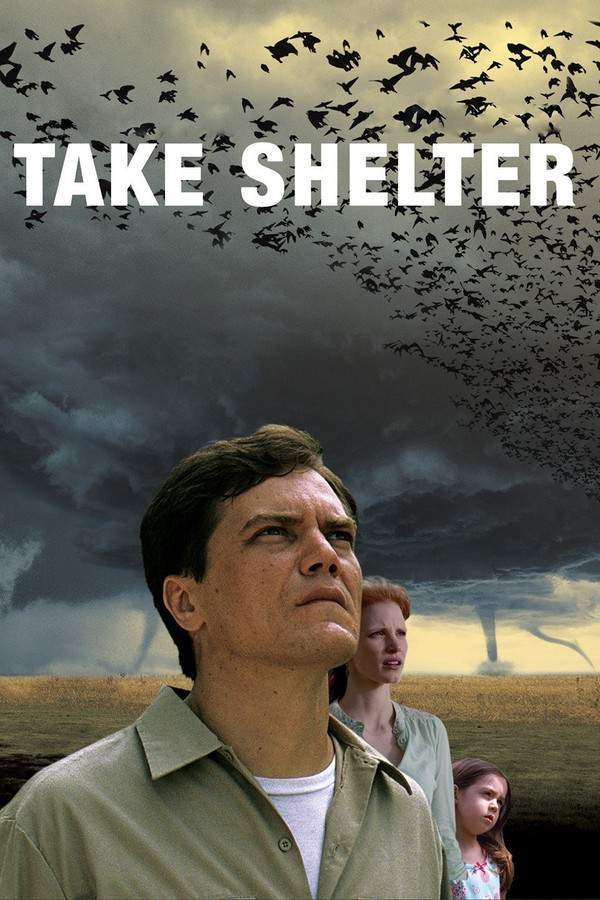
Take Shelter (2011) movie poster

Plot Summary

Take Shelter (2011) Plot Summary Explained

Release, runtime and language
2011 · 120 min · English
JustWatch #2,186 42
Directed by
Jeff Nichols
Starring
Shea Whigham, Michael Shannon, Jessica Chastain
Budget
$5M

Haunted by disturbing dreams and a growing sense of dread, Curtis LaForche becomes increasingly fixated on building a storm shelter in his Ohio hometown. His wife, Sarah, and their young daughter are concerned by his erratic behavior and the financial strain of his obsession. As Curtis’s fear intensifies, he struggles to discern between his nightmares and reality, and must confront the possibility that his visions could be a warning of a devastating storm.

On this page (6)
  1. 1 Where to watch
  2. 2 What happens: full plot
  3. 3 Plot questions answered
  4. 4 Movie threads
  5. 5 Movies like Take Shelter
  6. 6 Every angle

Where to watch

Where to Watch Take Shelter (2011)

Where can you watch Take Shelter? Stream, rent or buy it in the US, including on Amazon Prime Video, Amazon Video and Apple TV Store: current JustWatch availability with up-to-date prices.

Streaming availability powered by JustWatch

Full plot summary · contains spoilers

What Happens in Take Shelter: Full Plot Summary

The whole story of Take Shelter (2011) explained, from the opening scene to the final frame: every key event, every twist and what it all adds up to. Read it as a quick recap before the sequel, to check a scene you missed, or to finally understand what really happened.

In the small town of LaGrange, Ohio, Curtis LaForche experiences increasingly distressing apocalyptic dreams and vivid hallucinations, including visions of rain resembling "fresh motor oil," foreboding swarms of black birds, and threats from those he loves. He conceals these haunting experiences from his wife, Samantha, and their deaf daughter, Hannah, choosing instead to focus his mounting anxiety on a compulsive drive to construct an elaborate storm shelter in their backyard. However, Curtis's erratic behavior – such as cutting ties with those who hurt him in his dreams – creates tension with his family, friends, and employer, ultimately jeopardizing his construction job as he borrows equipment for his project without permission.

To cope with his escalating insomnia and ominous visions, Curtis seeks help from a counselor at a community clinic, delving into his family’s mental health history. He learns that his mother, Sarah, battled paranoid schizophrenia around the same age he is now, leaving him fearful that he may share this fate.

In a reckless bid to finance the shelter's renovation, Curtis secures a home improvement loan that stretches his finances beyond breaking point – all while keeping this secret from Samantha. When she eventually discovers his plans, her anger intensifies. The situation worsens after Curtis takes an excessive dose of sedatives, leading to a seizure that prompts Samantha to call for an ambulance. Once he recovers, Curtis reveals the full truth of his struggles and dreams to her.

As Curtis becomes more absent from work, strains develop with his boss, who ultimately fires him upon learning about the borrowed tools, leaving him with a mere two weeks of medical benefits. This decision coincides with Samantha preparing for Hannah's upcoming cochlear implant surgery, adding pressure to their already strained situation. In a desperate attempt to provide a sense of safety, Curtis purchases gas masks for the family and temporarily extends his previous employer’s health insurance.

Things take a turn when Curtis finds out that his counselor has been replaced, pushing him deeper into despair. Amid the mounting pressure, Samantha insists that they attend a community event to reclaim some normality. However, the evening spirals into chaos when a bitter coworker, Dewart, confronts Curtis and provokes a physical altercation that sees Curtis lash out, proclaiming that a catastrophic storm is imminent and that none of their neighbors are prepared.

Their lives come to a head when a tornado warning forces the family to retreat to the shelter. Upon awakening, Curtis hesitates to remove his gas mask, conflicted by the haunting sounds he still perceives outside. With Samantha urging him that there is no storm, he ultimately flings open the shelter doors, revealing a bright world outside where neighbors are already beginning the cleanup from a passing storm.

Following this, a psychiatrist recommends that the couple take their planned beach vacation, with an emphasis on Curtis seeking help at a facility after the trip. At Myrtle Beach, as Curtis builds sandcastles with Hannah, she signs "storm." Moments later, as Samantha steps outside, the oily rain Curtis envisioned begins to fall, transforming her hand blackened with the ominous rain as she gazes at the menacing storm clouds gathering above the ocean. She and Curtis share a silent understanding as the gravity of their situation looms ever closer, whispering "okay" amidst the looming threat.
Last updated: November 16, 2024 at 17:45

Was this helpful?

Plot questions answered

Take Shelter Plot Explained: Your Questions Answered

The questions people ask most about Take Shelter (2011): what happens in the confusing scenes, why the characters do what they do, the twists, hidden details and what the ending means. Each answer contains spoilers.

Q1

Why does Curtis become obsessed with building a storm shelter?

Curtis builds the storm shelter because he's experiencing vivid apocalyptic visions of impending disaster, including oily rain, black bird swarms, and threats to his family. These recurring nightmares consume him with dread, and he becomes convinced that a catastrophic storm is coming. The shelter represents his desperate attempt to protect his wife Samantha and deaf daughter Hannah from what he believes is an inevitable catastrophe.

Foreshadowing: The storm shelter project begins shortly after Curtis's first disturbing dreams appear, establishing his compulsive response to his visions.

  • storm shelter
  • apocalyptic visions
  • Curtis LaForche
  • mental illness
  • paranoia
Q2

Does Curtis have the same mental illness as his mother?

Curtis fears he has inherited his mother's paranoid schizophrenia, which struck around his current age. He discovers this family history when seeking help at the community clinic, learning that his mother Sarah battled the condition when she was his age. This revelation intensifies his anxiety about whether his visions are early warning signs of the same illness or genuine premonitions of disaster.

Foreshadowing: Curtis's age (approximately 35) matches when his mother's symptoms first appeared, creating ominous parallel.

  • paranoid schizophrenia
  • family history
  • hereditary mental illness
  • Curtis mother Sarah
Q3

Why does Curtis keep his apocalyptic dreams secret from his wife?

Curtis conceals his dreams and visions from Samantha because he fears she'll think he's losing his mind, just like his mother. He also worries that revealing the truth might isolate him further or lead to his hospitalization. By focusing on the concrete project of building the shelter instead, he attempts to act on his fears without having to explain their source.

Foreshadowing: Curtis's secretive behavior begins early, as he hides his haunting experiences while appearing outwardly focused on practical preparations.

  • dreams
  • secrets
  • marriage strain
  • mental health stigma
  • Curtis Samantha
Q4

Why does Curtis get fired from his construction job?

Curtis is fired because he borrowed equipment from his employer for his personal shelter project without permission, and his increasing absences due to insomnia and mental distress create problems at work. When his boss discovers the borrowed tools, he terminates Curtis, leaving him without income and without the medical benefits that were about to expire, specifically just two weeks before Hannah's cochlear implant surgery.

Foreshadowing: Curtis's obsession with the shelter progressively takes priority over his work responsibilities, setting up the conflict that leads to his termination.

  • fired
  • construction job
  • borrowed equipment
  • financial stress
  • job loss
Q5

What happens after Curtis takes too many sedatives?

After Curtis takes an excessive dose of sedatives in an attempt to sleep and escape his visions, he suffers a seizure. This medical emergency forces Samantha to call an ambulance, marking a critical turning point. The overdose reveals the severity of Curtis's mental state and finally compels him to reveal the full truth about his struggles and dreams to his wife.

Foreshadowing: The overdose occurs as Curtis's insomnia worsens and his attempts to manage his anxiety become increasingly desperate.

  • seizure
  • overdose
  • sedatives
  • Samantha calls ambulance
  • mental breakdown
Q6

Why does Curtis's counselor replacement affect him so deeply?

When Curtis learns that his counselor at the community clinic has been replaced, he experiences a profound sense of abandonment at a time when he desperately needs continuity and support. This replacement pushes him deeper into despair and isolation, intensifying his feeling that no one can help him navigate his deteriorating mental state.

Foreshadowing: The counselor replacement happens at a moment when Curtis is already struggling with mounting pressures from his job, family, and financial situation.

  • counselor replaced
  • mental health support
  • abandonment
  • clinic
  • despair
Q7

What causes the confrontation at the community event?

At a community event that Samantha insists they attend to reclaim normalcy, a bitter coworker named Dewart confronts Curtis. The confrontation escalates into a physical altercation, with Curtis lashing out and proclaiming that a catastrophic storm is imminent and that none of their neighbors are prepared. This public breakdown showcases Curtis's unraveling state of mind and further isolates his family.

Foreshadowing: Curtis's mounting stress from job loss, financial strain, and his visions reaches a breaking point in this public setting.

  • Dewart
  • community event
  • fight
  • public breakdown
  • tornado warning
Q8

Is the storm real at the end of Take Shelter?

The ending deliberately leaves this question unanswered, maintaining ambiguity about whether Curtis's visions were prophetic or symptomatic of mental illness. When Curtis opens the shelter doors after the tornado warning, the world appears intact and normal, yet at Myrtle Beach, the oily rain Curtis predicted actually begins to fall, blackening Samantha's hand. This ambiguous finale leaves viewers uncertain whether the disaster Curtis feared is real or if the family is experiencing a shared delusion.

Foreshadowing: The earlier tornado warning turns out to be a false alarm, but the final oily rain at the beach mirrors exactly what Curtis saw in his visions.

  • ambiguous ending
  • oily rain
  • storm real
  • prophecy vs delusion
  • Myrtle Beach
Q9

Why does Hannah sign "storm" at Myrtle Beach?

At Myrtle Beach while building sandcastles with Curtis, Hannah gloomily signs the word "storm." This ominous sign suggests either a shared precognition with her father, a child's innocent mirroring of his fears, or the unsettling realization that Curtis's visions may be affecting his family on a deeper level. The sign foreshadows the oily rain that immediately follows.

Foreshadowing: Hannah's deafness gives her unique sensitivity, and her sign mirrors exactly the vision Curtis has been having about impending disaster.

  • Hannah signs storm
  • deaf daughter
  • precognition
  • sandcastles
  • family connection
Q10

Why does Samantha react with anger when she discovers the loan?

Samantha becomes furious when she discovers Curtis has secretly taken out a home improvement loan to finance the storm shelter. Her anger stems from the financial deception during an already strained period, especially as they were preparing for Hannah's expensive cochlear implant surgery. The loan represents not just money but a fundamental breach of trust and an escalation of Curtis's irrational behavior.

Foreshadowing: The financial strain from the loan compounds the existing pressure from Curtis's job loss and family obligations.

  • home improvement loan
  • Samantha anger
  • financial deception
  • Hannah surgery
  • trust
Q11

What does Curtis actually see in his apocalyptic visions?

Curtis's visions include ominous rain that looks like "fresh motor oil," swarms of black birds, threats from people he loves, and a sense of impending catastrophic weather. These recurring nightmares feature destruction and danger that he interprets as premonitions of a real disaster. The specificity of his visions, particularly the oily rain, ultimately appears to come true at the film's conclusion.

Foreshadowing: The oily rain vision is the most specific and ultimately becomes the film's chilling payoff.

  • apocalyptic dreams
  • oily rain
  • black birds
  • visions
  • premonitions
Q12

Why does the movie leave the ending ambiguous about whether Curtis is right?

The ambiguous ending is intentional, reflecting the film's central theme of uncertainty between mental illness and genuine premonition. By refusing to confirm or deny whether Curtis's visions are prophetic, the film explores the terrifying question of what happens when your worst fears might be real. This ambiguity amplifies the film's psychological horror and leaves viewers with lingering dread about the family's future.

Foreshadowing: Throughout the film, the question of whether Curtis is experiencing premonitions or psychosis remains deliberately unresolved.

  • ambiguous ending
  • prophecy vs psychosis
  • mental illness theme
  • interpretation
  • horror

Movie threads

More Movies Like Take Shelter, by Mood & Story

Curated lists built around what makes Take Shelter tick: the same mood, the same kind of story or the same emotional payoff. Each list explains why these movies belong together.

Slow Burn Psychological Movies like Take Shelter

Stories where quiet tension slowly unravels a character's grasp on reality. If you liked the unsettling, gradual tension of Take Shelter, explore more movies that master the slow burn. These films delve into psychological unease and paranoia, using a deliberate pace to immerse you in a character's deteriorating mental state, often leaving you with ambiguous and thought-provoking endings.

  • slow burn
  • psychological
  • anxious
  • paranoid
  • claustrophobic
  • ominous
  • Tone: tense, anxious, melancholic
  • Pacing: slow burn, deliberate
Why these movies?

The story pattern: The narrative pattern typically follows a single protagonist experiencing a growing sense of dread or witnessing unsettling phenomena. The story unfolds slowly, emphasizing their internal struggle and the strain on their personal relationships, rather than relying on fast-paced action. The central conflict is often the ambiguity of the threat: is it real or a product of a fractured mind?

Why they belong together: Movies in this thread share a specific pacing and tone. They are united by a deliberate, slow-building narrative that creates a palpable sense of anxiety, a focus on subjective reality, and a heavy emotional weight centered on psychological distress. The viewing experience is consistently tense and claustrophobic.

Family Crisis Dramas Similar to Take Shelter

Dramas where a family unit is strained by an external obsession or looming threat. For viewers who appreciated the marital and familial strain in Take Shelter, this collection highlights movies where a family's foundation cracks under pressure. These stories focus on the emotional toll of obsession, financial stress, or apocalyptic fear, testing the limits of love and trust within the home.

  • family crisis
  • marital strain
  • financial stress
  • obsession
  • heavy drama
  • emotional
  • Tone: tense, heavy, melancholic
  • Pacing: steady, character-driven
Why these movies?

The story pattern: The narrative follows a family, often through the perspective of one parent, as they confront a crisis that threatens their security and sanity. The plot revolves around the growing divide between the concerned family members and the increasingly isolated protagonist. The journey is emotionally heavy, focusing on the sacrifices and doubts involved in holding a family together against overwhelming odds.

Why they belong together: These films are grouped by their central theme of a family facing collapse due to an external force—be it mental illness, financial peril, or a perceived apocalyptic event. They share a heavy emotional weight, a tense tone, and a focus on the intimate, devastating impact of crisis on domestic life.

If you liked this

Movies Like Take Shelter

Similar movies to Take Shelter: the same genre, themes or kind of story. Each one comes with its own plot summary, timeline and ending explained.

Browse all movie summaries

Every angle

Take Shelter (2011) Explained: Plot, Timeline & Characters

Everything about Take Shelter in one place: what happens in the plot summary, the timeline in chronological order, the characters and meaning and a spoiler-free summary. What's After the Movie adds the cast, box office and post-credit scenes.

Coming soon on iOS and Android

The Plot Explained Movie Summary App

Plot summaries, endings explained and timelines on your phone. Catch up on any movie in minutes, save your favorites and never miss a twist again.

Be the first to know when we launch. Your email stays private, always.

Learn more about the app