





Plot Explained Spoilers guaranteed!
Plot Explained

Browse by genre

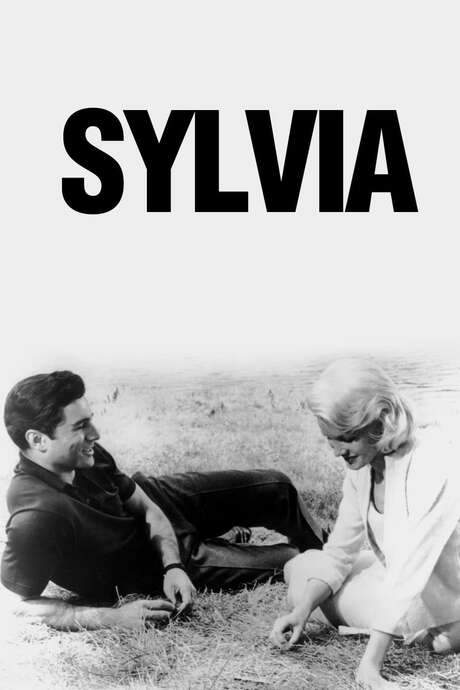
Sylvia (2003) movie poster

Characters & Themes

Sylvia (2003) Characters, Setting & Themes Explained

Release, runtime and language
2003 · 110 min · English
Directed by
Christine Jeffs
Starring
Daniel Craig, Lucy Davenport

A man's desire for a settled life and new romance is challenged by the unexpected persistence of Sylvia, an imaginary companion from his childhood. As he attempts to move forward, Sylvia resists, blurring the boundaries between his dreams and reality. He finds himself grappling with his past and confronting unsettling truths about himself, ultimately forced to choose between a hopeful future and the familiar comfort of his imaginary friend.

On this page (8)
  1. 1 Where to watch
  2. 2 Characters explained (2)
  3. 3 Where & when it takes place
  4. 4 Themes & meaning (3)
  5. 5 Character & meaning questions
  6. 6 Movie threads
  7. 7 Movies like Sylvia
  8. 8 Every angle

Where to watch

Where to Watch Sylvia (2003)

Where can you watch Sylvia? Stream, rent or buy it in the US, including on Amazon Video, Apple TV Store and Fandango At Home: current JustWatch availability with up-to-date prices.

Streaming availability powered by JustWatch

2 main characters · contains spoilers

Sylvia Characters Explained: Who Is Who

The main characters of Sylvia (2003), heroes and villains: what drives them, how they change over the course of the story and what each of them reveals about the film's bigger ideas.

  • Sylvia Plath

    played by Lucy Davenport

    An ambitious, sharp-witted poet whose talent clashes with domestic duties. She wrestles with depression while striving to publish and gain recognition, especially after moving between the US and UK. Her marriage to Ted Hughes exposes both love and jealousy, and she channels her personal pain into her poetry.

    • 🎨 Poet
    • 🧠 Brilliant
    • 💔 Fragile
  • Ted Hughes

    played by Daniel Craig

    A charismatic, accomplished poet whose fame and presence shape the couple's life. He is desirable and talented but also entangled in infidelity, complicating their marriage. He influences Plath's career, sometimes overshadowing her, though his own work flourishes in the shadows of their relationship.

    • 🎭 Poet
    • 🧲 Charismatic
    • 💬 Complex

Last updated: November 22, 2025 at 15:27

Was this helpful?

Setting

Where and When Does Sylvia Take Place?

The setting of Sylvia (2003): the year and time period, the places and locations, and how they shape the characters, the mood and the tension of the story.

Time period

1950s–1960s

Set mainly between the mid-1950s and the early 1960s, the film traces Plath's academic years, marriage, and ascent as a poet. It follows her Fulbright experience in Cambridge, her life in London and Devon, and the intense pressures of balancing creative ambition with family duties. The period highlights the literary circles surrounding her work and the personal turmoil that informs her poetry.

Location

Boston, Massachusetts, Cambridge, United Kingdom, London, United Kingdom, Devon, United Kingdom, Smith College, Massachusetts

The story unfolds across several locations that shaped Sylvia Plath's life: Boston, Massachusetts, her birthplace and early literary environment; Cambridge, United Kingdom, where she studied on a Fulbright and began her rise in poetry; London and Devon in England, where she builds a family and pursues writing amid public scrutiny; and Smith College in Massachusetts, the US campus where she taught and met Ted Hughes.

  • 📍 Historical
  • 🗺️ Biographical

Last updated: November 22, 2025 at 15:27

Was this helpful?

3 major themes

Sylvia Meaning: Themes & Message Explained

What is Sylvia (2003) really about? The emotional, social and philosophical themes the film keeps returning to, its symbolism and the message beneath the surface.

  • Creative Ambition

    Sylvia's talent drives her pursuit of published work and a distinct voice in poetry, even as she navigates domestic expectations. The film juxtaposes her prolific inner life with external pressures of marriage and societal roles. Her evolution as a writer unfolds against the background of transatlantic moves and evolving female artistry.

  • Love & Infidelity

    The relationship between Sylvia and Ted Hughes is portrayed as passionate yet fraught with strain and betrayal. The couple's dynamic explores desire, fidelity, jealousy, and the impact those tensions have on their partnership and creative output. Infidelity threads through their personal history and influences Sylvia's poetry.

  • Mental Struggle

    Depression and emotional turmoil are central to the narrative, shaping Sylvia's perceptions and writing. The film demonstrates how mental health challenges influence her decisions and the intensity of her creative expression. This struggle is presented as both a private burden and a catalyst for her most lasting work.

Last updated: November 22, 2025 at 15:27

Was this helpful?

Character & theme questions

Sylvia Characters & Meaning: Your Questions Answered

The questions people ask about Sylvia (2003): who the characters really are, their relationships, what the symbols mean, where it takes place and what the movie is really about. Each answer contains spoilers.

Q1

Where does the story take place?

The film follows Sylvia Plath's life across several key locations: Boston, Massachusetts where she was born and grew up; Cambridge, United Kingdom where she studied on a Fulbright scholarship; London and Devon in England where she built her family and pursued writing; and Smith College in Massachusetts where she taught and met Ted Hughes. The transatlantic setting reflects her restless journey between America and England.

  • locations
  • boston
  • cambridge
  • london
  • devon
  • smith college
  • england
  • usa
Q2

When is the movie set?

The film is set primarily during the 1950s through the early 1960s, covering Sylvia Plath's academic years, her marriage to Ted Hughes, and her rise as a poet. This period captures her Fulbright experience in Cambridge, her life in London and Devon, and the intense pressures she faced balancing creative ambition with family duties.

  • time period
  • 1950s
  • 1960s
  • era
  • historical context
Q3

What are the main themes of the film?

The film explores three interconnected themes: Creative Ambition, as Sylvia pursues publication and a distinct poetic voice against domestic expectations; Love and Infidelity, depicting her passionate but strained relationship with Ted Hughes marked by betrayal; and Mental Struggle, showing how depression shapes her decisions and fuels her most powerful writing.

  • themes
  • creative ambition
  • love
  • infidelity
  • mental health
  • depression
Q4

Who is Sylvia Plath in the movie?

Sylvia Plath is portrayed as an ambitious, sharp-witted poet whose literary talent clash with the domestic expectations placed on women in the 1950s-60s. She wrestles with severe depression while striving to publish and gain recognition as a writer. Her transatlantic moves and marriage to Ted Hughes expose both passionate love and devastating jealousy, and she channels her personal pain into her poetry.

  • sylvia plath
  • poet
  • character
  • ambition
  • depression
  • writer
Q5

Who is Ted Hughes in the story?

Ted Hughes is depicted as a charismatic, accomplished poet whose rising fame significantly shapes the couple's life in England. He is talented and desirable but also entangled in infidelity, which complicates his marriage to Sylvia. His presence often overshadows Sylvia's own literary achievements, creating tension between creative rivalry and personal partnership.

  • ted hughes
  • poet
  • character
  • infidelity
  • marriage
Q6

How does the film portray artistic ambition versus domestic life?

The film juxtaposes Sylvia's prolific inner life and drive for publication with the external pressures of marriage and societal expectations placed on women. Her evolution as a writer unfolds against the backdrop of transatlantic moves and evolving female artistry, showing how domestic duties constantly challenged her creative pursuits.

  • artistic ambition
  • domestic expectations
  • creative pursuit
  • publishing
  • women writers
Q7

What is Sylvia and Ted's relationship like?

Their relationship is portrayed as passionate yet deeply fraught with strain and betrayal. The dynamic explores desire, fidelity, jealousy, and how those tensions impact their partnership and creative output. Infidelity threads through their personal history and directly influences Sylvia's poetry, making their marriage both a source of inspiration and devastation.

  • marriage
  • relationship
  • infidelity
  • jealousy
  • passion
  • betrayal
Q8

How is depression portrayed in the movie?

Depression and emotional turmoil are central to the narrative, shaping Sylvia's perceptions and writing throughout the film. The movie demonstrates how mental health challenges influence her decisions and the intensity of her creative expression. Her struggle is presented as both a private burden and a catalyst for her most lasting literary work.

  • depression
  • mental health
  • emotional struggle
  • therapy
  • suicide
Q9

Why is the 1950s-1960s setting significant?

The time period is significant because it captures the literary circles surrounding Sylvia Plath's work during a transformative era in poetry. It highlights the personal turmoil that directly informs her most famous works, while also reflecting the gender expectations and societal pressures that constrained women writers of that era.

  • 1950s
  • 1960s
  • literary circles
  • historical context
  • gender expectations
Q10

What is the emotional tone of the film?

The film has a consistently melancholic tone, balancing a lyrical, reflective quality with a pervasive sense of quiet sadness and unfulfilled potential. It is emotionally intense, focusing on severe depression, marital betrayal, and ultimately a tragic suicide. Despite the heavy subject matter, the film maintains a steady, deliberate pacing rather than pure bleakness.

  • emotional tone
  • melancholy
  • intensity
  • depression
  • tragedy
Q11

Does the film have a happy ending?

The ending is unequivocally sad, depicting Sylvia Plath's death by suicide. However, the film notes the enduring legacy of her work, which adds a layer of tragic resonance rather than complete hopelessness. Her poetry endures despite the tragedy of her life, providing a bittersweet counterweight to the personal devastation.

  • ending
  • death
  • tragedy
  • legacy
  • suicide
  • bittersweet

Movie threads

More Movies Like Sylvia, by Mood & Story

Curated lists built around what makes Sylvia tick: the same mood, the same kind of story or the same emotional payoff. Each list explains why these movies belong together.

Tragic artistic biographies like Sylvia

Unflinching portraits of brilliant creators consumed by their inner turmoil. Movies like Sylvia that explore the lives of brilliant but troubled artists. If you were moved by the depiction of creative genius shadowed by personal demons, these similar biographical dramas about tragic poets, painters, and musicians will resonate deeply.

  • tragic
  • melancholic
  • lyrical
  • agonizing
  • reflective
  • intense
  • Tone: melancholic, tragic, intense
  • Pacing: steady, deliberate
Why these movies?

The story pattern: These narratives typically follow a linear or reflective path charting an artist's life, focusing on their creative process, key relationships, and the internal struggles—often depression, addiction, or obsession—that lead to a tragic, often premature, end. The story is less about triumph and more about the poignant cost of a singular talent.

Why they belong together: Movies are grouped here for their shared focus on real-life artists, a melancholic and intense tone, heavy emotional weight, and a tragic conclusion. They balance lyrical beauty with the stark reality of mental health battles.

Movies about painful marital breakdowns like Sylvia

Intimate stories of love collapsing under the weight of betrayal and despair. If the portrayal of a complex, deteriorating marriage in Sylvia captivated you, these films offer similarly intense and heavy explorations of relationships crumbling under infidelity, mental health struggles, and unfulfilled dreams.

  • agonizing
  • intense
  • claustrophobic
  • tragic
  • reflective
  • unsettling
  • Tone: melancholic, intense, claustrophobic
  • Pacing: steady, character-driven
Why these movies?

The story pattern: The narrative pattern follows a couple's journey from a state of connection into a vortex of conflict, often triggered by infidelity, creative rivalry, or mental illness. The story examines the perspectives of both parties, building a sense of claustrophobic inevitability as the bond fractures beyond repair.

Why they belong together: These films are united by their primary focus on a failing central relationship, high emotional intensity, a steady pacing that allows for deep character exploration, and a melancholic or bleak tone that results in a sad or bittersweet ending.

If you liked this

Movies Like Sylvia

Similar movies to Sylvia: the same genre, themes or kind of story. Each one comes with its own plot summary, timeline and ending explained.

Browse all movie summaries

Every angle

Sylvia (2003) Explained: Plot, Timeline & Characters

Everything about Sylvia in one place: what happens in the plot summary, the timeline in chronological order, the characters and meaning and a spoiler-free summary. What's After the Movie adds the cast, box office and post-credit scenes.

Coming soon on iOS and Android

The Plot Explained Movie Summary App

Plot summaries, endings explained and timelines on your phone. Catch up on any movie in minutes, save your favorites and never miss a twist again.

Be the first to know when we launch. Your email stays private, always.

Learn more about the app