





Plot Explained Spoilers guaranteed!
Plot Explained

Browse by genre

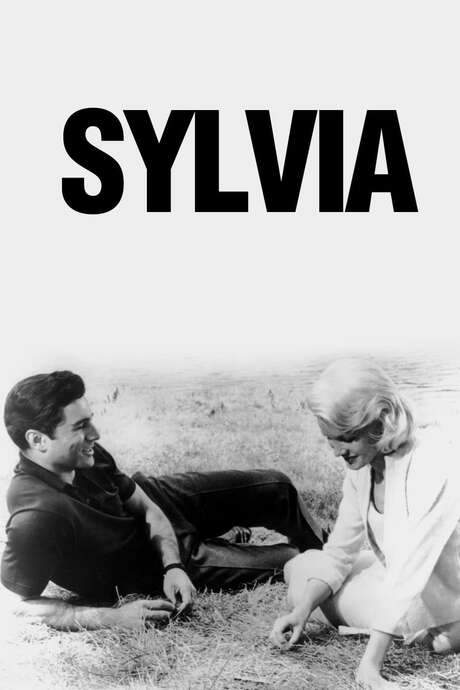
Sylvia (2003) movie poster

Timeline

Sylvia (2003) Timeline Explained – Every Event in Order

Release, runtime and language
2003 · 110 min · English
Directed by
Christine Jeffs
Starring
Daniel Craig, Lucy Davenport

A man's desire for a settled life and new romance is challenged by the unexpected persistence of Sylvia, an imaginary companion from his childhood. As he attempts to move forward, Sylvia resists, blurring the boundaries between his dreams and reality. He finds himself grappling with his past and confronting unsettling truths about himself, ultimately forced to choose between a hopeful future and the familiar comfort of his imaginary friend.

On this page (6)
  1. 1 Where to watch
  2. 2 Events in order (14)
  3. 3 Timeline questions answered
  4. 4 Movie threads
  5. 5 Movies like Sylvia
  6. 6 Every angle

Where to watch

Where to Watch Sylvia (2003)

Where can you watch Sylvia? Stream, rent or buy it in the US, including on Amazon Video, Apple TV Store and Fandango At Home: current JustWatch availability with up-to-date prices.

Streaming availability powered by JustWatch

14 events in order · contains spoilers

Sylvia Timeline: Events in Chronological Order

Every key event of Sylvia (2003) in order, scene by scene, with when and where it takes place. Use it to untangle flashbacks, time jumps and parallel storylines, to refresh your memory before the sequel or to find the exact scene you are thinking of.

  1. Birth and father's death

    Sylvia Plath is born in Boston, Massachusetts in 1932. The same year she faces the sudden death of her father, an event that casts a shadow over her childhood and fuels her early storytelling.

    When
    1932
    Where
    Boston, Massachusetts
  2. Early literary spark

    Plath demonstrates precocious talent as a writer, publishing her first poem at the age of eight. This early achievement foreshadows a lifelong commitment to poetry.

    When
    circa 1940
  3. Smith College scholarship and depression

    In 1950, she begins studying at Smith College on a literary scholarship. The demanding academic life coincides with bouts of extreme depression that haunt her during this period.

    When
    1950
    Where
    Smith College, Massachusetts
  4. First suicide attempt

    Following her junior year at Smith, Plath attempts suicide for the first time. She survives, but the act signals the depth of her ongoing struggle.

    When
    1952
    Where
    Smith College
  5. Fulbright to Cambridge

    In 1955, she is awarded a Fulbright Scholarship to study in England at the University of Cambridge. This opportunity shifts the course of her life toward international study and writing.

    When
    1955
    Where
    Cambridge, England
  6. Love story begins at Cambridge

    As a student at Cambridge, she rides a red bicycle and wears an academic gown. At a party celebrating the magazine St. Botolph's, she meets Ted Hughes, and the two soon fall in love.

    When
    mid-1950s
    Where
    Cambridge, England
  7. Marriage and move to the US

    Plath and Hughes marry in 1956. They relocate to Massachusetts to be with her mother, Aurelia, and begin their life together.

    When
    1956
    Where
    Massachusetts, USA
  8. Return to England and family life

    The couple returns to England, living first in London and then in Devon. Sylvia struggles to carve out her own writing career while living in Hughes's shadow as he achieves fame and success.

    When
    Late 1950s – early 1960s
    Where
    London and Devon, England
  9. Wevill visit and suspicions of infidelity

    After David and Assia Wevill rent their London flat, Sylvia accuses Ted of infidelity. She kicks him out, and the couple's relationship fractures further.

    When
    Early 1960s
    Where
    London, England
  10. Beginning of Ariel period

    After the separation, Plath begins writing the poems that would be published posthumously in Ariel, signaling a shift toward her most celebrated work.

    When
    Early 1960s
    Where
    Devon, England
  11. Back to London with her children

    Sylvia moves back to London with her two children, continuing to pursue writing amid personal turmoil. She strives to establish her voice in a male-dominated literary world.

    When
    Early 1960s
    Where
    London, England
  12. Christmas reunion and dilemma

    At Christmas, Ted Hughes visits and they make love again, but he tells her he cannot leave Assia, who is pregnant. The film portrays the strain of competing loyalties in their marriage.

    When
    Christmas, early 1960s
    Where
    London, England
  13. Suicide attempt and final revelations

    She prepares for suicide by sealing off the children's room from the gas oven. A nurse arrives to take the children away, and Ted discovers Plath's manuscript on the desk, marking a grim turning point.

    When
    Early 1963
    Where
    London, England
  14. Ariel published; Birthday Letters

    Plath's poetry collection Ariel is published posthumously, securing her place as a beloved poet. The closing title notes that Ted Hughes wrote Birthday Letters in 1998, reflecting on their life together.

    When
    Mid-1960s; 1998

Last updated: November 22, 2025 at 15:58

Was this helpful?

Timeline questions answered

Sylvia Timeline Explained: Your Questions Answered

When does it happen, and why in that order? The questions people ask about the chronology of Sylvia (2003): time jumps, flashbacks, cause and effect between scenes and the correct order of events, each answered with spoilers.

Q1

Why did Sylvia attempt suicide at Smith College?

Sylvia's first suicide attempt in 1952, during her junior year at Smith College, was the result of severe depression she had been battling for years. The film establishes that she struggled with extreme mental illness throughout her academic career, despite her outward success as a distinguished student. This attempt came after years of battling depressive episodes that the film suggests were deepened by her father's sudden death when she was just eight years old, an event that cast a lasting psychological shadow over her life.

Foreshadowing: The film earlier shows her father's death in 1932, establishing the traumatic foundation for her lifelong struggle with depression.

  • sylvia plath suicide attempt
  • smith college
  • depression
  • mental health
  • early trauma
Q2

Why did Sylvia marry Ted Hughes so quickly after meeting him?

Sylvia and Ted married in 1956, mere months after meeting at a party at Cambridge where they both attended. The film portrays their connection as immediate and intense, their chemistry was electric, and they recognized in each other a shared passion for poetry and literature. Sylvia had been seeking both romantic fulfillment and a creative partner who could understand her artistic ambitions, and Ted seemed to embody that ideal at the time.

Foreshadowing: The party scene emphasizes their instant mutual attraction and intellectual compatibility, setting up the rapid escalation of their relationship.

  • sylvia and ted hughes
  • cambridge
  • marriage
  • poet romance
  • quick marriage
Q3

What triggered Sylvia to kick Ted out of the house?

Sylvia kicked Ted out after David and Assia Wevill rented their London flat, which intensified her suspicions that Ted was having an affair with Assia. The film shows that Sylvia had grown increasingly uneasy about Ted's fidelity as his fame grew, and the presence of the Wevills in their home crossed a threshold she could not ignore. She reacted with fierce resolve, openly accusing Ted of infidelity and ejecting him from their family home.

Foreshadowing: Earlier scenes show Ted's growing fame and the attention he attracted from others, creating tension in the marriage.

  • ted hughes affair
  • assia wevill
  • sylvia kicks ted out
  • marriage breakdown
  • david wevill
Q4

Why did Sylvia begin writing the Ariel poems after the separation?

After Ted left, Sylvia channeled her emotional pain, anger, and sense of betrayal into the poems that would become her landmark Ariel collection. The separation freed her from living in Ted's shadow and forced her to confront her own identity as a writer separate from him. Her poetry during this period reflects her raw emotional state, transforming personal suffering into the fierce, unflinching voice that defines her most celebrated work.

Foreshadowing: The film shows her struggling to find her own voice while in Ted's shadow, suggesting the poems would be her breakthrough.

  • ariel poems
  • sylvia poetry
  • writing breakthrough
  • post-separation
  • emotional pain poetry
Q5

What led to Sylvia's final suicide attempt in 1963?

Sylvia's final suicide was the result of accumulated factors: the collapse of her marriage, Ted's refusal to leave his pregnant mistress Assia, her isolation as a single mother in London, and her lifelong battle with severe depression. The Christmas reunion scene shows Ted telling Sylvia he cannot leave Assia, who was pregnant with his child. This final rejection, combined with her chronic mental illness and the overwhelming pressure of single-handedly managing her career and children, drove her to seal the gas oven.

Foreshadowing: The Christmas scene explicitly shows Ted's refusal to return toSylvia, making the tragedy feel inevitable.

  • sylvia plath death
  • suicide 1963
  • gas oven
  • final attempt
  • loneliness
  • ted refuses to return
Q6

How did Ted's fame affect Sylvia's writing career?

Ted's growing literary fame and charisma created a shadow over Sylvia's own ambitions. The film shows that as Ted attracted more attention and admiration from peers, Sylvia found it increasingly difficult to establish her own voice as a writer. She was often overshadowed by his presence, and the crowded social orbit around Ted drew focus away from her work. This dynamic of creative rivalry and feeling invisible in her own marriage became a source of deep frustration and contributed to her emotional turmoil.

Foreshadowing: Early scenes at Cambridge hint at their competitive creative energies, but the power imbalance becomes clearer as Ted's career accelerates.

  • ted hughes fame
  • sylvia career
  • writing under shadow
  • creative rivalry
  • male poet wife
Q7

Why was the visit from David and Assia Wevill significant?

The Wevills' visit was significant because it brought Ted's potential infidelity into immediate proximity. When David and Assia rented their London flat, Sylvia was forced to witness firsthand the chemistry between Assia and Ted. This proximity made her suspicions impossible to ignore and triggered the confrontation that led to Ted being ejected from the home. The encounter directly accelerated the collapse of their marriage.

Foreshadowing: Earlier scenes show Sylvia's growing unease about Ted's interactions with other women, building to this breaking point.

  • david wevill
  • assia wevill
  • london flat
  • infidelty suspicion
  • marriage confrontation
Q8

What does Birthday Letters represent in the story?

Birthday Letters is Ted Hughes's 1998 poetry collection, published just before his death, in which he finally addressed his relationship with Sylvia directly. The film uses this as a closing note to show how their story continued to shape Ted's life and work long after Sylvia's death. The collection represents his attempt to process and respond to their tumultuous marriage, offering his perspective on their shared history and his guilt surrounding her fate.

Foreshadowing: The film ends by acknowledging their legacy intertwined, suggesting Ted carried this story his entire life.

  • birthday letters
  • ted hughes poetry
  • 1998
  • posthumous response
  • legacy
Q9

Why was Sylvia's father's death important to her story?

Sylvia's father Otto Plath died in 1932 when she was just eight years old, the same year she was born. This traumatic loss occurred in Boston and cast a permanent shadow over her childhood and subsequent life. The film presents this early tragedy as the foundational wound that fueled her writing from a young age, she published her first poem at eight, and contributed to her lifelong struggle with depression and feelings of abandonment.

Foreshadowing: The opening scene establishes this event as the opening trauma that shapes everything that follows.

  • otto plath death
  • father died 1932
  • childhood trauma
  • early loss
  • boston
Q10

Why did Sylvia struggle to find her own voice as a writer while married to Ted?

Sylvia struggled to find her voice as Ted's fame grew because she was constantly living in his orbit, overshadowed by his charisma and success. The film shows the couple teaching at Smith College and later moving to Devon, where Sylvia raised their children while Ted pursued his writing career. The social dynamics around them drew attention to Ted, and Sylvia found herself competing for recognition in a male-dominated literary world that favored her husband's work.

Foreshadowing: The Smith College period shows early tension between her ambitions and the attention Ted receives.

  • female writer struggles
  • literary world
  • male dominance
  • finding voice
  • career vs family
Q11

What happened at Christmas between Sylvia and Ted?

At Christmas, Ted returned home to Sylvia and they shared a moment of intimacy, suggesting possible reconciliation. However, he then revealed he could not leave Assia, who was pregnant with his child. This devastating confession showed Sylvia that despite their physical reunion, the marriage was truly over. The film portrays this as a cruel twist, hope followed immediately by final rejection, which deepened Sylvia's despair.

Foreshadowing: The intimate scene raises false hope before the devastating revelation, making the tragedy more painful.

  • christmas reunion
  • assia pregnant
  • ted cannot leave
  • final rejection
  • hope and despair

Movie threads

More Movies Like Sylvia, by Mood & Story

Curated lists built around what makes Sylvia tick: the same mood, the same kind of story or the same emotional payoff. Each list explains why these movies belong together.

Tragic artistic biographies like Sylvia

Unflinching portraits of brilliant creators consumed by their inner turmoil. Movies like Sylvia that explore the lives of brilliant but troubled artists. If you were moved by the depiction of creative genius shadowed by personal demons, these similar biographical dramas about tragic poets, painters, and musicians will resonate deeply.

  • tragic
  • melancholic
  • lyrical
  • agonizing
  • reflective
  • intense
  • Tone: melancholic, tragic, intense
  • Pacing: steady, deliberate
Why these movies?

The story pattern: These narratives typically follow a linear or reflective path charting an artist's life, focusing on their creative process, key relationships, and the internal struggles—often depression, addiction, or obsession—that lead to a tragic, often premature, end. The story is less about triumph and more about the poignant cost of a singular talent.

Why they belong together: Movies are grouped here for their shared focus on real-life artists, a melancholic and intense tone, heavy emotional weight, and a tragic conclusion. They balance lyrical beauty with the stark reality of mental health battles.

Movies about painful marital breakdowns like Sylvia

Intimate stories of love collapsing under the weight of betrayal and despair. If the portrayal of a complex, deteriorating marriage in Sylvia captivated you, these films offer similarly intense and heavy explorations of relationships crumbling under infidelity, mental health struggles, and unfulfilled dreams.

  • agonizing
  • intense
  • claustrophobic
  • tragic
  • reflective
  • unsettling
  • Tone: melancholic, intense, claustrophobic
  • Pacing: steady, character-driven
Why these movies?

The story pattern: The narrative pattern follows a couple's journey from a state of connection into a vortex of conflict, often triggered by infidelity, creative rivalry, or mental illness. The story examines the perspectives of both parties, building a sense of claustrophobic inevitability as the bond fractures beyond repair.

Why they belong together: These films are united by their primary focus on a failing central relationship, high emotional intensity, a steady pacing that allows for deep character exploration, and a melancholic or bleak tone that results in a sad or bittersweet ending.

If you liked this

Movies Like Sylvia

Similar movies to Sylvia: the same genre, themes or kind of story. Each one comes with its own plot summary, timeline and ending explained.

Browse all movie summaries

Every angle

Sylvia (2003) Explained: Plot, Timeline & Characters

Everything about Sylvia in one place: what happens in the plot summary, the timeline in chronological order, the characters and meaning and a spoiler-free summary. What's After the Movie adds the cast, box office and post-credit scenes.

Coming soon on iOS and Android

The Plot Explained Movie Summary App

Plot summaries, endings explained and timelines on your phone. Catch up on any movie in minutes, save your favorites and never miss a twist again.

Be the first to know when we launch. Your email stays private, always.

Learn more about the app