
The Loves of Edgar Allan Poe
Year: 1942
Runtime: 67 mins
Language: English
Director: Harry Lachman
Surpassing his startling stories of dark emotions, comes the true drama of his own life and tempestuous loves! Biography of Edgar Allan Poe and the women in his life.
Warning: spoilers below!
Haven’t seen The Loves of Edgar Allan Poe yet? This summary contains major spoilers. Bookmark the page, watch the movie, and come back for the full breakdown. If you're ready, scroll on and relive the story!
The Loves of Edgar Allan Poe (1942) – Full Plot Summary & Ending Explained
Read the complete plot breakdown of The Loves of Edgar Allan Poe (1942), including all key story events, major twists, and the ending explained in detail. Discover what really happened, and what it all means.
Edgar Allan Poe, Shepperd Strudwick, grows up in Richmond, Virginia after being adopted in 1811 by John and Frances Allan following the death of his mother, an actress. The new guardianship is bittersweet: Frances Allan, Mary Howard, is devoted and nurturing, while John Allan, Frank Conroy is often cool or even hostile toward him. The boy’s early life is colored by a longing for belonging and approval that he will carry into his work as a writer.
Poe’s first great love is Elmira Royster, Virginia Gilmore whom he has known since childhood; she marries someone else while Poe attends the University of Virginia, where he accrues gambling debts. In a brief, dreamlike moment the film shows him meeting with the university’s founder, Thomas Jefferson, though history does not prove such an encounter ever happened. Poe cannot forget Elmira, and this passion threads through his poetry even as his foster father’s disapproval of his literary ambitions grows sharper. After a fallout with Allan over his literary goals—Allan disparages Poe’s admiration for Lord Byron—Poe joins the Army and secures an appointment to West Point, from which he is dismissed for skipping classes and neglecting duties.
Seeking new stability, Poe finds shelter in Baltimore with Muddy Clemm and her daughter Virginia Clemm. The Clemm family—led by Muddy Clemm, and with Linda Darnell as Virginia Clemm—provide a home and a quiet, domestic space that allows Poe to focus more intensely on his writing. He marries Virginia and rises to prominence as editor and writer for the Southern Literary Messenger and Graham’s Magazine, working to champion ideas like copyright protections for authors, a stance that places him at odds with some peers. In Philadelphia he meets the famed English author Charles Dickens, Morton Lowry in the film’s portrayal, and the two share a mutual respect that underscores Poe’s ambition and influence.
The relationship between Poe, Virginia, and their circle becomes a blend of creative drive and financial struggle. Poe’s advocacy for copyright laws earns him both supporters and enemies, and his stance ultimately leads to his dismissal from the editorial position. The family later relocates to a New York City cottage in Fordham, where Virginia’s health declines and poverty tightens its grip. Amid hardship, Poe believes he has created his greatest work, the poem “The Raven”, convinced it could fetch $25, a sentiment that sits at odds with the poem’s eventual fame and enduring impact.
Elmira Royster reappears in the story, visiting Virginia and offering financial assistance that Virginia declines, choosing independence over a rescue that might alter their paths. Poe’s confidence in the poem is tested when he offers it to Rufus Griswold, Arthur Shields as Griswald (uncredited), who rejects it, an economic setback that many readers would later view as a paradox given the poem’s lasting accomplishment. The printers’ reactions to Poe’s work are mixed, with one young man among the staff praising it as “wonderful,” even as others remain cold.
Tragedy then deepens: Virginia dies from illness, and Poe returns to her side, reading to her as she fades, including lines from “Annabelle Lee”. The film’s closing scenes cast Poe in the shadow of loss and longing, while he continues to bear witness to his love for Virginia. After a final, frail struggle, Poe is taken to a Baltimore hospital, where he lingers for three days, confessing his enduring love for Virginia. The story ends with him reciting the controversial line of the era from A Dream Within a Dream as he passes away, leaving behind a legacy of haunting verse and a life defined by devotion, despair, and a tireless push toward a voice that would reshape American literature.
Last updated: October 09, 2025 at 11:27
The Loves of Edgar Allan Poe (1942) Plot Questions Answered – Summary FAQ
Explore frequently asked questions about The Loves of Edgar Allan Poe (1942) with spoiler-rich answers covering the full plot summary, major story beats, character motivations, hidden details, and ending meaning. This movie summary FAQ helps explain confusing scenes, plot twists, and narrative decisions in clear, searchable detail.
Why did John Allan become hostile toward Poe despite adopting him?
John Allan grew hostile toward Poe primarily because Poe pursued a literary career instead of the more practical path Allan preferred. When Poe expressed admiration for Lord Byron and dedicated himself to writing, Allan disparaged these ambitions. The tension escalated until Allan ultimately disowned Poe, viewing his literary pursuits as a betrayal of the opportunities provided through the adoption.
Early scenes show Allan as cool or even hostile even during Poe's childhood, establishing the strained relationship that would define their dynamic.
Why did Elmira Royster marry another man while Poe was at university?
Elmira Royster married someone else during Poe's time at the University of Virginia. While the film does not specify the exact reasons, the timing coincides with Poe's gambling debts and his absence from Richmond. This separation became a lifelong ache for Poe, later inspiring themes of lost love and longing that appeared repeatedly in his poetry.
The film introduces their childhood romance early, establishing the emotional connection that made her marriage to another man so impactful.
Why was Poe dismissed from West Point?
Poe joined the U.S. Army and secured an appointment to West Point through Allan's influence, but he showed little interest in military discipline. He skipped classes and neglected his duties, leading to his dismissal from the academy. This setback pushed him toward seeking stability in Baltimore with the Clemm family.
The film establishes Poe's lack of commitment to military life early, showing his priorities lay elsewhere.
Why did Poe's advocacy for copyright laws lead to his dismissal as editor?
Poe championed copyright protections for authors during his editorial tenure at the Southern Literary Messenger and Graham's Magazine. This stance placed him at odds with some peers and ultimately contributed to his dismissal from the editorial position. Despite drawing support from Charles Dickens after their meeting in Philadelphia, the controversy surrounding his views proved damaging to his career.
The film shows Poe's editorial ambition and willingness to challenge established industry practices, setting up the consequences that follow.
Why did Virginia decline Elmira Royster's offer of financial help?
When Elmira Royster reappeared and offered financial assistance to the struggling family, Virginia Clemm declined the help, choosing independence over a rescue that might alter their paths. This decision underscores the strain poverty placed on the family and highlights Virginia's desire to maintain their autonomy despite desperate circumstances.
The earlier offer of help arrives after Virginia's health has declined and poverty has tightened its grip, creating a poignant moment of pride versus necessity.
Why did Rufus Griswold reject The Raven?
Rufus Griswold rejected The Raven when Poe offered it to him, with most of Griswold's staff also dismissing the poem. Only a single young staff member praised it as wonderful. This rejection was an economic setback for Poe, who had hoped the poem would fetch $25 and establish him financially. The irony lies in the poem's eventual fame and lasting impact on American literature.
Poe's confidence in The Raven is shown earlier when he tells Virginia it could fetch $25, making the rejection more impactful.
How did Virginia Clemm die?
Virginia Clemm died from illness after the family relocated to a cottage in Fordham, New York City. Her health had been declining throughout their time there, and Poe returned to her side as she faded. He read to her as she died, including lines from "Annabelle Lee," a poem many believe was written about her.
The move to Fordham Cottage is explicitly linked to Virginia contracting a disease and growing increasingly ill.
Why did Poe recite A Dream Within a Dream at the moment of his death?
As Poe lay dying in a Baltimore hospital, lingering for three days after being dragged through the streets, he confessed his enduring love for Virginia and recited a line from "A Dream Within a Dream" as his final moment. The poem's themes of loss, illusion, and the fleeting nature of reality encapsulated the tragedies of his life, making it a fitting final words.
The film emphasizes Poe's lifelong preoccupation with loss and longing, themes that permeate his most famous works.
What happened to Poe in Baltimore before his death?
In 1849, Poe was found in Baltimore in a frail state and rushed to a hospital, where he lingered for three days. During this time, he confessed his enduring love for Virginia, who had already died. The circumstances surrounding his final collapse remain mysterious, and he died shortly after.
The film sets up his return to Baltimore as a full circle moment, returning to where his domestic life with the Clemm family began.
Why did Poe think The Raven would only fetch $25?
Poe revealed to Virginia that he had written "The Raven" and believed it could fetch $25, a surprisingly modest sum given the poem's eventual fame. This reflects the dire poverty the family endured and Poe's desperation for any financial relief, rather than any lack of faith in his own abilities.
The family's poverty in Fordham is established before Poe reveals the poem, explaining his modest expectations.

Explore Movie Threads
Discover curated groups of movies connected by mood, themes, and story style. Browse collections built around emotion, atmosphere, and narrative focus to easily find films that match what you feel like watching right now.
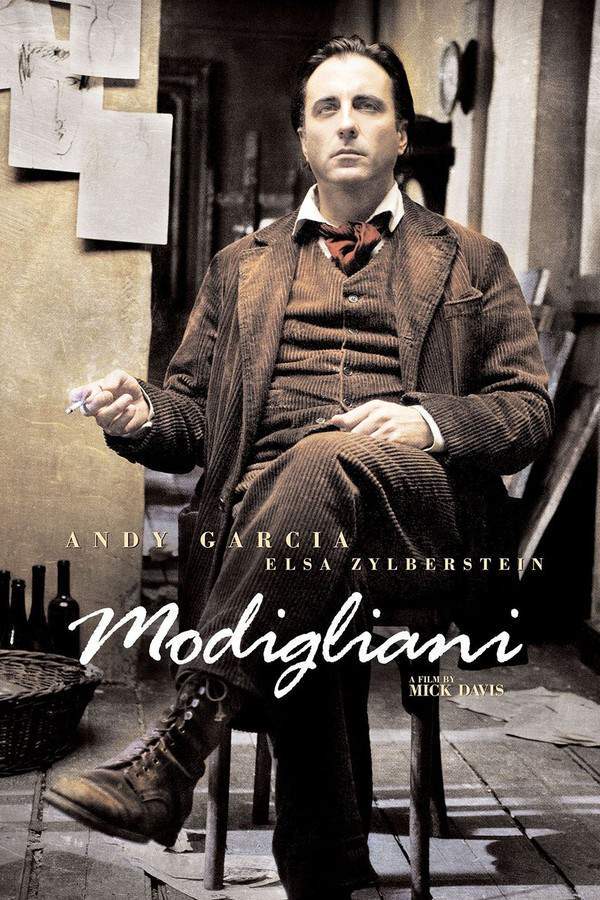
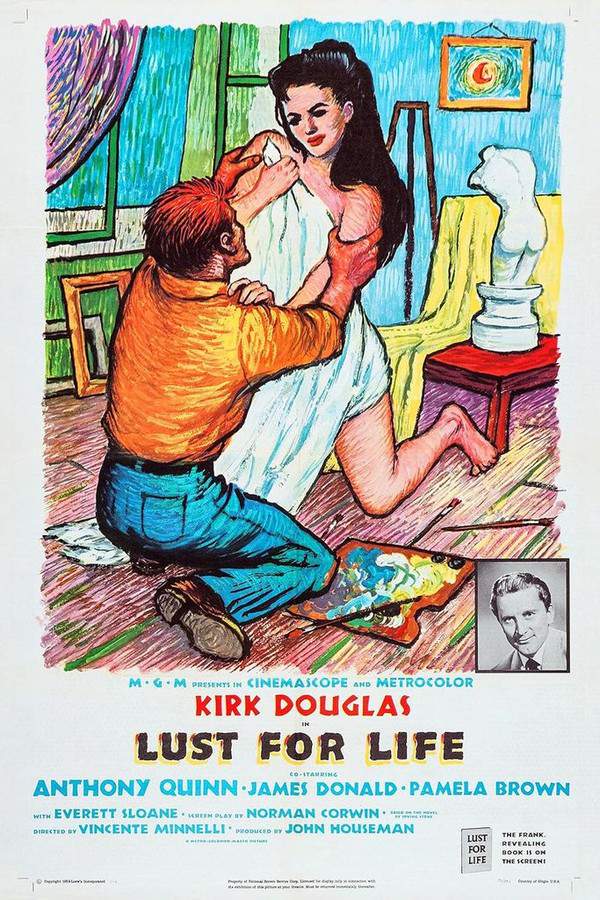
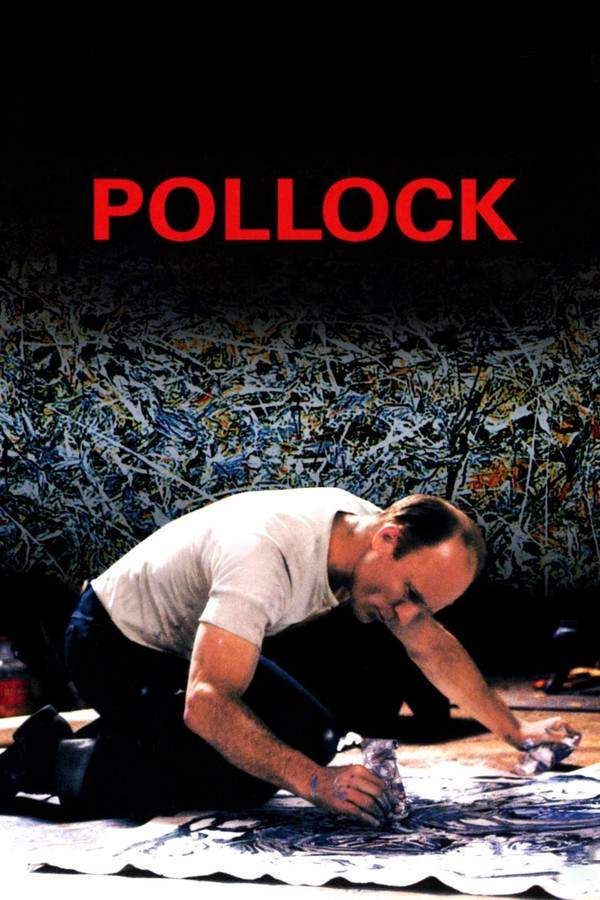
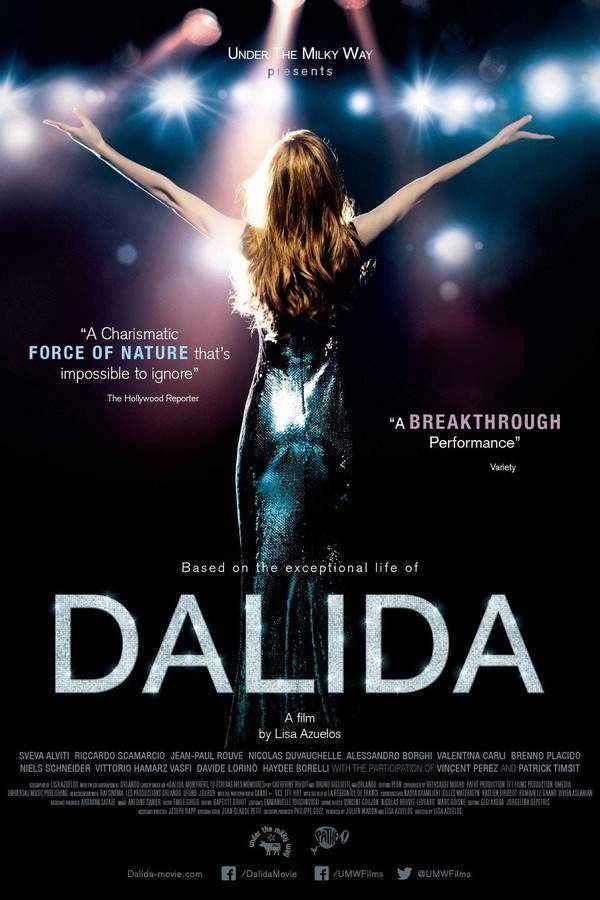
Tragic Artist Biographies like The Loves of Edgar Allan Poe
Sobering dramas about creative geniuses whose lives were as painful as their art.Find movies like The Loves of Edgar Allan Poe that explore the somber and often heartbreaking true stories of famed artists. If you were moved by the depiction of creative struggle intertwined with personal tragedy, these similar biographical dramas will resonate.






Narrative Summary
These stories typically follow a chronological path, charting an artist's life from early ambition through years of hardship, personal loss, and often an untimely or sorrowful end. The central conflict is between the artist's inner world and an unaccepting or unforgiving external reality.
Why These Movies?
They are grouped by their shared focus on the tragic real-life arcs of historical creative figures, a melancholic tone, and a heavy emotional weight derived from witnessing genius overshadowed by suffering.
Melancholic Dramas of Grief like The Loves of Edgar Allan Poe
Stories where profound love is tested by overwhelming loss and sorrow.Discover movies similar to The Loves of Edgar Allan Poe that capture the somber feeling of love strained by tragedy. If you appreciated the film's heavy focus on devotion in the face of loss and illness, these poignant dramas share that emotional core.

More Than Blue
2009

More Than Blue
2021
The Broken Circle Breakdown
2013

More Than Blue
2018

Ocean Heaven
2010

Natsamrat
2016
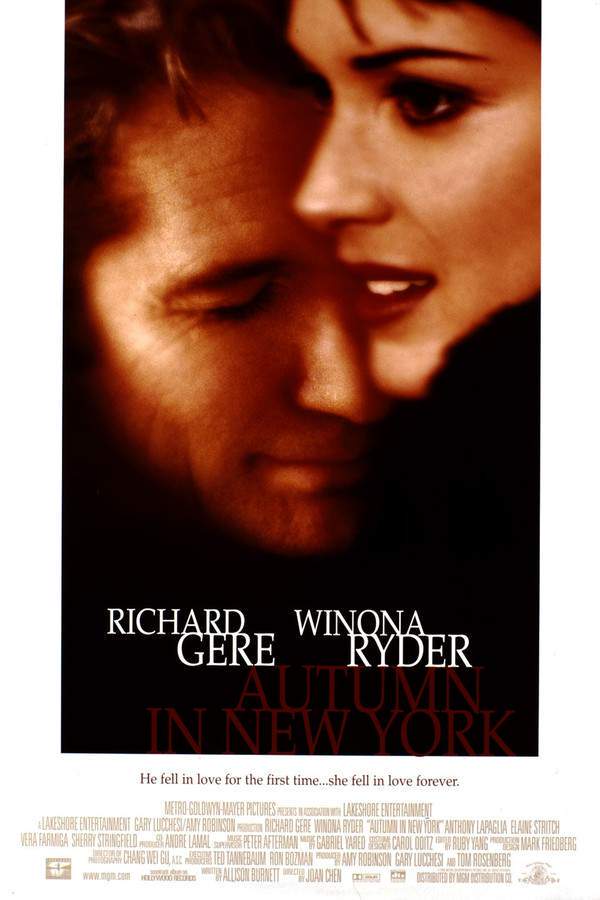
Autumn in New York
2000
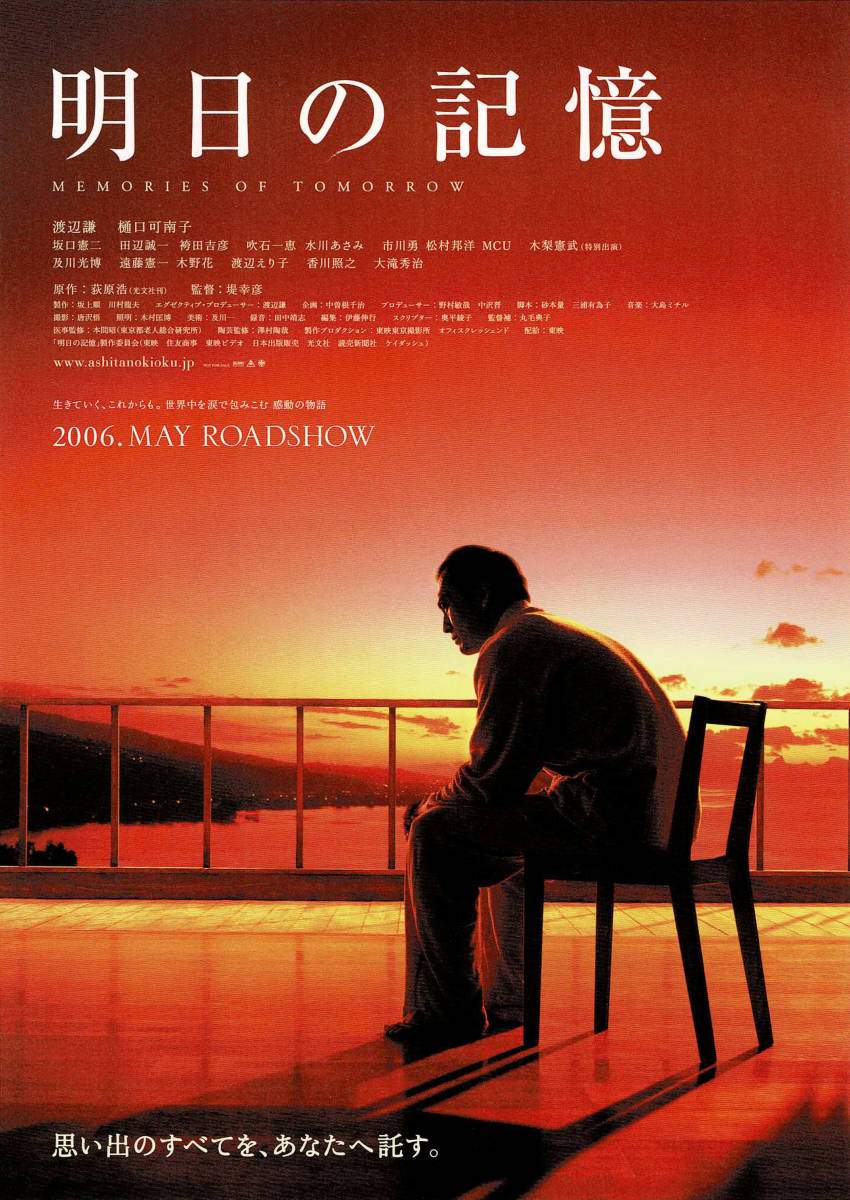
Memories of Tomorrow
2007

Devdas
2002
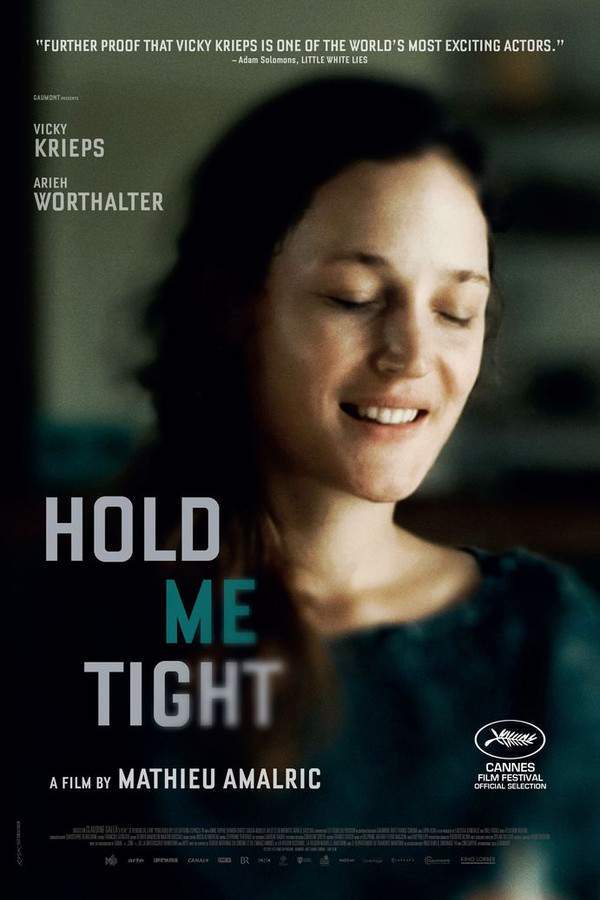
Hold Me Tight
2022

Griffin and Phoenix
1976
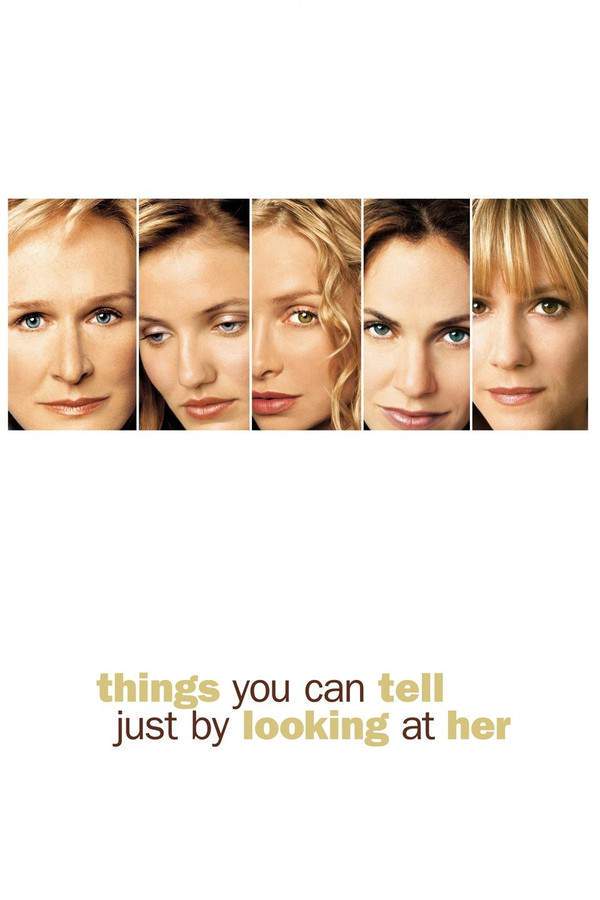
Things You Can Tell Just by Looking at Her
2000
Calendar
2009

Sanam Teri Kasam
2016
Emily
2023
Narrative Summary
The narrative follows characters bound by deep affection as they confront an inevitable or sudden loss. The story's drive comes from watching them navigate the bleak landscape of grief, often highlighting their struggle to perseverate their love in the face of absence.
Why These Movies?
They share a specific emotional mix: a foundation of deep romance or devotion is overshadowed by a pervasive mood of melancholy and tragedy, resulting in a heavy, reflective, and ultimately sorrowful viewing experience.
Unlock the Full Story of The Loves of Edgar Allan Poe
Don't stop at just watching - explore The Loves of Edgar Allan Poe in full detail. From the complete plot summary and scene-by-scene timeline to character breakdowns, thematic analysis, and a deep dive into the ending - every page helps you truly understand what The Loves of Edgar Allan Poe is all about. Plus, discover what's next after the movie.
The Loves of Edgar Allan Poe Timeline
Track the full timeline of The Loves of Edgar Allan Poe with every major event arranged chronologically. Perfect for decoding non-linear storytelling, flashbacks, or parallel narratives with a clear scene-by-scene breakdown.

Characters, Settings & Themes in The Loves of Edgar Allan Poe
Discover the characters, locations, and core themes that shape The Loves of Edgar Allan Poe. Get insights into symbolic elements, setting significance, and deeper narrative meaning - ideal for thematic analysis and movie breakdowns.


Similar Movies to The Loves of Edgar Allan Poe
Discover movies like The Loves of Edgar Allan Poe that share similar genres, themes, and storytelling elements. Whether you’re drawn to the atmosphere, character arcs, or plot structure, these curated recommendations will help you explore more films you’ll love.
In Praise of Love
2002
Lovespell
1981
Lovesick
1983

Who Was Edgar Allan?
1984

Doomed Love
1983

Master of Love
1919

Love Streams
1984

The Pursuit of Love
1000

Master of Love
1919

The Tell-Tale Heart
1941

The Loves of Carmen
1948

Phantom of the Rue Morgue
1954

The Story of Three Loves
1953

Men Call It Love
1931

The Sins of Love
1929
Explore More About Movie The Loves of Edgar Allan Poe
The Loves of Edgar Allan Poe (1942) Scene-by-Scene Movie Timeline
The Loves of Edgar Allan Poe (1942) Movie Characters, Themes & Settings
The Loves of Edgar Allan Poe (1942) Spoiler-Free Summary & Key Flow
Movies Like The Loves of Edgar Allan Poe – Similar Titles You’ll Enjoy
In Praise of Love (2002) Complete Plot Breakdown
Lovespell (1981) Full Movie Breakdown
Lovesick (1983) Plot Summary & Ending Explained
Who Was Edgar Allan? (1984) Plot Summary & Ending Explained
Doomed Love (1983) Film Overview & Timeline
Master of Love (1919) Full Summary & Key Details
Love Streams (1984) Full Movie Breakdown
The Pursuit of Love (1000) Detailed Story Recap
Master of Love (1919) Plot Summary & Ending Explained
The Tell-Tale Heart (1941) Complete Plot Breakdown
The Loves of Carmen (1948) Full Movie Breakdown
Phantom of the Rue Morgue (1954) Plot Summary & Ending Explained
The Story of Three Loves (1953) Plot Summary & Ending Explained
Men Call It Love (1931) Complete Plot Breakdown
The Sins of Love (1929) Detailed Story Recap