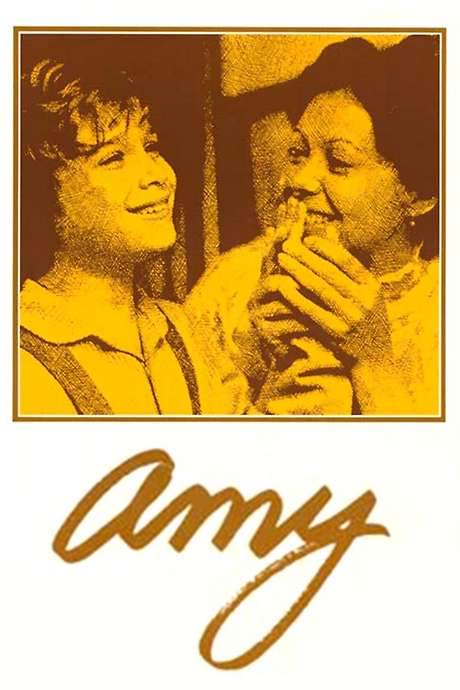
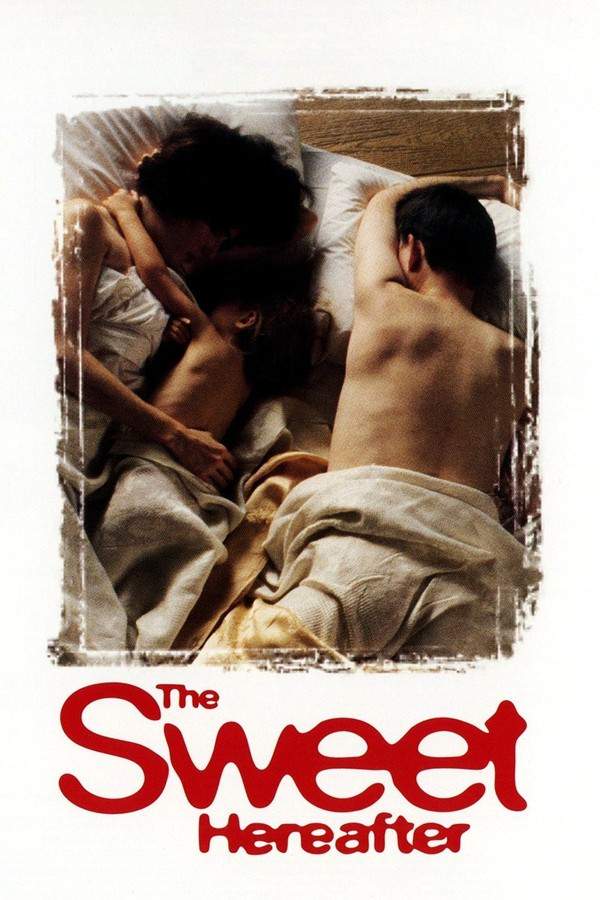
Dan Miller, Jeff Daniels and Laura Miller, Marlee Matlin, have been married for nine years but are now separated as they face a custody dispute over their deaf son Adam. Adam loses his hearing at age four, a shift that aligns with Laura’s own experience as a Deaf person and begins to reshape how the family communicates, fears for safety, and negotiates a path forward. As Adam grows toward eight, a frightening moment occurs when Dan cannot warn him of an oncoming danger, leaving Adam injured and pushing Dan to consider cochlear implants as a possible means of bridging the world between hearing and Deaf communities. The narrative follows this turning point with a steady, neutral lens that examines how technology, love, and responsibility intersect in a family already navigating complex differences in communication.
Flashbacks thread through the present story, showing how various moments in the Millers’ lives have either opened doors or closed them because of deafness. The film delves into the idea that being part of a Deaf culture can bring pride and solidarity, while also posing challenges within family dynamics and everyday life. On Laura’s side, Max, Geoff Pierson, and Sally, Phyllis Frelich, illustrate how different generations respond to Deafness and how identity is shaped by community, language, and shared experience. On Dan’s side, Louise Miller, Rosemary Forsyth, and a hearing perspective contribute to a contrasting outlook on communication, inclusion, and adaptation. The film uses these interwoven family memories to explore how choices about language, whether through cochlear implants or sign language, ripple through relationships and personal sense of self.
Within the custody dispute, the legal proceedings spotlight the debates around cochlear implants—balancing potential benefits like safety, access to sound, and social integration with concerns about identity, autonomy, and preservation of Deaf culture. The courtroom frames are filled with the voices of advocates and witnesses, including Leonard Grisham, David Oyelowo, who argues from the side of the law and the complex realities families face. Dr. Weisman, Chris Gartin, provides expert testimony that weighs medical possibilities against personal values and family wishes, adding another layer to the difficult decisions at hand. Throughout, the film maintains a compassionate, measured tone that invites viewers to consider the nuanced stakes for Adam and for both parents as they evaluate what is best for their child’s future.
As the weekend approaches, both parents come to realize that living separately has not made parenting easier or more effective for Adam. They confront the reality that the choice they make must keep the family together in spirit, if not in residence, and that cooperation and shared responsibility will be essential moving forward. The conclusion preserves the feeling of a pivotal moment rather than a neat resolution, emphasizing that families facing differences in hearing, language, and identity often navigate a delicate path toward mutual understanding and resilience. The film ultimately invites audiences to reflect on what it means to support a child who sits at the intersection of two worlds, and how love, communication, and culture shape the choices families make in the face of uncertainty.