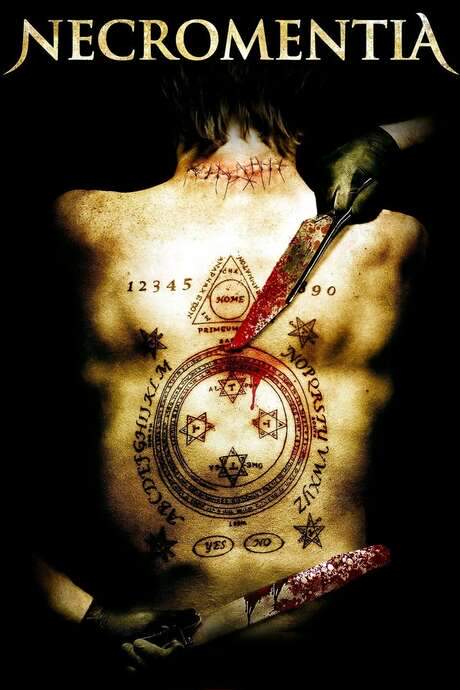
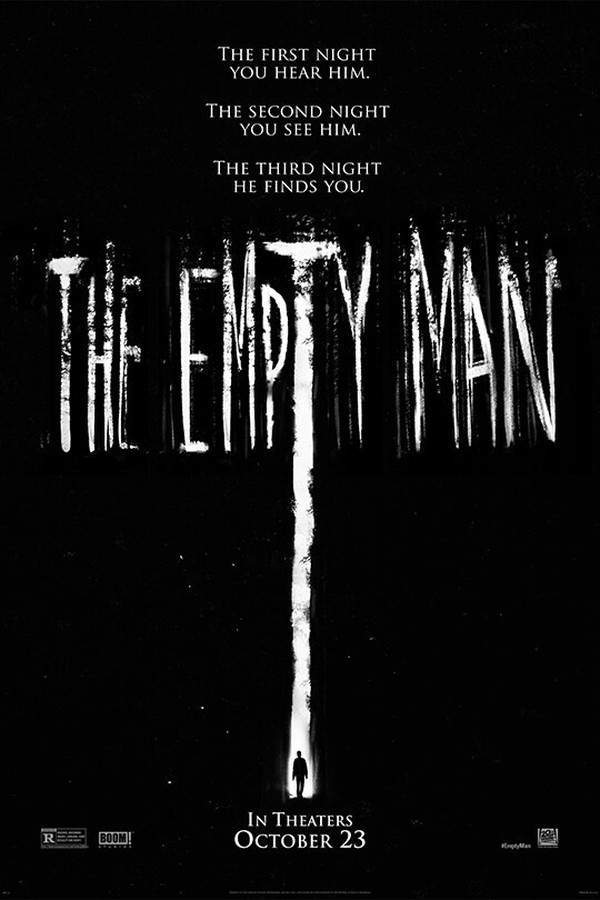
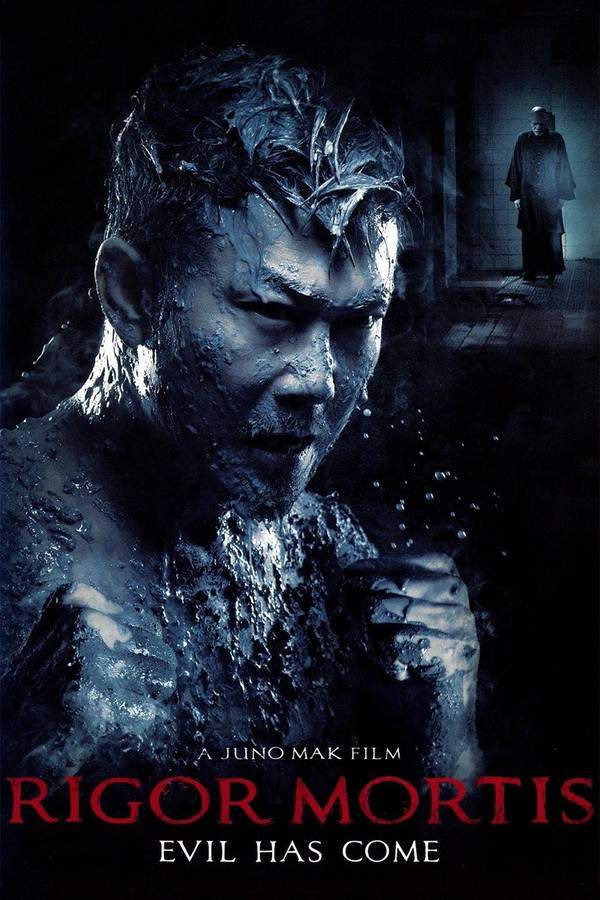
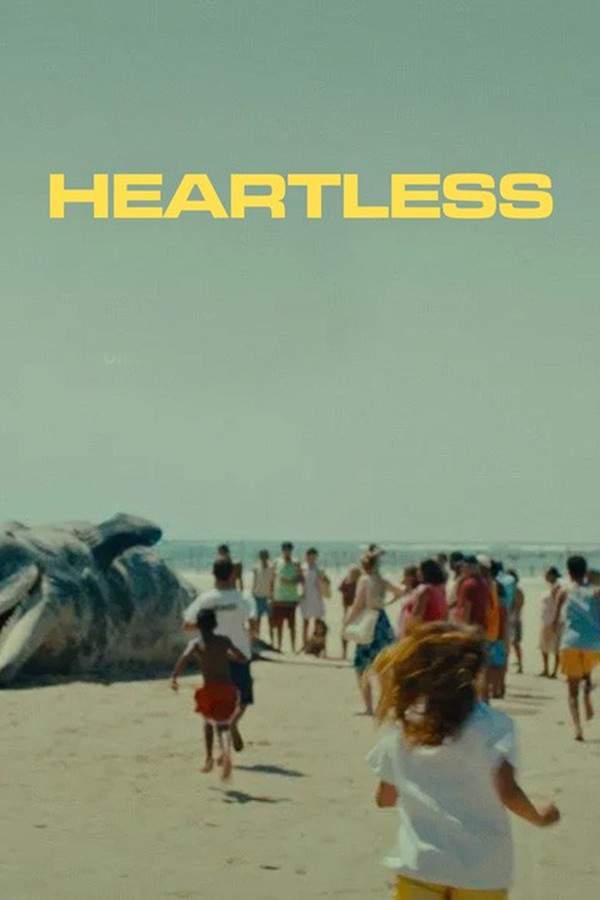
Adam Schmidt, a medical student, is lured to a cabin far from civilization and volunteers to undergo a brutal experiment: he is repeatedly killed and revived through a mysterious serum crafted by Dr. Franklin Vick. The procedure begins under the watch of the enigmatic doctor, while the young man grapples with the idea of testing the limits between life and death.
The early stages seem to work for the subject designated as Subject Two, who initially responds well to the revival process. Yet the illusion of success quickly falters as he endures violent seizures and searing pain, repeatedly begging the doctor to kill him or allow him to end his suffering. The desperation reveals the heavy toll of tampering with mortality, even before the deeper consequences emerge.
Over time, the lone participant who survives the procedure gains complete immortality and near-instantaneous regeneration, but at a terrible cost: he loses the very sense of being alive. He can no longer feel anything—pain, pleasure, or emotions slip away—and his eyes turn snow white, a stark sign of a mind severed from humanity. In a desperate bid to protect the secret, he grows violent and isolated, going so far as to kill a hunter who shoots him, fearing disclosure of the project more than the act of killing itself, a grim reminder of the price of pseudo-life. The Hunter becomes a haunting symbol of the outside world and the consequences of the artificial lifework.
After breaking away from the man who organized the experiments, the transformed figure returns to civilization as a walking ghost, forever altered and detached from normal sensation and emotion. In a shocking twist, the story reveals that the doctor running the course was not the true physician all along. Back in the circle of truth, the impostor is unmasked as the assistant known as Subject One, who had seized the doctor’s identity to push the work forward. The real doctor is confronted, chastised, and, in a chilling culmination, strangled to halt the cycle, signaling that the experiment will begin anew with the same dangerous ambitions.
The narrative breathes life into several clear homages to Frankenstein while choosing to foreground the emotional consequences of death and the feel of living without a soul. It is less about the science and more about what it means to be alive when sensation, memory, and feeling fade away, and how the illusion of control over life can unravel a person’s humanity. Throughout, the film presents a stark meditation on loss, memory, and the ethical boundaries of pursuing eternal life, inviting viewers to reflect on what makes life meaningful when consciousness itself is fractured.