Plot Explained Spoilers guaranteed!
Plot Explained

Browse by genre

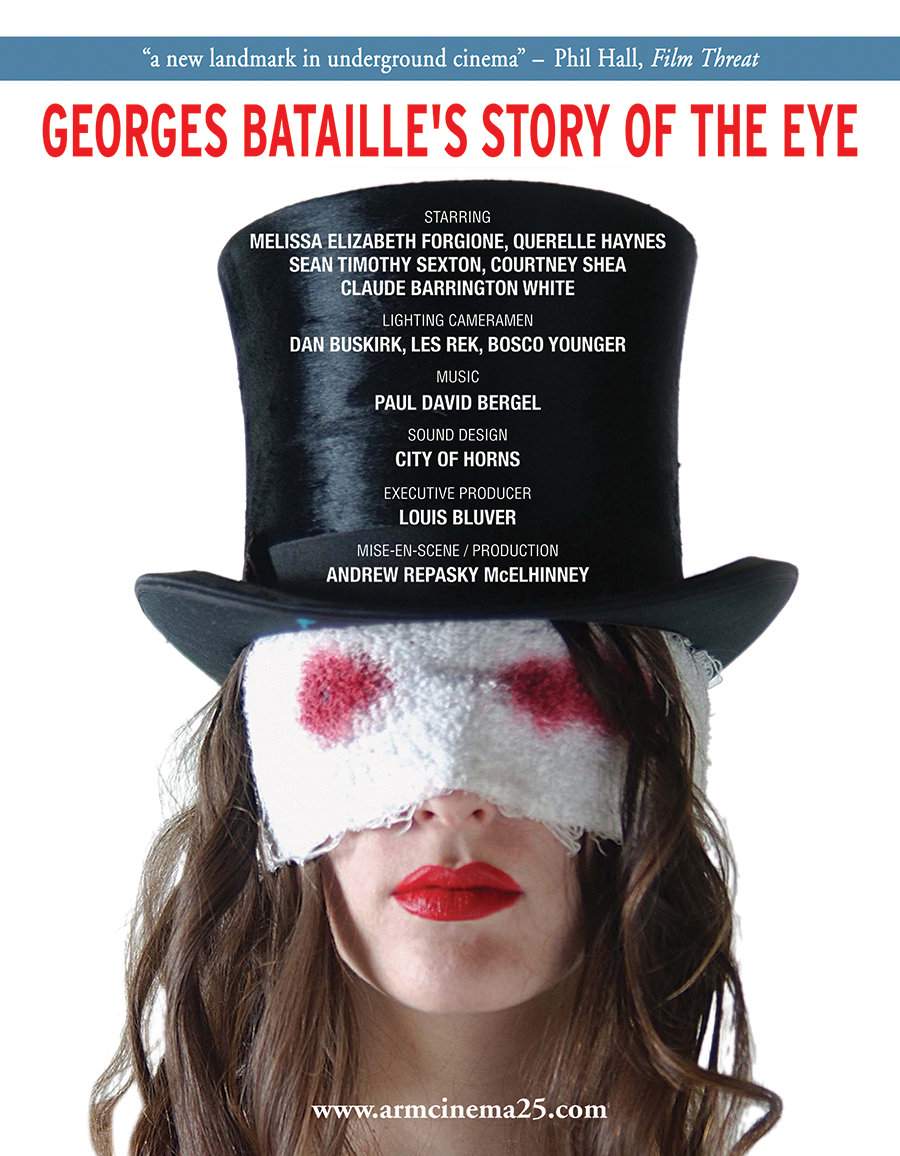
Story of the Eye (2004) movie poster

Plot Summary

Story of the Eye (2004) Plot Summary Explained

Release, runtime and language
2004 · 81 min
Directed by
Andrew Repasky McElhinney

A mysterious, abandoned house becomes the setting for a provocative exploration of anonymous lovers and unspoken desires. As night descends, their intense and wordless passion unfolds in a primal frenzy, pushing boundaries and blurring lines. The film delves into the dark allure of this secluded haven, leaving a lasting impression on viewers with its unsettling and captivating atmosphere.

On this page (4)
  1. 1 What happens: full plot
  2. 2 Plot questions answered
  3. 3 Movie threads
  4. 4 Every angle

Full plot summary · contains spoilers

What Happens in Story of the Eye: Full Plot Summary

The whole story of Story of the Eye (2004) explained, from the opening scene to the final frame: every key event, every twist and what it all adds up to. Read it as a quick recap before the sequel, to check a scene you missed, or to finally understand what really happened.

In this thrilling tale of unrestrained desire and relentless depravity, an unnamed young man undergoing the tumult of adolescence finds himself drawn into a forbidden romance with his distant cousin, Simone. Their passionate relationship begins unexpectedly when a dare leads them to place Simone's bare bottom in a cat's dish of milk, igniting a series of increasingly audacious encounters that continuously challenge the limits of erotic inclinations. As their bond intensifies, they pull their friend Marcelle into their escapades, causing their risqué actions to transform into a public spectacle, one which Simone's widowed mother is forced to witness.

As their exhibitionist behaviors escalate, they venture toward bizarre pleasures, particularly as Simone becomes fixated on bizarrely inserting soft-boiled eggs into her own body. This obsession triggers a series of tragicomic events, culminating in a sadomasochistic party that leaves Marcelle emotionally fractured. Amid the chaos, the narrator's family dynamics begin to unravel, prompting him to steal his father's money and weapon, leading him and Simone to escape the turmoil.

Tragedy soon befalls them when Marcelle's lifeless body is discovered in a psychiatric hospital, hanging from the ceiling, as Simone and the narrator engage in one last, defiant act of intimacy. Terrified of the repercussions of their actions, the duo flees to Spain, where they encounter Sir Edmund, an English aristocrat who revels in their extremes of hedonism.

Sir Edmund captivates them with his tales of bizarre traditions, including the bizarre ritual of consuming bull’s testicles while watching the infamous matador El Granero in act. This gruesome practice fascinates Simone, who insists on having the raw testicles presented to her while they witness Granero's bloody demise in a chilling display of bullfighting skills.

As the trio wanders through the decadence of Spain, they are drawn to a Catholic basilica, where Simone seduces a striking priest through a frenzied act of masturbation and confession. Simultaneously, Sir Edmund becomes fixated on defiling the Holy Eucharist, utilizing the priest’s own bodily fluids to mockingly recreate the sacred sacrament.

In an unsettling climax, Simone ultimately strangles the priest during his final moment of ecstasy, removing his right eye and inserting it into her own body while continuing the liaison with the narrator. With the revelations of their heinous crimes spreading, they escape once more, this time embarking on a yacht to Africa, where they yearn to indulge in their indulgent lifestyle, liberated from societal constraints.

As a compelling aside, Bataille reveals a personal note: the mysterious character of Marcelle is subtly influenced by his experiences with his own mother, who dealt with bipolar disorder. Furthermore, the narrator’s intricate relationship with his father echoes Bataille’s own struggles with paternal absenteeism, blurring the lines between his fiction and personal life. In a later edition intended for an English-speaking audience, commentators Roland Barthes and Susan Sontag enrich the narrative with insightful analysis, shedding light on the themes and driving forces behind the provocative events that unfold.
Last updated: November 17, 2024 at 20:10

Was this helpful?

Plot questions answered

Story of the Eye Plot Explained: Your Questions Answered

The questions people ask most about Story of the Eye (2004): what happens in the confusing scenes, why the characters do what they do, the twists, hidden details and what the ending means. Each answer contains spoilers.

Q1

Why does Simone become obsessed with eggs?

Simone's egg obsession stems from the film's central theme of transgressive desire and bodily transgression. After the initial milk-dish incident, eggs become a recurring symbol of her willingness to push bodily boundaries. The soft-boiled eggs represent a fusion of nourishment and eroticism, connecting food, body, and pleasure in a way that escalates throughout the narrative until her fixation becomes the catalyst for the tragicomic events that follow.

Foreshadowing: The egg obsession is first introduced during the initial dare, hinting at Simone's later extreme behaviors.

  • simone
  • eggs
  • obsession
  • symbolism
  • transgression
Q2

Why does Marcelle commit suicide?

Marcelle's suicide occurs after the chaotic sadomasochistic party that emotionally shatters her. The public spectacle of the trio's exhibitionist behavior has already caused scandal, and the extreme nature of the party leaves Marcelle psychologically broken. Unable to cope with the trauma of their reckless indulgences, she ends her life in a psychiatric hospital, serving as a tragic consequence of the narrator and Simone's escalating depravity.

Foreshadowing: The sadomasochistic party is described as leaving Marcelle emotionally fractured, setting up her tragic end.

  • marcelle
  • suicide
  • psychiatric hospital
  • emotional trauma
  • consequence
Q3

Why does the narrator steal his father's money and weapon?

The narrator steals his father's money and weapon as family dynamics unravel due to the scandal surrounding his relationship with Simone and their public escapades. Faced with the collapsing stability of his home life and the consequences of their actions spreading, he desperation leads him to take what he needs to escape with Simone, choosing flight over facing the repercussions of their behavior.

Foreshadowing: The escalation of their exhibitionist behaviors into public scandal creates the pressure that forces the narrator to this desperate act.

  • narrator
  • theft
  • father
  • money
  • weapon
  • escape
Q4

Why does Simone kill the priest and take his eye?

In the film's climax, Simone strangles the priest during their intimate encounter and removes his right eye, inserting it into her own body. This act represents the ultimate expression of her transgressive obsession, she literally takes something sacred (the priest as a religious figure) and incorporates it into herself. The eye itself carries symbolic weight, representing both vision and the act of witnessing, which aligns with the film's themes of desire, violation, and the blurring of sacred and profane.

Foreshadowing: Simone's earlier fixation on the macabre, particularly the bullfighting spectacle and raw testicles, foreshadows her willingness to engage in extreme acts of bodily violation.

  • simone
  • priest
  • murder
  • eye
  • violence
  • climax
Q5

Why do Simone and the narrator flee to Spain and then Africa?

After Marcelle's suicide and the mounting consequences of their transgressive lifestyle, Simone and the narrator flee first to Spain seeking freedom from the scandal. There they meet Sir Edmund, who introduces them to further hedonistic extremes. After the murder of the priest and their heinous crimes becoming known, they escape once more to Africa aboard a yacht, symbolizing their continuous flight from accountability and their pursuit of a liberated lifestyle unconstrained by societal norms or consequences.

Foreshadowing: The pattern of escape is established early when they flee after the narrator steals from his father.

  • escape
  • spain
  • africa
  • flight
  • consequences
Q6

What is Sir Edmund's role in the story?

Sir Edmund is an English aristocrat the couple encounters in Spain who serves as a guide to extreme hedonism. He introduces them to bizarre cultural traditions, particularly the ritual of consuming bull's testicles while watching bullfighting. His fascination with defiling the sacred, especially his act of contaminating the Holy Eucharist with the priest's bodily fluids, parallels and amplifies the trio's own transgressive tendencies, pushing them further into moral decay.

Foreshadowing: Sir Edmund's introduction marks a turning point where the narrative escalates from personal transgression to outright sacrilege.

  • sir edmund
  • aristocrat
  • hedonism
  • bull testicles
  • influence
Q7

Why does Simone seduce the priest in the basilica?

Simone seduces the priest within the Catholic basilica as another expression of her and the narrator's pattern of violating sacred boundaries. The location itself, a holy space, makes the act a deliberate transgression against religious taboos. This follows their established pattern of seeking out increasingly sacred contexts to desecrate, demonstrating their complete moral detachment and the film's theme of blurring lines between sacred and profane.

Foreshadowing: The trio's earlier fascination with the bullfighting ritual, which combines spectacle, death, and sexuality, establishes their pattern of seeking out extreme and transgressive experiences.

  • simone
  • priest
  • basilica
  • seduction
  • sacrilege
  • religion
Q8

What does Sir Edmund do with the priest's bodily fluids and the Eucharist?

While Simone seduces the priest, Sir Edmund defiles the Holy Eucharist by contaminating it with the priest's bodily fluids. This act of sacrilege represents the depths of their moral decay and serves as a direct mockery of the Catholic sacrament. It completes the film's pattern of violating religious taboos, moving from exhibitionism and transgression to outright desecration of sacred symbols.

Foreshadowing: The seduction of the priest creates the opportunity for Sir Edmund's act of sacrilege, linking sexual transgression with religious violation.

  • sir edmund
  • eucharist
  • sacrilege
  • priest
  • fluids
  • religion
Q9

What is the connection between Marcelle and Bataille's mother?

The film reveals that Marcelle's character was influenced by Georges Bataille's experiences with his own mother, who dealt with bipolar disorder. This biographical connection adds depth to the narrative, explaining Marcelle's psychological vulnerability and emotional instability. The character becomes not just a victim of the protagonists' recklessness but also a representation of real psychological struggle that Bataille witnessed firsthand.

Foreshadowing: Marcelle's emotional fragility is evident throughout her involvement with the couple.

  • marcelle
  • bataille
  • mother
  • bipolar
  • biography
Q10

What is the connection between the narrator's relationship with his father and Bataille's life?

The narrator's tumultuous relationship with his absentee father mirrors Georges Bataille's own struggles with paternal absence. This autobiographical element blurs the lines between fiction and personal history, adding psychological depth to the narrator's motivations. The theft of his father's money and weapon can be read as both a desperate escape and an expression of the anger stemming from paternal abandonment.

Foreshadowing: The narrator's decision to steal from his father reflects the emotional conflict established by their strained relationship.

  • narrator
  • father
  • bataille
  • biography
  • absence
  • theft
Q11

What happens during the first daring encounter between the narrator and Simone?

The first audacious encounter occurs when a dare leads the narrator and Simone to place Simone's bare bottom in a cat's dish of milk. This shocking act initiates their forbidden romance and establishes the pattern of daring, transgressive behavior that defines their relationship. The combination of humor, audacity, and sexual tension sets the foundation for their escalating sexual adventures.

Foreshadowing: This initial dare establishes the dynamic of pushing boundaries through dares and challenges.

  • simone
  • milk
  • dare
  • first encounter
  • initiation
Q12

What happens at the sadomasochistic party that traumatizes Marcelle?

The sadomasochistic party represents the escalation of the trio's exhibitionist behaviors into more extreme territory. The chaotic and violent nature of this event leaves Marcelle emotionally shattered, psychologically breaking her in a way that directly leads to her later suicide. The party serves as the turning point where their transgressive lifestyle crosses from adventurous to genuinely harmful.

Foreshadowing: Simone's egg obsession and fixation on bizarre pleasures built toward this violent extreme.

  • sadomasochistic party
  • marcelle
  • trauma
  • violence
  • turning point

Movie threads

More Movies Like Story of the Eye, by Mood & Story

Curated lists built around what makes Story of the Eye tick: the same mood, the same kind of story or the same emotional payoff. Each list explains why these movies belong together.

Movies of frenetic transgression like Story of the Eye

Stories of characters spiraling into hedonistic obsession with relentless, fast-paced intensity. If you liked the relentless, taboo-breaking pace of Story of the Eye, explore more films that feature a similar frenetic descent into transgression. This collection includes movies with high intensity, dark tones, and stories about characters consumed by obsessive desires and hedonistic pursuits, pushing boundaries to their limits.

  • transgressive
  • primal
  • frenetic
  • unsettling
  • hedonistic
  • psychologically intense
  • Tone: dark, transgressive, unsettling
  • Pacing: fast, relentless
Why these movies?

The story pattern: Narratives in this thread typically follow a linear but escalating path where characters, often starting from a place of boredom or discontent, rapidly engage in increasingly transgressive acts. The journey is less about reflection and more about the primal, compulsive pursuit of sensation, usually leading to psychological decay and an ambiguous or bleak endpoint.

Why they belong together: These films are grouped together by their shared commitment to a high-intensity, fast-paced exploration of taboo subjects. They create a cohesive experience through a dark tone, heavy emotional weight, and a focus on the raw, unsettling nature of unfiltered desire and its consequences.

Films about psychological decay in isolation like Story of the Eye

Character-driven stories where isolated settings amplify dark desires and mental collapse. For viewers who appreciated the psychological intensity and secluded setting of Story of the Eye, this section features similar movies where isolated environments fuel dark desires. Discover stories of characters unraveling in seclusion, marked by heavy emotional weight, disturbing themes, and an unsettling, provocative mood.

  • unsettling
  • claustrophobic
  • psychological
  • obsessive
  • decadent
  • forbidden
  • Tone: dark, psychological, claustrophobic
  • Pacing: steady, immersive
Why these movies?

The story pattern: The narrative pattern centers on characters who, either by choice or circumstance, find themselves in a secluded space that becomes a stage for their psychological undoing. The isolation removes external judgment, allowing hidden desires and obsessions to surface and escalate, often resulting in a fractured sense of reality and a lasting sense of unease.

Why they belong together: These movies are connected by their use of isolation as a narrative device to explore deep psychological turmoil and transgressive themes. They share a dark, unsettling mood, moderate to high complexity in character motivation, and a consistently heavy emotional weight that examines the darker aspects of human nature.

Every angle

Story of the Eye (2004) Explained: Plot, Timeline & Characters

Everything about Story of the Eye in one place: what happens in the plot summary, the timeline in chronological order, the characters and meaning and a spoiler-free summary. What's After the Movie adds the cast, box office and post-credit scenes.

Coming soon on iOS and Android

The Plot Explained Movie Summary App

Plot summaries, endings explained and timelines on your phone. Catch up on any movie in minutes, save your favorites and never miss a twist again.

Be the first to know when we launch. Your email stays private, always.

Learn more about the app