





Plot Explained Spoilers guaranteed!
Plot Explained

Browse by genre

Edge of Sanity (1989) movie poster

Timeline

Edge of Sanity (1989) Timeline Explained – Every Event in Order

Release, runtime and language
1989 · 91 mins · English
JustWatch #6,783 12
Directed by
Gérard Kikoïne
Starring
Anthony Perkins, Lisa Davis, David Lodge, Glynis Barber, Jill Melford, Ben Cole

When his groundbreaking anesthetic experiment catastrophically fails, respected physician Dr. Jekyll becomes the grotesque killer Jack Hyde. While his wife Elisabeth devotes herself to rehabilitating the district’s fallen women, Hyde spirals into a relentless series of lust‑driven murders, unleashing a terror that threatens everyone around him.

On this page (6)
  1. 1 Where to watch
  2. 2 Events in order (12)
  3. 3 Timeline questions answered
  4. 4 Movie threads
  5. 5 Movies like Edge of Sanity
  6. 6 Every angle

Where to watch

Where to Watch Edge of Sanity (1989)

Where can you watch Edge of Sanity? Stream, rent or buy it in the US, including on Amazon Prime Video, fuboTV and MGM Plus: current JustWatch availability with up-to-date prices.

Streaming availability powered by JustWatch

12 events in order · contains spoilers

Edge of Sanity Timeline: Events in Chronological Order

Every key event of Edge of Sanity (1989) in order, scene by scene, with when and where it takes place. Use it to untangle flashbacks, time jumps and parallel storylines, to refresh your memory before the sequel or to find the exact scene you are thinking of.

  1. Childhood trauma in the barn

    In the opening scene, young Henry Jekyll witnesses his father with a prostitute in a barn. The father catches him spying and violently whips him, leaving a lasting psychic scar. The moment seeds repressed sadomasochistic longings that will haunt him for years.

    When
    Childhood
    Where
    Barn
  2. Jekyll's late-1880s experiment

    Years later, as an adult physician in late 1880s England, Jekyll experiments with the boundaries of the human psyche. He ingests ether and cocaine, triggering a sharp mental break and a transformation into the monstrous Hyde. The experiment reveals the dangerous dual life that will drive his actions.

    When
    Late 1880s
    Where
    London laboratory
  3. First murder by Hyde

    After transforming, Hyde kills a prostitute who bears a resemblance to someone Jekyll knew as a child. The murder is brutal and decisive, establishing Hyde as a violent alter ego. The act marks the first trace of the coming spree.

    When
    Night
    Where
    London, near a brothel
  4. Start of the killing spree

    Hyde casts his influence using the drug mixture to pit prostitutes and johns against each other in torturous games. The killings spread through the night-time underworld as the drug's aura feeds his sadistic cravings. The pattern solidifies into a chilling spree.

    When
    Ongoing nights
    Where
    Various locations in London
  5. Detective and wife notice

    The murders draw the attention of a Scotland Yard detective, who begins to connect the disappearances and brutal deaths. Elisabeth, Jekyll's wife, grows suspicious of her husband's nocturnal absences and strange behavior. The tension between public investigation and private secrets escalates.

    When
    During spree
    Where
    London
  6. Elisabeth tails Jekyll

    Elisabeth follows her husband to his nocturnal destinations, seeking answers about his erratic behavior. Her pursuit leads her into the criminal underworld where Hyde's actions are most visible. She becomes a witness to the danger that stalks him.

    When
    One night
    Where
    Brothel district
  7. The warehouse encounter

    The pursuit leads Elisabeth to a sadomasochistic scene in an abandoned warehouse where Hyde's partners go berserk and turn on each other. The situation spirals as danger escalates toward Elisabeth. She manages to survive the chaos, but the night leaves a mark.

    When
    One night
    Where
    Abandoned warehouse
  8. Elisabeth returns home

    Elisabeth escapes the warehouse scene and makes it back to her house, hoping to put the danger behind her. Hyde, however, is not done and tails her through the city streets. The chase culminates in a direct confrontation at her home.

    When
    Late night
    Where
    Elisabeth's house
  9. Murder at Elisabeth's home

    Hyde breaks into Elisabeth's house and murders her, then transforms back into Dr. Jekyll. The crime is completed while he maintains the appearance of normal husbanding, allowing him to continue his life and the killing spree undetected.

    When
    Night
    Where
    Elisabeth's house
  10. Continuing the spree in disguise

    With Elisabeth dead and his dual identity intact, Jekyll continues the killing spree while hiding behind his respectable facade. The murder spree persists as Hyde's monstrous persona remains a hidden weapon.

    When
    Ongoing
    Where
    London
  11. Public investigation escalates

    The murders grow in volume and brutality, driving public fear and drawing intense attention from authorities. The Scotland Yard detective edges closer to linking the crimes to Jekyll, though the full truth remains concealed by his dual life. Elisabeth's death galvanizes the pursuit but does not reveal Jekyll's secret.

    When
    Ongoing
    Where
    London
  12. End state: dual life endures

    The narrative closes with Jekyll continuing to walk the thin line between physician and monster, as Hyde's presence remains latent in the background. The killing spree persists, while the two identities coexist, feeding a cycle that the world cannot yet unravel.

    When
    Ongoing
    Where
    England

Last updated: March 05, 2026 at 18:39

Was this helpful?

Timeline questions answered

Edge of Sanity Timeline Explained: Your Questions Answered

When does it happen, and why in that order? The questions people ask about the chronology of Edge of Sanity (1989): time jumps, flashbacks, cause and effect between scenes and the correct order of events, each answered with spoilers.

Q1

What causes Jekyll to transform into Hyde?

Jekyll's transformation into Hyde is triggered by a reckless experiment with ether and cocaine. This chemical mixture spills into his system and causes a violent unraveling of his senses, releasing his repressed sadistic alter ego. The experiment, intended to separate impulse from reason, instead unleashes the monster within.

Foreshadowing: The film establishes Jekyll's childhood trauma in the opening scene, planting the seeds for his psychological break.

  • transformation
  • experiment
  • ether
  • cocaine
  • Hyde personality
Q2

Why does Hyde specifically target prostitutes?

Hyde targets prostitutes because the first victim bears a resemblance to a prostitute young Jekyll witnessed with his father in the barn. This childhood memory, combined with his repressed sadomasochistic longings scarred by his father's violent punishment, drives his specific choice of victims. The pattern reflects his深层 psychological wounds.

Foreshadowing: The opening barn scene establishes the traumatic memory that later manifests in Hyde's victim selection.

  • prostitutes
  • victims
  • childhood trauma
  • Ripper pattern
Q3

How does the experiment create Hyde?

Jekyll's experiment involves ingesting ether and cocaine to separate impulse from reason in the human psyche. Instead of achieving this separation, the chemicals trigger a complete mental break that releases his repressed violent side. The experiment literally splits his personality, creating Hyde as a physical manifestation of his darkest impulses.

Foreshadowing: Jekyll's obsessive research into the human psyche sets the stage for his dangerous self-experimentation.

  • experiment
  • psyche
  • chemicals
  • personality split
Q4

Why does Hyde murder Elisabeth?

Elisabeth is killed because she discovers Jekyll's secret and tails him to the warehouse where Hyde's activities take place. She becomes a threat to Jekyll's carefully maintained dual life. Hyde tracks her home and murders her to eliminate the witness, then Jekyll shifts back to erase the evidence of his crime. Her death allows Jekyll to continue his killing spree undetected.

Foreshadowing: Elisabeth's growing suspicion and investigation directly lead Hyde to target her.

  • Elisabeth
  • murder
  • discovery
  • cover-up
Q5

What triggers Jekyll's transformations into Hyde?

The transformations are chemically induced by the ether and cocaine compound Jekyll experiments with. Each ingestion triggers the violent unraveling that releases Hyde. Beyond the chemical trigger, the film suggests that psychological stimuli, particularly those related to his childhood trauma, activate the transformation. The duality becomes increasingly easier to access as the spree continues.

Foreshadowing: The initial experiment establishes the chemical foundation for all subsequent transformations.

  • transformation trigger
  • chemicals
  • psychology
  • alter ego
Q6

How does Hyde manipulate other people to kill?

Hyde uses the same drug mixture he takes to transform to manipulate prostitutes and their clients. He pits them against each other in twisted games of domination and death, feeding on their violent impulses. The drug's aura amplifies sadistic cravings in others, creating a cycle of brutality that extends beyond Hyde's direct actions. This method allows him to orchestrate violence through his influence.

Foreshadowing: The pattern of killings shows Hyde acting as an orchestrator rather than always directly killing.

  • manipulation
  • drugs
  • orchestration
  • control
Q7

Why does Jekyll continue the killing spree after murdering Elisabeth?

Jekyll continues killing because the experiment has permanently unlocked his violent alter ego. With Elisabeth dead and his dual identity intact, there are no remaining obstacles to stop him. The cycle of transformation and murder becomes self-sustaining. Jekyll maintains his respectable facade while Hyde's presence remains latent, ready to emerge whenever the chemical trigger is used.

Foreshadowing: The film establishes early that Hyde is not simply a temporary side effect but a lasting transformation.

  • killing spree
  • continuation
  • dual identity
  • cycle
Q8

What is the connection between Jekyll's childhood trauma and Hyde's actions?

Jekyll's childhood trauma directly fuels Hyde's violence. As a boy, he witnessed his father with a prostitute and was violently whipped for spying, scarring him psychologically and awakening repressed sadomasochistic longings. These repressed memories and desires later manifest through Hyde, who acts out the twisted understandings of pain and control instilled in that moment. The trauma is the psychological foundation upon which the experiment builds.

Foreshadowing: The opening barn scene is deliberately placed as the film's first moment, establishing its foundational importance.

  • childhood trauma
  • repression
  • sadomasochism
  • psychological cause
Q9

Why doesn't the detective catch Jekyll?

The detective cannot catch Jekyll because Jekyll maintains a careful public facade as a respected physician. Each time Hyde commits murder, Jekyll shifts back to his respectable identity, effectively erasing the evidence of his crime. The dual life allows him to walk between society and the criminal underworld undetected. Elisabeth's death, which could have revealed the truth, actually protects Jekyll by eliminating the only person who could connect him to Hyde.

Foreshadowing: The film consistently shows Jekyll's public image as a barrier against suspicion.

  • detective
  • Scotland Yard
  • investigation
  • dual identity
Q10

How does Jekyll maintain his respectable image while committing murders?

Jekyll maintains his image through careful timing and transformation. After Hyde commits murder, Jekyll shifts back to his normal self, erasing the visible evidence. The transformation leaves no physical trace, allowing him to return to his role as physician and husband immediately. His social standing and public trust make him the last person anyone suspects. This perfect camouflage allows the killing cycle to persist despite growing investigation.

Foreshadowing: Early scenes establish Jekyll's respected position in society as contrast to Hyde's brutality.

  • facade
  • respectability
  • deception
  • dual life

Movie threads

More Movies Like Edge of Sanity, by Mood & Story

Curated lists built around what makes Edge of Sanity tick: the same mood, the same kind of story or the same emotional payoff. Each list explains why these movies belong together.

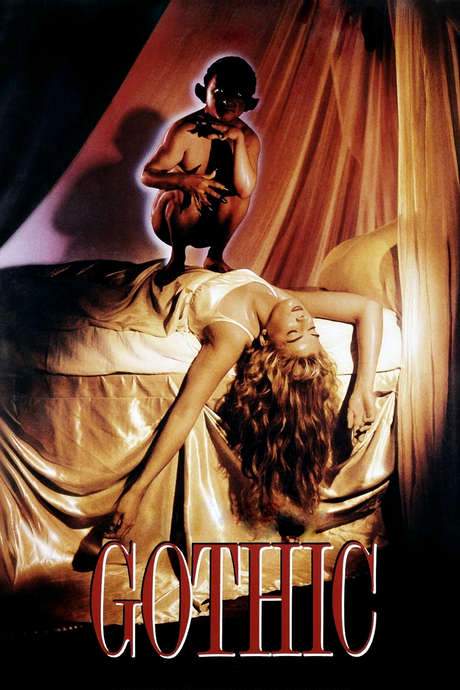
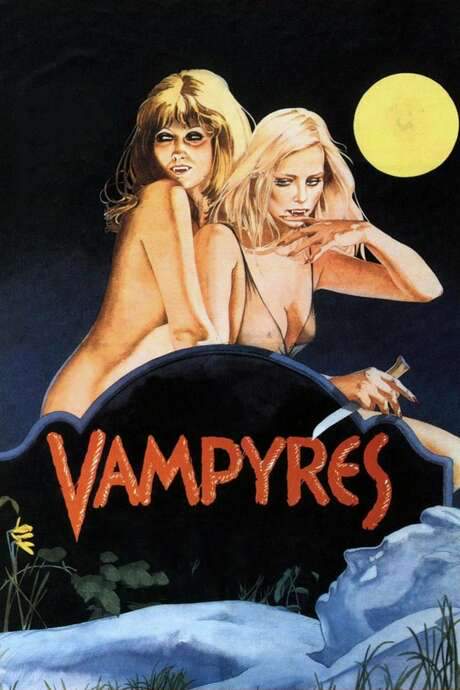
Victorian Psychosexual Horror Movies like Edge of Sanity

Gothic tales of repressed desire unleashing monstrous violence. If you were fascinated by the dark psychology and brutal horror of Edge of Sanity, this thread features movies with similar gothic atmospheres, repressed desires, and monstrous transformations tearing through a rigid Victorian facade.

  • gothic
  • repressed
  • monstrous
  • brutal
  • nightmarish
  • unhinged
  • Tone: dark, grotesque, despairing
  • Pacing: fast, relentless
Why these movies?

The story pattern: These narratives often follow a respected individual harboring a dark secret or trauma. The rigid societal norms of the era create intense pressure, causing their repressed psyche to fracture, leading to a violent and often sexualized alter-ego that wreaks havoc.

Why they belong together: These films are grouped by their shared setting in a morally rigid historical period, a focus on the duality of human nature, and the use of grotesque horror to explore themes of sexual repression, addiction, and madness.
Movies about a Descent into Madness like Edge of Sanity

A harrowing psychological spiral where a character becomes their own worst enemy. Fans of Edge of Sanity's brutal exploration of Dr. Jekyll's downfall will find more chilling stories in this thread, featuring characters who spiral into psychosis and violence, losing their identity to inner demons.

  • unhinged
  • despairing
  • psychological
  • brutal
  • frenetic
  • nightmarish
  • Tone: dark, bleak, disturbing
  • Pacing: fast, frenetic
Why these movies?

The story pattern: The plot follows a character, often starting from a position of stability, as an experiment, addiction, or repressed memory triggers a fracture in their psyche. This fracture widens into a full-blown alternate personality that is violent, primal, and ultimately dominant, leading to a bleak conclusion where the original self is lost.

Why they belong together: This thread groups movies based on the core narrative of a protagonist's self-destruction through a fractured psyche. They share a high intensity, a dark tone, and a focus on the terrifying loss of control and identity.

If you liked this

Movies Like Edge of Sanity

Similar movies to Edge of Sanity: the same genre, themes or kind of story. Each one comes with its own plot summary, timeline and ending explained.

Browse all movie summaries

Every angle

Edge of Sanity (1989) Explained: Plot, Timeline & Characters

Everything about Edge of Sanity in one place: what happens in the plot summary, the timeline in chronological order, the characters and meaning and a spoiler-free summary. What's After the Movie adds the cast, box office and post-credit scenes.

Coming soon on iOS and Android

The Plot Explained Movie Summary App

Plot summaries, endings explained and timelines on your phone. Catch up on any movie in minutes, save your favorites and never miss a twist again.

Be the first to know when we launch. Your email stays private, always.

Learn more about the app