Year: 1993
Runtime: 149 mins
Language: Malayalam
Director: Shaji Kailas
Goplakrishnan (Jagadish), a bright newspaper boy from Hindustan Colony, enters politics with his friends, runs for office and wins a landslide. He promises free policing and a clean law‑order system. Meanwhile, dynamic young officer Mohammed Iqbal (Siddique) is tasked with purging the capital city of goons and restoring order.
Find where to stream, rent, or buy Sthalathe Pradhana Payyans (1993) in the US with current JustWatch availability, up-to-date pricing, and platform listings for subscription, rental, and digital purchase options.
Warning: spoilers below!
Haven’t seen Sthalathe Pradhana Payyans yet? This summary contains major spoilers. Bookmark the page, watch the movie, and come back for the full breakdown. If you're ready, scroll on and relive the story!
Explore the full timeline and setting of Sthalathe Pradhana Payyans (1993). Follow every major event in chronological order and see how the environment shapes the story, characters, and dramatic tension.
Last updated: October 04, 2025 at 18:56
Meet the key characters of Sthalathe Pradhana Payyans (1993), with detailed profiles, motivations, and roles in the plot. Understand their emotional journeys and what they reveal about the film’s deeper themes.
Last updated: October 04, 2025 at 18:56
Explore the central themes of Sthalathe Pradhana Payyans (1993), from psychological, social, and emotional dimensions to philosophical messages. Understand what the film is really saying beneath the surface.
Last updated: October 04, 2025 at 18:56
Browse frequently asked questions about Sthalathe Pradhana Payyans (1993) focused on characters, relationships, themes, symbols, setting, and story context. This movie info FAQ gives spoiler-aware explanations for character arcs, world details, and thematic interpretation so readers can better understand what the film is really about.
The narrative is centered in Hindustan Colony, a suburban neighborhood lying on the outskirts of the city. This setting serves as a microcosm of urban life where middle-class and lower-class residents navigate daily issues intersecting with politics. In Sthalathe Pradhana Payyans, this location becomes a flashpoint for social tensions and political unrest.
The tightly knit community structure is established early as a foundation for later conflict.
The plot unfolds against a backdrop of turbulent Kerala state politics marked by factionalism and shifting party loyalties. Ministerial maneuvering and election promises collide with street-level realities throughout the film. Sthalathe Pradhana Payyans uses this environment to highlight how power plays impact ordinary citizens.
Early mentions of party infighting hint at the larger conspiracy to come.
K. G. Gopalakrishnan is an educated youth working as a newspaper delivery man who rises to become a political candidate. He enters politics with grassroots support and eventually becomes the Home Minister to implement policing reforms. His journey in Sthalathe Pradhana Payyans mirrors the lure of influence in a system rife with backroom deals.
His initial role as a newspaper boy establishes his connection to information and truth.
Kunhikannan Nambiar is a cunning politician who uses underworld connections to maneuver within the ruling structure. He aims to seize a ministry and control arms flow, viewing Gopalakrishnan's popularity as a threat to his power. In Sthalathe Pradhana Payyans, he embodies the corrupt, power-hungry master architect of chaos.
Nambiar's early scheming sets the stage for the eventual clash with reformists.
Mohammed Iqbal is a young and dynamic police commissioner tasked with cleaning up the city of goons. His mandate to enforce law and order pits him against entrenched political interests profiting from disorder. Sthalathe Pradhana Payyans uses his character to drive the tension between policing reform and political manipulation.
His introduction as a dynamic officer foreshadows the crackdown on violence.
The film centers on how political power is pursued, traded, and contested within a corrupt system. Gopalakrishnan's rise from a common delivery man to a state minister mirrors the lure of influence and the risks of reform. Sthalathe Pradhana Payyans questions whether transparency can survive in a landscape dominated by political calculations.
The theme of power is introduced through the initial election campaign promises.
Communal tensions erupt as political figures engineer riots to sow division in Hindustan Colony. Goon squads torch homes and target civilians, turning neighborhoods into danger zones to critique how politicians manipulate fear. Sthalathe Pradhana Payyans underscores the human cost of political brinkmanship through these violent acts.
Early social tensions in the colony hint at the escalating violence later.
The story explores the clash between policing reform and the status quo where disorder profits certain factions. Iqbal's attempts to enforce justice challenge entrenched interests and provoke resistance from those benefiting from chaos. Sthalathe Pradhana Payyans tests the idea of justice in a corrupt system through this conflict.
The promise of free policing sets up the later struggle for actual order.
It is an Indian neighborhood populated by middle-class and lower-class residents with local shops and religious sites. The community is tightly knit, making it a battleground for power plays where local issues intersect with broader politics. In Sthalathe Pradhana Payyans, this setting grounds the high-stakes narrative in relatable urban life.
The description of the colony as a microcosm establishes its vulnerability to unrest.
The dominant tone is tense, driven by the ever-present threat of violence and the protagonist's precarious position. High intensity stems from relentless political intrigue and escalating communal conflict throughout the runtime. Sthalathe Pradhana Payyans maintains a heavy emotional weight due to the depiction of riots and civilian casualties.
The initial political maneuvering sets a serious and tense atmosphere immediately.
Discover curated groups of movies connected by mood, themes, and story style. Browse collections built around emotion, atmosphere, and narrative focus to easily find films that match what you feel like watching right now.
Stories where ordinary people rise up against a broken and corrupt system.If you liked the tense, community-driven revolution in Sthalathe Pradhana Payyans, explore these movies about grassroots uprisings. These films feature ordinary people fighting systemic corruption, often leading to chaotic but hopeful conclusions.
These narratives typically begin with a local injustice that galvanizes a community. An underdog leader emerges, uniting a diverse group against a powerful, corrupt opposition. The story unfolds through escalating protests, strategic maneuvers, and often violent clashes, culminating in a victory that is significant yet comes at a heavy cost.
Movies in this thread are grouped by their shared focus on collective action against oppression, a fast-paced and tense atmosphere, and the bittersweet reality that change is hard-won. They share a heavy emotional weight and explore the moral complexities of fighting fire with fire.

Journeys of idealistic reformers tested by the brutal realities of power.Fans of Sthalathe Pradhana Payyans will appreciate these stories about moral compromise. These films follow idealistic protagonists whose fight against corruption forces them to make difficult, often dark choices, leading to complex and bittersweet endings.
The narrative follows a principled protagonist who gains a position of influence to enact change. They are quickly confronted with the entrenched nature of the system and the necessity of morally grey tactics. The central conflict becomes an internal one: how much of their original self must they sacrifice to achieve their goal, often culminating in a Pyrrhic victory.
These films are united by their deep dive into the theme of power and morality. They share a complex narrative structure, a tense and heavy tone, and a focus on the personal cost of political or social battles. The pacing is often fast, mirroring the relentless pressure on the protagonist.
Don't stop at just watching - explore Sthalathe Pradhana Payyans in full detail. From the complete plot summary and scene-by-scene timeline to character breakdowns, thematic analysis, and a deep dive into the ending - every page helps you truly understand what Sthalathe Pradhana Payyans is all about. Plus, discover what's next after the movie.
Read a complete plot summary of Sthalathe Pradhana Payyans, including all key story points, character arcs, and turning points. This in-depth recap is ideal for understanding the narrative structure or reviewing what happened in the movie.
Track the full timeline of Sthalathe Pradhana Payyans with every major event arranged chronologically. Perfect for decoding non-linear storytelling, flashbacks, or parallel narratives with a clear scene-by-scene breakdown.
Discover movies like Sthalathe Pradhana Payyans that share similar genres, themes, and storytelling elements. Whether you’re drawn to the atmosphere, character arcs, or plot structure, these curated recommendations will help you explore more films you’ll love.
Sthalathe Pradhana Payyans (1993) Plot Summary & Movie Recap
Sthalathe Pradhana Payyans (1993) Scene-by-Scene Movie Timeline
Sthalathe Pradhana Payyans (1993) Spoiler-Free Summary & Key Flow
Movies Like Sthalathe Pradhana Payyans – Similar Titles You’ll Enjoy
Rangasthalam (2018) Spoiler-Packed Plot Recap
Sradha (2000) Story Summary & Characters
Prassthanam (2019) Spoiler-Packed Plot Recap
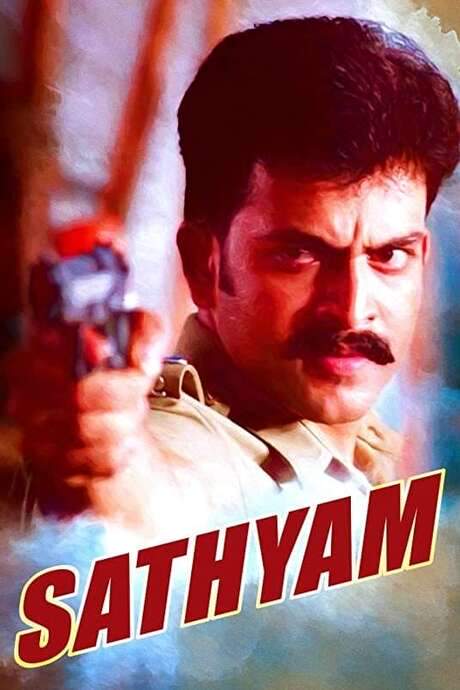
Sathyam (2004) Ending Explained & Film Insights
Vaasthavam (2006) Complete Plot Breakdown
Thalapathi (1991) Spoiler-Packed Plot Recap
Athirathram (1984) Complete Plot Breakdown
Sathya (1988) Detailed Story Recap
Thartharat (1989) Plot Summary & Ending Explained
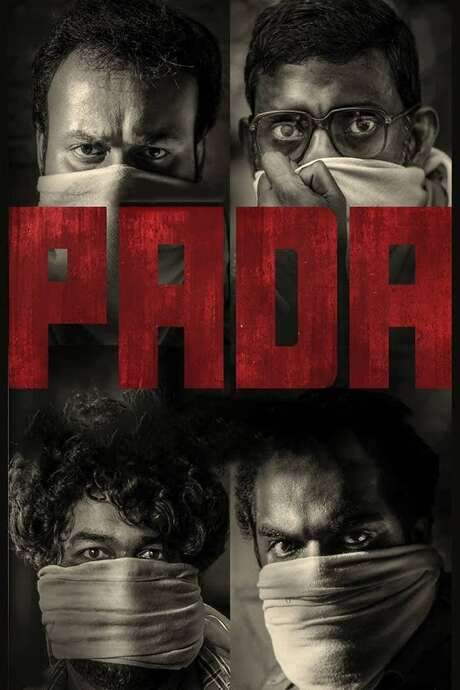
Pada (2022) Spoiler-Packed Plot Recap
Laththi Charge (2022) Story Summary & Characters
Thalasthanam (1992) Full Movie Breakdown
Thanga Padhakkam (1974) Movie Recap & Themes
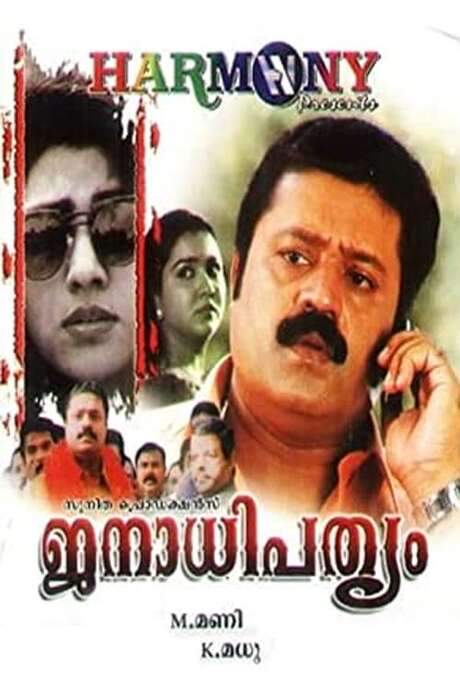
Janathipathyam (1997) Full Summary & Key Details
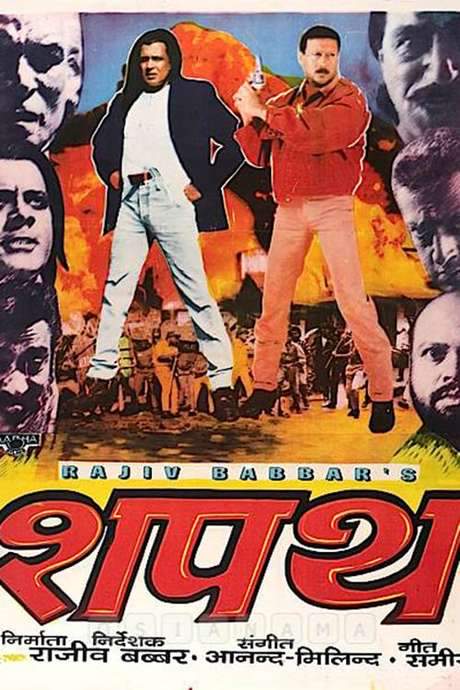
Shapath (1997) Movie Recap & Themes