Plot Explained Spoilers guaranteed!
Plot Explained

Browse by genre

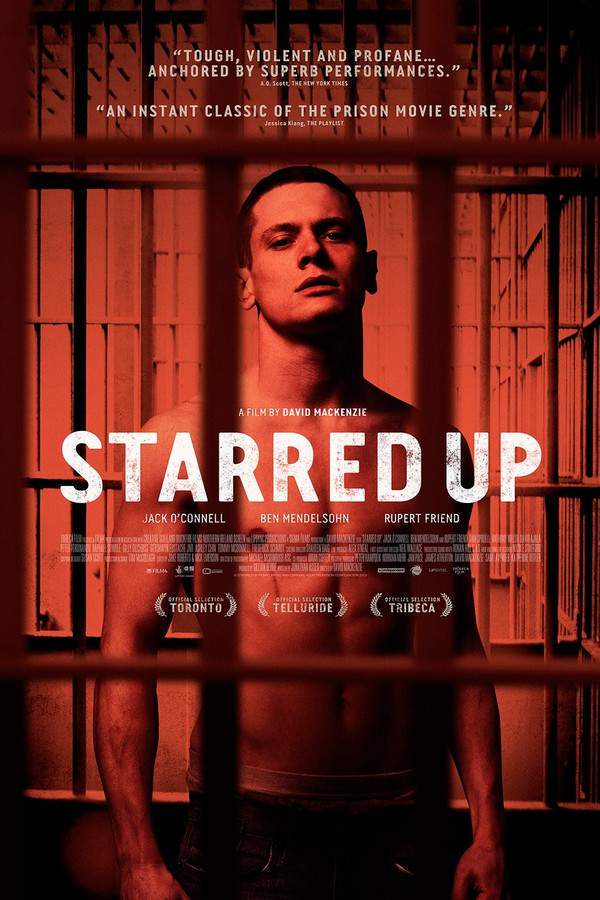
Starred Up (2014) movie poster

Timeline

Starred Up (2014) Timeline Explained – Every Event in Order

Release, runtime and language
2014 · 106 min · English
Loading streaming availability…
Directed by
David Mackenzie
Starring
Ben Mendelsohn, Sam Spruell, Jack O'Connell, Rupert Friend

Transferred to an adult prison, 19-year-old Eric is unexpectedly confronted by his estranged and volatile father, Neville, also an inmate. The harsh realities of maximum security force Eric to navigate a dangerous environment, facing his own anger and the complicated relationship with his father. He must also contend with a corrupt system and the challenges of survival within the prison walls.

On this page (5)
  1. 1 Where to watch
  2. 2 Events in order (12)
  3. 3 Timeline questions answered
  4. 4 Movie threads
  5. 5 Every angle
Loading streaming availability…

12 events in order · contains spoilers

Starred Up Timeline: Events in Chronological Order

Every key event of Starred Up (2014) in order, scene by scene, with when and where it takes place. Use it to untangle flashbacks, time jumps and parallel storylines, to refresh your memory before the sequel or to find the exact scene you are thinking of.

  1. Eric is Starred Up

    Eric, a troubled 19-year-old, is moved from a juvenile facility to a high-security adult prison due to his age and violent past. This transition marks the beginning of his harsh experience in a ruthless environment where survival is paramount.

    Where
    High-Security Adult Prison
  2. Father's Influence

    Eric learns that his estranged father, Neville, is serving a life sentence in the same prison. Neville holds a significant position as a lieutenant for the controlling crime boss, intensifying Eric’s struggles with his identity and familial relationships.

    Where
    High-Security Adult Prison
  3. Escalation of Violence

    Upon entering the prison, Eric's aggression surges as he starts attacking both guards and other inmates. This behavior illustrates his struggle to cope with the realities of prison life and the challenges he faces in managing his anger.

    Where
    High-Security Adult Prison
  4. Oliver's Intervention

    Oliver, a volunteer prison therapist, intervenes just before Eric faces severe punishment for his actions. Recognizing Eric's potential, Oliver encourages him to join a group therapy session with other violent offenders, aiming to help him understand and manage his rage.

    Where
    Therapy Room, High-Security Adult Prison
  5. Group Therapy Sessions

    During the group therapy sessions, tensions rise as the men confront their pasts and personal demons. Oliver adeptly manages the chaos that ensues, helping the individuals to channel their anger into constructive discussions.

    Where
    Therapy Room, High-Security Adult Prison
  6. Conflict with Father

    As Eric deepens his engagement with the therapy group, he faces disapproval from his father. Neville criticizes Eric for making connections with other inmates, adding strain to their already fraught relationship.

    Where
    High-Security Adult Prison
  7. Show of Solidarity

    Eric faces humiliation from a group of three inmates; however, one of his group mates intervenes to support him. This moment of solidarity amidst chaos showcases the bonds formed through shared struggles in therapy.

    Where
    High-Security Adult Prison
  8. Tumultuous Relationship

    The relationship between Eric and Neville grows increasingly tumultuous, marked by hidden secrets and emotional confrontations. Eric discovers his father's romantic involvement with his cellmate, leading to feelings of repulsion and betrayal.

    Where
    High-Security Adult Prison
  9. Dennis's Offer

    The prison crime boss, Dennis, recognizes Eric’s potential and begins to mentor him. This relationship, initially promising, quickly becomes a source of danger as Eric struggles between acceptance and rebellion.

    Where
    High-Security Adult Prison
  10. Turning Point

    Eric's rebellious nature leads him to lash out violently at Dennis, turning their relationship hostile. Dennis's response is to plot Eric's elimination, putting Eric in jeopardy within the already dangerous prison environment.

    Where
    High-Security Adult Prison
  11. Neville's Defiance

    In a dramatic climax, Neville defies Dennis's orders, confronting the crime boss directly. Their brutal struggle not only highlights Neville's desperation to protect his son but also shifts the power dynamics within the prison.

    Where
    High-Security Adult Prison
  12. Father-Son Reunion

    As Neville is being transferred out of the prison, the guards allow for a brief and emotional reunion between him and Eric. This fleeting moment underscores the complexity of their relationship, shaped by trauma and shared experiences.

    Where
    High-Security Adult Prison

Last updated: November 08, 2024 at 03:27

Was this helpful?

Timeline questions answered

Starred Up Timeline Explained: Your Questions Answered

When does it happen, and why in that order? The questions people ask about the chronology of Starred Up (2014): time jumps, flashbacks, cause and effect between scenes and the correct order of events, each answered with spoilers.

Q1

Why does Neville save Eric from Dennis?

Neville saves Eric because despite their tumultuous relationship, he cannot allow Dennis to kill his own son. When Dennis orders the prison director to stage Eric's death, Neville defies the crime boss and overpowers him in a brutal struggle. This act represents Neville's ultimate choice to protect his son over maintaining his position in the prison hierarchy, showing that his hidden love for Eric ultimately outweighs his desire for power.

Foreshadowing: Earlier, Neville warns Eric to "behave" and stay under the radar, hinting at his awareness of the dangers Eric faces.

  • neville saves eric
  • dennis ordered kill
  • father son sacrifice
  • prison boss
Q2

Why does Dennis want Eric dead?

Dennis initially sees potential in Eric and takes him under his mentorship, but when Eric violently lashes out at Dennis, their relationship turns hostile. Dennis views this rejection as a betrayal and orders the prison director to stage Eric's death. This demonstrates how Dennis maintains control through fear and eliminates anyone who challenges his authority, even someone he previously favored.

Foreshadowing: Dennis's mentorship was always conditional on Eric's obedience; his earlier power as the crime boss foreshadows his willingness to destroy those who defy him.

  • dennis kills eric
  • prison boss threat
  • mentorship turned hostile
  • eric attacks dennis
Q3

What is Neville's secret relationship in prison?

Neville is romantically involved with his cellmate, a relationship Eric discovers when he tries to express his bottled emotions to his father. This revelation leaves Eric feeling repulsed and adds another layer of betrayal to their already strained relationship. The secret also highlights how Neville has built an alternative life within prison walls, separate from his role as Eric's father.

Foreshadowing: The tension between father and son and Neville's resistance to emotional intimacy hints at his hidden personal life.

  • neville cellmate
  • secret romance
  • father son conflict
  • prison relationship
Q4

Why does Neville disapprove of Eric's therapy sessions?

Neville criticizes Eric for "fraternizing" with other group members and insists he "learn to behave" under the therapist's guidance. Neville's disapproval stems from his prejudice and fear, he views the therapy group as weak and sees Eric's participation as fraternizing with inmates beneath their status. This reflects Neville's survival philosophy in prison, where forming connections can be seen as dangerous vulnerability.

Foreshadowing: Neville's position as lieutenant for Dennis shows he values power and control, which conflicts with the emotional openness therapy requires.

  • neville disapproves therapy
  • father son conflict
  • prison prejudice
  • group therapy
Q5

Why is Eric transferred to adult prison?

Eric is "starred up" from a juvenile facility to a high-security adult prison because he turned 19 and has a history of violent behavior. The prison system considers him too old for juvenile facilities and transfers him to adult prison, where he immediately faces the harsh realities of maximum security and must navigate the dangerous environment without the protections of a youth facility.

Foreshadowing: Eric's history of violent behavior established in the opening clearly sets up his inability to cope with adult prison life.

  • eric transferred adult prison
  • starred up meaning
  • juvenile to adult prison
Q6

What happens at the end of Starred Up?

In the climax, Neville defies Dennis and overpowers him to save Eric from being killed. During Neville's transfer out of the prison, the guards allow a brief, heartfelt reunion between father and son. The ending is bittersweet, Eric is saved but their future remains uncertain within the harsh prison system, with their bond remaining fragile despite the life-threatening events.

Foreshadowing: The entire film builds toward this father-son reconciliation, with Neville's earlier warnings to Eric and his hidden love foreshadowing this ultimate sacrifice.

  • starred up ending
  • father son reunion
  • neville transfer
  • bittersweet resolution
Q7

Why does Eric attack Dennis?

Eric violently lashes out at Dennis despite initially accepting his mentorship. This violent outburst represents Eric's fundamental inability to accept authority or guidance from anyone, including his father. It demonstrates his rebellious nature and the deep-seated anger that therapy hasn't yet fully addressed. The attack marks a turning point that puts Eric in致命 danger and forces Neville to act.

Foreshadowing: Eric's pattern of attacking guards and inmates from the beginning shows his volatile nature makes conflict inevitable.

  • eric attacks dennis
  • violent outburst
  • rebellion
  • turning point
Q8

How does Oliver help Eric survive in prison?

Oliver, the volunteer prison therapist, intervenes just before Eric faces severe punishment for his violent attacks, saving him from retribution. He persuades Eric to join a group therapy session with other violent offenders, giving Eric a structured outlet for his rage and a support system. Throughout the sessions, Oliver helps Eric channel his anger constructively and develop camaraderie with other inmates, which ultimately helps Eric navigate the dangerous prison environment.

Foreshadowing: Oliver's timely intervention at Eric's lowest point establishes his role as Eric's potential savior from the beginning.

  • oliver therapist
  • eric therapy
  • prison counselor
  • group sessions
Q9

Why is the inmate solidarity moment significant for Eric?

When three inmates attempt to humiliate Eric, one of his black group-mates intervenes to support him, showcasing solidarity amidst the chaos. This moment is significant because it demonstrates that the therapy group has given Eric genuine connections and loyalty, countering his isolation and his father's advice against fraternizing. It marks a turning point where Eric experiences support rather than solely violence.

Foreshadowing: The therapy sessions build toward this moment of genuine bond, showing Oliver's work creating trust among the group members.

  • inmate solidarity
  • group support
  • eric humiliation
  • therapy bonds
Q10

How does Eric change through the therapy group?

Through the group therapy sessions, Eric begins to engage with others and develop camaraderie, learning to channel his anger into constructive discussions rather than violence. Oliver helps him explore the depths of his rage and seek healing, though the sessions often spiral into chaotic verbal confrontations. This participation represents Eric's first attempt at addressing his emotional issues rather than simply acting out violently.

Foreshadowing: Oliver's intervention and Eric's initial acceptance of therapy hint at his capacity for change despite his violent nature.

  • eric therapy change
  • anger management
  • emotional healing
  • group therapy progress

Movie threads

More Movies Like Starred Up, by Mood & Story

Curated lists built around what makes Starred Up tick: the same mood, the same kind of story or the same emotional payoff. Each list explains why these movies belong together.

Movies with Tense Father-Son Dynamics like Starred Up

Stories exploring raw, fraught relationships between fathers and sons under extreme pressure. If you were captivated by the volatile relationship between Eric and Neville in Starred Up, explore these movies that also feature intense father-son dynamics. These films often place characters in confined, high-stakes settings, forcing them to confront a painful shared history under extreme pressure, leading to emotionally heavy and bittersweet journeys.

  • volatile
  • gritty
  • oppressive
  • claustrophobic
  • fragile
  • anxious
  • Tone: tense, dark, gritty
  • Pacing: steady, deliberate
Why these movies?

The story pattern: The narrative pattern centers on a deeply troubled father and son, often estranged, forced into proximity by a confining setting. Their journey is one of clashing wills, confronting a cycle of violence or anger, and grappling with the possibility of a fragile, complicated redemption that rarely offers easy answers.

Why they belong together: Movies are grouped here for their intense focus on the father-son bond as the primary source of conflict and emotional weight. They share a gritty, oppressive tone and use their settings to amplify the tension and claustrophobia of the relationship, resulting in a consistently high-intensity viewing experience.

Gritty Prison Survival Movies like Starred Up

Raw, unsentimental stories of survival within harsh, corrupt systems. For viewers who appreciated the raw and claustrophobic depiction of prison life in Starred Up, this list features similar movies about survival within harsh institutions. These films are characterized by their high intensity, tense atmosphere, and unflinching look at the power dynamics and moments of fragile connection that define existence behind walls.

  • claustrophobic
  • oppressive
  • gritty
  • harsh
  • anxious
  • volatile
  • Tone: tense, bleak, oppressive
  • Pacing: steady, relentless
Why these movies?

The story pattern: Stories follow an individual, often a new inmate, navigating the dangerous social order and blatant corruption of a closed system. The journey is one of adapting, resisting, or finding unlikely allies, with narratives that prioritize authenticity and emotional weight over sensationalism, often leading to ambiguous or bittersweet conclusions about the possibility of true change.

Why they belong together: These films are united by their immersive, authentic depiction of institutional life. They share a high-intensity, claustrophobic vibe, a steady pacing that builds relentless tension, and a heavy emotional weight derived from themes of survival, corruption, and the search for dignity in a dehumanizing environment.

Every angle

Starred Up (2014) Explained: Plot, Timeline & Characters

Everything about Starred Up in one place: what happens in the plot summary, the timeline in chronological order, the characters and meaning and a spoiler-free summary. What's After the Movie adds the cast, box office and post-credit scenes.

Coming soon on iOS and Android

The Plot Explained Movie Summary App

Plot summaries, endings explained and timelines on your phone. Catch up on any movie in minutes, save your favorites and never miss a twist again.

Be the first to know when we launch. Your email stays private, always.

Learn more about the app