













Plot Explained Spoilers guaranteed!
Plot Explained

Browse by genre

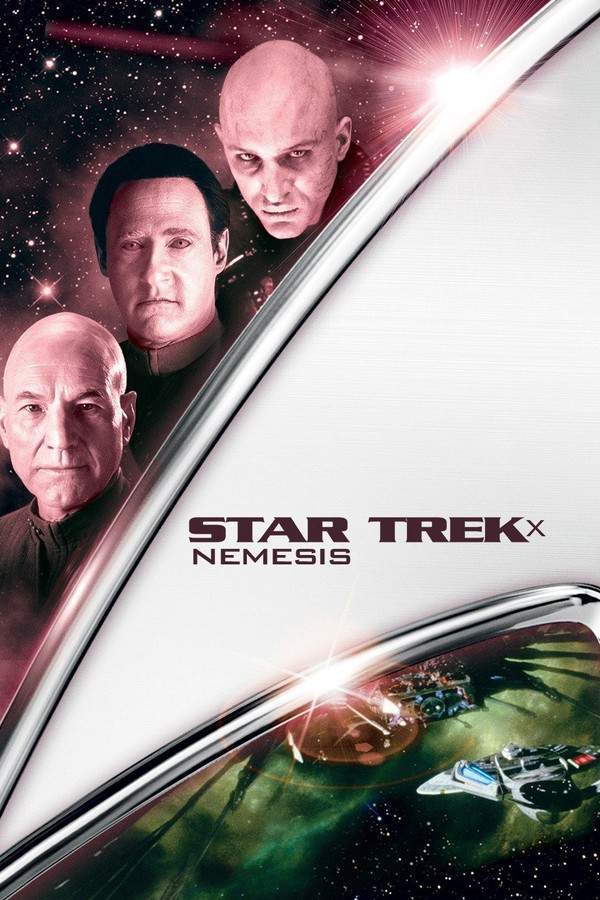
Star Trek: Nemesis (2002) movie poster

Characters & Themes

Star Trek: Nemesis (2002) Characters, Setting & Themes Explained

Release, runtime and language
2002 · 116 min · English
JustWatch #21,874 1
Directed by
Stuart Baird
Starring
Patrick Stewart, Brent Spiner
Budget
$60M

Captain Jean-Luc Picard attempts to broker peace with the Romulans, but his efforts lead him to a shocking discovery: a clone named Shinzon has seized control of the Romulan Empire. Shinzon, fueled by resentment and a thirst for power, poses a grave threat to the Federation and Earth. Picard must then confront his own legacy and work with the Enterprise crew to thwart Shinzon’s plans and avert a devastating conflict that could engulf the galaxy.

On this page (8)
  1. 1 Where to watch
  2. 2 Characters explained (4)
  3. 3 Where & when it takes place
  4. 4 Themes & meaning (3)
  5. 5 Character & meaning questions
  6. 6 Movie threads
  7. 7 Movies like Star Trek: Nemesis
  8. 8 Every angle

Where to watch

Where to Watch Star Trek: Nemesis (2002)

Where can you watch Star Trek: Nemesis? Stream, rent or buy it in the US, including on fuboTV, Paramount Plus Essential and Paramount Plus Premium: current JustWatch availability with up-to-date prices.

Streaming availability powered by JustWatch

4 main characters · contains spoilers

Star Trek: Nemesis Characters Explained: Who Is Who

The main characters of Star Trek: Nemesis (2002), heroes and villains: what drives them, how they change over the course of the story and what each of them reveals about the film's bigger ideas.

  • Jean-Luc Picard

    played by Patrick Stewart

    Captain Jean-Luc Picard is a resolute and strategic leader, known for his deep moral compass and commitment to peace. Throughout the film, he faces daunting challenges and personal dilemmas as he confronts his clone, Shinzon. Picard's character embodies the principles of diplomacy and the weight of command, making tough decisions for the greater good.

    • 👨‍✈️ Captain
    • ✊ Leader
    • 🧠 Intellectual
  • Commander William Riker

    played by Patrick Stewart

    Commander Riker, a loyal first officer, is characterized by his bravery and strategic thinking. As he prepares to marry Deanna Troi, he grapples with the responsibilities of leadership. His character represents not only personal commitment but also the balance between duty and personal life in Starfleet.

    • 💍 Engaged
    • 🔥 Brave
    • 👨‍✈️ First Officer
  • Shinzon

    Shinzon, a clone of Picard, serves as both antagonist and reflection of Picard's darker path. His desire for power and recognition drives the conflict, showcasing a twisted sense of purpose influenced by his brutal past. He represents the struggle against preconceived notions of identity and destiny.

    • 🤖 Clone
    • 💔 Tragic
    • 🔄 Villain
  • Data

    played by Brent Spiner

    Lieutenant Commander Data is an advanced android deeply exploring human emotions and identity. His journey in this film culminates in a profound act of heroism, where he sacrifices himself for his friends, highlighting themes of humanity and self-awareness. Data embodies the quest for understanding what it means to be truly alive.

    • 🤖 Android
    • 💡 Curious
    • 🎭 Emotionally Evolving

Last updated: October 22, 2024 at 20:33

Was this helpful?

Setting

Where and When Does Star Trek: Nemesis Take Place?

The setting of Star Trek: Nemesis (2002): the year and time period, the places and locations, and how they shape the characters, the mood and the tension of the story.

Time period

The events of the movie take place in a futuristic setting within the Star Trek universe, marked by advanced space travel and complex interstellar politics. This period showcases the ongoing tensions between various factions, like the Romulans and the Federation, and delves into themes of cloning and identity.

Location

Betazed, Kolaran system, Kolarus III, Romulus, Remus, Earth

The story unfolds across various planets, beginning with Betazed, known for its telepathic inhabitants and serene landscapes, where Riker and Troi prepare for their wedding. Kolarus III is a planet in the Kolaran system that hides remnants of advanced technology and androids, including B-4. Romulus represents political intrigue and the heart of Romulan society, while Remus is seen as a subjugated realm under Romulan rule. Earth serves as the home of the Federation and the ultimate battlefield.

  • 🏞️ Planets
  • 🛸 Space
  • 🌌 Sci-Fi

Last updated: October 22, 2024 at 20:33

Was this helpful?

3 major themes

Star Trek: Nemesis Meaning: Themes & Message Explained

What is Star Trek: Nemesis (2002) really about? The emotional, social and philosophical themes the film keeps returning to, its symbolism and the message beneath the surface.

  • Identity

    The theme of identity is central to the narrative, especially with the character of Shinzon, who is a clone of Picard. The film explores what it means to be an individual versus a mere copy, as both Shinzon and Data grapple with their identities. This theme raises questions about the essence of self and how one's origins shape their fate.

  • Conflict

    Star Trek: Nemesis is rife with conflict, both physical and ideological. The tension between the Romulans and the Federation escalates, leading to battles and personal confrontations. Moreover, the internal struggle faced by Picard and Shinzon reflects deeper themes of moral conflict and the impact of choices on one's destiny.

  • Sacrifice

    Sacrifice becomes a poignant theme as characters face dire situations that demand the ultimate price for peace. Data's self-sacrifice to stop the Scimitar illustrates profound loyalty and bravery, emphasizing the lengths to which characters will go to protect their loved ones and their values.

Last updated: October 22, 2024 at 20:33

Was this helpful?

Character & theme questions

Star Trek: Nemesis Characters & Meaning: Your Questions Answered

The questions people ask about Star Trek: Nemesis (2002): who the characters really are, their relationships, what the symbols mean, where it takes place and what the movie is really about. Each answer contains spoilers.

Q1

What are the main locations in the film?

The film takes place across several key locations within the Star Trek universe. Betazed serves as the starting point where Riker and Troi prepare for their wedding. The Kolaran system and Kolarus III are significant for revealing remnants of advanced technology and the android B-4. Romulus represents the heart of Romulan political power, while the subjugated moon Remus shows the darker side of Romulan rule. Earth ultimately becomes the final battlefield, reinforcing its significance as the Federation's homeworld.

  • betazed
  • kolarus iii
  • romulus
  • remus
  • earth
  • locations
  • setting
Q2

When is the movie set?

Star Trek: Nemesis is set in the distant future within the Star Trek universe, a period characterized by advanced space travel and complex interstellar politics. The story occurs during an era of ongoing tensions between major factions like the Romulan Empire and the Federation, featuring technologies and societal structures far beyond current human capability.

  • future
  • time period
  • star trek universe
  • era
  • setting
Q3

Who is Shinzon and why is he significant?

Shinzon is a clone of Captain Picard created by the Romulans as part of a secret project. He serves as both the film's antagonist and a dark mirror to Picard himself. Raised in brutal conditions on Remus, Shinzon harbors deep resentment toward his template and seeks power and recognition. His existence raises fundamental questions about identity, nature versus nurture, and whether one's origins determine their destiny.

  • shinzon
  • picard clone
  • antagonist
  • identity
  • romulan
Q4

What role does identity play in the story?

Identity is the central theme of Star Trek: Nemesis, explored primarily through Shinzon and Data. Shinzon grapples with being a clone, questioning whether he is merely a copy or a distinct individual. Data, the android, similarly questions his own humanity and consciousness. The film examines what defines the self and how one's origins shape their ultimate choices, presenting both characters as reflections on the nature of identity itself.

  • identity
  • clone
  • data
  • shinzon
  • self
  • character
Q5

How does sacrifice factor into the narrative?

Sacrifice becomes a defining theme in the film, most notably through Data's actions. In the climactic battle, Data deliberately sacrifices himself to disable the Scimitar, the massive Romulan warship wielding a planet-destroying weapon. This act embodies profound loyalty and bravery, demonstrating the lengths characters will go to protect their crew and uphold their values. The sacrifice carries significant emotional weight, contributing to the film's bittersweet resolution.

  • sacrifice
  • data
  • heroism
  • death
  • battles
Q6

What is the conflict between the Romulans and the Federation?

The film depicts escalating tensions between the Romulan Empire and the United Federation of Planets. Under Shinzon's leadership, the Romulans pose an aggressive threat, with the Scimitar capable of destroying entire planets. The conflict blends political intrigue with personal stakes, as Picard must broker peace but instead discovers a clone threat. TheRomulan-Federation struggle represents the broader ideological and military tensions that define this era of the Star Trek universe.

  • romulans
  • federation
  • conflict
  • war
  • politics
  • scimitar
Q7

What is Data's role in the film?

Data, the android officer portrayed by Brent Spiner, continues his journey exploring human emotions and identity throughout the film. His character arc culminates in a heroic sacrifice during the final battle, where he injects himself into the Scimitar's warp core to destroy the vessel. This act highlights Data's growth toward true humanity, demonstrating his capacity for selflessness and love for his crewmates. His sacrifice becomes the emotional centerpiece of the film.

  • data
  • android
  • hero
  • sacrifice
  • brent spiner
Q8

How does Picard relate to Shinzon?

Picard's relationship with Shinzon is the film's most psychologically complex dynamic. As his clone, Shinzon represents what Picard could have become under different circumstances, shaped by cruelty and abandonment rather than diplomacy and hope. Picard must confront this dark reflection while grappling with questions of responsibility for Shinzon's existence. Their confrontations explore whether nature or nurture defines a person, and whether Picard bears any culpability for his clone's actions.

  • picard
  • shinzon
  • clone
  • confrontation
  • legacy
Q9

What is the significance of Betazed in the story?

Betazed appears early in the film as a serene planet home to telepathic inhabitants. It serves as the setting for Riker and Troi's wedding preparations, providing a moment of peace and personal happiness before the narrative escalates into conflict. The planet's appearance highlights the peaceful world the Federation defends against threats like Shinzon's Scimitar, making the stakes of the impending battle more emotionally resonant.

  • betazed
  • telepathic
  • riker
  • troi
  • wedding
Q10

Who are the key characters in the film?

The film features several key characters from Star Trek: The Next Generation. Captain Jean-Luc Picard leads the Enterprise-E and confronts his clone Shinzon. Commander William Riker prepares for marriage to Counselor Deanna Troi while serving as first officer. Data, the android, provides both comic relief and profound emotional depth. Together, they face the threat posed by Shinzon and the Romulan Empire in what becomes one of their most personal battles.

  • picard
  • riker
  • troi
  • data
  • characters
  • crew
  • enterprise

Movie threads

More Movies Like Star Trek: Nemesis, by Mood & Story

Curated lists built around what makes Star Trek: Nemesis tick: the same mood, the same kind of story or the same emotional payoff. Each list explains why these movies belong together.

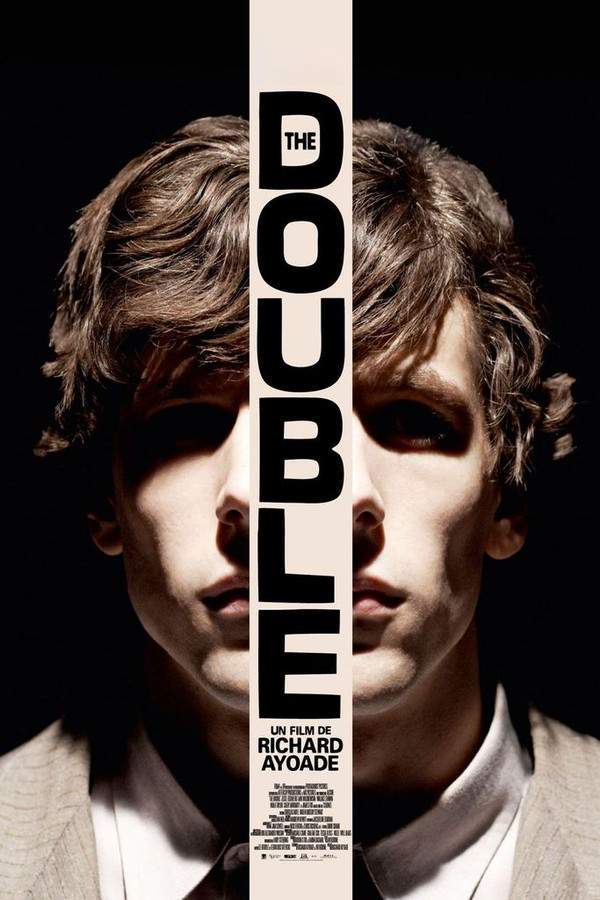
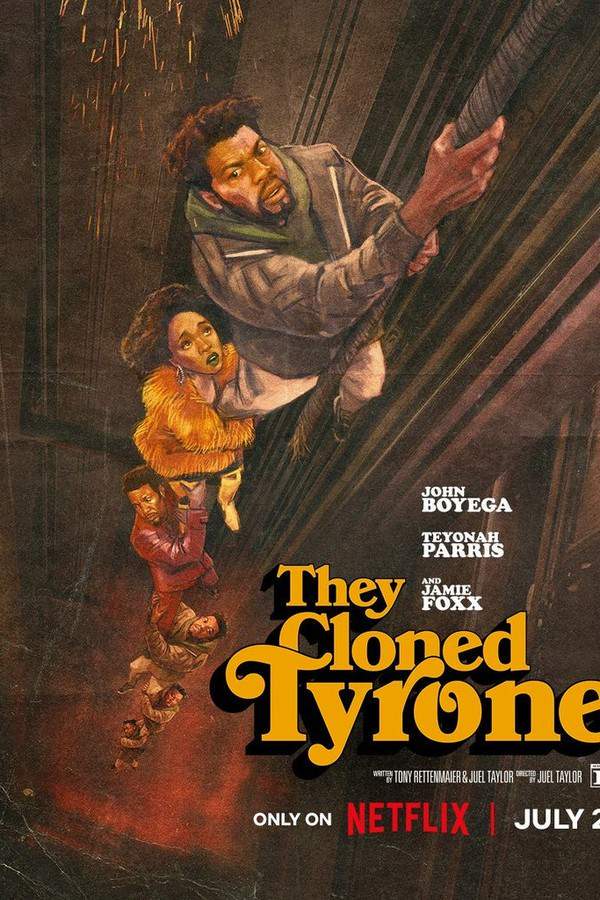
Movies with an Evil Double like Star Trek: Nemesis

Stories where heroes face off against their own twisted reflection. If you enjoyed the compelling dynamic of Picard versus Shinzon in Star Trek: Nemesis, explore these other movies where heroes are pitted against their own dark reflections. These films often share themes of identity, nature vs. nurture, and feature intense, personal confrontations.

  • tense
  • psychological
  • identity crisis
  • dark
  • suspenseful
  • personal stakes
  • Tone: dark, psychological
  • Pacing: fast, driven by personal conflict
Why these movies?

The story pattern: The narrative typically introduces a villain who is a direct copy or inverse of the hero, created through cloning, alternate realities, or dark magic. The conflict becomes intensely personal, forcing the protagonist to question their own identity and confront the parts of themselves they fear. The climax is often a brutal, emotionally charged showdown where the hero must prove their moral superiority.

Why they belong together: These films are grouped by the core narrative device of the 'evil double,' which creates a unique blend of high-stakes action and deep psychological drama. They share a dark tone and explore themes of selfhood, legacy, and the choices that define us.
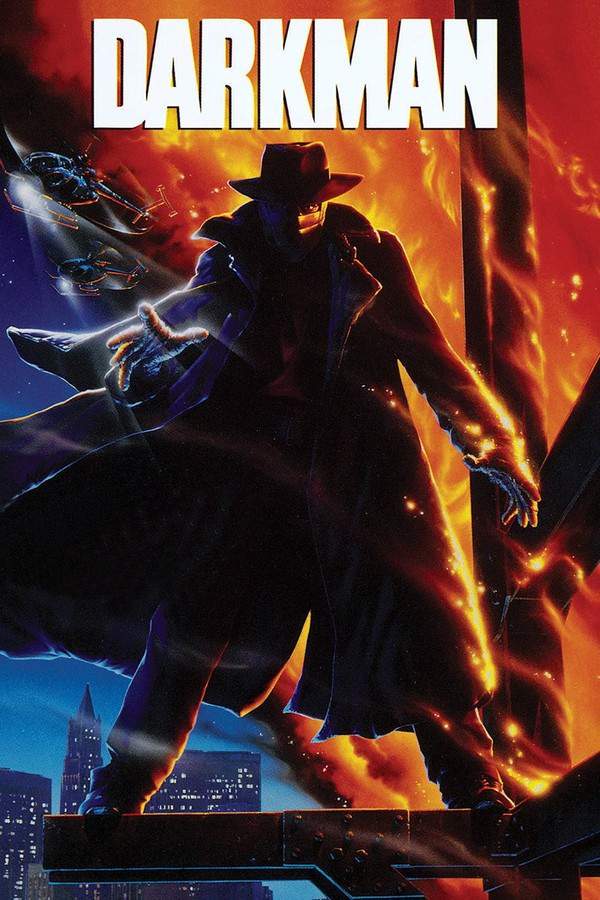
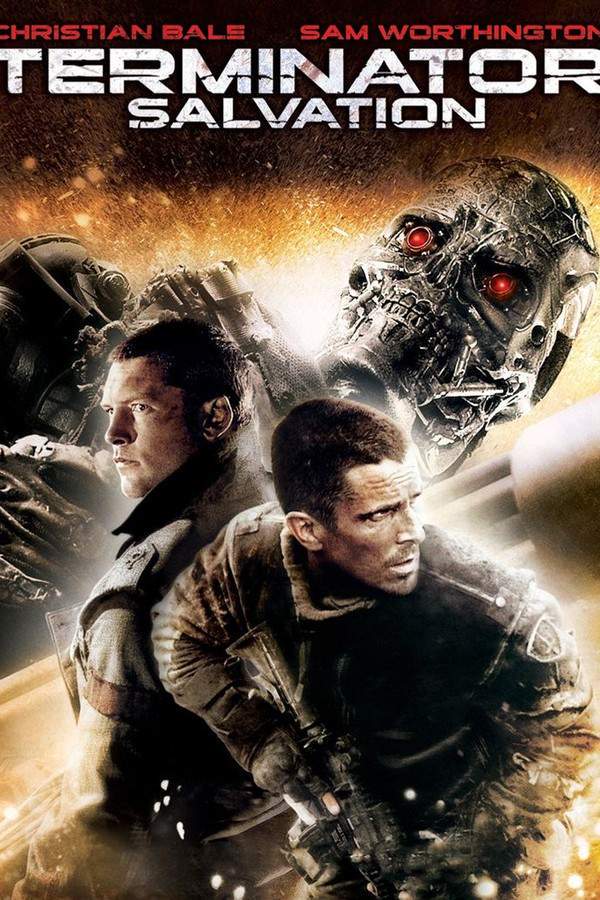
Movies with Bittersweet Endings like Star Trek: Nemesis

Stories where saving the world demands a profound personal sacrifice. Fans of the poignant, sacrifice-filled conclusion of Star Trek: Nemesis will appreciate these other films where victory comes at a great personal cost. These stories deliver thrilling climaxes but are remembered for their heavy emotional resonance and bittersweet conclusions.

  • high stakes
  • sacrifice
  • melancholic
  • solemn
  • victorious but sad
  • emotional
  • Tone: bittersweet, melancholic
  • Pacing: fast, culminating in a somber resolution
Why these movies?

The story pattern: The narrative builds towards a major, high-stakes conflict where the fate of many hangs in the balance. The heroes ultimately succeed in their mission, preventing catastrophe, but their triumph is directly tied to the death or profound loss of a beloved character. The ending acknowledges the win while mourning the cost, creating a powerful, melancholic feeling.

Why they belong together: These films are united by their emotionally complex endings that blend relief with grief. They share a high-intensity journey with heavy emotional weight, leaving the audience with a sense of solemn reflection rather than pure euphoria.

If you liked this

Movies Like Star Trek: Nemesis

Similar movies to Star Trek: Nemesis: the same genre, themes or kind of story. Each one comes with its own plot summary, timeline and ending explained.

Browse all movie summaries

Every angle

Star Trek: Nemesis (2002) Explained: Plot, Timeline & Characters

Everything about Star Trek: Nemesis in one place: what happens in the plot summary, the timeline in chronological order, the characters and meaning and a spoiler-free summary. What's After the Movie adds the cast, box office and post-credit scenes.

Coming soon on iOS and Android

The Plot Explained Movie Summary App

Plot summaries, endings explained and timelines on your phone. Catch up on any movie in minutes, save your favorites and never miss a twist again.

Be the first to know when we launch. Your email stays private, always.

Learn more about the app