Plot Explained Spoilers guaranteed!
Plot Explained

Browse by genre

Stage Fright (1997) movie poster

Timeline

Stage Fright (1997) Timeline Explained – Every Event in Order

Release, runtime and language
1997 · 12 mins · English
Loading streaming availability…
Directed by
Steve Box
Starring
Graham Fellows, Tess Daulton

As their once‑popular dog‑juggling routine loses audiences, the weary vaudeville duo must confront a ruthless villain and navigate a series of perilous obstacles—rival acts, betrayals and high‑risk schemes as they scramble to secure their future and keep their livelihood alive.

On this page (6)
  1. 1 Where to watch
  2. 2 Events in order (12)
  3. 3 Timeline questions answered
  4. 4 Movie threads
  5. 5 Movies like Stage Fright
  6. 6 Every angle
Loading streaming availability…

12 events in order · contains spoilers

Stage Fright Timeline: Events in Chronological Order

Every key event of Stage Fright (1997) in order, scene by scene, with when and where it takes place. Use it to untangle flashbacks, time jumps and parallel storylines, to refresh your memory before the sequel or to find the exact scene you are thinking of.

  1. Tiny hides with his dogs on stage

    Tiny huddles with his dogs in a wicker basket on the stage of an abandoned vaudeville theater. He emerges to have them practice a trick that makes the dogs attack a tattered straw boater hat on command. A second man, Arnold Hugh, appears on stage and Tiny, fearful, backs away and slips toward the orchestra pit.

    When
    Present
    Where
    Abandoned vaudeville theater stage
  2. Arnold confronts Tiny and the fall into the orchestra pit

    Arnold confronts Tiny on the stage and threatens to torture the dogs if they cannot reach his height. Tiny tries to back away, loses his balance, and falls into the orchestra pit with his clothes snagged on a broken plank.

    When
    Present
    Where
    Stage and orchestra pit
  3. Earlier: Tiny loses a dog; Daphne encourages him

    Years earlier, Tiny discovers one of his dogs is missing during a theater act and fears the crowd will turn against him. Daphne urges him to go on with the show, insisting the act can still work. The fear of rejection haunts him as the audience waits.

    When
    Earlier
    Where
    Theater stage
  4. Arnold and Daphne star in silent movie with the missing dog

    In a silent movie that features the missing dog, Arnold and Daphne achieve success while Tiny's training goes uncredited. Arnold pressures Daphne not to tell Tiny about the theft and takes all the credit for training the dogs.

    When
    Earlier
    Where
    Studio
  5. Tiny trains the dogs to wear a hat on command; Arnold's failure

    Tiny trains the dogs to jump up and place a boater on Tiny's head at his command. When Arnold uses this trick in a movie, it fails because he is taller than Tiny and cannot replicate the effect. The setback fuels the tension between them.

    When
    Earlier
    Where
    Studio
  6. Tiny retrains the dogs to attack; confrontation looms

    Angered by the failed trick, Tiny retrains the dogs to attack on command. Arnold leaves the studio to confront Tiny on the studio stage, foreshadowing the climactic confrontation at the opening scene.

    When
    Earlier
    Where
    Studio/Stage
  7. Daphne follows Arnold to the theater

    Daphne decides she no longer wants to work with Arnold and follows him to the theater where his actions will ripple through the events to come. She is drawn into the unfolding conflict.

    When
    Earlier
    Where
    Theater
  8. Daphne confronts Arnold and confesses

    Daphne swings a sandbag across the stage, knocking Arnold down, and confesses her involvement to Tiny. Arnold rises to strangle Daphne, prompting Tiny to issue the attack command to the dogs.

    When
    Present
    Where
    Stage
  9. The attack and accidental death of Arnold

    Tiny commands the dogs to attack; they advance toward Arnold who grabs a metal latch as a weapon. The movie screen collapses and falls on Arnold, killing him.

    When
    Present
    Where
    Stage/Theater
  10. Tiny appears on the glowing organ

    After the death, Tiny is lifted into view on the organ that had provided background music for Arnold's films, now glowing white as if bewitched. He steps down unhurt and looks on as the theater settles.

    When
    Present
    Where
    Theater organ
  11. Arnold's spirit descends to the Underworld

    Arnold's spirit rises from his body and steps onto the organist's beckoning. The organ drops away, carrying Arnold down to the Underworld as the theater collapses around them.

    When
    Present
    Where
    Theater and Underworld
  12. Tiny and Daphne leave the crumbling theater

    Daphne persuades Tiny to overcome his fear of rejection and leave with her. They, along with the dogs, exit into the light of the outside world as the theater falls apart behind them.

    When
    Present
    Where
    Theater exits to outside

Last updated: October 07, 2025 at 09:26

Was this helpful?

Timeline questions answered

Stage Fright Timeline Explained: Your Questions Answered

When does it happen, and why in that order? The questions people ask about the chronology of Stage Fright (1997): time jumps, flashbacks, cause and effect between scenes and the correct order of events, each answered with spoilers.

Q1

How did Arnold steal Tiny's dog for his movies?

Arnold took one of Tiny's dogs during a performance when it went missing. He used the dog in silent movies with Daphne, who was reluctant but complied. Arnold pressured Daphne not to reveal the theft to Tiny, taking all the credit for the dog's training while Tiny received no recognition for his work.

Foreshadowing: Earlier in the timeline, Tiny discovers his dog is missing during a theater act, setting up the theft that enables Arnold's success.

  • arnold theft
  • dog stolen
  • vaudeville act
  • dog training credit
Q2

Why did Daphne collaborate with Arnold despite the stolen dog?

Daphne went along with Arnold's exploitation of Tiny because Arnold pressured her to keep the theft secret. She reluctantly guarded the truth while Arnold built his film career using Tiny's trained dog, creating ongoing guilt that eventually leads her to turn against him.

Foreshadowing: The tension created by Daphne's silence builds throughout the story until she finally confesses her involvement to Tiny.

  • daphne betrayal
  • arnold manipulation
  • movie career
  • guilt
Q3

How did the movie screen fall and kill Arnold?

As Tiny commands the dogs to attack, Arnold grabs a metal latch from the wall to defend himself. The latch is connected to a mechanism that releases the movie screen, which falls and strikes Arnold on the head, killing him instantly in a twist of fate.

Foreshadowing: The earlier scene establishes that the theater contains old film equipment, hinting at the mechanical danger present in the venue.

  • screen death
  • accidental death
  • theater mechanism
  • arnold killed
Q4

Why did Tiny retrain his dogs to attack Arnold?

After Arnold uses Tiny's hat trick in a movie but fails because he is taller than Tiny, Arnold threatens to torture the dogs unless they can perform the feat. Enraged by this threat, Tiny retrains the dogs to attack on command instead of performing tricks.

Foreshadowing: This confrontation occurs after the failed stunt where Arnold's height prevents the dogs from placing the hat on his head.

  • dog attack training
  • arnold threat
  • animal cruelty
Q5

Why does Arnold's spirit go to the Underworld?

After Arnold dies, his spirit rises from his body and is beckoned by a spectral organist playing the theater organ. The organ sinks away, carrying Arnold's spirit down to the Underworld, serving as supernatural punishment for his exploitation and cruelty.

Foreshadowing: The glowing organ appears immediately after Arnold's death, establishing its role as a conduit for spiritual justice.

  • supernatural justice
  • spirit descent
  • underworld
  • organist
Q6

How did Tiny survive the collapsing theater?

After Arnold's death, Tiny appears on the glowing organ that had supplied background music for Arnold's films. The organ lifts him into view in a spectral light. He steps off unharmed while the theater crumbles around him, suggesting supernatural protection or a symbolic transition from the shadows of his past.

Foreshadowing: The organ's glow and the spectral organist hint at otherworldly forces at work in the theater.

  • tiny survival
  • supernatural escape
  • organ magic
  • collapse
Q7

Why did Daphne decide to follow Arnold to the theater?

Daphne becomes disillusioned with Arnold's manipulation and exploitation of Tiny. She chooses to leave Arnold's studio and follow him to the theater, motivated by a desire for transparency and a chance to finally fix the past wrongs she helped perpetuate.

Foreshadowing: Daphne's growing dissatisfaction with Arnold builds after she witnesses his threats against the dogs.

  • daphne redemption
  • theater confrontation
  • choice to leave
Q8

Why was Tiny hiding in the wicker basket on stage at the start?

Tiny hides with his loyal dogs in a wicker basket on the abandoned theater stage, planning a specific moment to reveal them and perform their trick. This sets up the opening scene where Arnold confronts him, establishing the tense atmosphere of their eventual showdown.

Foreshadowing: This scene mirrors the final confrontation that takes place in the same abandoned theater.

  • basket hiding
  • theater stage
  • opening scene
  • ambush
Q9

What happened when Tiny fell into the orchestra pit?

During his confrontation with Arnold, Tiny recoils in fear and stumbles toward the orchestra pit. His clothes catch on a broken plank, trapping him momentarily and establishing the dangerous, dilapidated state of the abandoned venue.

Foreshadowing: The broken plank in the orchestra pit foreshadows the overall decay of the theater that will later collapse.

  • orchestra pit
  • painful fall
  • broken plank
  • theater danger

Movie threads

More Movies Like Stage Fright, by Mood & Story

Curated lists built around what makes Stage Fright tick: the same mood, the same kind of story or the same emotional payoff. Each list explains why these movies belong together.

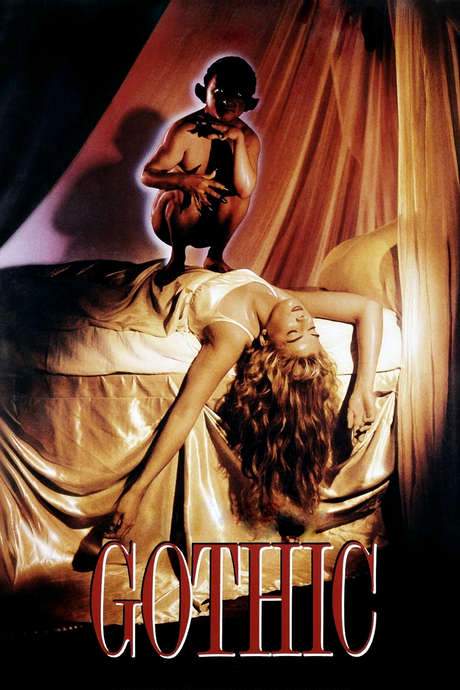
Gothic tales of artistic struggle like Stage Fright

Dark stories where creators fight exploitation in oppressive, uncanny worlds. If you liked the dark, oppressive feel of Stage Fright, discover more movies like it. This collection features similar stories of creative exploitation and desperate survival set in uncanny, gothic-inspired worlds where the emotional weight is heavy and the tone is bleak.

  • gothic
  • melancholic
  • oppressive
  • tense
  • uncanny
  • desperate
  • Tone: dark, melancholic, oppressive
  • Pacing: steady, deliberate
Why these movies?

The story pattern: Stories in this thread typically follow artists, performers, or creators whose life's work is threatened or stolen by a ruthless figure. The journey is one of psychological manipulation and desperate survival, often culminating in a confrontation that delivers a bittersweet or bleak resolution, sometimes aided by supernatural or surreal elements.

Why they belong together: These movies are grouped by their shared dark tone, high emotional weight, and focus on themes of artistic integrity, betrayal, and exploitation. They create a similarly oppressive and tense atmosphere, often through a gothic or uncanny visual style, making the struggle of the protagonist feel visceral and high-stakes.
Movies with bittersweet escapes like Stage Fright

Stories where characters earn a costly freedom from dark circumstances. Fans of Stage Fright's ending will appreciate these films. They feature similar narratives where characters overcome dark and intense confrontations, securing a future that is uncertain and bittersweet rather than purely happy. If you liked the emotional payoff in Stage Fright, explore these similar stories.

  • bittersweet
  • tense
  • heavy
  • desperate
  • cathartic
  • uncertain
  • Tone: dark, bittersweet, tense
  • Pacing: steady, building
Why these movies?

The story pattern: The narrative pattern involves a prolonged confrontation with a powerful, exploitative force. The climax is intense and often violent, resulting in the defeat of the antagonist but also significant personal cost for the protagonists. The ending focuses on their escape into an uncertain future, emphasizing the bittersweet nature of their hard-won freedom.

Why they belong together: These films share a specific emotional arc: they build to a high-intensity confrontation and resolve with a bittersweet feeling. The emotional weight is consistently heavy, and the pacing is steady, methodically leading to a climax that delivers justice or escape without offering a simple, happy conclusion.

If you liked this

Movies Like Stage Fright

Similar movies to Stage Fright: the same genre, themes or kind of story. Each one comes with its own plot summary, timeline and ending explained.

Browse all movie summaries

Every angle

Stage Fright (1997) Explained: Plot, Timeline & Characters

Everything about Stage Fright in one place: what happens in the plot summary, the timeline in chronological order, the characters and meaning and a spoiler-free summary. What's After the Movie adds the cast, box office and post-credit scenes.

Coming soon on iOS and Android

The Plot Explained Movie Summary App

Plot summaries, endings explained and timelines on your phone. Catch up on any movie in minutes, save your favorites and never miss a twist again.

Be the first to know when we launch. Your email stays private, always.

Learn more about the app