Year: 1974
Runtime: 82 mins
Language: English
Director: John Coney
After years of drifting in space, Sun Ra and his Solar Myth Arkestra land back on Earth and declare Ra to be the “alter‑destiny.” He meets inner‑city youths, sharing his cosmic vision while battling a devilish adversary in a symbolic struggle to protect and uplift the Black race.
Warning: spoilers below!
Haven’t seen Space Is the Place yet? This summary contains major spoilers. Bookmark the page, watch the movie, and come back for the full breakdown. If you're ready, scroll on and relive the story!
Read the complete plot breakdown of Space Is the Place (1974), including all key story events, major twists, and the ending explained in detail. Discover what really happened—and what it all means.
Sun Ra, who had been reported missing since his European tour in June 1969, lands on a distant planet with his crew, the Arkestra, and declares a plan to settle African Americans there, with music serving as the primary vehicle for relocation. He travels back in time to a Chicago strip club where he once played the piano under the name “Sonny Ray” in 1943, and there he faces the Overseer Raymond Johnson, a pimp-overlord, until they strike a high-stakes card deal that will decide the fate of the Black race.
In the present-day early 1970s, Ra returns to Earth and touches down in Oakland, where he seeks to spread his audacious vision. He connects with young African Americans at a local youth center and inaugurates an Outer Space Employment Agency to recruit willing colonists for his planet. He partners with Jimmy Fey Christopher Brooks — an employee of the Overseer — to arrange radio interviews, a record album, and an upcoming concert that will help broadcast his message.
As the card game unfolds, the Overseer begins to appear poised to win, casting a shadow over Ra’s outreach and raising doubts among Oakland’s Black youth who fear the venture is a gimmick to boost Ra’s record sales. Ra is kidnapped by a team of white NASA scientists who threaten him to extract the secrets of his space-travel technology, increasing the tension as the concert draws closer. Three local teenagers intervene and rescue him, guiding him to the music hall at the last possible moment.
At the concert, the Arkestra performs their signature free jazz, a pivotal moment that anchors the film’s mood. The NASA scientists crash the event and shoot at Ra; a teenager sacrifices themselves to shield him, and as Ra bleeds on stage, he waves his hand, and Ra, the teenager, and the others vanish from the hall. One by one, Black people across Oakland vanish and reappear aboard Ra’s spaceship, as if drawn into a collective odyssey.
Jimmy Fey resists leaving Earth on the spacecraft, but Ra does not permit him to stay; Fey’s “black parts” depart with him, while his “white parts” remain behind on Earth. The spaceship lifts off to the cosmos with music guiding its course, and a closing montage suggests Earth’s destruction in the process.
The journey unfolds through the voices and rhythms of the Arkestra, whose members include John Gilmore, Danny Davis, Danny Thompson, June Tyson, Marshall Allen, Eloe Omoe, Kwame Hadi, Tommy Hunter, and Larry Northington, each contributing to a sonic panorama that mirrors the film’s broader themes: utopian longing, Black identity, and the costs that accompany radical change. The story weaves together moments of resilience, conflict, and spectacle, presenting a thoughtful, dream-like meditation on music as power and the peril and promise of imagining a new world.
Last Updated: October 09, 2025 at 12:32
Discover curated groups of movies connected by mood, themes, and story style. Browse collections built around emotion, atmosphere, and narrative focus to easily find films that match what you feel like watching right now.
Movies that blend cosmic Black identity, spiritual quests, and symbolic worlds.If you liked the visionary afrofuturism of Space Is the Place, you'll find more movies here that explore cosmic Black identity and liberation through surreal, symbolic, and philosophical science fiction stories. This thread gathers similar speculative and allegorical narratives.
These stories typically follow a spiritual or philosophical guide on a quest to offer an alternative reality or future for a community. The narrative is often symbolic, presenting a struggle between cosmic good and earthly evil through allegorical conflicts rather than conventional plotlines.
They are grouped by their core thematic focus on afrofuturism, their use of surreal and dreamlike visuals, and their shared goal of exploring Black identity and liberation through a cosmic, philosophical lens.
Avant-garde musical journeys that feel like dreamlike, psychedelic experiences.For viewers who enjoyed the free jazz and trippy, freeform feel of Space Is the Place, this thread finds other movies that are avant-garde musical experiences with a surreal, dreamlike, and feverish atmosphere.
The narrative is typically thin or secondary to extended musical sequences and surreal visuals. The film's progression feels more like drifting through a series of connected dreamscapes or philosophical ideas, often leaving the viewer with an ambiguous or interpretive conclusion.
They share a dreamlike, musical core, a variable pacing that meanders between performance and loose plot, and a visual style that is intentionally trippy and surreal, creating an experience closer to an avant-garde concert or a hallucinatory vision.
Don't stop at just watching — explore Space Is the Place in full detail. From the complete plot summary and scene-by-scene timeline to character breakdowns, thematic analysis, and a deep dive into the ending — every page helps you truly understand what Space Is the Place is all about. Plus, discover what's next after the movie.
Track the full timeline of Space Is the Place with every major event arranged chronologically. Perfect for decoding non-linear storytelling, flashbacks, or parallel narratives with a clear scene-by-scene breakdown.
Discover the characters, locations, and core themes that shape Space Is the Place. Get insights into symbolic elements, setting significance, and deeper narrative meaning — ideal for thematic analysis and movie breakdowns.
Get a quick, spoiler-free overview of Space Is the Place that covers the main plot points and key details without revealing any major twists or spoilers. Perfect for those who want to know what to expect before diving in.
Visit What's After the Movie to explore more about Space Is the Place: box office results, cast and crew info, production details, post-credit scenes, and external links — all in one place for movie fans and researchers.
Discover movies like Space Is the Place that share similar genres, themes, and storytelling elements. Whether you’re drawn to the atmosphere, character arcs, or plot structure, these curated recommendations will help you explore more films you’ll love.
Space Is the Place (1974) Scene-by-Scene Movie Timeline
Space Is the Place (1974) Movie Characters, Themes & Settings
Space Is the Place (1974) Spoiler-Free Summary & Key Flow
Movies Like Space Is the Place – Similar Titles You’ll Enjoy
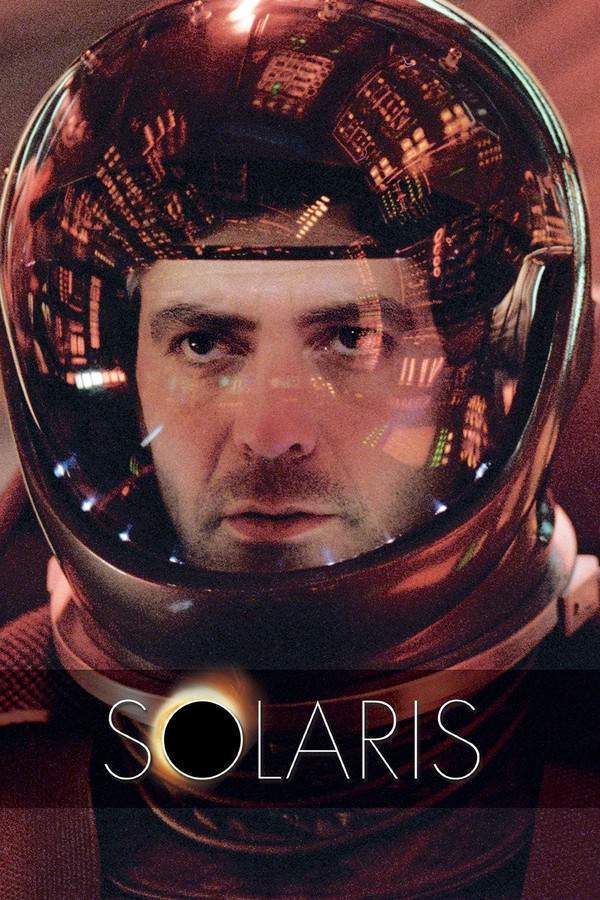
Solaris (2002) Full Summary & Key Details
Space Cop (2016) Spoiler-Packed Plot Recap
Space Boobs In Space (2017) Detailed Story Recap
Beast in Space (1980) Ending Explained & Film Insights
Spacehunter: Adventures in the Forbidden Zone (1983) Ending Explained & Film Insights
Alien Space Avenger (1989) Film Overview & Timeline
Vegas in Space (1991) Full Movie Breakdown
Space Rage (1985) Ending Explained & Film Insights
Space Mutiny (1988) Complete Plot Breakdown
Space Raiders (1983) Ending Explained & Film Insights
Space Marines (1996) Film Overview & Timeline
In the Dust of the Stars (1976) Complete Plot Breakdown
Space Thing (1968) Plot Summary & Ending Explained
Sex Galaxy (2008) Complete Plot Breakdown
Mission Stardust (1967) Plot Summary & Ending Explained