Plot Explained Spoilers guaranteed!
Plot Explained

Browse by genre

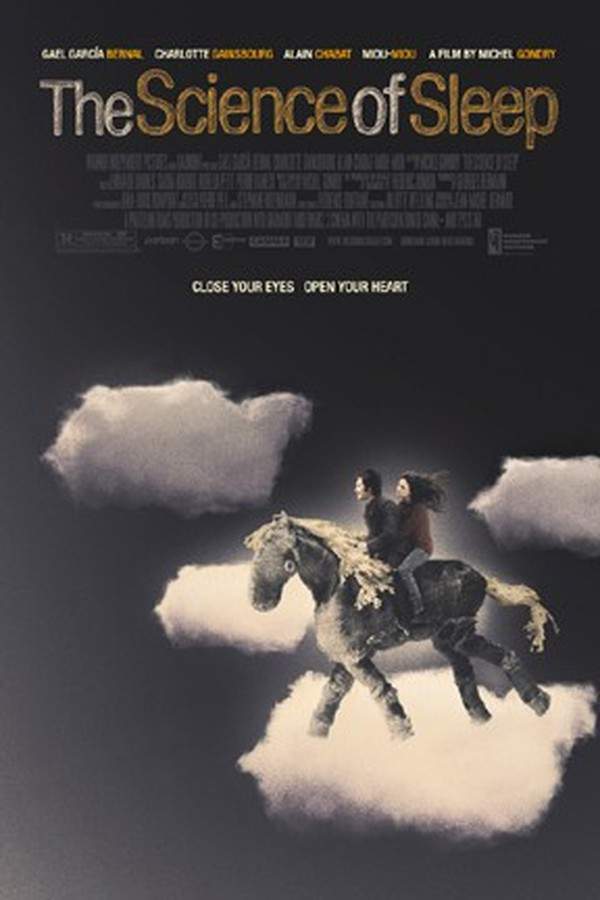
The Science of Sleep (2006) movie poster

Plot Summary

The Science of Sleep (2006) Plot Summary Explained

Release, runtime and language
2006 · 105 min · English
Loading streaming availability…
Starring
Charlotte Gainsbourg, Gael García Bernal, Miou-Miou

Following the death of his father, a young artist finds the line between his dreams and reality increasingly blurred. His intense grief manifests as vivid dreams that begin to intrude on his waking life, impacting his perception of the world. Struggling to cope, he grapples with his artistic aspirations and a budding connection with a captivating neighbor whose influence seems to permeate his subconscious.

On this page (6)
  1. 1 Where to watch
  2. 2 What happens: full plot
  3. 3 Plot questions answered
  4. 4 Movie threads
  5. 5 Movies like The Science of Sleep
  6. 6 Every angle
Loading streaming availability…

Full plot summary · contains spoilers

What Happens in The Science of Sleep: Full Plot Summary

The whole story of The Science of Sleep (2006) explained, from the opening scene to the final frame: every key event, every twist and what it all adds up to. Read it as a quick recap before the sequel, to check a scene you missed, or to finally understand what really happened.

Stéphane Miroux, played by Gael García Bernal, is a timid young man whose vivid dreams frequently disrupt his daily life. Following the death of his divorced father in Mexico, he relocates to Paris to live closer to his mother, Christine. Moving into his childhood home, he embarks on a new chapter by accepting a job at a calendar printing company, which his mother secured for him.

Anticipating a creative role, Stéphane eagerly shares his artwork—a series of twelve illustrations representing unique disasters, which he dubs "disasterology." However, to his dismay, his colleagues fail to appreciate his creativity; instead, he finds himself stuck in monotonous typesetting tasks that leave him disillusioned and frustrated, as emphasized in his vivid dreams.

One day, while on his way to work, Stéphane is warmly invited into the apartment of his new neighbor, Stéphanie. He soon discovers her artistic spirit, which encourages him. They embark on a collaborative project—a short animated film inspired by a boat that Stéphanie is constructing.

As the narrative unfolds, surreal and realistic elements start to intertwine in Stéphane's life, creating an intriguing ambiguity about what is real and what belongs to his dream world. One particularly whimsical dream sequence features Stéphane's hands transforming into enormous appendages, inspired by a recurring childhood nightmare of the film's director, Michel Gondry. As the division between dream and reality blurs, Stéphane finds himself falling for Stéphanie, sharing with her his imaginative creations, such as a 'one-second time machine'. Yet, this merging of realms causes him to question the authenticity of Stéphanie's feelings for him.

Stéphanie's whimsical toy horse, Golden The Pony Boy, echoes themes from The Outsiders, symbolically reflecting Stéphane's regression and childlike demeanor around her, likely stemming from the grief over his father's loss. He invents a mechanism for the toy horse, enabling it to gallop, and later receives a heartfelt call from Stéphanie, revealing that the pony was named in his honor.

To Stéphane's astonishment, the calendar company embraces his "disasterology" concept and throws a party in his honor. However, things take a turn when he succumbs to excess drinking after noticing Stéphanie dancing with another man. The following day, tension arises when Stéphane declares he no longer wants to maintain a friendship with her. Stéphanie proposes they address their issues over a date, but as he makes his way there, a vision leads him to believe she is absent. In a panic, he rushes to her apartment, only to find that she patiently awaits him at a café.

After this emotional turmoil, Stéphane decides it is time to return to Mexico. Before departing, his mother insists that he formally say goodbye to Stéphanie. In his awkward attempt, he inadvertently becomes rude, cracking inappropriate jokes. As his crassness drives her away, Stéphanie asks him to leave; nonetheless, he finds solace in her bed, discovering two significant items on her bedside: his one-second time machine and the completed boat meant for their animated venture. The film concludes with a poignant scene of Stéphane and Stéphanie joyfully riding Golden the Pony Boy across a verdant field before sailing off into the sea in her boat.
Last updated: November 09, 2024 at 11:20

Was this helpful?

Plot questions answered

The Science of Sleep Plot Explained: Your Questions Answered

The questions people ask most about The Science of Sleep (2006): what happens in the confusing scenes, why the characters do what they do, the twists, hidden details and what the ending means. Each answer contains spoilers.

Q1

Why does Stéphanie name the toy horse Golden The Pony Boy after Stéphane?

Stéphanie names the toy horse after Stéphane as a meaningful gesture. When she calls him, she reveals that the pony was named in his honor, symbolizing her affection for him and acknowledging his childlike, whimsical nature. This moment connects to the film's themes of regression and emotional vulnerability, as Stéphane's interactions with Stéphanie bring out his softer, more innocent side, likely amplified by his grief over his father's death.

Foreshadowing: Earlier scenes show Stéphane behaving in a childlike manner around Stéphanie, foreshadowing the significance of the pony's name.

  • golden the pony boy
  • stéphanie
  • stephane
  • toy horse
  • name
  • affection
Q2

Why does Stéphane push Stéphanie away despite loving her?

Stéphane's push-and-pull behavior stems from his emotional instability caused by unresolved grief over his father's death. His dreams blurring with reality leave him unable to trust his own perceptions, making him question whether Stéphanie's feelings are genuine or just another dream construct. Additionally, when he sees her dancing with another man at the party, his jealousy and insecurity spiral, leading him to reject her before she can potentially reject him.

Foreshadowing: His constant questioning of what is real versus dreamed establishes his inability to trust his own emotions and perceptions.

  • stephane
  • stéphanie
  • rejection
  • love
  • grief
  • insecurity
Q3

Why does Stéphane decide to return to Mexico?

Stéphane decides to return to Mexico because he feels he has failed to properly connect with Stéphanie and cannot reconcile his emotional turmoil in Paris. His awkward goodbye attempt, where his inappropriate jokes push her away, convinces him that he cannot make their relationship work. The decision represents his retreat back toward his past and family roots, though the ending suggests this departure is temporary as he ultimately returns to her.

Foreshadowing: His escalating emotional instability throughout the film, including the drinking and confrontation, foreshadows his decision to flee the situation.

  • mexico
  • stephane
  • return
  • departure
  • paris
Q4

What causes Stéphane's dreams to intrude on his waking life?

Stéphane's dreams begin to intrude on his waking life primarily because of his intense grief following his father's death. The trauma manifests as vivid dreams that increasingly seep into reality, creating confusion about what is real. His emotional state, heightened by frustration at his mundane job, loneliness, and his artistic aspirations, makes him susceptible to this blurring. The film intentionally never clarifies exactly when he is dreaming versus awake, reflecting his psychological state.

Foreshadowing: The opening establishes his vivid dream life immediately following his father's death, establishing the pattern that worsens as the story progresses.

  • dreams
  • reality
  • grief
  • sleep
  • perception
  • blurring
Q5

Why does Stéphane invent the one-second time machine?

Stéphane invents the one-second time machine as a whimsical creative project that reflects his desire to control time and recapture lost moments, a manifestation of his grief and wish to undo his father's death. He shares this invention with Stéphanie, showing her his most personal and imaginative creations. The time machine becomes a symbol of their shared creative bond, and its presence on her bedside table at the end proves her genuine investment in their relationship.

Foreshadowing: His artistic nature and desire to create meaningful work are established early when he hopes to contribute creative illustrations at the calendar company.

  • one-second time machine
  • invention
  • stephane
  • creativity
  • time
Q6

What does the ending scene with the boat symbolize?

The ending scene where Stéphane and Stéphanie sail away in the boat they created together symbolizes their shared creative journey and a fresh start despite past misunderstandings. The boat, which Stéphanie was constructing throughout the film, represents their collaborative artistic vision and emotional connection. Sailing into the sea represents leaving behind the confusion, grief, and instability that plagued Stéphane, moving toward new beginnings together.

Foreshadowing: The collaborative animated film project, inspired by the boat, establishes the boat as a central symbol of their bond from the midpoint of the film.

  • boat
  • sailing
  • ending
  • symbol
  • stephane
  • stéphanie
  • future
Q7

Why is Golden The Pony Boy significant to Stéphane's character arc?

Golden The Pony Boy is significant because it represents Stéphane's emotional regression to a childlike state, likely triggered by his grief over his father's death. His invention of a mechanism to make the toy horse gallop demonstrates his whimsical creativity but also his need for comfort and innocence. The pony's name (which Stéphanie reveals is after him) and their joyful riding scene contrast with his adult struggles at work and with relationships, highlighting his internal conflict between maturity and regression.

Foreshadowing: His childish behavior and inability to handle adult situations like workplace politics and romantic confrontation foreshadow the pony's significance.

  • golden the pony boy
  • toy horse
  • childhood
  • regression
  • stephane
  • symbolism
Q8

Why does Stéphane drink excessively after seeing Stéphanie dance with another man?

Stéphane drinks excessively because seeing Stéphanie dance with another man triggers his deep-seated insecurity and jealousy. Combined with the emotional turmoil from his dreams blending with reality and his frustration with his job, this moment breaks his restraint. His excess drinking leads to confrontation the next day, where he incorrectly believes she has rejected him, causing him to push her away first, a self-sabotage pattern stemming from his fear of abandonment and inability to trust his relationship.

Foreshadowing: His jealousy and suspicion about whether Stéphanie's feelings are real have been building throughout their interactions, especially as he struggles to distinguish dreams from reality.

  • drinking
  • party
  • jealousy
  • stephane
  • stéphanie
  • insecurity
Q9

Why do Stéphane's colleagues reject his creative disasterology illustrations?

Stéphane's colleagues reject his disasterology illustrations because they expect conventional calendar art and find his creative approach inappropriate for the product. Instead of appreciating his unique vision, they assign him mundane typesetting tasks, leaving him frustrated and disillusioned. This rejection represents the conflict between his artistic aspirations and the practical, uncreative world, later reversed when the company unexpectedly embraces his concept at a party.

Foreshadowing: His initial excitement about contributing creative work, contrasted with the mundane reality of his typesetting job, establishes this tension early.

  • disasterology
  • art
  • colleagues
  • rejection
  • calendar company
  • job
Q10

What causes the misunderstanding about Stéphanie waiting for Stéphane?

Stéphane's misunderstanding about Stéphanie not waiting for him stems from his emotional instability and distorted perception, a continuation of his inability to distinguish reality from his anxious thoughts. When they plan to meet to address their issues, a vision or panic leads him to believe she isn't coming. This triggers his panicked rush to her apartment, where he discovers she had actually been waiting for him at a café the entire time, highlighting how his grief-fueled anxiety causes him to misread situations.

Foreshadowing: His consistent confusion throughout the film about what is real versus what he imagines establishes this pattern of misunderstanding.

  • misunderstanding
  • date
  • panic
  • stephane
  • stéphanie
  • waiting
Q11

Why does Stéphane question whether Stéphanie's feelings are real?

Stéphane questions Stéphanie's feelings because his dreams increasingly blur with reality, making him doubt all his perceptions, including romantic ones. He cannot trust that his waking experiences are genuine rather than elaborate dream constructs. His grief and insecurity compound this, since losing his father, he struggles to believe in positive connections. This doubt creates tension throughout their relationship and contributes to his self-sabotaging behavior.

Foreshadowing: The opening sequences establish early on that Stéphane frequently questions what is real, a pattern that extends to his relationships.

  • trust
  • feelings
  • reality
  • doubt
  • stephane
  • stéphanie
  • love
Q12

Why does Stéphane's mother insist he say goodbye to Stéphanie before leaving?

Stéphane's mother insists he formally say goodbye to Stéphanie because she recognizes his genuine feelings for her and understands that leaving without proper closure would be a mistake. She pushes him to face the relationship rather than running away, hoping he might reconcile. However, his awkward, inappropriate jokes during the goodbye, stemming from nervous inability to express genuine emotion, ultimately push Stéphanie away, showing how his inability to maturely handle emotions sabotages his chances.

Foreshadowing: His pattern of making jokes at inappropriate moments and inability to express serious emotions has been visible throughout the film.

  • mother
  • goodbye
  • stephane
  • stéphine
  • family
  • closure

Movie threads

More Movies Like The Science of Sleep, by Mood & Story

Curated lists built around what makes The Science of Sleep tick: the same mood, the same kind of story or the same emotional payoff. Each list explains why these movies belong together.

Movies where dreams blend with reality like in The Science of Sleep

Stories where the line between the subconscious and the waking world dissolves. If you enjoyed the surreal dreamscapes of The Science of Sleep, this list features similar movies where the line between fantasy and reality is ambiguous. Discover other imaginative films that use dream logic and blur the subconscious with the everyday, perfect for fans of psychological fantasy and surrealism.

  • surreal
  • dreamlike
  • imaginative
  • disorienting
  • psychological
  • introspective
  • Tone: surreal, introspective, whimsical
  • Pacing: variable, fluid
Why these movies?

The story pattern: Narratives in this thread often follow a character grappling with a potent emotional catalyst—such as grief, love, or artistic obsession—which manifests as vivid fantasies or dream intrusions. The plot unfolds through a series of events where the viewer, like the protagonist, must question what is real and what is a projection of their mind, leading to a climactic moment of revelation or acceptance.

Why they belong together: These films are grouped together because they share a core structural device: the deliberate merging of dream and reality to explore character psychology. They create a specific, immersive viewing experience defined by surreal imagery, non-linear storytelling, and a constant sense of questioning the nature of the events on screen.

Quirky and bittersweet romance movies like The Science of Sleep

Unconventional love stories that are charmingly odd and poignantly real. Looking for more romantic films with the unique, bittersweet charm of The Science of Sleep? This collection features love stories with quirky characters, imaginative settings, and emotionally resonant endings. Find your next favorite movie about unconventional connections and the beautiful awkwardness of real relationships.

  • quirky
  • bittersweet
  • romantic
  • melancholic
  • charming
  • offbeat
  • Tone: whimsical, bittersweet, melancholic
  • Pacing: steady, character-driven
Why these movies?

The story pattern: The romantic journey in these films is rarely straightforward. It centers on two idiosyncratic individuals who connect in unusual ways, often hindered by their own insecurities, creative temperaments, or social awkwardness. The central conflict is as much about their internal struggles as their external relationship, culminating in a conclusion that acknowledges the beauty of their connection while accepting its inherent imperfections.

Why they belong together: Movies in this thread share a specific blend of tone: a whimsical, often handmade aesthetic applied to a romance that is fundamentally grounded and bittersweet. They balance lightness and humor with genuine emotional depth, creating a uniquely charming and poignant viewing experience centered on flawed, authentic characters.

If you liked this

Movies Like The Science of Sleep

Similar movies to The Science of Sleep: the same genre, themes or kind of story. Each one comes with its own plot summary, timeline and ending explained.

Browse all movie summaries

Every angle

The Science of Sleep (2006) Explained: Plot, Timeline & Characters

Everything about The Science of Sleep in one place: what happens in the plot summary, the timeline in chronological order, the characters and meaning and a spoiler-free summary. What's After the Movie adds the cast, box office and post-credit scenes.

Coming soon on iOS and Android

The Plot Explained Movie Summary App

Plot summaries, endings explained and timelines on your phone. Catch up on any movie in minutes, save your favorites and never miss a twist again.

Be the first to know when we launch. Your email stays private, always.

Learn more about the app