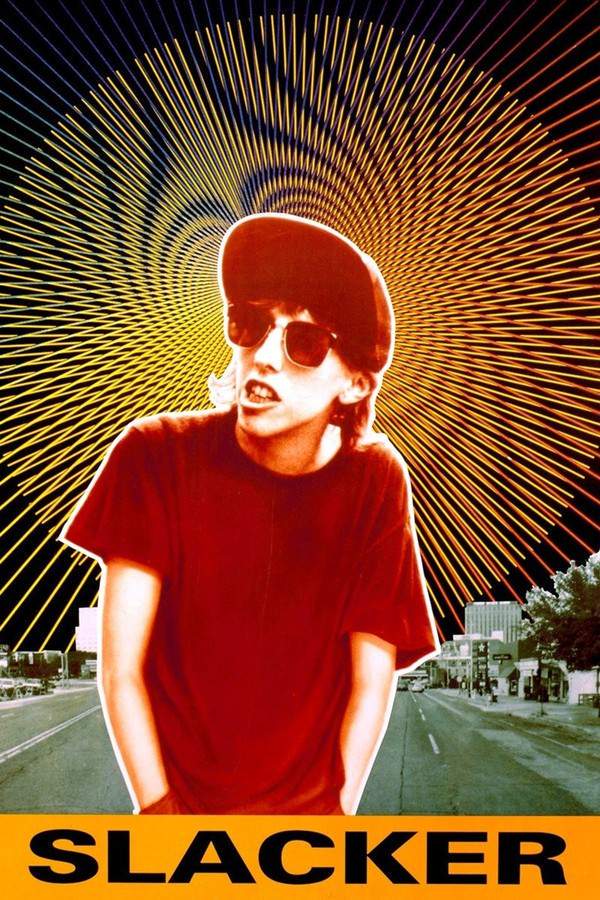
In the hazy heat of a single Austin afternoon, a loose‑knit crowd of students, musicians, drifters and dreamers drift through coffee‑shops, streets and makeshift rooms, each carrying a half‑formed idea about the life they want. The film moves like a wandering conversation, slipping from one vignette to the next without lingering, giving the sense of a city‑wide jam session where every voice is a solo that blends into a larger, ever‑shifting soundtrack. There is no single protagonist; instead the story is built on the connections and contradictions that surface when strangers cross paths in a place that feels both intimate and endlessly expansive.
The tone is equal parts dead‑pan humor and earnest melancholy, a comic‑drama that thrives on the quirks of everyday speech. The talkative taxi passenger fills a cab ride with relentless anecdotes, while the UFO aficionado argues passionately that the moon landings happened decades earlier. Nearby, the JFK conspiracy theorist injects doubt into mundane chatter, and the elderly anarchist forms an unexpected bond with a would‑be intruder. In a diner, the hipster woman tries to sell a provocative art piece, and the woman with the black eye offers strangers a random strategy card, hinting at the hidden layers beneath the city’s laid‑back façade.
Through these fleeting encounters the film explores a generation’s search for meaning amid social noise and marginalization. Conversations drift from politics and class to pop culture references—Scooby‑Doo, The Smurfs, Madonna—revealing how the characters use art and absurdity to make sense of their anxieties. The young man with the newspaper becomes a focal point for a cascade of interruptions, while the college couple debates generosity and privilege in a moment that feels both trivial and profound. The mosaic of voices creates a palpable sense of community, even as each figure remains just out of reach.
Overall, the movie captures the restless energy of Austin’s alternative scene, painting a portrait of youthful ambition and uncertainty with a wry, observational style. It invites the audience to linger in the hum of street‑level dialogue, to feel the electric possibility of a day that is simultaneously ordinary and extraordinary, and to wonder what subtle connections might linger long after the conversations fade.