-
T
Taxi Passenger (Richard Linklater)
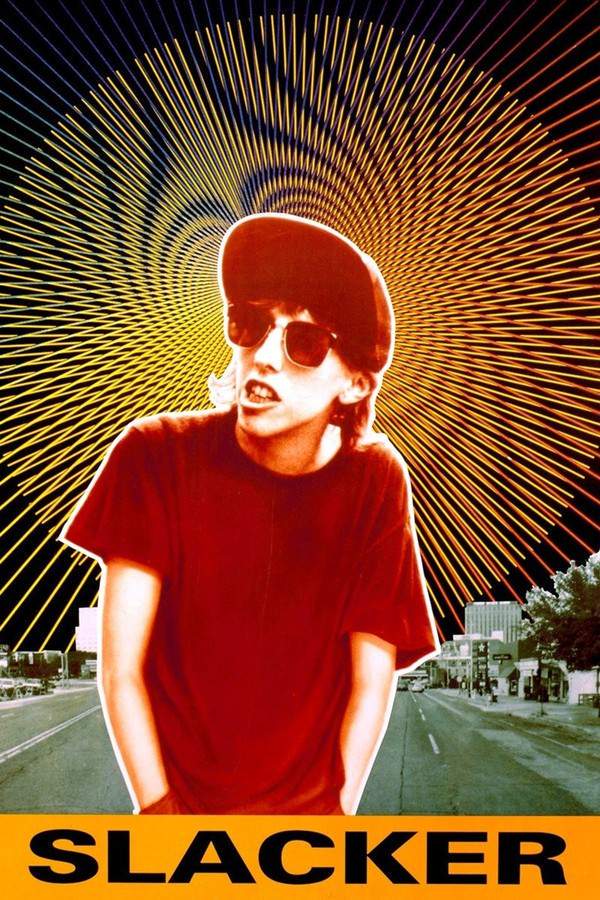
A talkative taxi passenger who carries the film's conversations from one city street to the next, acting as a moving thread through the mosaic. He embodies the film's interest in dialogue as social performance, sparking varied debates and oddball anecdotes as the taxi travels. His rapid shifts in topic set the tone for the film's loose, episodic style.
-
A UFO enthusiast who insists the U.S. has been on the moon since the 1950s, puncturing the film with fringe theories and conspiratorial humor. His monologues expose the thrill and danger of marginal ideas, contributing to the day's theme of social outsider-ism.
-
J
JFK Conspiracy Theorist
A character obsessed with JFK conspiracy theories, whose rants reveal distrust of power and media narratives. His presence underscores the film's exploration of political paranoia and the way outsiders interpret history. His interruptions push conversations toward rumor and suspicion.
- 🕵️ Conspiracy
- 🎭 Theatrical
-
An elderly anarchist who befriends a man attempting to rob his house, illustrating a paradox of hospitality and radical politics. He brings a calm, principled stance into volatile situations, showing a willingness to engage across divides. His perspective adds a layer of social critique to the day's events.
-
T
Television Set Collector
A collector of televisions who treats screens as objects of art and conversation, reflecting the film's obsession with media culture. His hobby frames scenes through the lens of consumer artifacts and nostalgia. He embodies the detours and idiosyncrasies that fill the day.
-
H
Hipster Woman (Madonna Pap Smear)
A hipster woman attempting to sell a Madonna pap smear, a surreal image that satirizes commodification and the marketability of oddities. Her scene critiques pop culture's appetite for celebrity and scandal. She adds to the film's collage of quirky, provocative characters.
-
W
Woman with Oblique Strategies
A woman who hides a black eye behind sunglasses and offers passers-by Oblique Strategies cards, turning chance into prompts for conversation. She embodies the film's mix of wit and struggle, painting a portrait of resilience and detachment. Her interactions punctuate the day with quirky, strategic randomness.
-
A young man who may have run over his mother with the family car, or perhaps not, a moment of tense ambiguity in the day's roster of events. His scene probes guilt, consequences, and the unpredictable turns of everyday life. The moment adds to the film's sense of precarity.
-
Three renters in a rooming house discover and read a pack of postcards left by a former occupant, a small event that freezes time and threads the quotidian with memory. Their reading of the postcards highlights the film's interest in ordinary objects as vessels of meaning. The moment adds to the day's mosaic of small, intimate discoveries.
- 🏠 RoomingHouse
- 📬 Postcards
-
A young woman who has just arrived back in town after her parents placed her in a mental hospital in Dallas, a case study in personal crisis within the film's social tapestry. Her return signals themes of containment, independence, and a search for belonging. She contributes to the day's portraits of youth and marginalization.
-
M
Man with Tent and Typewriter
A man trying to convince a friend to throw a tent and a typewriter into a creek to symbolically reject an ex-girlfriend, a theatrical act of protest that blends whimsy with grievance. The scene epitomizes the day's quirky rituals of expression. It exemplifies how objects become symbols in the characters' personal dramas.
-
A young man trying to have coffee and read a newspaper in a diner, interrupted by other patrons who challenge or steal his attention. The scene underlines the film's focus on casual interactions and social friction. It adds to the anthology-like texture of the day.
-
A college couple who argue over a can of Coke given to a homeless person, culminating in a realization that they’re about to miss the opening moments of the movie they intend to see. They decide to meet again in two hours, symbolizing the film's ongoing negotiations of time and priorities.
-
A hitchhiker who claims to come from the funeral of his stepfather, revealing a wry, dry humor in a tense moment as a friend asks, 'How’d you get out?' The exchange captures the film's blend of philosophy and the absurd.















Q3
What is the social alienation theme about?
The film explores characters grappling with feelings of social exclusion and political marginalization. Conversations often feel like monologues directed at a world that seems to ignore them, highlighting a sense of detachment in a crowded urban setting.