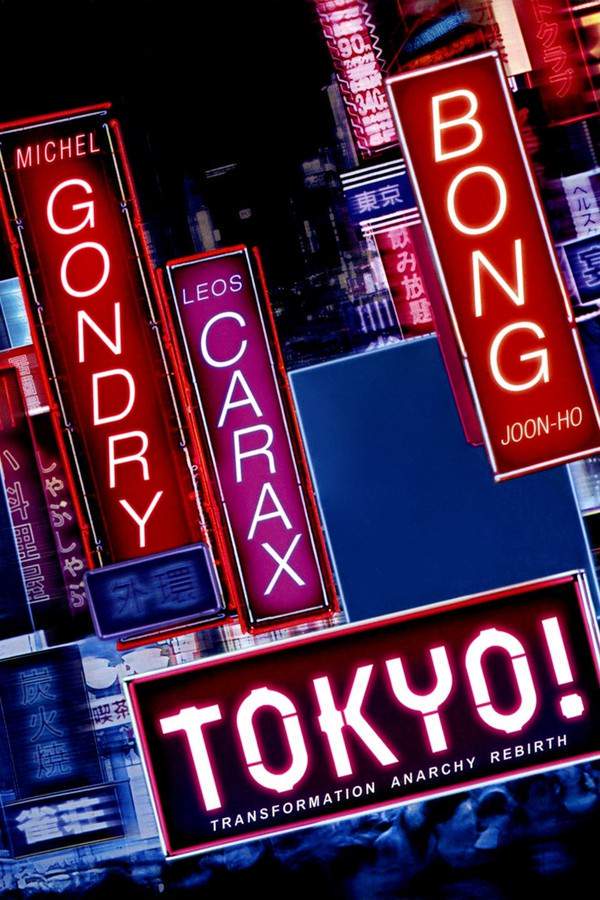
What After the Movie presents an ambitious Bangladeshi omnibus that fans of Dhaka’s daily life will likely find both intimate and expansive. Crafted by 11 filmmakers, each segment acts as a love letter to the city, capturing its rhythms, its crowded corners, and the small-scale dramas that unfold within its ever-moving lanes. The collection provides a mosaic of voices, styles, and tones, all rooted in a shared affection for Dhaka and its residents, offering a multifaceted portrait that encourages reflection on urban living, memory, and aspiration.
- The Background Artist (Nuhash Humayun): This piece centers on a movie side character, one of the extras who often work unseen behind the scenes. It looks at how these performers navigate a world where every shift in lighting or camera movement can quietly redefine their sense of place. Through patient observations and quiet character moments, the story invites viewers to consider the human stories that surround cinema and the way “being on set” intersects with personal identity and ambition.
- Cheers (Syed Ahmed Shawki): A tightly wound emotional core drives this tale, which follows a young woman grappling with the psychological residue of a breakup. The narrative traces how memory and longing twist into resentments that echo through daily routines, shaping choices and reshaping how she sees herself and her future. The mood shifts between intimate reflection and unresolved tension, creating a portrait of heartbreak that feels lived-in and painfully real.
- Jibon's Gun (Rahat Rahman): In Dhaka’s bustling environment, a teenager steps into the shadows of a street-level world. This story examines loyalty, fear, and the pull of peer influence as a teenaged gangster navigates the pressures and codes that define his life in the city. The mood is street-smart and restrained, with moments that build toward a tense comprehension of consequences.
- Magfirat (Robiul Alam Robi): A car driver’s routine is punctured by a dramatic shift in mindset as he confronts the pressures and temptations of city work. The narrative traces how a single shift in perception can ripple through day-to-day life, affecting relationships, decisions, and a sense of self in a place where time feels accelerated and every encounter matters.
- Sounds Good (Golam Kibria Farooki): This film’s lens is the soundscape of filmmaking itself, spotlighting the on-set world through the eyes of the movie’s soundman. The story uses auditory detail and intimate close-ups to reveal how sound shapes emotion, mood, and memory, turning an always-present background element into a central, expressive force.
- Obisshashe Dhaka (Mir Mukarram Hussain): A cautionary tale about the dangers that can accompany a simple act of helping someone in Dhaka. The city’s generosity collides with risk as a well-meaning gesture spirals into unforeseen consequences, prompting viewers to weigh trust, caution, and the complexities of urban life.
- Where, Nowhere (Tanvir Ahsan): This segment presents three tragic stories centered on a middle-class Dhaka family, told in a way that can feel deliberately puzzling. The director’s approach invites audiences to piece together fragments and decide what is essential to understand. Within this braid of vignettes, the character Jui appears, portrayed by Shahnaz Sumi, adding a human touch to the family’s intersecting fates.
- Dhaka Metro (Mahmud Hasan): A second-hand car dealer’s world becomes entangled when his wife’s illness requires money for surgery and the car meant for that purpose is stolen. The tale unfolds with a blend of humor and hardship, revealing how a single loss can cascade into moral and practical dilemmas amid the city’s hurried pace.
- M for Money / Murder (Abdullah Al Noor): This story charts the tragic fates of two corrupt industrialists, tracing how ambition and greed pull their lives toward violent ends. The narrative moves with a stark, cautionary energy, offering a window into power, money, and the costs paid by those who chase both.
- Jinnah is Dead (Krishnendu Chattyapadhay): Focused on the tensions at a Bihari camp in Mohammadpur, Dhaka, this piece explores the friction between a Bihari mather and a Bengali resident. The conflict at the heart of the story is intensified by the city’s history and the fragile lines that separate communities, creating a tense, emotionally charged landscape.
- Juthi (Syed Saleh Ahmed Sobhan): This final tale delves into the intricate psychology between men and women, examining desire, miscommunication, and power dynamics. The storytelling language is intimate and probing, encouraging viewers to reflect on how relationships are negotiated within an urban context where connection and misconnection coexist.
This anthology stands as a cohesive tribute to Dhaka, weaving together varied voices, textures, and perspectives. It invites audiences to listen closely to both the city’s bustle and its quieter, more personal moments, showcasing why Dhaka continues to be a source of cinematic inspiration for its filmmakers and its residents alike.