Plot Explained Spoilers guaranteed!
Plot Explained

Browse by genre

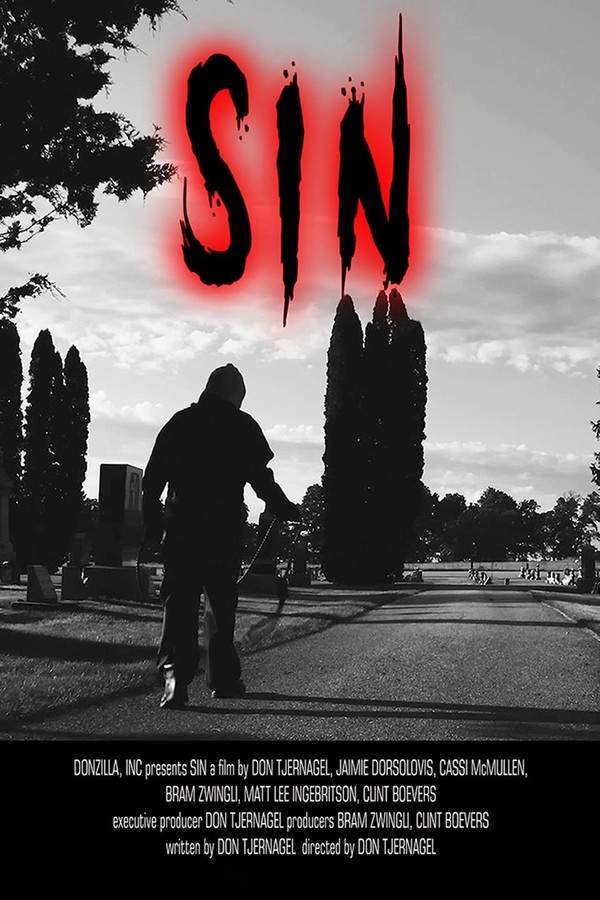
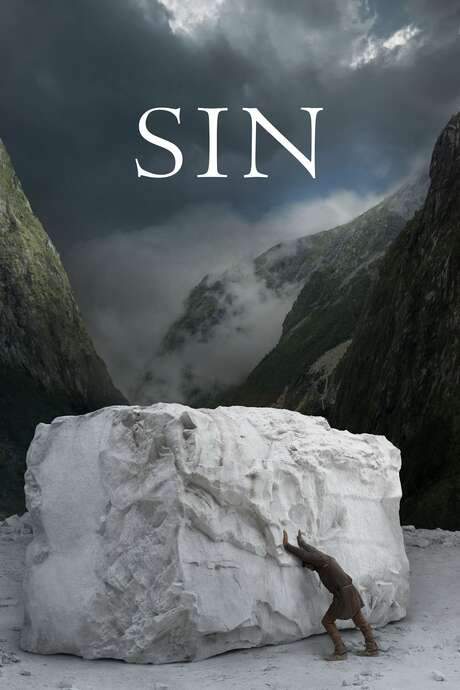
Sin (2019) movie poster

Timeline

Sin (2019) Timeline Explained – Every Event in Order

Release, runtime and language
2019 · 134 mins · Italian
Directed by
Andrei Konchalovsky
Starring
Ralph Palka, Yuliya Vysotskaya, Jakob Diehl, Adriano Chiaramida, Alberto Testone, Alessandro Pezzali

The life of Michelangelo Buonarroti.

On this page (5)
  1. 1 Events in order (12)
  2. 2 Timeline questions answered
  3. 3 Movie threads
  4. 4 Movies like Sin
  5. 5 Every angle

12 events in order · contains spoilers

Sin Timeline: Events in Chronological Order

Every key event of Sin (2019) in order, scene by scene, with when and where it takes place. Use it to untangle flashbacks, time jumps and parallel storylines, to refresh your memory before the sequel or to find the exact scene you are thinking of.

  1. Michelangelo's rise and poverty

    The film introduces Michelangelo Buonarroti as a renowned Renaissance artist from Florence who remains plagued by poverty. He is portrayed as pious yet argumentative, fighting for creative independence while navigating a demanding career. His life at the start sets up the tension between genius and financial constraint in the early 16th century.

    When
    Early 1500s
    Where
    Florence, Italy
  2. The Sistine Chapel ceiling project begins

    Michelangelo travels to Rome to undertake the monumental task of painting the Sistine Chapel ceiling. He confronts immense expectations from Julius II and must manage his other sculptural duties. The undertaking marks a turning point in his career and intensifies his workload during the early 1500s.

    When
    1508-1512
    Where
    Vatican City, Rome
  3. Balancing tomb sculpture with painting

    While working on the ceiling, he is pressured to complete the statues for Julius II's tomb. The dual demands create tension between his vision and the political remit of his patrons. He must juggle sculpture, architecture, and painting within a tight timeline.

    When
    Early 1510s
    Where
    Vatican City, Rome
  4. Julius II dies; marble quest begins

    With the death of Julius II, Michelangelo becomes obsessed with sourcing the finest Carrara marble to complete the pope's tomb. He immerses himself in quarrying and procurement, driven by a desire to honor the fallen patron. The new focus shifts his artistic priorities and raises the stakes of his work.

    When
    1513-1514
    Where
    Carrara, Tuscany, Italy
  5. Leo X's rise and the San Lorenzo commission

    Pope Leo X, a Medici, ascends to the papacy and assigns Michelangelo a lucrative new project: the façade of the San Lorenzo basilica. He is forced to balance favor with both the Della Rovere and Medici factions, testing his loyalty. The political dimension of his work intensifies as Florence and Rome intersect in his art.

    When
    1513-1515
    Where
    Florence, Italy
  6. Lies to maintain patronage

    To appease both families, Michelangelo resorts to telling half-truths about plans and progress. These deceptions seed mistrust and pull him into a web of political maneuvering. The act of lying deepens his moral conflict and isolates him from some allies.

    When
    Mid-1510s
    Where
    Rome and Florence
  7. Torment and hallucinations

    The pressure of competing loyalties and relentless creative demands haunts Michelangelo with suspicion and hallucinations. He begins to ruthlessly examine his own moral and artistic failings. The inner storm mirrors the external battlefield of commissions.

    When
    Late 1510s
    Where
    Rome, Italy
  8. San Lorenzo façade work advances

    Michelangelo wrestles with the ambitious design for the San Lorenzo façade, striving to translate Florence's architectural demands into marble and stone. The project heightens his sense of responsibility to patrons and city. The tension between beauty and politics shapes his method.

    When
    Mid to late 1510s
    Where
    Florence, Italy
  9. Artistic balance across three fronts

    He keeps working on the Sistine ceiling while continuing sculpture for the tomb and overseeing the San Lorenzo project. The three fronts test his stamina and compositional control. Despite stress, his art seeks to synthesize spiritual, political, and personal dimensions.

    When
    1510s-1520
    Where
    Rome and Florence
  10. Loyalty and its costs

    The artist confronts the costs of loyalty to rival factions and the toll on his personal beliefs. He navigates a narrow path between homage to Julius II's memory and the Medici-backed commissions. The conflict reveals the moral price of prestige.

    When
    Mid-1510s to 1520s
    Where
    Rome, Italy
  11. Self-scrutiny and artistic legacy

    The mounting self-scrutiny drives Michelangelo to a harsh examination of his moral and artistic failings. The film frames this as a defining moment of his Renaissance persona. This inward journey foreshadows the lasting influence of his works on Western art.

    When
    Late 1510s to early 1520s
    Where
    Rome/Florence
  12. Resolution in the face of adversity

    Despite the turmoil, Michelangelo presses on, shaping masterpieces that endure beyond the controversies of his day. The film closes on his resolve to pursue greatness regardless of personal cost. His legacy remains secured in the annals of Renaissance art.

    When
    Early 16th century
    Where
    Rome and Florence

Last updated: February 25, 2026 at 08:18

Was this helpful?

Timeline questions answered

Sin Timeline Explained: Your Questions Answered

When does it happen, and why in that order? The questions people ask about the chronology of Sin (2019): time jumps, flashbacks, cause and effect between scenes and the correct order of events, each answered with spoilers.

Q1

Why was Michelangelo so obsessed with finishing Julius II's tomb after the Pope died?

After Pope Julius II died in 1513, Michelangelo became fixated on completing the tomb because he saw it as a sacred promise to his patron. The death left the project in limbo, and Michelangelo felt a deep obligation to honor Julius II's memory by securing the finest Carrara marble and finishing the monumental sculpture. This quest became almost tangible in the film, representing his commitment to both artistic integrity and personal honor.

Foreshadowing: Earlier scenes establish Julius II as the powerful patron who commissioned both the Sistine Chapel ceiling and his own tomb, creating this obligation.

  • Julius II tomb
  • Michelangelo sculpture
  • Carrara marble
  • Renaissance art
Q2

Why did Michelangelo lie to both the Medici and Della Rovere families?

Michelangelo resorted to half-truths to navigate the competing interests of the Della Rovere family (who backed Julius II) and the Medici family (who backed Leo X). By the mid-1510s, he needed to maintain patronage from both powerful factions to keep his commissions alive. The lies were a survival tactic in the dangerous political landscape of Renaissance Florence and Rome, where alienating either family could end his career.

Foreshadowing: The timeline shows Leo X ascending and assigning the San Lorenzo commission while Michelangelo still owed work to Della Rovere interests.

  • Medici
  • Della Rovere
  • Leo X
  • political intrigue
  • Renaissance patronage
Q3

What caused Michelangelo's psychological torment and hallucinations in the film?

The film attributes Michelangelo's torment to the crushing weight of competing loyalties, relentless creative demands, and his own moral self-scrutiny. By the late 1510s, he was juggling the Sistine Chapel work, the tomb sculpture, and the San Lorenzo project while lying to powerful patrons. This pressure, combined with his pious nature, manifested as suspicion, visions, and a harsh examination of his artistic and moral failings.

Foreshadowing: The timeline shows his late nights at quarries and constant battles with deadlines building toward this psychological breaking point.

  • psychological strain
  • hallucinations
  • artistic pressure
  • moral conflict
Q4

Why was Michelangelo in poverty if he was already a famous artist?

Despite his renown as Florence's greatest Renaissance artist, Michelangelo struggled with poverty throughout the film because patrons frequently delayed or withheld payments. The tension between his genius and financial constraint stems from the difficult economic reality of being an artist dependent on powerful, often unreliable patrons. His relentless pursuit of artistic perfection also meant he refused to compromise, often working at a loss.

Foreshadowing: The opening timeline establishes his poverty as a recurring theme from the early 1500s.

  • financial hardship
  • Renaissance artists
  • patronage system
  • artistic poverty
Q5

How did Michelangelo manage to work on the Sistine Chapel ceiling and the Pope's tomb at the same time?

Michelangelo was forced to juggle both massive projects during the early 1510s, creating intense conflict between his artistic vision and the political demands of his patrons. Pope Julius II wanted the tomb sculpture completed while simultaneously commissioning the Sistine Chapel ceiling. This dual burden represented the impossible expectations placed on Renaissance masters, forcing Michelangelo to divide his time, energy, and creative focus between two monumental undertakings.

Foreshadowing: The timeline notes he must juggle sculpture, architecture, and painting within a tight timeline from the start.

  • Sistine Chapel
  • Julius II tomb
  • Michelangelo painting
  • simultaneous commissions
Q6

What was the San Lorenzo Basilica façade commission and why did it matter?

After Leo X (a Medici) became Pope, he assigned Michelangelo the façade of San Lorenzo Basilica in Florence. This was a prestigious, lucrative commission that placed Michelangelo at the center of Medici power. The project represented a shift in his career from serving the Della Rovere pope (Julius II) to the Medici pope, forcing him to navigate changing political loyalties while attempting to fulfill ambitious architectural vision.

Foreshadowing: The timeline shows Leo X's rise in 1513-1515 and the new commission that follows.

  • San Lorenzo
  • Leo X
  • Medici
  • Florence basilica
  • architectural commission
Q7

How did Michelangelo's faith conflict with his artistic ambition?

The film portrays Michelangelo as pious yet deeply conflicted about whether his obsessive artistic pursuit constituted devotion or sin. He channels his faith into pursuing beauty, but the relentless pressure, political duplicity, and moral cost of his work caused him to question whether ambition was eroding his spiritual integrity. His torment represents the Renaissance artist's struggle to reconcile divine purpose with worldly success.

Foreshadowing: The opening describes him as a pious genius whose faith drives his pursuit of beauty.

  • faith
  • ambition
  • religion
  • artistic integrity
  • Renaissance spirituality
Q8

How did Renaissance patronage politics affect Michelangelo's work?

Michelangelo's career was constantly shaped by the political rivalry between the Della Rovere family (Pope Julius II) and the Medici family (Pope Leo X). He had to navigate these competing factions, sometimes working for both simultaneously or switching allegiance as popes changed. This political maneuvering created moral conflict, forced him to lie about progress on projects, and shaped which works he was commissioned to create.

Foreshadowing: The timeline explicitly mentions his loyalty dilemmas between rival factions.

  • Della Rovere
  • Medici
  • patronage
  • Renaissance politics
  • Vatican

Movie threads

More Movies Like Sin, by Mood & Story

Curated lists built around what makes Sin tick: the same mood, the same kind of story or the same emotional payoff. Each list explains why these movies belong together.

Tormented Genius movies like Sin

Portraits of brilliant minds haunted by the weight of their own gift. If you liked the portrait of Michelangelo's struggles in Sin, explore other movies about brilliant but tormented artists, scientists, and creators. These films focus on the psychological weight of genius, capturing the obsession and personal cost behind great achievements.

  • obsessive
  • tormented
  • psychological
  • introspective
  • exhausting
  • claustrophobic
  • Tone: melancholic, introspective
  • Pacing: slow, character-driven
Why these movies?

The story pattern: These films follow a protagonist endowed with immense talent, tracing the emotional and psychological strain of their creative or intellectual process. The central conflict is often internal, pitting their obsessive drive against their desire for peace, sanity, or a normal life, set against external pressures from patrons or society.

Why they belong together: Movies are grouped here by their shared focus on the dark side of genius. They share a melancholic tone, a slow, reflective pacing that allows for deep character study, and a medium-to-high emotional weight stemming from the protagonist's psychological torment and moral conflicts.
Slow burn artistic struggle movies like Sin

Stories of creation born from pressure, poverty, and pain. Seeking more stories about the creative process like Sin? This thread gathers films that explore the slow, painful journey of artists working under immense pressure, focusing on the struggle and sacrifice behind great art.

  • artistic struggle
  • exhausting
  • claustrophobic
  • pious
  • psychological torment
  • slow burn
  • Tone: melancholic, bleak
  • Pacing: slow, deliberate
Why these movies?

The story pattern: The narrative unfolds slowly, mirroring the long, painstaking process of creation itself. It follows artists as they navigate demanding patrons, financial instability, and their own doubts, with the central tension arising from the clash between artistic vision and harsh reality.

Why they belong together: These movies are connected by their specific focus on the artist's struggle. They share a slow pacing, a melancholic or bleak tone, and a consistent medium intensity driven by psychological and external pressures, creating a claustrophobic and exhausting yet compelling atmosphere.

If you liked this

Movies Like Sin

Similar movies to Sin: the same genre, themes or kind of story. Each one comes with its own plot summary, timeline and ending explained.

Browse all movie summaries

Every angle

Sin (2019) Explained: Plot, Timeline & Characters

Everything about Sin in one place: what happens in the plot summary, the timeline in chronological order, the characters and meaning and a spoiler-free summary. What's After the Movie adds the cast, box office and post-credit scenes.

Coming soon on iOS and Android

The Plot Explained Movie Summary App

Plot summaries, endings explained and timelines on your phone. Catch up on any movie in minutes, save your favorites and never miss a twist again.

Be the first to know when we launch. Your email stays private, always.

Learn more about the app