#4,88245 Year: 2019
Runtime: 90 min
Language: English
Director: Wayne Roberts
Echo Score: 48Budget: $25M
In 19th-century England, Professor James Murray undertakes the ambitious project of creating the definitive Oxford English Dictionary. His meticulous work involves gathering words and their origins from a vast network of volunteer contributors. As he navigates the complexities of language and the diverse individuals involved, the endeavor becomes a revealing look at Victorian society, the power of words, and the challenges of a monumental undertaking.
Find where to stream, rent, or buy The Professor (2019) in the US with current JustWatch availability, up-to-date pricing, and platform listings for subscription, rental, and digital purchase options.
Warning: spoilers below!
Haven’t seen The Professor yet? This summary contains major spoilers. Bookmark the page, watch the movie, and come back for the full breakdown. If you're ready, scroll on and relive the story!
Read the complete plot breakdown of The Professor (2019), including all key story events, major twists, and the ending explained in detail. Discover what really happened, and what it all means.
The film intricately delves into the life of the esteemed professor, Sir James Murray, who in the year 1857 embarked on the monumental responsibility of compiling the Oxford English Dictionary. His journey intertwines with that of Dr. William Chester Minor, a former army surgeon from the United States whose life took a dark turn, leading him to submit over 10,000 entries for the dictionary while confined in the Broadmoor Criminal Lunatic Asylum. In a tumultuous past marked by paranoia and tragedy, Minor mistakenly took the life of an innocent man, believing him to be a stalker, which resulted in his detention as he grappled with fractured sanity.
As Sir James Murray is tasked by the Oxford press to amalgamate the English language, he faces skepticism from his peers, including Frederick James Furnivall, an academic who ardently champions Murray’s cause amid criticism regarding his credentials. With his deep understanding of linguistics and multiple languages, Murray proposes an innovative approach: he seeks the help of the everyday populace to contribute to this exhaustive dictionary project. Despite his wife, Ada Murray (portrayed by Linda Emond), being understandably frustrated at her husband’s decision to devote the next seven years of their lives to such an endeavor, he remains steadfast.
The colossal undertaking unfolds as Murray makes a public appeal circulated in libraries throughout the United Kingdom and its colonies, inviting individuals to submit their findings on the nuances and intricacies of the English language. Meanwhile, within the asylum, Minor’s exceptional medical skills shine through when he heroically performs a leg amputation on a guard pinned beneath an overhead gate, earning him admiration from Dr. Richard Brayne, who oversees his treatment.
However, braving his past traumas proves challenging for Minor. As he struggles with the haunting presence of a man he believes is hunting him—a phantom brimming with the scars of their shared history—Ada Murray takes it upon herself to bridge the distance between her husband and Minor. Complications arise when Minor expresses a wish to support the widow of the man he killed, Eliza Merrett (played by Rosemarie DeWitt), despite her situation spiraling into desperation as she turns to prostitution for survival.
In a pivotal moment, the once fragmented worlds of Murray and Minor merge as they not only contribute to the dictionary but also find solace in each other’s stories. Murray’s rising academic success leads him to produce the dictionary’s first volume, while Minor finds unexpected companionship in Eliza, to the point of mentoring her in hopes of securing a better future for her children. Yet, the ascent to success is not without its trials; Philip Lyttelton Gell, another academic, heavily scrutinizes Murray’s progress, leading to a wealth of tension surrounding the dictionary’s creation.
As time progresses, the cavalcade of emotions escalates, resulting in a heart-wrenching climax where Minor descends into a near-comatose state. The harrowing treatment inflicted by Brayne draws the concern of both Eliza and Murray, who join forces to advocate for his release. Their ultimate plea engages Winston Churchill, who finds himself torn yet agrees to deport Minor back to the States rather than keep him institutionalized.
The story doesn’t end without its bittersweet achievements. Sir James Murray passes away in 1915, with the dictionary still a monumental work in progress. He receives knighthood for his unparalleled contributions in 1908, while Minor ultimately faces life with a diagnosis of schizophrenia, leaving behind a legacy intertwined with the monumental Oxford English Dictionary, which, posthumously completed in 1928, consisted of an astonishing 12 volumes containing 414,825 words and 1,827,306 illustrative quotations.
In an era where words hold a boundless power, the film encapsulates a gripping journey of creation, compassion, and the duality of human experience bound by language itself.
Last updated: January 14, 2025 at 19:25
Explore frequently asked questions about The Professor (2019) with spoiler-rich answers covering the full plot summary, major story beats, character motivations, hidden details, and ending meaning. This movie summary FAQ helps explain confusing scenes, plot twists, and narrative decisions in clear, searchable detail.
Dr. William Chester Minor was a former U.S. Army surgeon who developed severe paranoia and delusions, believing he was being stalked. In a psychotic episode, he mistakenly killed an innocent civilian named George Merrett, believing him to be his imagined pursuer. During his trial, he was deemed borderline psychotic and sentenced to the Broadmoor Criminal Lunatic Asylum, where he remained institutionalized for years.
Earlier scenes show Minor arriving in the UK already plagued by paranoid beliefs about being hunted.
While confined at Broadmoor, Minor used his education and linguistic skills to submit over 10,000 word entries to the dictionary project. His contributions were significant enough to form a substantial portion of the early dictionary volumes. Dr. Richard Brayne, who oversaw Minor's treatment, recognized his intellectual capabilities and allowed him to continue his work.
Minor's medical background and education are established early, showing his capacity for scholarly work.
When the Oxford Press discovered that one of their most prolific contributors was a convicted murderer institutionalized in a criminal lunacy asylum, they removed Murray from his position as editor and refused to acknowledge Minor's contributions. This scandal devastated both men, though Murray was later reinstated after Churchill intervened.
The film builds tension around the project's credibility and the secretive nature of Minor's background.
After Minor's mental condition deteriorated due to harsh treatments at Broadmoor, Murray and Eliza Merrett advocated for his release. Murray personally appealed to Winston Churchill, who was then a government official. While Churchill could not legally release Minor from the asylum, he agreed to deport Minor back to the United States instead of keeping him institutionalized in the UK.
The film establishes Churchill as a figure with political influence who understands the value of Minor's work.
Dr. Minor felt deep guilt for murdering George Merrett, an innocent man. When he learned that Eliza had been left destitute and was forced into prostitution to survive, he wanted to atone for his crime by providing financial support. He also mentored her and her children, hoping to give them a better future as a form of penance.
The film introduces Eliza's desperate situation early, setting up the later connection to Minor.
Sir James Murray died in 1915 while the dictionary was still incomplete. However, his decades of work laid the foundation for its eventual completion. The monumental project was finished posthumously in 1928, resulting in 12 volumes containing 414,825 words and 1,827,306 illustrative quotations. Murray was knighted in 1908 for his contributions.
The film shows Murray working tirelessly until his final days, emphasizing his lifelong dedication.
Murray's innovative approach to compiling the dictionary involved making a public appeal for contributions from everyday language users across the UK and its colonies. Minor, despite being institutionalized, saw this as an opportunity to contribute and submitted his word entries through the system. Their connection deepened as Murray learned about Minor's story and the quality of his work, eventually leading to a personal friendship.
Murray's appeal to the public is shown early, establishing how inmates could participate.
Murray faced significant criticism from academic peers like Philip Lyttelton Gell, who scrutinized his progress and questioned his credentials. Critics pointed out missing common words in early volumes, creating tension around the project's legitimacy. Frederick Furnivall took blame for some omissions to protect Murray's job, eventually resigning to preserve the project's continuation.
Early scenes show peer skepticism about Murray's qualifications for the monumental task.
After being deported from the UK, Minor returned to the United States where he lived with his diagnosis of schizophrenia. He continued to struggle with mental illness until his death in 1920 in Washington, D.C. Despite his tragic personal circumstances, his contributions to the dictionary remained as a lasting legacy of his intellectual capabilities.
The film shows Minor's mental decline under harsh asylum treatments before his release.
Ada Murray was initially frustrated by her husband's decision to devote seven years to the dictionary project, as it meant significant personal sacrifice for the family. However, she eventually supported his vision and even took it upon herself to bridge the connection between Murray and Minor, visiting the asylum and advocating for Minor's humane treatment.
Ada's frustration is shown early, but her compassion for Minor reveals her deeper character.
Discover curated groups of movies connected by mood, themes, and story style. Browse collections built around emotion, atmosphere, and narrative focus to easily find films that match what you feel like watching right now.
Thoughtful portraits of historical figures defined by their quiet, persistent passions.Find movies like The Professor that explore the lives of dedicated individuals against a historical backdrop. If you enjoyed the melancholic, character-driven portrayal of James Murray's dictionary project, you'll appreciate these similar, slow-burn biographical dramas focusing on quiet ambition and legacy.
The narrative typically follows a linear, character-centric path, tracing the subject's journey over a significant period. The central conflict is often internal—a battle with obsession, societal pressures, or personal demons—set against the backdrop of a meticulously realized historical era. The climax is not explosive action but the culmination of a life's work, often with bittersweet results.
These films are grouped by their shared melancholic tone, slow pacing, and focus on intellectual or artistic endeavor. They create a cohesive viewing experience for those who appreciate atmospheric period pieces that value thoughtful character study over dramatic plot twists.
Stories where an unlikely connection becomes a source of mutual purpose and redemption.Explore films similar to The Professor that focus on the powerful bond between two unlikely collaborators. If you were moved by the dynamic between Murray and Minor, you'll find more stories here about partnerships that provide solace, purpose, and a bittersweet legacy.
The plot revolves around the development of a deep, non-romantic bond between two central characters. Their initial connection is transactional or coincidental but evolves into something essential for both. The story explores how they overcome personal struggles—such as guilt, illness, or isolation—through their collaborative work, leading to an ending that acknowledges their achievement but is tinged with the sadness of their individual fates.
These movies share a core narrative structure of a redemptive partnership, a moderate complexity from weaving two character arcs, and a bittersweet emotional core. They appeal to viewers who enjoy character-driven stories about human connection, compassion, and the legacy of shared endeavors.
Don't stop at just watching - explore The Professor in full detail. From the complete plot summary and scene-by-scene timeline to character breakdowns, thematic analysis, and a deep dive into the ending - every page helps you truly understand what The Professor is all about. Plus, discover what's next after the movie.
Track the full timeline of The Professor with every major event arranged chronologically. Perfect for decoding non-linear storytelling, flashbacks, or parallel narratives with a clear scene-by-scene breakdown.
Discover the characters, locations, and core themes that shape The Professor. Get insights into symbolic elements, setting significance, and deeper narrative meaning - ideal for thematic analysis and movie breakdowns.
Discover movies like The Professor that share similar genres, themes, and storytelling elements. Whether you’re drawn to the atmosphere, character arcs, or plot structure, these curated recommendations will help you explore more films you’ll love.
The Professor (2019) Scene-by-Scene Movie Timeline
The Professor (2019) Movie Characters, Themes & Settings
The Professor (2019) Spoiler-Free Summary & Key Flow
Movies Like The Professor – Similar Titles You’ll Enjoy
The Oxford Murders (2010) Spoiler-Packed Plot Recap
The Student (2017) Ending Explained & Film Insights
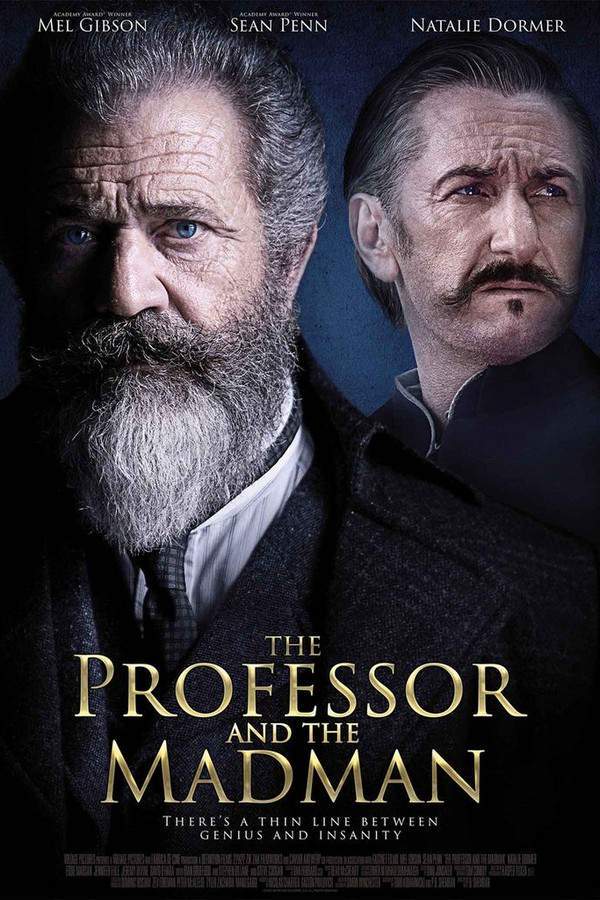
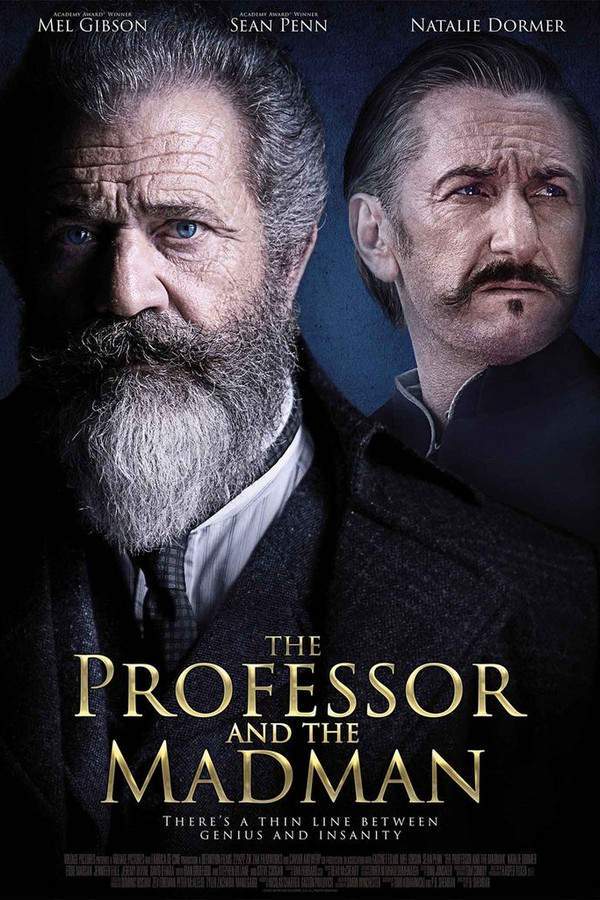
The Professor and the Madman (2019) Story Summary & Characters
Irrational Man (2015) Full Movie Breakdown
Privileged (1982) Film Overview & Timeline
Death of a Ladies’ Man (2020) Spoiler-Packed Plot Recap
The Absent-Minded Professor (1988) Spoiler-Packed Plot Recap
Oliver’s Travels (1000) Full Summary & Key Details
Lucky Jim (1957) Complete Plot Breakdown
Master (1997) Movie Recap & Themes
Professor Hannibal (1956) Plot Summary & Ending Explained
The Oxford Murders (2008) Detailed Story Recap
Professor Beware (1938) Spoiler-Packed Plot Recap
The Manor (1999) Full Movie Breakdown
A Yank at Oxford (1938) Complete Plot Breakdown