Year: 2003
Runtime: 100 min
Language: English
Director: Peter Webber
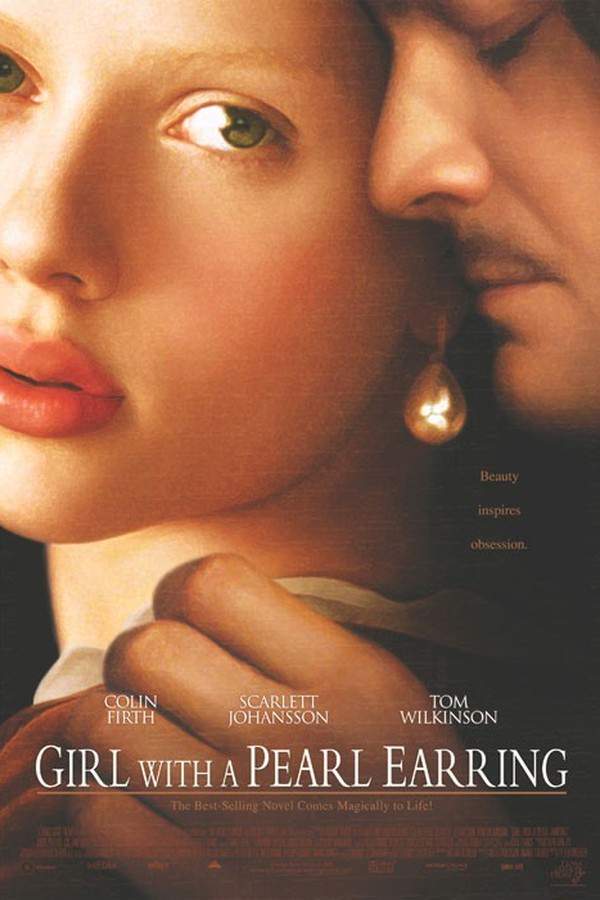
In 17th-century Holland, a young woman working as a maid finds her life unexpectedly intertwined with the renowned painter Johannes Vermeer. A close and secretive friendship develops between them as he seeks a model for his next work. Their connection is tested by the constraints of their society and the suspicion of Vermeer's wife, leading to a complex exploration of art, identity, and unspoken desires.
Warning: spoilers below!
Haven’t seen Girl with a Pearl Earring yet? This summary contains major spoilers. Bookmark the page, watch the movie, and come back for the full breakdown. If you're ready, scroll on and relive the story!
Read the complete plot breakdown of Girl with a Pearl Earring (2003), including all key story events, major twists, and the ending explained in detail. Discover what really happened, and what it all means.
Griet, portrayed by Scarlett Johansson, is a young, introverted girl living in the Dutch Republic during 1665. After her father, a Delftware painter, succumbs to blindness, their family faces financial hardships. Griet is consequently sent to work as a maid for the renowned painter Johannes Vermeer, played by Colin Firth, and his wife Catharina.
Upon her arrival, Griet finds herself navigating the confines of a strict household, where she is relegated to menial tasks and faces unkindness from Vermeer’s rebellious daughter, Cornelia. Despite the harsh treatment, Griet’s diligence and quiet presence capture the attention of Johannes. He entrusts her with the cleaning of his studio but insists she keep her work a secret from Catharina, who has grown increasingly volatile under the pressures of family life.
While shopping, Griet encounters Pieter, the butcher’s son, who becomes enamored with her, though she is cautious to reciprocate his feelings. Around this time, Johannes is under immense pressure to complete a painting to keep their household afloat, with whispers of financial ruin swirling around him. The relationship between Griet and Johannes deepens as he begins to teach her about painting, light, and color, which captivates her even more.
As Griet spends time in Vermeer’s studio, she provides subtle suggestions that he incorporates into his artwork, further solidifying their bond. However, tensions rise when Van Ruijven, portrayed by Tom Wilkinson, a wealthy patron, takes an interest in Griet. His obsession with both Griet and Johannes’s work creates a volatile mix of jealousy and desire, leading to a critical moment where Van Ruijven approaches Griet with inappropriate intentions.
As the drama unfolds, Griet is drawn into the world of art and personal conflict, facing challenges not only from the household dynamics but also from her growing feelings for Vermeer. A significant scene arrives when Vermeer pierces Griet’s earlobe to present her with Catharina’s pearl earrings for a portrait, intensifying the emotional stakes between them.
Catharina’s jealousy flares into rage when she discovers that Griet has worn her earrings, culminating in a confrontation that results in Griet being banished from their home. Griet returns to her family, standing once more at a crossroads in her life.
In the poignant conclusion, she is gifted the blue headscarf and the pearl earrings by Vermeer’s cook, symbolizing the lasting impact of her time as the muse in the painter’s life. As Van Ruijven admires the finished piece, “Girl with a Pearl Earring,” the threads of Griet’s story weave a rich tapestry of love, art, and sacrifice.
Last updated: November 04, 2024 at 00:58
Explore frequently asked questions about Girl with a Pearl Earring (2003) with spoiler-rich answers covering the full plot summary, major story beats, character motivations, hidden details, and ending meaning. This movie summary FAQ helps explain confusing scenes, plot twists, and narrative decisions in clear, searchable detail.
Vermeer notices Griet's unique quality, her quiet presence and the way light falls on her face. When he needs a model for his new painting and cannot afford a professional one, he recognizes something in Griet that captures the ethereal quality he's been seeking. Her red hair and pale skin create a distinctive visual effect that he believes will translate powerfully onto canvas.
Early in the film, Vermeer watches Griet cleaning his studio, specifically noting how she interacts with light in the room.
This moment represents a profound shift in their relationship. By piercing her ear and placing Catharina's pearl earrings on her, Vermeer transforms Griet from a servant into his muse. The physical act of piercing creates an intimate, almost sacred space between them, blurring social boundaries. The earrings, which belong to his wife, also symbolize the forbidden nature of their connection and the artistic obsession that has developed.
Vermeer has already been teaching Griet about color and light, and has asked her to keep their work secret from Catharina.
Catharina discovers that Griet has worn her pearl earrings, the ones she treasured and likely wore on her wedding day. This discovery represents more than just a stolen object; it confirms her suspicions about the inappropriate relationship developing between her husband and the maid. The earrings symbolize her marital security and social standing, and seeing them on Griet triggers her Rage and ejection of the young maid.
Throughout the film, Catharina displays growing jealousy and suspicion about Griet's presence in the household.
After being banished from the Vermeer household, Griet returns to her family. However, Vermeer's cook delivers a touching final gesture: the blue headscarf and the pearl earrings, items that symbolized Griet's time as Vermeer's muse. These gifts represent the lasting impact of their connection and the artistic transformation she underwent, even though she must now live a different life.
The blue headscarf was introduced earlier when Griet wore it while working in the studio, catching Vermeer's eye.
Van Ruijven, as a wealthy patron, is drawn to both Griet's beauty and the artistic world Vermeer represents. His obsession reflects the power dynamics of the time, he can essentially demand access to the artist's work and potentially the people in his circle. His inappropriate advances toward Griet add pressure to an already tense household and ultimately contribute to the complications that lead to her departure.
Van Ruijven first appears showing interest in both Vermeer's paintings and Griet's presence in the studio.
Vermeer knows that his wife would not understand or approve of his artistic relationship with a maid. The 17th-century Dutch social hierarchy strictly governed relationships between servants and masters. Additionally, Catharina is already stressed from financial pressures and her own insecurities about their marriage. Keeping Griet's involvement secret protects both the delicate household dynamics and the special, private nature of his artistic process.
Vermeer explicitly instructs Griet not to tell Catharina about her work in the studio from their very first session.
The pearl earrings represent multiple things: artistic inspiration, social transgression, and the intersection of art and life. They belong to Catharina, linking Griet to Vermeer's marital world. As the catalyst for Catharina's rage, they also symbolize the cost of Griet's muse status. Finally, when Griet receives them at the end, they become a token of the profound artistic connection she shared with Vermeer, an experience that transformed her identity.
The earrings are first mentioned as Catharina's prized possession, creating anticipation for their eventual use.
Griet's refusal stems from her changed perspective after entering Vermeer's world. Pieter represents her original, simpler life, a future as a butcher's wife in Delft. However, her experiences with Vermeer have awakened a deeper artistic and emotional awareness that makes that conventional life feel insufficient. While Pieter is kind and genuine, Griet has been transformed by her immersion in art and cannot simply return to her previous path.
Griet hesitates when Pieter first approaches her, already showing ambivalence about her place in society.
The constant threat of financial ruin looms over the household throughout the film. Vermeer must produce a successful painting to maintain their status and avoid debt. This pressure creates tension with Catharina and drives his intense focus on finding the perfect subject, eventually leading him to Griet. The financial stakes add realism to the historical setting and explain why Vermeer takes on a maid as a model despite the social risks.
The film opens with Griet's family facing financial ruin due to her father's blindness, mirroring Vermeer's own precarious situation.
Griet moves beyond mere modeling to actively contributing artistic suggestions. Her background as a painter's daughter gives her some understanding of technique, and her observations about light and color prove valuable. Vermeer incorporates her suggestions into his work, creating a true creative collaboration. This intellectual and artistic connection is what elevates their relationship beyond the typical dynamic between a master and a servant.
Griet's father was a Delftware painter, giving her early exposure to artistic concepts.
Discover curated groups of movies connected by mood, themes, and story style. Browse collections built around emotion, atmosphere, and narrative focus to easily find films that match what you feel like watching right now.
Stories about the quiet, profound connection between an artist and their inspiration.If you enjoyed the delicate dynamic between Vermeer and Griet, you'll appreciate these movies that explore similar themes of artistic inspiration and the quiet, powerful bond between a creator and their muse. Discover other dramas and biographies where art and life become inseparably intertwined.
The narrative typically centers on a figure who becomes the subject of a great artist's work. This journey involves a deepening, often secretive connection that challenges societal norms and personal relationships, leading to a transformative experience for the muse, usually marked by a bittersweet parting as the artwork is completed.
These films are grouped together because they share a core focus on the act of creation and the human cost behind it. They possess a melancholic, restrained tone, a slow, deliberate pacing that allows for deep character study, and explore themes of beauty, class, and unspoken desire.
Immerse yourself in delicate, atmospheric stories where emotions are felt but not spoken.For viewers who appreciated the quiet, atmospheric tension and melancholic beauty of Girl with a Pearl Earring, this list features similar period films. Explore movies with a slow pace, a focus on unspoken emotions, and a visually rich depiction of the past that carries a bittersweet emotional weight.
Narratives in this thread are often straightforward character studies set in the past. They follow individuals, frequently women, navigating the strictures of their society. The central conflict is internal and interpersonal, built from glances, subtle gestures, and the tension between duty and desire, culminating in a poignant, bittersweet resolution.
These movies are connected by a shared vibe: a combination of slow pacing, a melancholic or bittersweet tone, and medium emotional intensity. They prioritize mood and atmosphere over complex plotting, creating a immersive, reflective, and often quietly heartbreaking viewing experience.
Don't stop at just watching - explore Girl with a Pearl Earring in full detail. From the complete plot summary and scene-by-scene timeline to character breakdowns, thematic analysis, and a deep dive into the ending - every page helps you truly understand what Girl with a Pearl Earring is all about. Plus, discover what's next after the movie.
Track the full timeline of Girl with a Pearl Earring with every major event arranged chronologically. Perfect for decoding non-linear storytelling, flashbacks, or parallel narratives with a clear scene-by-scene breakdown.
Discover the characters, locations, and core themes that shape Girl with a Pearl Earring. Get insights into symbolic elements, setting significance, and deeper narrative meaning - ideal for thematic analysis and movie breakdowns.
Discover movies like Girl with a Pearl Earring that share similar genres, themes, and storytelling elements. Whether you’re drawn to the atmosphere, character arcs, or plot structure, these curated recommendations will help you explore more films you’ll love.
Girl with a Pearl Earring (2003) Scene-by-Scene Movie Timeline
Girl with a Pearl Earring (2003) Movie Characters, Themes & Settings
Girl with a Pearl Earring (2003) Spoiler-Free Summary & Key Flow
Movies Like Girl with a Pearl Earring – Similar Titles You’ll Enjoy
The Danish Girl (2015) Full Movie Breakdown
The Garden of Earthly Delights (2006) Story Summary & Characters
The Painted Veil (2006) Complete Plot Breakdown
Jersey Girl (2004) Movie Recap & Themes
The Portrait of a Lady (1996) Complete Plot Breakdown
Tulip Fever (2017) Story Summary & Characters
Picture of Beauty (2017) Detailed Story Recap
The Miniaturist (1000) Full Summary & Key Details
All the Vermeers in New York (1990) Film Overview & Timeline
Eline Vere (1991) Full Movie Breakdown
Looking for Eileen (1987) Detailed Story Recap
Helene (2020) Film Overview & Timeline
The Story of Pearl Girl (1000) Film Overview & Timeline
Rembrandt (1936) Movie Recap & Themes