Plot Explained Spoilers guaranteed!
Plot Explained

Browse by genre

Silk (2007) movie poster

Timeline

Silk (2007) Timeline Explained – Every Event in Order

Release, runtime and language
2007 · 107 min · English
Loading streaming availability…
Directed by
François Girard
Starring
Keira Knightley, Michael Pitt

Set in 19th-century Japan, this romantic drama follows a French officer on a mission to obtain silkworm eggs. His quest unexpectedly leads him to become captivated by a mysterious concubine. As he pursues his objective, he finds himself entangled in a complex web of forbidden love and cultural differences, facing perilous challenges and experiencing a journey filled with beauty, passion, and ultimately, heartbreak.

On this page (7)
  1. 1 Where to watch
  2. 2 Events in order (15)
  3. 3 Timeline questions answered
  4. 4 The book behind the movie
  5. 5 Movie threads
  6. 6 Movies like Silk
  7. 7 Every angle
Loading streaming availability…

15 events in order · contains spoilers

Silk Timeline: Events in Chronological Order

Every key event of Silk (2007) in order, scene by scene, with when and where it takes place. Use it to untangle flashbacks, time jumps and parallel storylines, to refresh your memory before the sequel or to find the exact scene you are thinking of.

  1. Hervé's Reflection

    The film opens with Hervé Joncour pondering a mysterious Asian woman while she bathes in a hot spring. This moment foreshadows the deep emotional journey that will unfold throughout the film.

    Where
    Hot Spring
  2. Return to Hometown

    Hervé returns to his hometown in France during his military leave in the 19th century. Here, he meets Hélène, a passionate teacher whose dream of a beautiful garden captures his heart.

    Where
    Hometown, France
  3. Blossoming Romance

    Hervé and Hélène's relationship develops into a passionate affair, filled with both joy and complexity. Their love not only transforms their lives but also intertwines with their dreams and aspirations.

  4. Baldabiou's Proposition

    Baldabiou, a local entrepreneur, recognizes Hervé's potential and persuades his father to release him from military service. This decision allows Hervé to pursue his love for Hélène while embarking on a mission to save the silk trade.

    Where
    Silk Mills
  5. Journey to Egypt

    In 1862, Hervé embarks on a journey to Egypt to acquire silkworm eggs vital for the silk industry. This trip lasts over two months and marks the beginning of Hervé's adventurous quests.

    When
    1862
    Where
    Egypt
  6. Expedition to Japan

    Following the silkworm crisis in Africa, Baldabiou sends Hervé on a dangerous expedition to Japan. The journey is arduous, involving months of travel across continents by various means, illustrating Hervé's commitment to his mission.

    Where
    Japan
  7. Meeting Hara Jubei

    Upon reaching Japan, Hervé is blindfolded and taken to a secluded village where he meets Hara Jubei, a local baron. Jubei holds the key to acquiring the essential silkworm eggs, setting the stage for Hervé's pivotal encounters.

    Where
    Secluded Village, Japan
  8. Fateful Encounter with the Girl

    During his stay, Hervé becomes enchanted by Jubei's concubine, simply referred to as the Girl. This unexpected romance complicates Hervé's mission and intertwines his heart with profound longing.

    Where
    Jubei's Residence, Japan
  9. Return to Wealth

    After successfully acquiring the silkworm eggs, Hervé returns home a wealthy man. He uses his newfound riches to create an opulent home and garden for Hélène, aiming to solidify their relationship.

    Where
    Home, France
  10. Conflict with Schuyler

    As tensions rise, Schuyler, a gun-trading Dutch merchant, warns Hervé about Jubei's true intentions. This adds another layer of conflict to Hervé's already tumultuous journey of love and ambition.

  11. Return to Japan

    Despite Baldabiou’s suggestion to send him to China, Hervé insists on returning to Japan, driven by his emotions. However, upon arrival, he discovers that the village has been deserted due to the outbreak of war.

    Where
    Japan
  12. Devastating Returns

    Hervé faces hostility from Jubei while attempting to fulfill his mission, resulting in disastrous consequences for the silk trade. His efforts lead to the town's economic collapse, illustrating the unpredictable nature of ambition and love.

  13. A Letter from the Girl

    Months later, Hervé receives a heartfelt letter from the Girl, translated by Madame Blanche. In it, she warns him not to return, expressing her love but prioritizing his happiness over their connection.

  14. Hélène's Passing

    Tragedy strikes when Hélène falls ill and passes away in 1875. Hervé is left to grapple with his grief, visiting her grave and uncovering the poignant truth of her love for him through a bouquet of small blue flowers.

    When
    1875
    Where
    Graveyard, France
  15. The Legacy of Love

    The film concludes with Hervé sharing his experiences with Ludovic, the son of a friend. Through this act of storytelling, he emphasizes the intertwined themes of love, sacrifice, and the lasting beauty of the garden he built with Hélène.

Last updated: November 03, 2024 at 13:20

Was this helpful?

Timeline questions answered

Silk Timeline Explained: Your Questions Answered

When does it happen, and why in that order? The questions people ask about the chronology of Silk (2007): time jumps, flashbacks, cause and effect between scenes and the correct order of events, each answered with spoilers.

Q1

Why did Hélène write the letter pretending to be the Girl?

Hélène discovered through intercepted letters that Hervé had fallen in love with a Japanese woman. Rather than confront him with anger or jealousy, she chose to write the letter herself, translated by Madame Blanche, to give Hervé what she believed would bring him happiness. She prioritized his emotional fulfillment over her own pain, demonstrating the depth of her selfless love. This act of sacrifice remained hidden until after her death when Hervé learned the truth at her grave.

Foreshadowing: Earlier in the film, Hélène tells Hervé she wants him to be happy, establishing her willingness to put his needs above her own.

  • hélène letter
  • sacrifice
  • love triangle
  • Madame Blanche
  • Japanese woman
Q2

What happened to the Girl after her village was deserted?

The Girl's fate remains ambiguous. When Hervé returns to Japan seeking her, he discovers the village has been deserted due to war. She previously sent a letter warning him not to return, suggesting she either died, was taken, or was forbidden from waiting for him. The film implies she chose to leave or was removed from the village, and she never reunited with Hervé.

Foreshadowing: The Girl's gift of a note before Hervé's first departure hints at her awareness of the dangers surrounding their relationship.

  • girl
  • concubine
  • hara jubei
  • war
  • disappearance
  • letter
Q3

Why did the silk trade collapse after Hervé's final trip?

When Hervé returned from his last trip to Japan, the eggs he brought back were either diseased, dead, or otherwise unusable. This caused the silk industry to fail, devastating the town's economy. Additionally, the war in Japan disrupted the normal channels for obtaining healthy eggs, making it impossible to salvage the trade. The failure marked the end of France's dependence on Japanese silkworm eggs.

Foreshadowing: Earlier warnings from Schuyler about Jubei's intentions foreshadowed that not everything was trustworthy in the egg transactions.

  • silk trade
  • eggs
  • economic collapse
  • japan
  • war
  • failure
Q4

What was the significance of the blue flowers at Hélène's grave?

The small blue flowers left at Hélène's grave were the clue that led Hervé to discover the truth about the letter. These flowers, which do not naturally grow in the region, were the same variety that the Girl had described in her letter. When Hervé noticed them, he realized they had been planted by Hélène as a subtle acknowledgment of the Japanese woman's influence on his heart. This discovery prompted him to seek out Madame Blanche and learn that Hélène had authored the letter herself.

Foreshadowing: The Girl's letter mentioned her love for blue flowers, creating a subtle connection that Hélène later used as her own signature.

  • blue flowers
  • grave
  • letter
  • revelation
  • garden
  • Hélène
Q5

Why did Hervé keep returning to Japan despite the danger?

Hervé's repeated journeys to Japan were driven primarily by his obsession with the Girl, not merely the silk mission. After their first encounter, he became deeply enamored with her and could not stop thinking about her. When Baldabiou offered to send him to China instead, Hervé insisted on returning to Japan because he was compelled to see the Girl again. His emotional entanglement kept him returning even as conditions grew more dangerous and the political situation worsened.

Foreshadowing: The opening scene of Hervé observing the Asian woman in the hot spring establishes his captivation with Japanese women from the start.

  • hervé
  • japan
  • girl
  • obsession
  • return
  • danger
  • love
Q6

Why was Madame Blanche involved in translating the letter?

Madame Blanche was a brothel owner in France who possessed knowledge of languages, including Japanese. She served as the translator for both letters that the Girl sent to Hervé. When the Girl's first letter arrived, Madame Blanche translated it, revealing the message "Come back or I shall die." Later, when the second letter came, Madame Blanche warned Hervé not to return, and it was only after Hélène's death that she revealed Hélène had written that second letter herself.

Foreshadowing: Madame Blanche's profession as someone who deals with secrets and translations positions her as the keeper of crucial information.

  • madame blanche
  • translation
  • letter
  • brothel
  • japanese
  • secrets
Q7

Why did Hélène stay with Hervé despite knowing about the Girl?

Hélène chose to remain with Hervé even after learning of his infidelity because she loved him unconditionally. Rather than punish him or force him to choose, she accepted him fully and channeled her energy into maintaining their home and garden. Her love was depicted as selfless and enduring, focusing on his happiness rather than her own wounded feelings. She demonstrated this by writing the letter pretending to be the Girl, giving Hervé her blessing to love another.

Foreshadowing: Hélène's dream of creating a beautiful garden represents her nurturing, enduring nature and her ability to create beauty despite hardship.

  • hélène
  • loyalty
  • love
  • sacrifice
  • marriage
  • acceptance
  • forgiveness
Q8

Why did Baldabiou persuade Hervé to leave military service?

Baldabiou needed someone intelligent and capable to travel to distant lands to procure silkworm eggs, as the industry faced a devastating disease affecting silkworms in both Europe and Africa. He recognized Hervé as a bright, ambitious young man suitable for this dangerous and crucial mission. By persuading Hervé's father, the mayor, to release him from military service, Baldabiou enabled Hervé to undertake the expeditions that would save the silk trade. In return, Hervé gained freedom to pursue his relationship with Hélène.

Foreshadowing: Baldabiou's three silk mills represent the economic pressure motivating his investment in Hervé's journey.

  • baldabiou
  • military
  • silk
  • eggs
  • business
  • mission
  • france
Q9

What caused Jubei to become hostile toward Hervé?

When Hervé returned to Japan after the war, Jubei's attitude had shifted dramatically. The political situation had changed, and Jubei no longer had the same incentive to help a foreign smuggler. Additionally, Schuyler had previously warned Hervé that Jubei's intentions were not purely helpful. The combination of wartime tensions, loss of the clandestine arrangement's benefits, and possibly the Girl's removal from the household contributed to Jubei's hostile reception, ultimately leading to the mission's failure.

Foreshadowing: Schuyler's warnings about Jubei's true intentions planted doubt about the baron's reliability from early in their relationship.

  • hara jubei
  • hostility
  • war
  • schuyler
  • betrayal
  • japan
  • eggs
Q10

Why did Hervé invest so much in building the garden for Hélène?

Hervé built the elaborate garden as both an expression of love and an attempt at redemption. After returning wealthy from his first successful mission, he used his money to create a splendid home and garden for Hélène, symbolizing his desire to provide her with beauty and security. Later, after the silk trade collapsed and he could no longer provide financially, he continued expanding the garden as a way to make amends for the failures and to preserve the legacy of their love. The garden became a physical manifestation of his love and guilt.

Foreshadowing: Hélène's original dream of owning a beautiful garden establishes her deepest wish, which Hervé attempts to fulfill.

  • garden
  • helene
  • home
  • love
  • redemption
  • investment
  • beauty
Q11

Why was finding silkworm eggs so difficult throughout the film?

A mysterious disease was devastating silkworm populations worldwide, first affecting European and African silkworms. This agricultural crisis threatened the entire silk industry, forcing entrepreneurs like Baldabiou to seek eggs from increasingly remote and dangerous locations. The disease made the eggs extremely valuable and difficult to obtain, requiring Hervé to travel to Egypt, then Japan. Even when he reached Japan, the eventual outbreak of war further complicated the egg trade, ultimately making sustainable importation impossible.

Foreshadowing: The initial silkworm crisis in France and Egypt establishes the disease as a persistent obstacle throughout the narrative.

  • silkworm
  • disease
  • eggs
  • plague
  • global
  • agriculture
  • crisis
Q12

How did the Suez Canal opening affect Hervé's journeys?

The opening of the Suez Canal revolutionized trade routes between Europe and Asia, making sea travel to Japan significantly faster and safer. After the canal opened, France was able to establish formal silk worm egg exports from Japan, eliminating the need for clandestine smuggling missions. This change marks the point when Hervé's personal journeys to Japan ceased, as the commercial route became official. The canal's opening essentially rendered his dangerous work obsolete.

Foreshadowing: The film's historical setting places the Suez Canal opening in the late 1860s, coinciding with Hervé's later journeys.

  • suez canal
  • trade route
  • japan
  • eggs
  • official export
  • france
  • commerce
Q13

Why did Hervé narrate his story to Ludovic at the end?

Hervé tells his story to Ludovic, the son of a friend who became the gardener to Hélène's beloved garden, as a way of passing down his experiences and preserving the legacy of love and sacrifice. Ludovic represents the next generation who will tend to the garden that Hélène and Hervé created together. Through this act of storytelling, Hervé imparts the lessons about love, loss, and the enduring beauty of devotion, ensuring his story becomes part of the garden's history.

Foreshadowing: The garden has been a central symbol of love and memory throughout the film, making it the perfect setting for this passing of the torch.

  • ludovic
  • narrator
  • garden
  • legacy
  • storytelling
  • passing
  • gardener
  • Memory

Movie threads

More Movies Like Silk, by Mood & Story

Curated lists built around what makes Silk tick: the same mood, the same kind of story or the same emotional payoff. Each list explains why these movies belong together.

Melancholic cross-cultural romance movies like Silk

Forbidden love stories where cultural divides intensify passion and heartbreak. Discover movies like Silk that explore forbidden love and deep yearning across cultural divides. These films feature similar bittersweet, slow-paced romantic dramas where passion is heightened by insurmountable barriers, creating stories of intense emotional connection and inevitable heartbreak.

  • melancholic
  • passionate
  • yearning
  • atmospheric
  • somber
  • reflective
  • Tone: melancholic, passionate, bittersweet
  • Pacing: slow, atmospheric
Why these movies?

The story pattern: Stories in this thread typically follow a character who travels to a foreign land and becomes enraptured by a local figure. The central conflict arises from the clash between their worlds, with the romance serving as both a beautiful escape and a source of ultimate sorrow. The journey often ends with a poignant separation or tragic realization.

Why they belong together: Movies are grouped here for their shared focus on the unique emotional landscape of cross-cultural love affairs. They share a melancholic tone, a slow, reflective pacing that allows the atmosphere to build, and a central theme of passionate but doomed connection across societal divides.

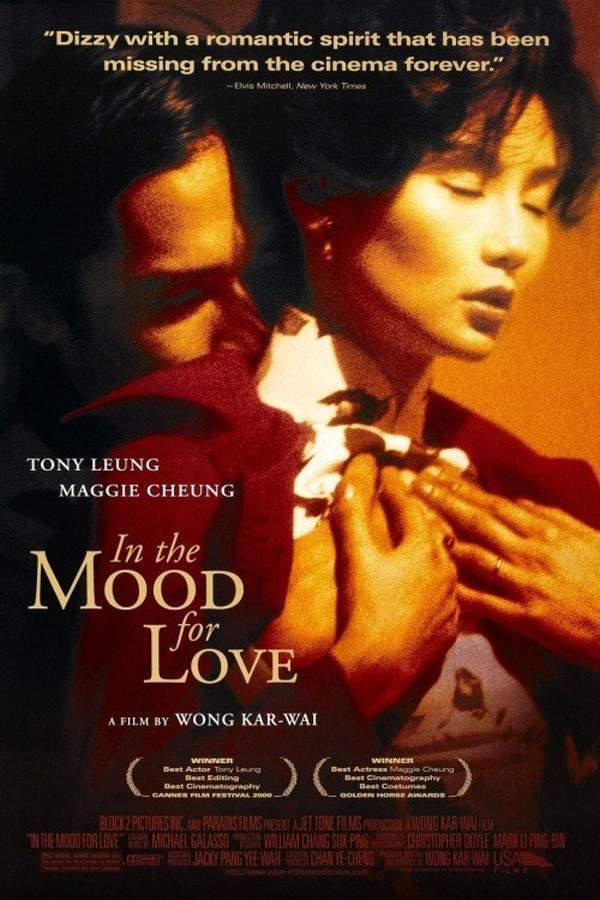
Atmospheric journey of self-discovery movies like Silk

Slow-paced travelogues where external journeys reveal painful inner truths. If you liked the journey and self-realization in Silk, explore these atmospheric films where a character's physical voyage leads to deep personal discovery. These slow-paced, reflective dramas use beautiful settings to frame stories of emotional awakening, often ending with bittersweet but enlightening truths.

  • atmospheric
  • reflective
  • journey
  • melancholic
  • somber
  • introspective
  • Tone: reflective, melancholic, bittersweet
  • Pacing: slow, immersive
Why these movies?

The story pattern: The narrative pattern involves a protagonist embarking on a mission or journey to an exotic location, expecting one outcome but finding something entirely different about themselves. The slow pacing allows for immersion in the setting, and the climax is typically not an action sequence but a quiet, devastating personal revelation that changes the character forever.

Why they belong together: This thread groups films that prioritize mood and atmosphere over plot, using a journey as a structural device for introspection. They share a slow, deliberate pace, a melancholic or reflective tone, and a focus on the emotional weight of discovering a difficult truth about oneself or a loved one.

If you liked this

Movies Like Silk

Similar movies to Silk: the same genre, themes or kind of story. Each one comes with its own plot summary, timeline and ending explained.

Browse all movie summaries

Every angle

Silk (2007) Explained: Plot, Timeline & Characters

Everything about Silk in one place: what happens in the plot summary, the timeline in chronological order, the characters and meaning and a spoiler-free summary. What's After the Movie adds the cast, box office and post-credit scenes.

Coming soon on iOS and Android

The Plot Explained Movie Summary App

Plot summaries, endings explained and timelines on your phone. Catch up on any movie in minutes, save your favorites and never miss a twist again.

Be the first to know when we launch. Your email stays private, always.

Learn more about the app