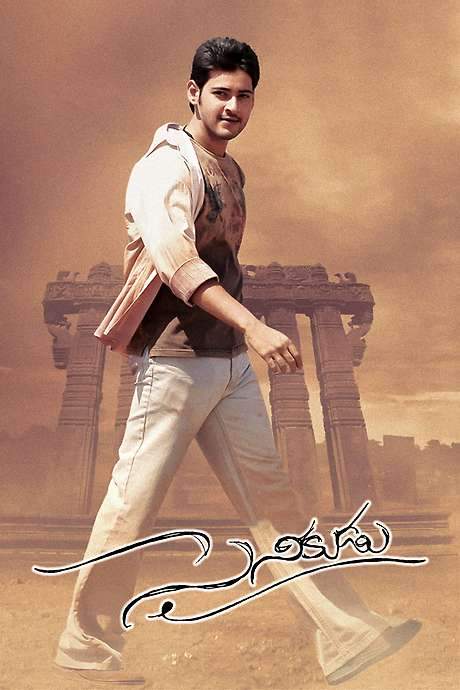
Siddhu is a young man from Srikakulam, Andhra Pradesh, who travels to Visakhapatnam to pursue higher studies. In the bustle of the college, he crosses paths with Sailaja, a bright and lively student who captures his attention. What begins as a series of light-hearted encounters soon deepens into something more meaningful, and a bond forms between them that feels both hopeful and fragile. The romance grows with a gentle pace, built on shared moments of laughter, small confessions, and a growing sense of trust that makes Siddhu believe his future might be tied to Sailaja in a way he hadn’t anticipated.
Their happiness is tempered by a looming danger. Sailaja’s father, Obul Reddy, a feared factionist, has already set a grim plan in motion: she is to be married to a brother of Bhuma Reddy, a union arranged not for love but for power. The realization hits Siddhu with stark clarity: pursuing a relationship with Sailaja could endanger both themselves and their families. He weighs his options with a practical, almost stoic mind, deciding that the best course might be to step away to spare Sailaja from a life shadowed by violence and risk. Yet Sailaja has her own feelings and a stubborn conviction that true love deserves a chance, even when the odds seem insurmountable.
To save face while honoring his feelings, Siddhu agrees to a difficult condition: he will attend Sailaja’s wedding and stand by her side until the knot is tied, all while masking his pain with a forced, cheerful smile. The journey to the wedding village is filled with teasing and hidden emotions as Siddhu endures the emotional pull between his loyalty and his longing. In a moment of vulnerability and curiosity, he even tests the waters by getting close to Sailaja’s alluring cousin Nisha, a gambit that underscores the tension between desire, duty, and restraint. The scene is tense, charged with unspoken questions, and it reveals the complexity of love that can be both reckless and principled at once.
But the heart of the film remains Siddhu’s unwavering declaration: he cannot imagine life without Sailaja. He makes a decisive pivot, choosing to prioritize love over personal safety, even at great risk to himself. He argues, in effect, that love holds a power greater than the threat of violence, a belief that reverberates through his actions and words. Using a blend of wit, courage, and quiet resilience, he crafts a situation so deftly that Sailaja’s father confronts him with a direct, life-altering request: marry Sailaja and give their union a chance. The moment is a turning point, where strategy and sentiment align, paving the way for a future that had seemed impossible just days before.
In the end, Siddhu marries Sailaja with the blessing and acceptance of her family. The ceremony marks more than a union between two people; it signals a triumph of faith, perseverance, and the conviction that love can illuminate even the darkest circumstances. The film balances its emotional core with lively humor and a supporting ensemble that brings warmth and texture to the story. Veteran performers contribute to the film’s tone, delivering comic relief and sincere moments in equal measure, helping to ground the romance in a broader sense of community and tradition. The result is a story that feels both familiar and fresh: a modern love tale set against a backdrop of family loyalty, local culture, and the timeless question of what one is willing to risk for the person they love.