Plot Explained Spoilers guaranteed!
Plot Explained

Browse by genre

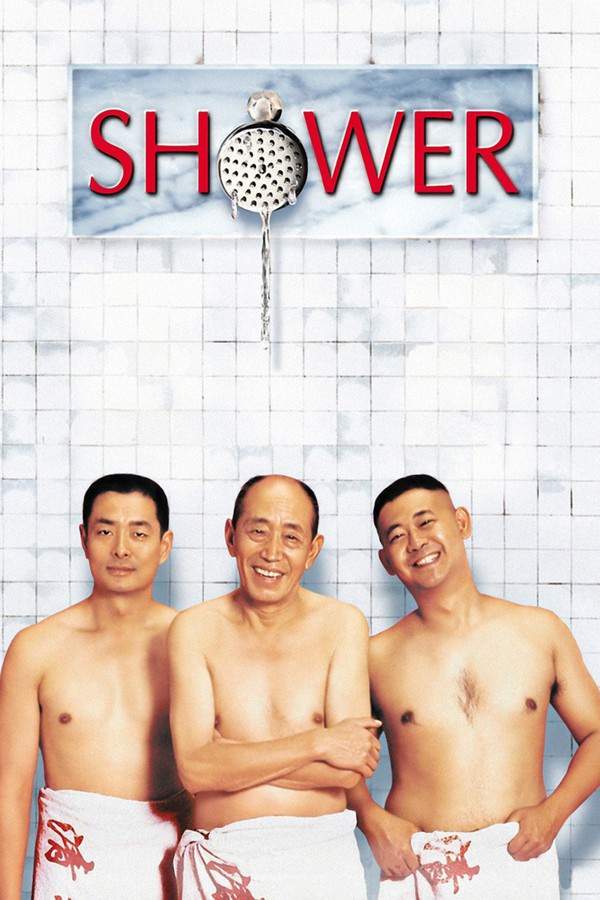
Shower (2000) movie poster

Characters & Themes

Shower (2000) Characters, Setting & Themes Explained

Release, runtime and language
2000 · 92 min · Chinese
Loading streaming availability…

Amidst China’s rapid modernization, a businessman is unexpectedly drawn back to his hometown, forcing him to reconnect with his aging father and brother. They run a beloved community bathhouse, a fading symbol of tradition. As he confronts his family’s history and the challenges they face, he embarks on a moving journey of cultural identity and the enduring bonds of human connection.

On this page (7)
  1. 1 Where to watch
  2. 2 Characters explained (3)
  3. 3 Where & when it takes place
  4. 4 Themes & meaning (4)
  5. 5 Character & meaning questions
  6. 6 Movie threads
  7. 7 Every angle
Loading streaming availability…

3 main characters · contains spoilers

Shower Characters Explained: Who Is Who

The main characters of Shower (2000), heroes and villains: what drives them, how they change over the course of the story and what each of them reveals about the film's bigger ideas.

  • Old Liu (Zhu Xu)

    An aging, patient manager who serves as mediator, caretaker, and unofficial counselor for both his son Erming and the bathhouse regulars. He treats the bathhouse as a family home, guiding disputes and offering gentle wisdom. His playful approach to daily chores keeps the place lively, even in sorrow. He dies peacefully while bathing, leaving a lasting emotional imprint on the community.

    • 👴 Elderly patriarch
    • 🧭 Community anchor
    • 🤝 Gentle authority
  • Liu Erming (Jiang Wu)

    Erming is a loving, mentally challenged young man who forms deep connections with the bathhouse crowd. His simple, loyal nature brings warmth and a sense of innocence to daily life. He clings to the bathhouse as his world and his father as his anchor, displaying resilience even through upheaval. His return home and struggles reveal the community's reliance on his presence.

    • 🧠 Neurodivergent
    • 💖 Beloved son
    • 🎶 Nostalgia
  • Liu Daming (Pu Cunxin)

    Old Liu’s elder son, a successful businessman who returns home after years away. He grapples with whether to bring Erming to Shenzhen and how his wife would react to caring for a mentally challenged brother. He ultimately stays longer to help at the bathhouse, postponing his business plans. His decisions highlight the tension between modernization and family loyalty.

    • 💼 Businessman
    • 👨‍👦 Family duty
    • 🤝 Reconciliation

Last updated: November 22, 2025 at 15:33

Was this helpful?

Setting

Where and When Does Shower Take Place?

The setting of Shower (2000): the year and time period, the places and locations, and how they shape the characters, the mood and the tension of the story.

Time period

Late 20th century

The story unfolds during a period of rapid urban change around Beijing. It captures the tension between enduring traditional life and the incoming modernisation and redevelopment. The film focuses on daily rituals and personal bonds rather than sweeping historical events.

Location

Beijing, China

Set in a traditional male bathhouse in an old district of Beijing, the setting is intimate and communal. The neighborhood is dense, aging, and tightly knit, with patrons who spend their days in games and conversations. The bathhouse functions as a microcosm of Beijing life, balancing ritual and camaraderie with the pressures of modern development.

  • 🏙️ Beijing
  • China
  • 🛁 Bathhouse culture
  • 🕰️ Traditional social hub

Last updated: November 22, 2025 at 15:33

Was this helpful?

4 major themes

Shower Meaning: Themes & Message Explained

What is Shower (2000) really about? The emotional, social and philosophical themes the film keeps returning to, its symbolism and the message beneath the surface.

  • Family Bonds

    Old Liu anchors the story as a devoted father and caretaker for Erming and the bathhouse's regulars. The elder son's return tests loyalty and duty, revealing competing obligations between family and ambition. The bathhouse community feels like a second family, shaped by daily rituals and shared care. Love and responsibility endure even as times change.

  • Tradition

    The bathhouse's rituals—haircuts, massages, chess games, and even cricket fighting—are depicted as living traditions. These routines give the patrons purpose and a sense of belonging, anchoring them in a familiar world. A close-knit community sustains itself through these customs even as urban pressures rise.

  • Change & Displacement

    Beijing's redevelopment plan puts the district on the chopping block, threatening to erase the bathhouse and its memories. The looming demolition heightens emotional stakes as characters reckon with what they stand to lose. The story uses the imminent loss to explore identity, attachment to place, and the meaning of home.

  • Nostalgia

    Memories of the bathhouse linger as the neighborhood changes, with old paintings and portraits removed as relics. Erming's final singing of O Sole Mio marks a farewell to a world that is vanishing. The film treats memory as a durable thread tying past and present, giving emotional weight to every ritual that is left behind.

Last updated: November 22, 2025 at 15:33

Was this helpful?

Character & theme questions

Shower Characters & Meaning: Your Questions Answered

The questions people ask about Shower (2000): who the characters really are, their relationships, what the symbols mean, where it takes place and what the movie is really about. Each answer contains spoilers.

Q1

Where is the movie set?

The film takes place in a traditional male bathhouse located in an old district of Beijing. The neighborhood is dense, aging, and tightly knit, with patrons who spend their days playing games and engaging in conversations. The bathhouse serves as a communal microcosm of Beijing life, functioning as a social hub where rituals and camaraderie intersect with the pressures of modern development.

  • beijing
  • bathhouse
  • setting
  • traditional
  • community
Q2

What time period does the story take place in?

The story unfolds during the late 20th century, a period of rapid urban change in Beijing. The film captures the tension between enduring traditional life and the incoming modernization and redevelopment. Rather than focusing on sweeping historical events, the movie emphasizes daily rituals and personal bonds during this transitional era.

  • time period
  • late 20th century
  • beijing
  • modernization
  • 1990s
Q3

What does the film say about family bonds?

The film explores how family bonds persist even as times change. Old Liu anchors the story as a devoted father caring for his son Erming and the bathhouse regulars. When the elder son Daming returns, his presence tests loyalty and duty, revealing competing obligations between family and personal ambition. The bathhouse community itself functions like a second family, shaped by daily rituals and shared care.

  • family
  • bonds
  • loyalty
  • tradition
  • responsibility
Q4

What role does tradition play in the movie?

Tradition is central to the film's vision of community life. The bathhouse's rituals, haircuts, massages, chess games, and cricket fighting, are depicted as living traditions that give patrons purpose and belonging. These routines anchor characters in a familiar world, creating a sense of identity and continuity even as urban pressures threaten to erase this way of life.

  • tradition
  • rituals
  • bathhouse
  • culture
  • customs
Q5

How does the film address modernization and change?

Beijing's redevelopment plan puts the bathhouse district on the chopping block, threatening to erase the establishment and its memories. The looming demolition raises emotional stakes as characters confront what they stand to lose. The story uses this imminent loss to explore themes of identity, attachment to place, and the meaning of home in the face of progress.

  • modernization
  • urban change
  • redevelopment
  • progress
  • displacement
Q6

How does the film treat nostalgia?

Nostalgia runs deep throughout the film as memories of the bathhouse linger even as the neighborhood changes. Old paintings and portraits are removed as relics of a disappearing world. Erming's final singing of O Sole Mio serves as a farewell to a vanishing way of life. The film treats memory as a durable thread connecting past and present, giving emotional weight to every ritual left behind.

  • nostalgia
  • memory
  • loss
  • farewell
  • tradition
Q7

Who is Old Liu in the story?

Old Liu is the aging manager of the bathhouse who serves as mediator, caretaker, and unofficial counselor for his son Erming and the bathhouse regulars. He treats the bathhouse as a family home, guiding disputes and offering gentle wisdom. His playful approach keeps the place lively even in difficult times. He dies peacefully while bathing, leaving a lasting emotional imprint on the community.

  • old liu
  • father
  • bathhouse manager
  • elder
  • caretaker
Q8

Who is Liu Erming and what role does he play?

Liu Erming is Old Liu's son, a mentally challenged young man who forms deep connections with the bathhouse community. His simple, loyal nature brings warmth and innocence to daily life. He clings to the bathhouse as his entire world and his father as his anchor, demonstrating remarkable resilience through upheaval. His presence reveals how the community relies on him for emotional sustenance as much as he relies on them.

  • liu erming
  • mentally challenged
  • community
  • innocence
  • loyalty
Q9

Who is Liu Daming and why does he return home?

Liu Daming is Old Liu's elder son, a successful businessman who returns home after years away. His return forces him to grapple with difficult decisions, whether to bring Erming to Shenzhen, how his wife would react to caring for a mentally challenged brother, and whether to prioritize business ambitions or family obligations. He ultimately decides to stay longer to help at the bathhouse, postponing his business plans.

  • liu daming
  • businessman
  • return
  • family duty
  • modernization
Q10

What does the bathhouse represent symbolically?

The bathhouse functions as a microcosm of traditional Beijing life, representing community, ritual, and human connection. It is a space where daily traditions create belonging and purpose. As a fading symbol of tradition threatened by redevelopment, the bathhouse becomes an emblem of what is at stake in the battle between modernization and cultural preservation.

  • bathhouse
  • symbol
  • community
  • tradition
  • microcosm
Q11

What is the overall emotional tone of the film?

The film's dominant tone is melancholic rather than purely bittersweet, reflecting a deep, quiet sadness about the passage of time and loss of tradition. However, this melancholy is softened by warmth and humanity. Despite themes of loss and change, the film avoids bleakness, maintaining a contemplative and humane perspective throughout.

  • tone
  • melancholy
  • bittersweet
  • emotional
  • warmth

Movie threads

More Movies Like Shower, by Mood & Story

Curated lists built around what makes Shower tick: the same mood, the same kind of story or the same emotional payoff. Each list explains why these movies belong together.

Stories of fading tradition and community like Shower

Quiet, melancholic stories about the fading warmth of traditional places and communities. If you liked the gentle, melancholic mood of Shower, you'll find similar movies here. These films explore the bittersweet loss of traditional communities and places with a slow, contemplative pace and a warm, humanistic perspective.

  • nostalgic
  • melancholic
  • contemplative
  • autumnal
  • bittersweet
  • gentle
  • Tone: melancholic, bittersweet, warm
  • Pacing: slow, contemplative
Why these movies?

The story pattern: Stories in this thread often follow an outsider or prodigal child who returns to a traditional community on the brink of disappearance. Through their eyes, we witness the daily rituals and deep bonds that define the place, culminating in a bittersweet acceptance of change while honoring the past.

Why they belong together: These films are grouped by their shared mood of nostalgic melancholy and their thematic focus on cultural transition. They share a slow, observational pacing that allows the atmosphere of a place to sink in, and a bittersweet, humane tone that avoids outright bleakness.

Movies about reconnecting with family like Shower

Emotional journeys where characters find solace and purpose by returning to family roots. For viewers who enjoyed the father-son relationship and themes of reconnection in Shower, this section features movies where characters return home to mend family bonds. These dramas blend emotional weight with gentle humor and a focus on everyday life.

  • bittersweet
  • heartwarming
  • family drama
  • contemplative
  • gentle
  • nostalgic
  • Tone: bittersweet, warm, humane
  • Pacing: steady, character-driven
Why these movies?

The story pattern: The narrative pattern involves a character forced to confront their past by returning to a family setting, often a small business or home. Initial resistance gives way to immersion in daily routines, leading to emotional confrontations, understanding, and ultimately, a reconciled, if bittersweet, sense of belonging.

Why they belong together: These movies share a focus on the healing power of family routines and the rekindling of strained relationships. They balance drama with light comedy, feature a straightforward emotional arc, and often conclude with a bittersweet but hopeful resolution centered on connection.

Every angle

Shower (2000) Explained: Plot, Timeline & Characters

Everything about Shower in one place: what happens in the plot summary, the timeline in chronological order, the characters and meaning and a spoiler-free summary. What's After the Movie adds the cast, box office and post-credit scenes.

Coming soon on iOS and Android

The Plot Explained Movie Summary App

Plot summaries, endings explained and timelines on your phone. Catch up on any movie in minutes, save your favorites and never miss a twist again.

Be the first to know when we launch. Your email stays private, always.

Learn more about the app