Plot Explained Spoilers guaranteed!
Plot Explained

Browse by genre

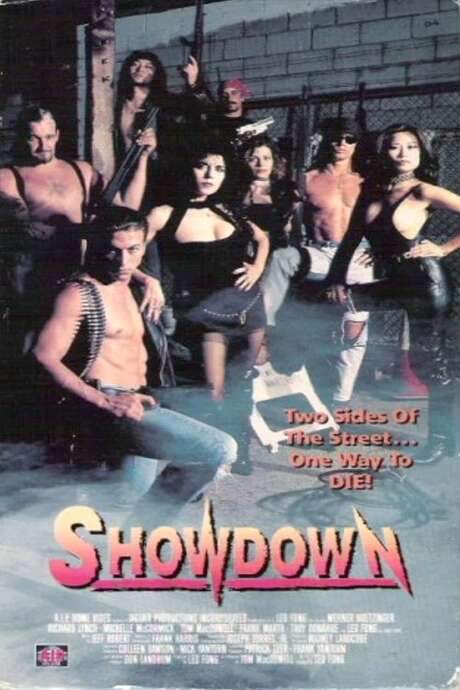
Showdown in Little Tokyo (1991) movie poster

Characters & Themes

Showdown in Little Tokyo (1991) Characters, Setting & Themes Explained

Release, runtime and language
1991 · 79 mins · English
Loading streaming availability…
Directed by
Mark L. Lester
Starring
Dolph Lundgren, Roger Yuan, Branscombe Richmond, Steve Park, Brandon Lee, Tia Carrere

An American raised in Japan, police officer Chris Kenner works the Little Tokyo precinct of Los Angeles, partnered with Japanese‑American detective Johnny Murata, who feels detached from his heritage. Both are martial‑arts masters and must confront Yoshida, a brutal yakuza drug lord linked to Kenner’s past. High‑octane fights test loyalties.

On this page (9)
  1. 1 Where to watch
  2. 2 Characters explained (6)
  3. 3 Character relationship map
  4. 4 Where & when it takes place
  5. 5 Themes & meaning (3)
  6. 6 Character & meaning questions
  7. 7 Movie threads
  8. 8 Movies like Showdown in Little Tokyo
  9. 9 Every angle
Loading streaming availability…

6 main characters · contains spoilers

Showdown in Little Tokyo Characters Explained: Who Is Who

The main characters of Showdown in Little Tokyo (1991), heroes and villains: what drives them, how they change over the course of the story and what each of them reveals about the film's bigger ideas.

  • Detective Chris Kenner (Dolph Lundgren)

    An American detective raised in Japan who struggles with his cultural identity and a fierce sense of justice. He is a seasoned martial artist whose past trauma—his parents' murder by a yakuza member—drives his relentless pursuit of Yoshida. His abrasive demeanor often clashes with his partner, but his dedication to protecting the innocent remains steadfast.

    • 🗡️ Martial-artist
    • 🕵️ Detective
    • 🇯🇵 Culturally-conflicted
  • Johnny Murata (Brandon Lee)

    An American of partial Japanese descent who loves martial arts and values honor. He balances respect for Japanese culture with his American upbringing, forming a tense but loyal partnership with Kenner. Johnny's skills and street-smarts help navigate the dangers of Little Tokyo as they pursue Yoshida.

    • 🥋 Martial-artist
    • 🤝 Loyal-partner
    • 🌐 Cultural-conflict
  • Yoshida (Cary-Hiroyuki Tagawa)

    Leader of the Iron Claw yakuza clan and a ruthless drug kingpin who uses smaller gangs to extend his empire. He exerts power through fear, manipulation, and sheer brutality, making him the central antagonist of the story. His dispositional cruelty is showcased in the beheading of Angel and his merciless control of the Bonsai Club and distribution network.

    • 🔥 Crime-lord
    • 💼 Power-operator
    • 💀 Ruthless-enforcer
  • Minako Okeya (Tia Carrere)

    A lounge singer and ally to Kenner and Murata who becomes a key contact within the Bonsai Club world. Her presence opens doors to information and potential allies, while her courage helps steer the investigation forward. She embodies resilience amid the district’s perilous atmosphere.

    • 🎤 Singer
    • 🤝 Ally
    • 💃 Performer
  • Angel (Renee Griffin)

    A friend of Minako who becomes entangled in Yoshida's crimes. Her proximity to danger and involvement in the club scene expose the human cost of the criminal underworld. Angel's fate underscores the film's harsh consequences of the street war.

    • 💔 Victim
    • 💊 Drug-connected
    • 🤝 Ally
  • Tanaka (Philip Tan)

    Owner of the Bonsai Club who becomes a target of Yoshida's expansion. His murder marks a turning point in the plot, illustrating Yoshida's readiness to eliminate key figures to consolidate power. Tanaka's death propels the heroes toward a direct confrontation with Yoshida.

    • 🏢 Club-owner
    • 💀 Victim
    • 🔪 Target

Last updated: October 30, 2026 at 14:48

Was this helpful?

6 characters · 8 connections · contains spoilers

Showdown in Little Tokyo Character Relationship Map

Who is connected to whom in Showdown in Little Tokyo: family, love, friendships, rivalries and hidden ties, colour-coded. Pick a character to see their side of the story, or a connection to see what brings two characters together.

How much of the story to show
DCDetectiveChris KennerDolph LundgrenJMJohnny MurataBrandon LeeYYoshidaCary-Hiroyuki TagawaMOMinako OkeyaTia CarrereAAngelRenee GriffinTTanakaPhilip Tan

Last updated: October 30, 2026 at 14:48

Was this helpful?

Setting

Where and When Does Showdown in Little Tokyo Take Place?

The setting of Showdown in Little Tokyo (1991): the year and time period, the places and locations, and how they shape the characters, the mood and the tension of the story.

Time period

Location

Little Tokyo, Los Angeles

The story unfolds in the Little Tokyo district of downtown Los Angeles, a dense, culturally rich enclave that provides a gritty backdrop for police work and street-level crime. The Bonsai Club and other nightlife venues anchor the neighborhood's energy, blending entertainment with danger. This setting amplifies the clash between Japanese-American community life and criminal underworld activity touched by the yakuza.

  • 🏙️ Urban enclave
  • 🗼 Japanese-American neighborhood

Last updated: October 30, 2026 at 14:48

Was this helpful?

3 major themes

Showdown in Little Tokyo Meaning: Themes & Message Explained

What is Showdown in Little Tokyo (1991) really about? The emotional, social and philosophical themes the film keeps returning to, its symbolism and the message beneath the surface.

  • Vengeance

    Chris Kenner is driven by a personal vendetta stemming from witnessing his parents' murder by a yakuza member. The plot threads his trauma into a relentless pursuit of justice, often putting him at odds with conventional law enforcement. The confrontation with Yoshida evolves from interrogation room stakes to a blood-soaked showdown. The climax pairs martial skill with a need to avenge family tragedy, underscoring how past wounds shape present actions.

  • Loyalty

    Kenner and Murata’s partnership tests cultural boundaries and personal pride, ultimately highlighting loyalty over culinary or cultural differences. Their shared mastery of martial arts becomes a bond that sustains them through ambushes, torture, and near-fatal fights. The duo's trust is essential to unraveling Yoshida's network and rescuing allies like Minako. The theme explores how teamwork and mutual respect can overcome initial friction.

  • Crime & Power

    Yoshida runs a drug operation funneling through a local brewery and uses gangs to expand his reach, illustrating how crime densify power in urban spaces. The narrative shows the brutal methods of control—intimidation, violence, and manipulation—to maintain dominance over territory and profit. The escalating actions—from club killings to a fortified hideout and a parade confrontation—expose the corrosive effects of unchecked ambition. The ending depicts justice served through direct, if spectacular, retribution.

Last updated: October 30, 2026 at 14:48

Was this helpful?

Character & theme questions

Showdown in Little Tokyo Characters & Meaning: Your Questions Answered

The questions people ask about Showdown in Little Tokyo (1991): who the characters really are, their relationships, what the symbols mean, where it takes place and what the movie is really about. Each answer contains spoilers.

Q1

Where is Little Tokyo located in the movie?

The movie is set in the Little Tokyo district of downtown Los Angeles, a dense urban enclave that serves as a culturally rich Japanese-American neighborhood. This setting provides a gritty backdrop where traditional Japanese-American community life collides with yakuza-controlled criminal activity, with locations like the Bonsai Club anchoring the story's dangerous underworld.

  • little tokyo
  • los angeles
  • setting
  • japanese american neighborhood
Q2

What time period does the film take place in?

The film is set in the early 1990s, consistent with its 1991 release date. The contemporary setting places the story in modern Los Angeles, allowing the narrative to explore cultural tensions between Japanese-American community life and traditional yakuza crime operating in an American urban environment.

  • 1990s
  • time period
  • contemporary
  • 1991
Q3

What are the main themes of the movie?

The film explores three core themes: Vengeance, as protagonist Chris Kenner pursues his parents' killer driven by personal trauma; Loyalty, which develops between Kenner and his partner Murata despite cultural differences; and Crime & Power, depicting how yakuza leader Yoshida builds and maintains his drug empire through brutal methods.

  • themes
  • vengeance
  • loyalty
  • crime
  • power
  • yakuza
Q4

Who is Chris Kenner and what drives him?

Chris Kenner is an American detective raised in Japan who works the Little Tokyo precinct. His defining trait is a personal vendetta against the yakuza, he witnessed his parents' murder by a yakuza member, and this trauma drives his relentless pursuit of justice against criminal underworld figures, particularly antagonist Yoshida.

  • chris kenner
  • protagonist
  • vengeance
  • martial arts
  • trauma
Q5

Who is Johnny Murata and what is his role?

Johnny Murata is a Japanese-American detective and Kenner's partner who feels disconnected from his heritage despite respecting Japanese culture. His martial arts skills and street-smarts help navigate the dangers of Little Tokyo. His partnership with Kenner evolves from initial tension to deep loyalty, representing the film's theme of teamwork overcoming cultural barriers.

  • johnny murata
  • partner
  • japanese american
  • detective
  • martial arts
Q6

Who is Yoshida and why is he dangerous?

Yoshida is the leader of the Iron Claw yakuza clan and a ruthless drug kingpin who runs his operation through a local brewery. He maintains power through fear, manipulation, and extreme violence, including beheading characters to demonstrate his ruthlessness. His control of the Bonsai Club and distribution network makes him a seemingly unstoppable criminal force.

  • yoshida
  • antagonist
  • yakuza
  • villain
  • drug lord
  • iron claw
Q7

How does the movie address cultural identity?

The film explores cultural identity through the contrast between Kenner, raised in Japan but American, and Murata, Japanese-American but disconnected from his heritage. Their partnership requires navigating these different relationships to Japanese culture, with martial arts serving as a unifying language that transcends cultural differences.

  • cultural identity
  • japanese american
  • heritage
  • partnership
  • martial arts
Q8

What is the relationship between Kenner and Murata?

Kenner and Murata start as an uneasy partnership burdened by cultural friction and personal pride, but their shared mastery of martial arts creates a bond that deepens through mutual respect. Their trust is essential to taking down Yoshida's network, and their loyalty to each other becomes the emotional core supporting the action-driven plot.

  • kenner
  • murata
  • partnership
  • loyalty
  • buddy cop
Q9

What is the Bonsai Club's role in the story?

The Bonsai Club is a nightclub in Little Tokyo that serves as a key location in Yoshida's criminal operation. Owned by Tanaka, it becomes a focal point where the film shows the intertwining of entertainment and danger in the district. The club's takeover by Yoshida illustrates how crime infiltrates legitimate community spaces.

  • bonsai club
  • nightclub
  • yoshida
  • tanaka
  • crime
Q10

Who is Minako Okeya and what does she represent?

Minako Okeya is a lounge singer at the Bonsai Club who becomes a key ally to Kenner and Murata. She provides crucial information that advances the investigation and represents resilience amid the district's perilous atmosphere. Her character embodies the vulnerable community members caught between criminal elements and those trying to protect them.

  • minako okeya
  • singer
  • ally
  • bonsai club
  • tia carrere
Q11

What is the tone and style of the film?

The film balances dark themes of murder and organized crime with lighter buddy cop banter, creating an action-comedy tone. Despite violent confrontations including torture and decapitation, the pacing remains fast with minimal downtime between action set-pieces. The ending is unambiguously happy, with heroes victorious and celebrated, making it a crowd-pleasing action spectacle.

  • tone
  • style
  • action
  • comedy
  • action comedy
  • 1990s action

Movie threads

More Movies Like Showdown in Little Tokyo, by Mood & Story

Curated lists built around what makes Showdown in Little Tokyo tick: the same mood, the same kind of story or the same emotional payoff. Each list explains why these movies belong together.

Buddy Cop Action Movies like Showdown in Little Tokyo

Mismatched partners use fists and banter to take down powerful syndicates. If you liked the macho chemistry and explosive action of Showdown in Little Tokyo, you'll enjoy these movies. This list features films where mismatched partners face off against powerful criminals, blending high-octane fights with a steady stream of banter and camaraderie.

  • macho
  • action-packed
  • thrilling
  • witty
  • confrontational
  • vengeful
  • Tone: tense, thrilling
  • Pacing: fast, action-packed
Why these movies?

The story pattern: The narrative follows two protagonists—often with opposing methods or backgrounds—who are paired together to solve a major case. Their initial friction gives way to mutual respect as they navigate a series of dangerous set-pieces, culminating in a final, triumphant showdown against a formidable villain.

Why they belong together: These movies are grouped by their successful combination of a fast-paced, action-driven plot with the character chemistry of a classic buddy duo. They share a high-intensity, confrontational mood where the partnership's evolution is as central to the experience as the violence.
Brutal Martial Arts Action Films like Showdown in Little Tokyo

Heroes unleash devastating hand-to-hand combat for revenge and justice. For viewers who enjoyed the hard-hitting fights and clear-cut justice in Showdown in Little Tokyo, this list collects similar martial arts films. These movies prioritize intense, bone-crunching action sequences and a simple, satisfying narrative of good versus evil.

  • brutal
  • vengeful
  • action-packed
  • confrontational
  • macho
  • tense
  • Tone: tense, brutal
  • Pacing: fast, escalating
Why these movies?

The story pattern: The plot is a direct path to vengeance or justice, with each action sequence escalating the conflict toward a final, decisive duel. Character motivation is often personal, tied to past trauma or a code of honor, and is resolved through physical prowess in graphically violent confrontations.

Why they belong together: These films are united by their emphasis on high-impact, skill-based combat as the primary solution to conflict. They share a high-intensity, brutal mood and a fast pace that keeps the focus squarely on the next explosive encounter.

If you liked this

Movies Like Showdown in Little Tokyo

Similar movies to Showdown in Little Tokyo: the same genre, themes or kind of story. Each one comes with its own plot summary, timeline and ending explained.

Browse all movie summaries

Every angle

Showdown in Little Tokyo (1991) Explained: Plot, Timeline & Characters

Everything about Showdown in Little Tokyo in one place: what happens in the plot summary, the timeline in chronological order, the characters and meaning and a spoiler-free summary. What's After the Movie adds the cast, box office and post-credit scenes.

Coming soon on iOS and Android

The Plot Explained Movie Summary App

Plot summaries, endings explained and timelines on your phone. Catch up on any movie in minutes, save your favorites and never miss a twist again.

Be the first to know when we launch. Your email stays private, always.

Learn more about the app