Plot Explained Spoilers guaranteed!
Plot Explained

Browse by genre

Showdown at Boot Hill (1958) movie poster

Timeline

Showdown at Boot Hill (1958) Timeline Explained – Every Event in Order

Release, runtime and language
1958 · 71 mins · English
Directed by
Gene Fowler Jr.
Starring
John Carradine, Charles Bronson, Ed Wright, Mike Mason, Argentina Brunetti, Norman Leavitt

Armed with a powerful weapon, bounty hunter Luke Welsh tracks a wanted man to a town where the fugitive is popular. To claim the bounty he must obtain a signed identification, but no one will cooperate. After outdrawing a faster opponent, the townspeople form a mob to hunt him down. The townsfolk, alarmed by his reputation, plot to eliminate him.

On this page (5)
  1. 1 Events in order (15)
  2. 2 Timeline questions answered
  3. 3 Movie threads
  4. 4 Movies like Showdown at Boot Hill
  5. 5 Every angle

15 events in order · contains spoilers

Showdown at Boot Hill Timeline: Events in Chronological Order

Every key event of Showdown at Boot Hill (1958) in order, scene by scene, with when and where it takes place. Use it to untangle flashbacks, time jumps and parallel storylines, to refresh your memory before the sequel or to find the exact scene you are thinking of.

  1. Marshal arrives in Mound City to serve warrant

    US Marshal Luke Welsh rides into Mound City to arrest Con Maynor and collect a $200 bounty. He presents a warrant and faces the town's wary glances as the confrontation looms. The event sets the tone for the tense encounter to come.

    When
    Arrival at the start
    Where
    Mound City
  2. Maynor challenges the marshal in a draw

    Maynor tries to outdraw Welsh, hoping to escape capture. The confrontation ends with Maynor losing the draw and the marshal maintaining control. The failed stand-off raises the stakes for the town and the pursuit continues.

    When
    During the confrontation
    Where
    Mound City street
  3. Coroner's inquest declares self-defense

    A coroner's inquest is held to determine the shooting's cause. The proceedings conclude that Welsh acted in self-defense. The verdict provides no resolution on Maynor, fueling tension in the town.

    When
    Soon after the shooting
    Where
    Coroner's inquest in Mound City
  4. Judge signs affidavit without Maynor's name

    The marshal asks the judge to sign an affidavit detailing the facts. The judge signs but omits Maynor's name from the document. Without the name on the affidavit, Welsh cannot collect the bounty.

    When
    After the inquest
    Where
    Courtroom, Mound City
  5. Marshal seeks identification of Maynor

    Welsh continues to press townsfolk for any evidence linking the dead man to Maynor. In the process, he learns why the town liked Maynor so much and what he meant to the community. The pursuit becomes as much about reputation as about an arrest.

    When
    Ongoing
    Where
    Mound City streets
  6. Welsh grows attracted to Sally Crane

    During his stay, Welsh's attention shifts toward Sally Crane, the local saloon owner's daughter. The magnetism between them adds a personal dimension to the otherwise cold pursuit. Their budding relationship complicates the marshal's mission and loyalties.

    When
    During his stay
    Where
    Sally Crane's town surroundings / saloon
  7. Meet Doc Weber, the barber and undertaker

    Welsh meets Doc Weber, the town's philosophical barber and undertaker. Doc provides a counterpoint to the marshal's rigid sense of justice and keeps the town's perspective grounded. The two men exchange views about life, death, and duty.

    When
    Early in the stay
    Where
    Doc Weber's shop, Mound City
  8. Town plots to drive him out

    The town grows uneasy with the marshal's presence and starts looking for ways to get rid of him. Hostility rises as neighbors become suspects and the concept of a lawman in their midst becomes intolerable. The plan becomes a mob mentality rather than a lawful pursuit.

    When
    Over time during his stay
    Where
    Mound City streets
  9. A gun slinger is goaded to draw on Welsh

    The locals egg on a young wannabe gun slinger to test the marshal's mettle. In the confrontation, Welsh wounds the man, showing he can defend himself and further inflaming tensions. The town's fear and aggression begin to boil over into action.

    When
    Later
    Where
    City street outside saloon
  10. A mob forms to attack the marshal

    A mob gathers with the intention of killing Welsh. The threat escalates as the crowd presses closer and the marshal must decide how to respond under threat. The scene marks a turning point in the town's moral arc.

    When
    The night of the confrontation
    Where
    Mound City streets
  11. Jill hides Welsh and Sally

    Jill discovers the danger and guides Welsh and Sally to safety, urging them to hide in her house. They shelter together as the mob closes in. The act underscores Jill's loyalty and Sally's vulnerability.

    When
    During the mob attack
    Where
    Jill's house, Mound City
  12. The delirious gun slinger shoots Jill

    The delirious gun slinger locates the marshal and the struggle ensues. He shoots Jill during the encounter, wounding her. The incident raises the stakes and shifts sympathy within the town.

    When
    During the struggle
    Where
    Near Jill's house
  13. Charles Maynor arrives for the funeral

    Charles Maynor arrives in town with his family for his brother's funeral. Unknown to them, Charles plans to kill Welsh, but his wife notices Welsh with Sally and urges him to reconsider. The family dynamics complicate the looming confrontation.

    When
    Funeral day
    Where
    Mound City funeral grounds
  14. Unarmed confrontation at the funeral

    The next day at the funeral, Welsh approaches Charles unarmed and declares he is the man who shot Maynor's brother. Charles attacks, but the crowd and mourners restrain him before the fight becomes fatal. The standoff exposes the town's divided loyalties.

    When
    The funeral day, during the confrontation
    Where
    Funeral grounds, Mound City
  15. Welsh decides to be with Sally and leaves

    After a final discussion with Doc Weber, the marshal realizes his place is with Sally. He chooses love over duty and leaves town to be with her. The departure marks the end of the conflict and a new direction for both.

    When
    End
    Where
    Mound City

Last updated: October 09, 2025 at 09:27

Was this helpful?

Timeline questions answered

Showdown at Boot Hill Timeline Explained: Your Questions Answered

When does it happen, and why in that order? The questions people ask about the chronology of Showdown at Boot Hill (1958): time jumps, flashbacks, cause and effect between scenes and the correct order of events, each answered with spoilers.

Q1

Why didn't the judge include Maynor's name on the affidavit?

The judge deliberately left Maynor's name off the affidavit because the entire town was fond of him and refused to cooperate with the marshal's investigation. By omitting the name, the judge ensured that Welsh couldn't collect the $200 bounty, effectively protecting the town's beloved figure from being officially recorded as the deceased. This act of omission was the town's subtle way of thwarting the marshal's mission without openly confronting him.

  • judge
  • affidavit
  • maynor
  • bounty
  • court
  • omission
Q2

Why wouldn't the townspeople identify Maynor?

The townspeople refused to identify Con Maynor because they genuinely liked him and wanted to protect his memory. Their affection for Maynor created a wall of silence around the marshal, making it impossible for him to gather the evidence needed to officially record the name and claim the bounty. The entire community chose loyalty to a popular figure over cooperation with the law.

  • maynor
  • townspeople
  • identification
  • community
  • loyalty
  • silence
Q3

Why did the marshal choose to leave with Sally instead of collecting the bounty?

After his conversations with Doc Weber and experiencing the town's resistance, Welsh realized that his pursuit of the bounty was tearing the community apart and that his future lay with Sally Crane. He chose love and a new life over the certainty of the bounty, walking away from the case to be with her. This decision represents his personal reckoning, trading professional duty for personal fulfillment.

  • welsh
  • sally
  • bounty
  • leave
  • love
  • choice
  • duty
Q4

Why didn't Charles Maynor kill the marshal at the funeral?

Charles Maynor initially planned to kill the marshal as payback for his brother's death, but his wife saw Welsh with Sally and urged him to reconsider. This moment of seeing the marshal as a person with human connections, rather than just the man who killed his brother, gave Charles pause. When he finally confronted Welsh unarmed at the funeral, the crowd intervened before the confrontation could turn fatal.

  • charles maynor
  • brother
  • revenge
  • wife
  • funeral
  • restraint
Q5

How did the marshal survive the mob attack?

Jill Crane warned Welsh and Sally about the mob and led them to hide at her house. While sheltering there, the delirious wounded gunfighter tracked them down and shot Jill during a struggle, but the marshal escaped further harm. The mob's attack was ultimately thwarted by the townspeople's own hesitation and the chaos of the gunfighter's intervention.

  • mob
  • attack
  • jill
  • hide
  • survival
  • gunfighter
Q6

Why did the marshal approach Charles Maynor unarmed at the funeral?

Welsh deliberately went unarmed to the funeral to confront Charles Maynor directly and take responsibility for shooting his brother. By appearing defenseless and stating he was the man who killed Maynor, he challenged Charles to either kill him or accept the truth. This risky move demonstrated his willingness to face the consequences rather than continue hiding or running.

  • unarmed
  • funeral
  • charles
  • confrontation
  • responsibility
  • courage
Q7

What happened to Jill after she was shot?

Jill Crane was shot during the struggle with the delirious gunfighter while sheltering Welsh and Sally. The timeline doesn't specify her ultimate fate, but the shooting deeply shocked everyone in town and raised the emotional stakes of the conflict. Her act of loyalty to warn and hide the marshal made her a tragic victim of the escalating violence.

  • jill
  • shot
  • wounded
  • injury
  • consequences
Q8

Why did the townspeople form a mob to attack the marshal?

The townspeople formed a mob because they viewed the marshal's persistent presence as a threat to their community's peace and values. After he wounded the young gunfighter they had goaded into challenging him, the town decided vigilantism was quicker than waiting for a fair identification process. Their fear and hostility escalated into a collective intent to eliminate him rather than continue enduring his investigation.

  • mob
  • town
  • hostility
  • vigilante
  • violence
  • fear
Q9

What was Doc Weber's role in the story?

Doc Weber served as the town's philosophical barber and undertaker, providing reflective commentary on life, death, and consequence. His conversations with Welsh offered the marshal a counterpoint to his rigid sense of justice, ultimately helping Welsh realize that his place was with Sally. Doc represented the town's perspective and helped guide the marshal toward his final decision to abandon the bounty.

  • doc weber
  • barber
  • undertaker
  • philosophy
  • conversations
  • guidance
Q10

Why did Maynor try to outdraw the marshal instead of surrendering?

Con Maynor attempted to outdraw US Marshal Luke Welsh because he misread the town's mood, believing he could escape capture through quick violence. Perhaps confident in his standing with the townspeople or desperate not to face arrest, Maynor chose a fatal confrontation rather than surrender. His failed draw resulted in his death and set in motion the entire chain of events that followed.

  • maynor
  • outdraw
  • duel
  • confrontation
  • escape
  • death

Movie threads

More Movies Like Showdown at Boot Hill, by Mood & Story

Curated lists built around what makes Showdown at Boot Hill tick: the same mood, the same kind of story or the same emotional payoff. Each list explains why these movies belong together.

Movies about lone outcasts facing a town like in Showdown at Boot Hill

A lone individual confronts the suspicion and fear of a closed community. If you liked the tense dynamic of a solitary figure against a hostile town in Showdown at Boot Hill, explore these movies. This collection features similar Westerns and dramas where an individual's principles clash with mob mentality and community fear, leading to gripping standoffs.

  • tense
  • unsettling
  • solitary
  • atmospheric
  • confrontational
  • claustrophobic
  • Tone: tense, morally complex
  • Pacing: steady, building tension
Why these movies?

The story pattern: These narratives typically follow a lone protagonist with a specific goal that disrupts a community's fragile peace. The central conflict escalates as the townspeople, driven by fear, loyalty, or prejudice, unite against the outsider. The story builds towards a climactic confrontation that tests the protagonist's resolve and the community's morality.

Why they belong together: Movies are grouped here for their shared focus on the 'one against many' archetype, the palpable tension of societal pressure, and the exploration of justice versus collective will. They often feature a steady, methodical pacing that allows the hostility to simmer before boiling over.
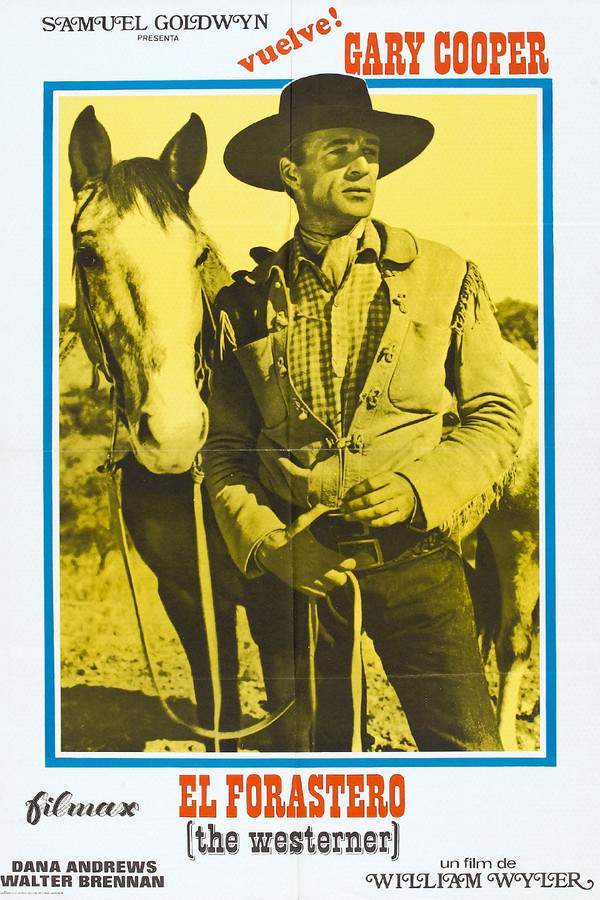
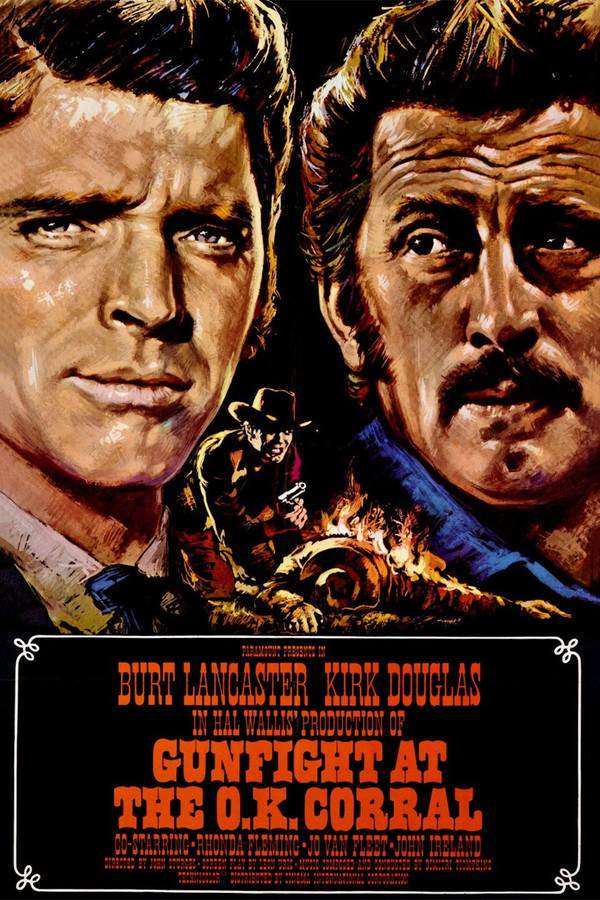
Movies with bittersweet redemption arcs like Showdown at Boot Hill

Characters find a personal victory at the cost of their original goal. Fans of the poignant ending in Showdown at Boot Hill, where the hero abandons his bounty for a new beginning, will appreciate these films. Discover similar character-driven stories that conclude with a mix of hope and sacrifice, focusing on redemption and starting over.

  • bittersweet
  • meditative
  • hopeful
  • solitary
  • redemptive
  • melancholic
  • Tone: bittersweet, reflective
  • Pacing: steady, character-driven
Why these movies?

The story pattern: The narrative pattern involves a character defined by a singular, often grim purpose (like bounty hunting or revenge) who is presented with an alternative path, typically involving romance or community. The climax forces a choice between completing their mission or embracing this new possibility, resulting in an ending that is personally hopeful but professionally or morally unresolved.

Why they belong together: These movies are connected by their exploration of redemption and the cost of change. They share a medium emotional weight, a steady pacing that allows for character reflection, and a conclusively bittersweet feel that resonates with the complexity of real-world choices.

If you liked this

Movies Like Showdown at Boot Hill

Similar movies to Showdown at Boot Hill: the same genre, themes or kind of story. Each one comes with its own plot summary, timeline and ending explained.

Browse all movie summaries

Every angle

Showdown at Boot Hill (1958) Explained: Plot, Timeline & Characters

Everything about Showdown at Boot Hill in one place: what happens in the plot summary, the timeline in chronological order, the characters and meaning and a spoiler-free summary. What's After the Movie adds the cast, box office and post-credit scenes.

Coming soon on iOS and Android

The Plot Explained Movie Summary App

Plot summaries, endings explained and timelines on your phone. Catch up on any movie in minutes, save your favorites and never miss a twist again.

Be the first to know when we launch. Your email stays private, always.

Learn more about the app