Plot Explained Spoilers guaranteed!
Plot Explained

Browse by genre

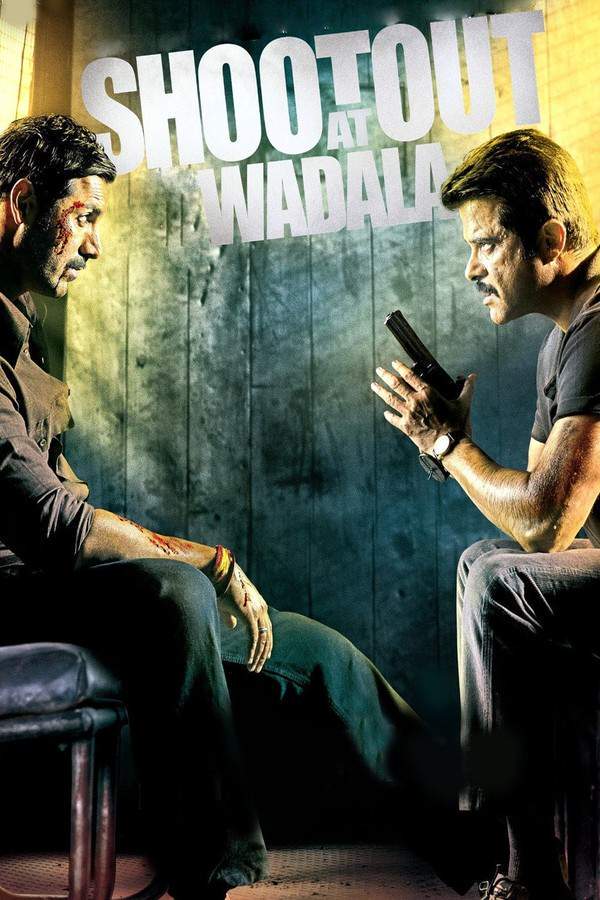
Shootout at Lokhandwala (2007) movie poster

Characters & Themes

Shootout at Lokhandwala (2007) Characters, Setting & Themes Explained

Release, runtime and language
2007 · 145 mins · Hindi
Directed by
Apoorva Lakhia
Starring
Neha Dhupia, Sanjay Dutt, Amitabh Bachchan, Arbaaz Khan, Amrita Singh, Abhishek Bachchan

Set in the summer of 1991, five criminals—including Maya and Dilip—were hoarding ₹70 lakh in flat 32 B of the Lokhandwala Complex. ACP Khan led 286 police officers who sealed the building. A fierce gun battle erupted, lasting six hours, seizing the nation’s attention and becoming one of the most discussed daylight shootouts in Indian policing history as suburban Mumbai turned into a war zone.

On this page (8)
  1. 1 Where to watch
  2. 2 Characters explained (10)
  3. 3 Where & when it takes place
  4. 4 Themes & meaning (4)
  5. 5 Character & meaning questions
  6. 6 Movie threads
  7. 7 Movies like Shootout at Lokhandwala
  8. 8 Every angle

Where to watch

Where to Watch Shootout at Lokhandwala (2007)

Where can you watch Shootout at Lokhandwala? Stream, rent or buy it in the US, including on Fawesome and Amazon Video: current JustWatch availability with up-to-date prices.

Streaming availability powered by JustWatch

10 main characters · contains spoilers

Shootout at Lokhandwala Characters Explained: Who Is Who

The main characters of Shootout at Lokhandwala (2007), heroes and villains: what drives them, how they change over the course of the story and what each of them reveals about the film's bigger ideas.

  • Shamsher Khan (Sanjay Dutt)

    A veteran ATS figure who hand-picks a top team to battle organized crime after a key officer’s death. He drives the major operation against Maya’s gang with a pragmatic, risk-taking mindset, prioritizing public safety. While respected, his methods attract criticism during the inquiry, illustrating the moral ambiguities of enforcing order in a dangerous city.

    • 🚓 Police
    • 🧭 Strategy
    • 🗺️ Mumbai
  • Defence Lawyer Dhingra (Amitabh Bachchan)

    The defense counsel who argues in court that the tough measures taken by Khan and the ATS were necessary to safeguard the public. He presents a pragmatic justification for extraordinary actions amid a tense crime environment. His performance frames the legal debate over whether law-and-order priorities can override civil liberties.

    • ⚖️ Justice
    • 🧠 Strategy
    • 🗣️ Lawyer
  • Maya Dolas (Mahindra 'Maya' Dolas) (Vivek Oberoi)

    Leader of a Dawood Ibrahim–linked gang, Maya seeks to consolidate power over Bombay through violence and extortion. He breathes life into the city’s underworld, expanding his influence and showing a willingness to kidnap and intimidate to meet demands. His actions trigger the ATS siege, culminating in a deadly confrontation.

    • 💣 Crime
    • 🏙️ Power
    • 🌆 Mumbai
  • Meeta Mattoo (Dia Mirza)

    A journalist recruited to cover the incident, Meeta serves as a narrative conduit and public-facing voice about the stakes of the confrontation. Her presence highlights the media’s role in shaping public perception and accountability. Through her reporting, the film explores how information can influence policy and deter future violence.

    • 📰 Media
    • 🎯 Influence
    • 🏙️ City
  • Wadhwani (Shri Vallabh Vyas)

    A prominent city builder whose business interests intersect with the criminal underworld’s protection demands. His kidnapping underscores the conflict between power, money, and safety in a metropolis. The episode demonstrates how crime disrupts urban development and civic life.

    • 🏗️ Business
    • 🏙️ Mumbai
    • 🧭 Influence
  • Aayi (Amrita Singh)

    Maya’s mother, whose presence hints at familial motivations behind the criminal enterprise. The film uses her character to illuminate the personal pressures and loyalties that can shape a young man’s path into crime. Her role reflects how family dynamics can feed the cycle of ambition and risk.

    • 👪 Family
    • 💡 Motivation
    • 🧭 Loyalty
  • Inspector Kaviraj Patil (Suniel Shetty)

    A senior police inspector who oversees aspects of the operation, coordinating with the ATS and other units. He embodies the procedural side of the siege, balancing strategy with on-the-ground realities. His involvement underscores the collaborative effort required to confront a large criminal network.

    • 🕵️ Investigation
    • 🚨 Police
    • 🧭 Strategy
  • Javed Shaikh (Arbaaz Khan)

    A member of Maya’s gang who represents the organized-crime network’s internal structure. His role highlights the hierarchy and loyalty-driven dynamics that sustain illicit activity. His actions contribute to the gang’s violent resistance against law enforcement.

    • 🧩 Gang
    • 🧭 Crime
    • 🗡️ Violence
  • Sub-Inspector Mhatre (Abhishek Bachchan)

    A young ATS officer who participates in the raid and its operational decisions. His perspective reflects the younger generation of police and the pressures they face in dangerous assignments. He contributes to the overall depiction of officer commitment amid intense risk.

    • 👮 Duty
    • 🔎 Investigation
    • 🚓 Police
  • Fatim 'Fattoo' Dolas (Rohit Roy)

    A key figure within Maya’s gang, Fattoo embodies the underworld’s drive for control and retaliation. His presence emphasizes the gang’s organizational depth and willingness to escalate violence to protect interests. His arc intersects with the siege and the law-and-order response.

    • 🗝️ Underworld
    • 🛡️ Power
    • 🌆 Mumbai

Last updated: October 03, 2025 at 14:29

Was this helpful?

Setting

Where and When Does Shootout at Lokhandwala Take Place?

The setting of Shootout at Lokhandwala (2007): the year and time period, the places and locations, and how they shape the characters, the mood and the tension of the story.

Time period

1991–1992

The story unfolds in the early 1990s Mumbai, culminating in a November 1991 siege and an inquiry carried into 1992. It references the post-1984 context of organized crime and police response in the city. The period is marked by aggressive law-enforcement tactics and a volatile crime landscape that influences both the investigation and courtroom proceedings.

Location

Lokhandwala Complex, Andheri, Bombay (Mumbai)

The action centers on the Lokhandwala Complex in Andheri, a dense Mumbai neighborhood that becomes the backdrop for a high-stakes police siege. The setting reflects a sprawling, crowded metropolis where crime intersects with everyday urban life. It’s a gritty urban landscape that shapes how the ATS conducts operations and how civilians are affected by the violence.

  • 🏙️ Mumbai
  • 🚨 Urban crime
  • 🏢 Lokhandwala Complex

Last updated: October 03, 2025 at 14:29

Was this helpful?

4 major themes

Shootout at Lokhandwala Meaning: Themes & Message Explained

What is Shootout at Lokhandwala (2007) really about? The emotional, social and philosophical themes the film keeps returning to, its symbolism and the message beneath the surface.

  • Law & Order

    The ATS operation showcases rapid, coordinated policing and strategic planning to neutralize a violent gang. The film highlights the tension between protecting the public and the potential collateral harm of aggressive tactics. It presents officers as both determined defenders of safety and fallible participants within a controversial system. The eventual acquittal in court adds a layer of debate about the legality and morality of swift, forceful action.

  • Crime & Power

    Maya Dolas leads a ruthless criminal network aiming to seize control of Bombay through extortion and violence. The summary details how the gang uses threats against families and bribery to resist law enforcement. The pursuit exposes the brutal cost of organized crime and the police effort to dismantle it. The siege outcomes underscore the human and political stakes behind power struggles in a megacity.

  • Media

    journalist Meeta Mattoo is brought in to cover the incident, signaling the media’s role in shaping public perception and deterrence of future violence. The film uses Meeta’s reporting to reflect how information can influence policy and accountability. Coverage helps frame the narrative around law enforcement actions and the ethical questions they raise. The press becomes a lens through which the audience understands the events and their consequences.

  • Justice

    Defence Lawyer Dhingra defends the ATS in court, arguing that such measures are necessary to safeguard the public. The film examines the legitimate use of extraordinary police powers and the costs to civil liberties. It presents a legal defense that praises public safety while acknowledging systemic imperfections. The acquittal of Khan and the ATS invites reflection on whether ends justify means.

Last updated: October 03, 2025 at 14:29

Was this helpful?

Character & theme questions

Shootout at Lokhandwala Characters & Meaning: Your Questions Answered

The questions people ask about Shootout at Lokhandwala (2007): who the characters really are, their relationships, what the symbols mean, where it takes place and what the movie is really about. Each answer contains spoilers.

Q1

Where is the movie set?

The movie takes place in the Lokhandwala Complex in Andheri, a densely populated suburban neighborhood of Mumbai (formerly Bombay). This urban setting becomes the focal point of a high-stakes police siege in the heart of the city.

  • mumbai
  • andheri
  • lokhandwala complex
  • setting
  • location
Q2

When does the story take place?

The story unfolds in the summer of 1991, culminating in a November 1991 siege, with the inquiry continuing into 1992. This places the narrative in early 1990s Mumbai, a period marked by rising organized crime and aggressive law enforcement responses.

  • 1991
  • 1992
  • mumbai
  • time period
  • early 1990s
Q3

What is the Lokhandwala Complex?

The Lokhandwala Complex is a dense residential area in Andheri, Mumbai. In the movie, it serves as the location where five criminals, including Maya and Dilip, hoard ₹70 lakh in flat 32B, turning this everyday urban neighborhood into an armed war zone during the six-hour police siege.

  • lokhandwala complex
  • andheri
  • mumbai
  • apartment
  • setting
Q4

What are the main themes explored in the movie?

The movie explores several interconnected themes: Law & Order, which examines the tension between aggressive policing and public safety; Crime & Power, focusing on Maya Dolas's attempt to control Bombay through violence; Media, highlighting journalist Meeta Mattoo's role in shaping public perception; and Justice, which debates whether the police actions were legally and morally justified through courtroom proceedings.

  • themes
  • law and order
  • crime
  • media
  • justice
  • mumbai underworld
Q5

Who is Maya Dolas in the movie?

Maya Dolas is the leader of a Dawood Ibrahim-linked criminal gang who seeks to consolidate power over Bombay through extortion and violence. Played by Vivek Oberoi, he orchestrates criminal operations that trigger the ATS siege, making him the central antagonist whose actions drive the conflict.

  • maya
  • dolas
  • vivek oberoi
  • gangster
  • underworld
  • antagonist
Q6

Who is ACP Khan in the movie?

ACP Shamsher Khan, played by Sanjay Dutt, is a veteran ATS officer who leads the police operation against Maya's gang. He hand-picks a top team to neutralize the organized crime threat, employing pragmatic and risk-taking methods that prioritize public safety but attract criticism during the subsequent inquiry.

  • acp khan
  • sanjay dutt
  • ats
  • police
  • law enforcement
  • protagonist
Q7

What is the ATS in the movie?

The ATS (Anti-Terrorist Squad) is a specialized police unit depicted in the movie leading the operation against Maya Dolas's gang. Under ACP Khan's command, 286 police officers seal the Lokhandwala building and engage in a six-hour gun battle, showcasing coordinated tactical response to organized crime in Mumbai.

  • ats
  • anti-terrorist squad
  • police operation
  • mumbai police
  • siege
Q8

How does the movie portray the media's role?

The movie portrays media through journalist Meeta Mattoo (played by Dia Mirza), who is brought in to cover the incident. Her reporting shapes public perception and influences policy discussions, highlighting how information dissemination can drive accountability and deterrence of future violence in the city.

  • media
  • journalist
  • meeta mattoo
  • dia mirza
  • news
  • reporting
Q9

What justice questions does the movie raise?

The movie raises questions about whether ends justify means in law enforcement. Defence Lawyer Dhingra (Amitabh Bachchan) argues in court that the ATS's tough measures were necessary to protect the public. The eventual acquittal of Khan and the ATS invites viewers to reflect on the morality of swift, forceful police action versus civil liberties.

  • justice
  • court
  • defense
  • legal
  • acquittal
  • moral debate
  • law
Q10

What was Mumbai like in the early 1990s?

Mumbai in the early 1990s was marked by rising organized crime linked to the Dawood Ibrahim network, with escalating extortion, violence, and gang wars. This period saw aggressive law-enforcement responses, including the formation of specialized units like the ATS, as the city grappled with the intersection of crime and everyday urban life.

  • mumbai
  • 1990s
  • dawood ibrahim
  • organized crime
  • underworld
  • bombay
Q11

Who is Lawyer Dhingra in the movie?

Defence Lawyer Dhingra, played by Amitabh Bachchan, represents the ATS in court following the Lokhandwala operation. He presents a pragmatic legal defense arguing that extraordinary police measures were necessary to safeguard the public in a volatile crime environment, framing the central debate over law-enforcement powers and civil liberties.

  • dhingra
  • amitabh bachchan
  • defense lawyer
  • court
  • legal defense
Q12

How does the movie depict the underworld's reach?

The movie depicts the underworld as a powerful force extending into legitimate business and urban development. This is illustrated through the kidnapping of builder Wadhwani, showing how crime disrupts civic life and forces business owners to pay protection money, reflecting the pervasive influence of organized crime in Mumbai.

  • underworld
  • extortion
  • crime network
  • wadhwani
  • kidnapping
  • business

Movie threads

More Movies Like Shootout at Lokhandwala, by Mood & Story

Curated lists built around what makes Shootout at Lokhandwala tick: the same mood, the same kind of story or the same emotional payoff. Each list explains why these movies belong together.

Urban siege movies like Shootout at Lokhandwala

Stories where a contained location becomes a tense, explosive battleground. If you enjoyed the tense, building-long confrontation in Shootout at Lokhandwala, explore similar movies about high-stakes urban sieges. These films often feature criminals cornered by law enforcement, tense hostage situations, and explosive action set within a single, claustrophobic location.

  • tense
  • claustrophobic
  • nerve-wracking
  • relentless
  • high-stakes
  • gritty
  • Tone: tense, relentless, gritty
  • Pacing: fast, escalating
Why these movies?

The story pattern: These narratives typically begin with a group—criminals, terrorists, or fugitives—barricading themselves in a location, leading to a standoff with authorities. The plot focuses on the escalating tactics, negotiations, and eventual violent resolution, often exploring the moral compromises made by both sides under extreme pressure.

Why they belong together: This thread groups films that share the specific narrative structure and high-tension atmosphere of a prolonged siege. They are united by a claustrophobic setting, a fast-paced countdown to a violent climax, and a focus on the strategic and psychological warfare of a confined battle.


Morally complex police stories like Shootout at Lokhandwala

Crime stories where the line between cop and criminal becomes dangerously blurred. Fans of the ethical ambiguity and police methods in Shootout at Lokhandwala will appreciate these morally gray cop dramas. Discover movies that question the price of justice, featuring tough detectives, corrupt systems, and violent action that challenges who the real heroes are.

  • gritty
  • morally ambiguous
  • tense
  • heavy
  • corrupt
  • brutal
  • Tone: gritty, tense, bleak
  • Pacing: steady, driving
Why these movies?

The story pattern: The narrative follows law enforcement officers or units who bend or break the rules to take down dangerous criminals. The journey often involves a descent into morally questionable tactics, leading to a climax where violent justice is delivered, followed by a resolution that leaves the victory feeling hollow or ethically troubling.

Why they belong together: These films are grouped by their central theme of moral ambiguity within police work. They share a heavy emotional weight, a tense and gritty tone, and a focus on the conflict between achieving results and upholding the law, resulting in a bittersweet or bleak conclusion.

If you liked this

Movies Like Shootout at Lokhandwala

Similar movies to Shootout at Lokhandwala: the same genre, themes or kind of story. Each one comes with its own plot summary, timeline and ending explained.

Browse all movie summaries

Every angle

Shootout at Lokhandwala (2007) Explained: Plot, Timeline & Characters

Everything about Shootout at Lokhandwala in one place: what happens in the plot summary, the timeline in chronological order, the characters and meaning and a spoiler-free summary. What's After the Movie adds the cast, box office and post-credit scenes.

Coming soon on iOS and Android

The Plot Explained Movie Summary App

Plot summaries, endings explained and timelines on your phone. Catch up on any movie in minutes, save your favorites and never miss a twist again.

Be the first to know when we launch. Your email stays private, always.

Learn more about the app