Plot Explained Spoilers guaranteed!
Plot Explained

Browse by genre

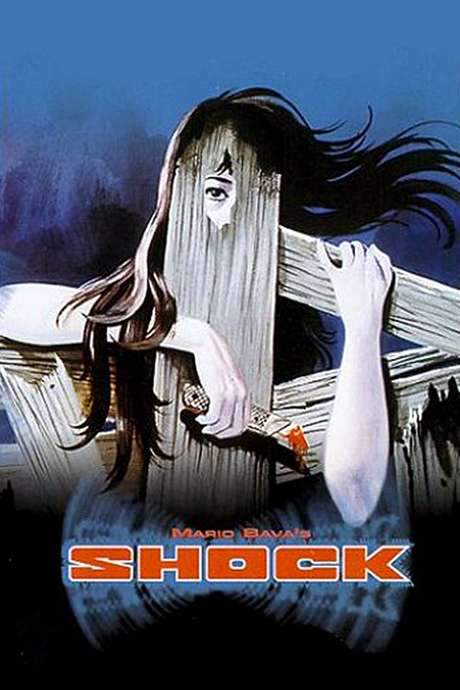
Shock (1977) movie poster

Plot Summary

Shock (1977) Plot Summary Explained

Release, runtime and language
1977 · 95 mins · Italian
Loading streaming availability…
Directed by
Mario Bava
Starring
Daria Nicolodi, Lamberto Bava, John Steiner, Paul Costello, Ivan Rassimov, David Colin Jr.

A new look at the face of evil. A couple is terrorized in their new house haunted by the vengeful ghost of the woman’s former husband who possesses her young son.

On this page (6)
  1. 1 Where to watch
  2. 2 What happens: full plot
  3. 3 Plot questions answered
  4. 4 Movie threads
  5. 5 Movies like Shock
  6. 6 Every angle
Loading streaming availability…

Full plot summary · contains spoilers

What Happens in Shock: Full Plot Summary

The whole story of Shock (1977) explained, from the opening scene to the final frame: every key event, every twist and what it all adds up to. Read it as a quick recap before the sequel, to check a scene you missed, or to finally understand what really happened.

Dora Baldini, Marco, and Bruno Baldini move back into Dora's former home, a place heavy with memories from a marriage to Carlo. Carlo, an abusive heroin addict, was thought to have killed himself at sea after his boat was found adrift, a tragedy that lingered over Dora and contributed to a nervous breakdown and a period of psychiatric care. With Bruno away as a commercial airline pilot, Dora is left alone with Marco and haunted by fragmented recollections of the past, memories intensified by the electroshock treatments she endured while institutionalized.

Marco begins to experience unsettling events within the house and appears inexplicably drawn to the basement. Dora notices drastic shifts in Marco's behavior and is shaken to discover he has shredded her underwear. Disturbing signs multiply, and she pleads with Bruno to leave the house, but he remains unmoved. While Bruno is on a flight, Dora finds a bundle of roses with a note addressed to her from Carlo. Suspecting Marco wrote it as a twisted joke, she confronts him, only to be met with denial.

Dora takes Marco to a psychologist friend, Aldo Spidini, for examination. Aldo suggests that Dora's trauma from her marriage to Carlo might be coloring her perceptions and projecting anger onto Marco, though Dora confesses a troubling belief that Marco is being possessed by his deceased father. One afternoon, Dora witnesses the piano playing by itself and sees drawings in Marco's room levitating, yet she cannot locate Marco. She eventually finds him in the den, where he asks why she killed his father, triggering a repressed memory in which Dora recounts slitting Carlo's throat after he forcibly injected her with heroin and LSD.

Distraught by the memory, Dora is reassured by Bruno that Carlo killed himself and that her recollection is only a delusion. Yet she remains convinced that Carlo haunts the home and possesses Marco. Dora awakens in the middle of the night to banging noises from the basement, and when she investigates, she finds Bruno smashing down a brick wall. Carlo's corpse has been hidden behind the wall, Bruno reveals, and he explains that he helped her cover up the murder years ago by stashing Carlo's body and releasing his boat to sea, staging the disappearance as a suicide. He adds that they had to return to the house to prevent Carlo's remains from being discovered if they sold it; once the remains are relocated, they can leave. In a frenetic act of rage, Dora swings a pickaxe at Bruno, impaling him and stuffing his corpse into the open wall alongside Carlo's.

Dora rushes upstairs to find Marco but instead encounters a ghastly apparition of Carlo in his bed. In the hall, Marco appears again, charging toward her, but when he reaches her he transforms into Carlo and embraces her, sending Dora into a panic. She tries to flee, but violent poltergeist activity traps her inside the house. Returning to the basement, she watches as the furniture seems to move of its own accord, and she slashes her own throat with a boxcutter while Carlo's hand grips the knife. Outside, Marco sits at a backyard table, sipping tea with his father's invisible ghost and then gives the ghost a gentle push on the tree swing.
Last updated: October 09, 2025 at 11:20

Was this helpful?

Plot questions answered

Shock Plot Explained: Your Questions Answered

The questions people ask most about Shock (1977): what happens in the confusing scenes, why the characters do what they do, the twists, hidden details and what the ending means. Each answer contains spoilers.

Q1

Why is Marco drawn to the basement?

Marco is drawn to the basement because Carlo's corpse is hidden behind a brick wall there. The ghost of Carlo is using his son to draw closer to where his remains are stored, and the possession intensifies as Marco spends more time in that space. The basement represents the physical location of the repressed crime that binds the living to the dead.

Foreshadowing: Earlier, Dora notices Marco exhibiting unsettling behavioral changes and shredding her underwear, hinting at a malevolent influence over the child.

  • marco
  • basement
  • possession
  • carlo's ghost
  • child behavior
Q2

What happened to Carlo, Dora's first husband?

Carlo did not commit suicide at sea as originally believed. Dora murdered him by slitting his throat after he forcibly injected her with heroin and LSD during an abusive episode. Bruno then helped cover up the murder by hiding the body in the basement wall and staging the boat as a suicide. The truth remains buried until Bruno reveals it when they return to sell the house.

Foreshadowing: The film establishes Carlo as an abusive heroin addict whose boat was found adrift, but the details of his death are deliberately obscured.

  • carlo
  • dora's husband
  • death
  • murder
  • cover-up
  • suicide
Q3

Did Dora actually kill Carlo?

Yes, Dora killed Carlo. During a repressed memory triggered by Marco's question about why she killed his father, Dora recalls slitting Carlo's throat after he forced heroin and LSD on her. This memory had been buried due to the trauma and her subsequent institutionalization with electroshock therapy.

Foreshadowing: Dora's recurring fragmented memories and her nervous breakdown following Carlo's death hint at a deeper, unresolved trauma beyond grief.

  • dora
  • carlo
  • murder
  • repressed memory
  • killing
Q4

Why does Bruno hide Carlo's body in the basement wall?

Bruno helped Dora cover up the murder because he was in a relationship with her and wanted to protect her from criminal consequences. He staged Carlo's death as a suicide by releasing the boat to sea, then hid the body behind a brick wall in the basement. When they needed to sell the house years later, Bruno returned to relocate the remains, fearing discovery would expose their crime.

Foreshadowing: Bruno's insistence on returning to the house despite Dora's objections hints at a hidden motive beyond simply selling property.

  • bruno
  • carlo's body
  • basement wall
  • cover-up
  • murder
Q5

Why does Dora kill Bruno?

Dora kills Bruno in a moment of frenzied rage after learning the truth about Carlo's murder. When Bruno reveals he helped dispose of Carlo's body and that they returned to move the remains, Dora attacks him with a pickaxe, impaling him and stuffing his corpse alongside Carlo's. The revelation shatters her remaining grip on reality and unleashes her pent-up trauma and guilt.

Foreshadowing: Dora's growing paranoia and conviction that Carlo haunts the house build toward this violent breaking point.

  • dora
  • bruno
  • murder
  • pickaxe
  • rage
  • confession
Q6

Is Marco possessed by Carlo's ghost?

The film strongly suggests Marco is possessed by Carlo's ghost. Marco exhibits increasingly disturbing behavior, asks Dora why she killed his father (knowledge he shouldn't have), and physically transforms into Carlo when embracing his mother. The ghost uses Marco as a vessel to confront Dora and enact vengeance, ultimately separating from the boy only at the end.

Foreshadowing: Dora's suspicion from early on that Marco is being possessed by his deceased father, supported by his strange attraction to the basement.

  • marco
  • possession
  • carlo's ghost
  • supernatural
  • son
Q7

Why does Dora commit suicide?

Dora slashes her own throat with a boxcutter while Carlo's ghostly hand appears to guide the knife. Overwhelmed by guilt over killing Carlo, horror at killing Bruno, and the relentless supernatural terror, Dora reaches a breaking point. The poltergeist activity traps her within the house, preventing escape, and she chooses death over continued torment. Carlo's presence manipulates her into this final act.

Foreshadowing: Throughout the film, Dora is trapped between past trauma and present haunting, with no resolution except tragedy.

  • dora
  • suicide
  • boxcutter
  • carlo's ghost
  • death
  • ending
Q8

What does the ending mean - Marco playing with Carlo's ghost?

The ending shows Marco peacefully drinking tea with his father's invisible ghost and pushing the specter on a swing, suggesting Carlo's spirit has found peace through Marco or that Marco has fully accepted his father's presence. The ghost no longer appears threatening to Marco, indicating the haunting has reached a conclusion where Carlo remains attached to his son rather than seeking revenge. The image is unsettling precisely because it suggests acceptance of evil.

Foreshadowing: The transformation of Marco into Carlo during the hallway confrontation foreshadows their spiritual bond.

  • marco
  • ending
  • carlo's ghost
  • swing
  • peace
  • acceptance
Q9

Why does the piano play itself?

The piano plays by itself as Carlo's ghost demonstrates its presence in the house, using the instrument connected to the family's past. This supernatural event intensifies the haunting and confirms to Dora that Carlo's spirit is actively targeting the household. The levitating drawings in Marco's room reinforce that malevolent forces are at work.

Foreshadowing: These events follow the discovery of roses with a note from Carlo, confirming his supernatural return.

  • piano
  • supernatural
  • haunting
  • levitation
  • drawings
Q10

Why did Dora undergo electroshock therapy?

Dora underwent electroshock therapy during her institutionalization after Carlo's death and the traumatic events surrounding it. The treatments were meant to address her nervous breakdown, but they also contributed to her fragmented memories and repression of the actual murder. The electroshock therapy created gaps in her recollection that make the gradual return of the truth more disturbing.

Foreshadowing: The fragmented recollections mentioned at the beginning connect directly to the repressed memory of killing Carlo.

  • electroshock therapy
  • dora
  • institutionalization
  • memory
  • trauma
Q11

Why are roses sent to Dora with a note from Carlo?

The roses with a note from Carlo arrive while Bruno is away, sent to intensify Dora's fear and psychological torment. Whether sent by Marco under possession or through supernatural means, the roses represent Carlo's continued presence and his intent to terrorize Dora before revealing the full truth. The gesture is both threatening and manipulative.

Foreshadowing: This incident directly precedes the piano playing by itself and the escalation of Marco's possession.

  • roses
  • note
  • carlo
  • intimidation
  • supernatural

Movie threads

More Movies Like Shock, by Mood & Story

Curated lists built around what makes Shock tick: the same mood, the same kind of story or the same emotional payoff. Each list explains why these movies belong together.

Domestic horror movies with traumatic hauntings like Shock

Where the ghosts of past abuse manifest within the family home. If you were captivated by Shock's premise of a ghost tied to domestic abuse, this list is for you. Discover movies like Shock where haunted houses are manifestations of repressed family trauma, creating a claustrophobic and deeply unsettling horror experience rooted in psychological realism.

  • haunting
  • disturbing
  • claustrophobic
  • psychological
  • melancholic
  • anxious
  • Tone: dark, disturbing, melancholic
  • Pacing: steady, deliberate
Why these movies?

The story pattern: Stories in this thread typically begin with a family moving into or living in a home haunted by a spirit connected to a traumatic event, often involving abuse or murder. The narrative unfolds by slowly revealing repressed memories and family secrets, with the supernatural threat escalating in parallel with the protagonist's psychological unraveling. The climax often involves a violent confrontation with the past, leading to a tragic resolution.

Why they belong together: These films are grouped together because they share a core theme: the haunting is not random but a direct consequence of domestic trauma. They blend supernatural horror with intense psychological drama, creating a specific, intimate brand of terror focused on family secrets, guilt, and the inescapable nature of past abuse.

Intense psychological horror movies with a descent into madness like Shock

Stories where a character's sanity steadily crumbles under relentless pressure. Fans of Shock's relentless psychological torment will find more to unsettle them here. Explore movies similar to Shock that feature a steady, claustrophobic descent into paranoid madness, where the line between supernatural threat and mental breakdown is terrifyingly thin.

  • claustrophobic
  • paranoid
  • anxious
  • disturbing
  • psychological
  • uneasy
  • Tone: dark, tense, bleak
  • Pacing: steady, escalating
Why these movies?

The story pattern: The narrative pattern follows a protagonist, often isolated or trapped, as they experience a series of unsettling events that challenge their grip on reality. The pacing is steady and methodical, building tension without relief. External threats and internal psychological stress merge, leading to a climax where the character's sanity breaks, resulting in a violent or tragic outcome.

Why they belong together: These movies are united by their focus on the psychological dissolution of a main character. They share a specific mood of claustrophobic dread and paranoid anxiety, achieved through a steady pace, high intensity, and a dark tone that offers no respite, making the viewer experience the protagonist's deteriorating mental state firsthand.

If you liked this

Movies Like Shock

Similar movies to Shock: the same genre, themes or kind of story. Each one comes with its own plot summary, timeline and ending explained.

Browse all movie summaries

Every angle

Shock (1977) Explained: Plot, Timeline & Characters

Everything about Shock in one place: what happens in the plot summary, the timeline in chronological order, the characters and meaning and a spoiler-free summary. What's After the Movie adds the cast, box office and post-credit scenes.

Coming soon on iOS and Android

The Plot Explained Movie Summary App

Plot summaries, endings explained and timelines on your phone. Catch up on any movie in minutes, save your favorites and never miss a twist again.

Be the first to know when we launch. Your email stays private, always.

Learn more about the app