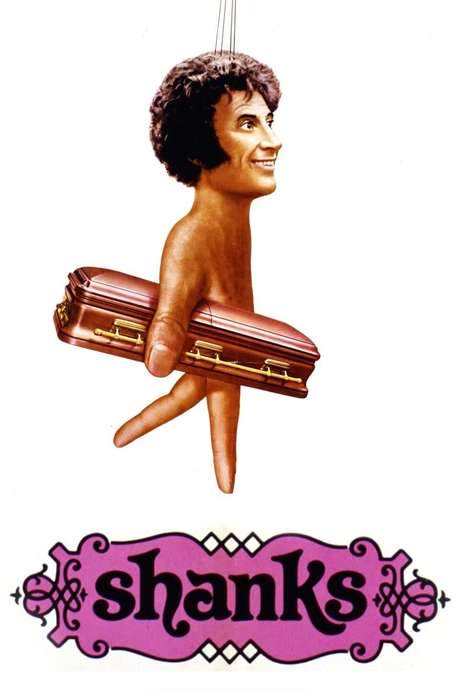
Shanks
Year: 1974
Runtime: 93 mins
Language: English
Malcolm Shanks is a deaf, mute loner abused by his sister and her husband. His only comfort is making and controlling puppets, a talent that lands him a job as lab assistant to Dr. Walker, who is researching re‑animation of corpses with electrodes and string‑like control. When the professor dies, Shanks uses the experiments on a human body for revenge.
Where to Watch Shanks?
Find where to stream, rent, or buy Shanks (1974) in the US with current JustWatch availability, up-to-date pricing, and platform listings for subscription, rental, and digital purchase options.





Streaming availability powered by 
Warning: spoilers below!
Haven’t seen Shanks yet? This summary contains major spoilers. Bookmark the page, watch the movie, and come back for the full breakdown. If you're ready, scroll on and relive the story!
Timeline & Setting – Shanks (1974)
Explore the full timeline and setting of Shanks (1974). Follow every major event in chronological order and see how the environment shapes the story, characters, and dramatic tension.
Last updated: October 05, 2025 at 08:35
Main Characters – Shanks (1974)
Meet the key characters of Shanks (1974), with detailed profiles, motivations, and roles in the plot. Understand their emotional journeys and what they reveal about the film’s deeper themes.
Last updated: October 05, 2025 at 08:35
Major Themes – Shanks (1974)
Explore the central themes of Shanks (1974), from psychological, social, and emotional dimensions to philosophical messages. Understand what the film is really saying beneath the surface.
Last updated: October 05, 2025 at 08:35
Shanks (1974) Character & Theme Questions Answered – Info FAQ
Browse frequently asked questions about Shanks (1974) focused on characters, relationships, themes, symbols, setting, and story context. This movie info FAQ gives spoiler-aware explanations for character arcs, world details, and thematic interpretation so readers can better understand what the film is really about.
Where is Shanks set?
The film takes place primarily in a Gothic mansion that serves as the laboratory for Dr. Walker's reanimation experiments. The story also extends into the surrounding small town, including local streets and a grocery store, which provide a stark domestic contrast to the mansion's eerie, macabre atmosphere.
What time period does Shanks take place in?
The film is set in the late 19th century, reflecting a Victorian era with antiquated laboratories and period-appropriate attire. However, it features anachronistic elements like cars and motorcycles, creating a dreamlike, timeless quality that reinforces the fairy-tale framing of the story.
What does the puppetry theme represent in Shanks?
Puppetry in the film represents the blurred line between creator and creation, exploring how art and science can manipulate life, memory, and identity. Malcolm's ability to animate both puppets and reanimated corpses becomes a metaphor for control and the question of what is real, as his creations mirror the characters' inner dramas.
What is the theme of control about in Shanks?
Control drives the narrative through multiple dynamics: Malcolm's power over reanimated bodies, Dr. Walker's scientific experiments, the Bartons' domination at home, and society's judgment of behavior. The film investigates how power corrupts and silences dissent, especially when the boundary between animate and inanimate is erased through reanimation.
What is the dream vs reality theme in Shanks?
The film presents itself as a grim fairy tale, where fantasies of resurrected life collide with exploitation's harsh consequences. Through sepia-toned sequences and stage-like puppet performances, reality and performance blur. The bookending close-ups of Malcolm's eye suggest the entire narrative may be a private mental creation rather than objective truth.
Who is Malcolm Shanks in the film?
Malcolm Shanks is a deaf, mute puppeteer who serves as the film's central character. Though unable to hear or speak, he can read lips and manipulates both living and dead through his puppetry skills. His talent draws the attention of Dr. Walker, who hires him as a lab assistant for reanimation research, while Malcolm also uses his abilities to gain leverage over his abusive family.
Who is Mr. Walker in Shanks?
Mr. Walker is the enigmatic doctor conducting experiments to reanimate corpses using electrodes and string-like controls. He mentors Malcolm in his laboratory, revealing a cold scientific curiosity about life's boundaries. His experiments drive the plot forward and set the stage for the film's exploration of power over life and death.
Who are the Bartons in Shanks?
The Bartons are Malcolm's sister and her husband, representing his oppressive home life. Mr. Barton is an alcoholic who controls Malcolm's finances and demands he return to work, while Mrs. Barton embodies a poisonous mix of dependency and cruelty within the household. Their treatment of Malcolm fuels his journey toward revenge.
Who is Celia in Shanks?
Celia is a teenage assistant and friend of Malcolm who visits Walker's mansion and becomes drawn into the puppet world. She represents the outside perspective that allows viewers to discover the truth alongside her, as she becomes disturbed by revelations about the Bartons and the reanimated puppets.
Is Shanks a fairy tale?
The film is framed as a grim fairy tale through intertitles that present the story in a classic narrative style. This framing, combined with the dreamlike visual palette and surreal puppetry sequences, positions the film as a dark fantasy that uses fairy-tale conventions to explore dark themes of abuse, control, and revenge.

Explore Movie Threads
Discover curated groups of movies connected by mood, themes, and story style. Browse collections built around emotion, atmosphere, and narrative focus to easily find films that match what you feel like watching right now.
Movies about lonely puppet-master revenge like Shanks
Isolated protagonists use art, science, or puppetry to enact vengeance. If you liked Shanks, explore movies featuring isolated outcasts who use puppetry, art, or macabre science as a means of control and revenge. These films share a dark, melancholic tone and explore themes of abuse, power, and the unsettling nature of creation.
The Alchemist Cookbook
2016
The Feast
2021
The Abandoned
2016
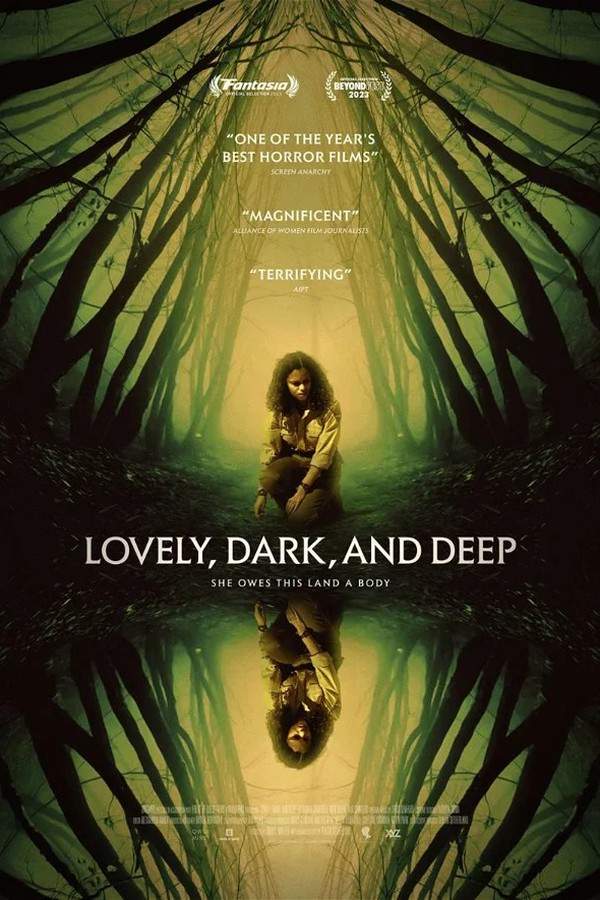
Lovely, Dark, and Deep
2024
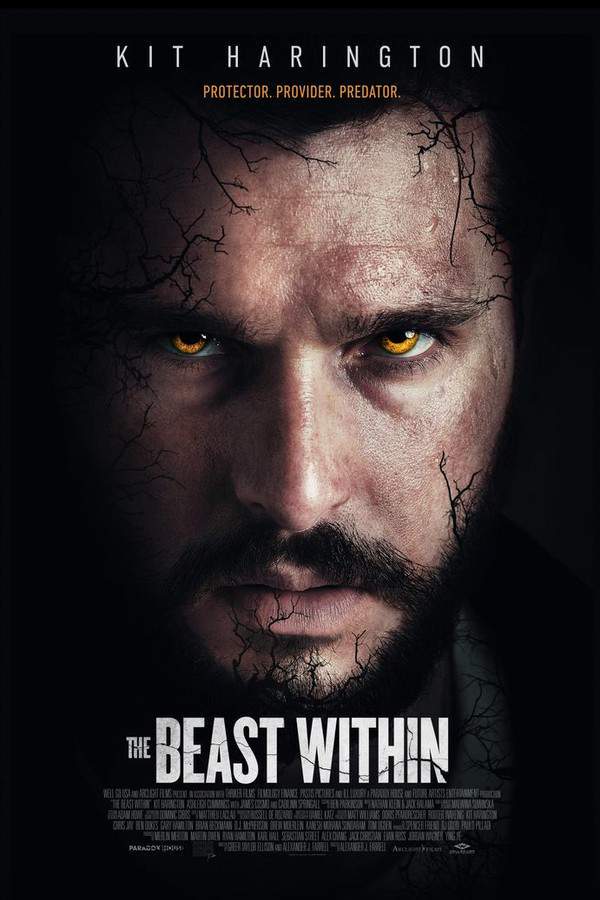
The Beast Within
2024

Uninhabited
2010

The Borderlands
2013

Ghost Story
1981

Howling IV: The Original Nightmare
1988

The Strange Hostel of Naked Pleasures
1976

Hour of the Wolf
1968

Nosferatu
1922

Dark Waters
1993
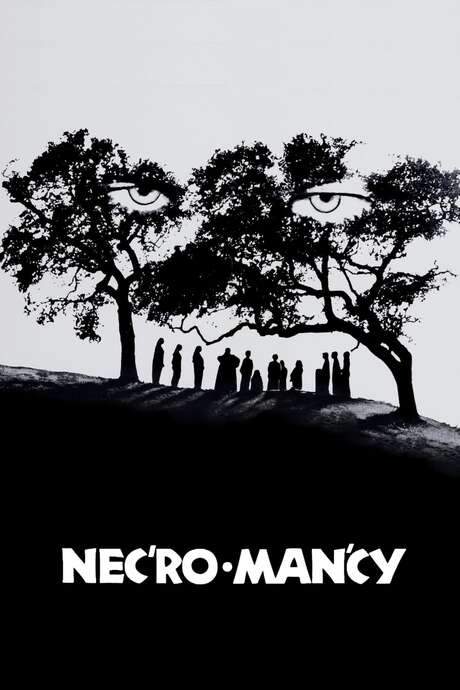
Necromancy
1972
Shanks
1974
Narrative Summary
These narratives typically follow a lonely protagonist, burdened by abuse or isolation, who discovers a unique form of control—over puppets, corpses, or even minds. The story unfolds as they meticulously plan and execute their vengeance, often leading to a morally complex or ambiguous conclusion about the cost of their power.
Why These Movies?
Movies are grouped here for their shared character archetype—the isolated avenger—and the central theme of using a specialized skill for dark purposes. They create a specific, eerie mood through a focus on control, manipulation, and the psychological unraveling of a singular, wronged individual.
Slow-burn surreal horror movies with ambiguous reality like Shanks
Dreamlike horror films where the protagonist's perception of reality unravels. Fans of Shanks will appreciate these surreal horror films that use a slow pace to build an eerie, oppressive atmosphere. These movies often feature ambiguous endings and explore the blurry line between dreams, madness, and reality, much like the narrative in Shanks.
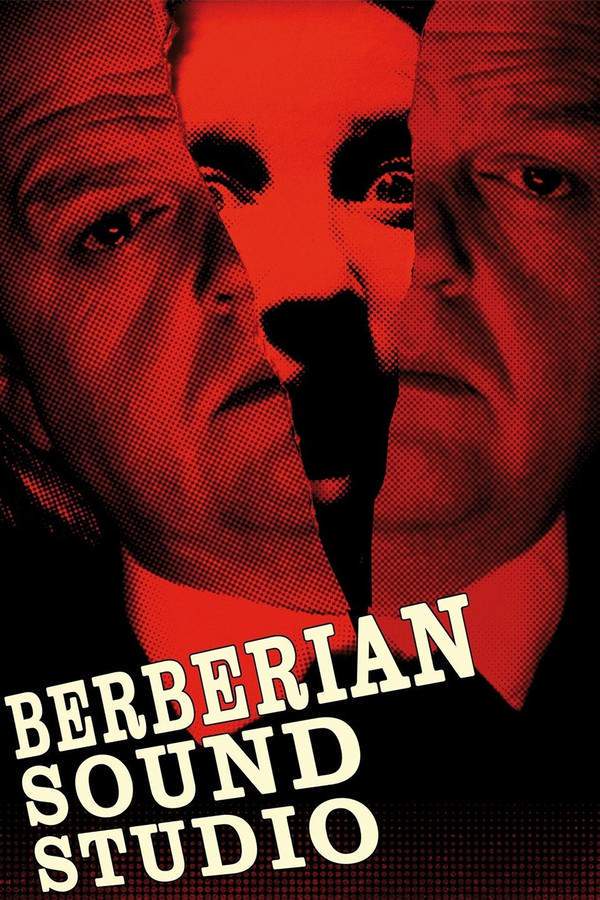
Berberian Sound Studio
2013
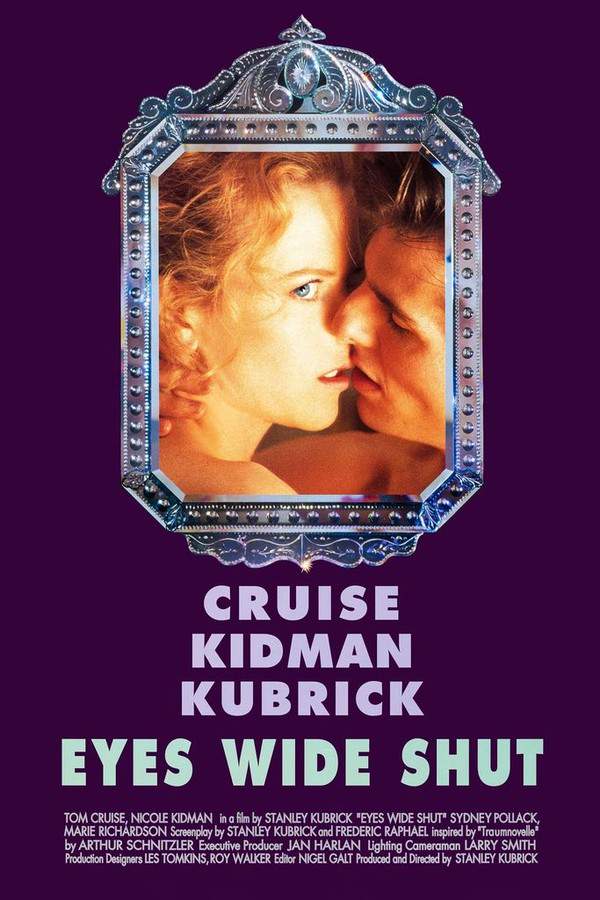
Eyes Wide Shut
1999
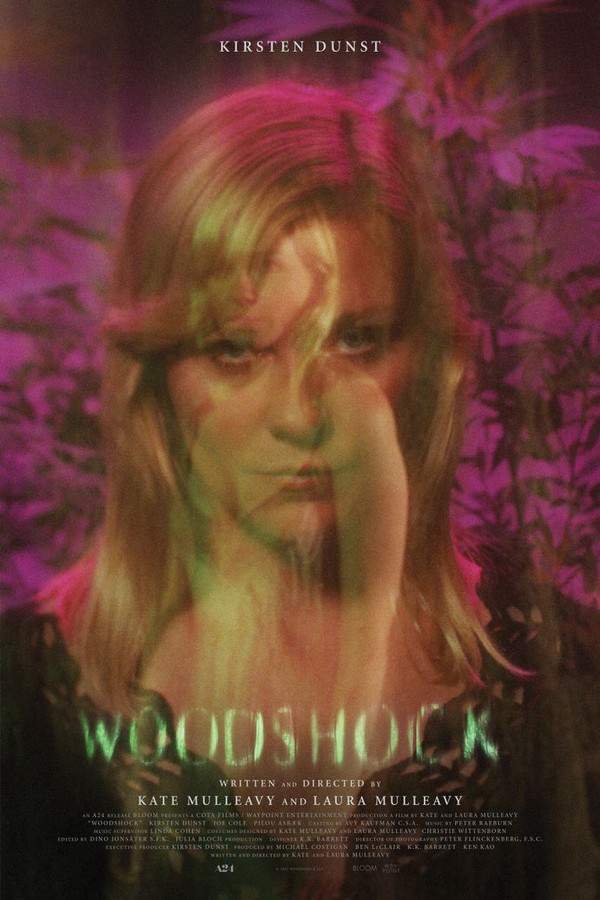
Woodshock
2017
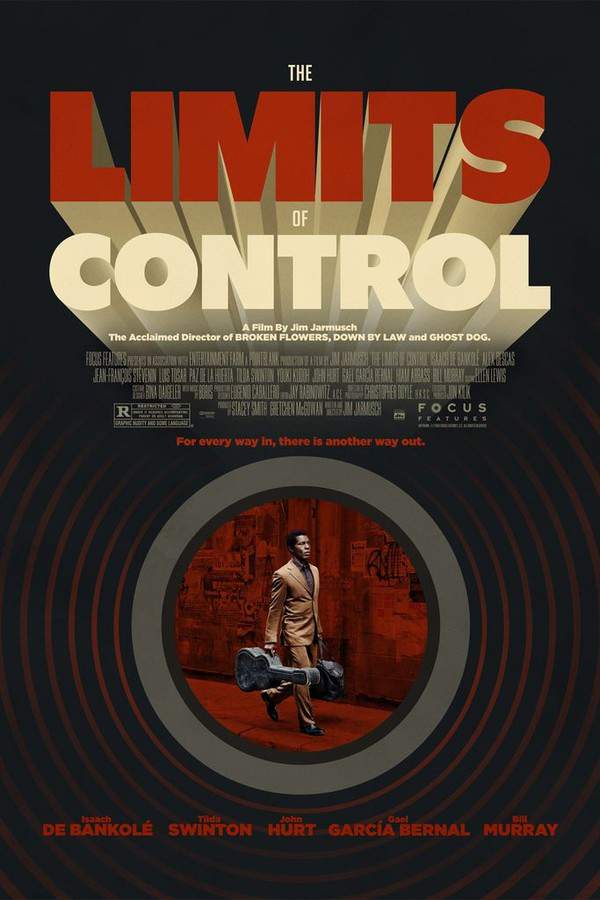
The Limits of Control
2009
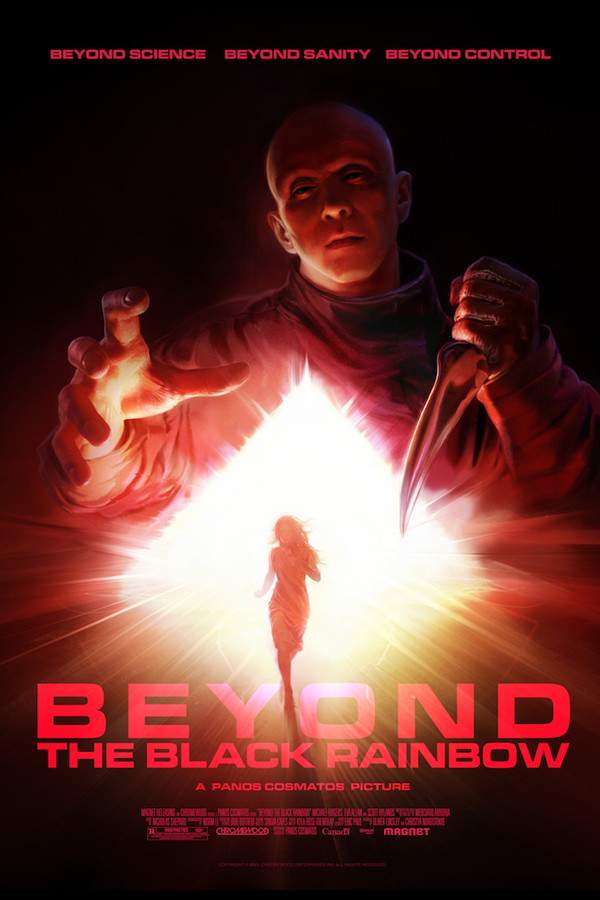
Beyond the Black Rainbow
2012
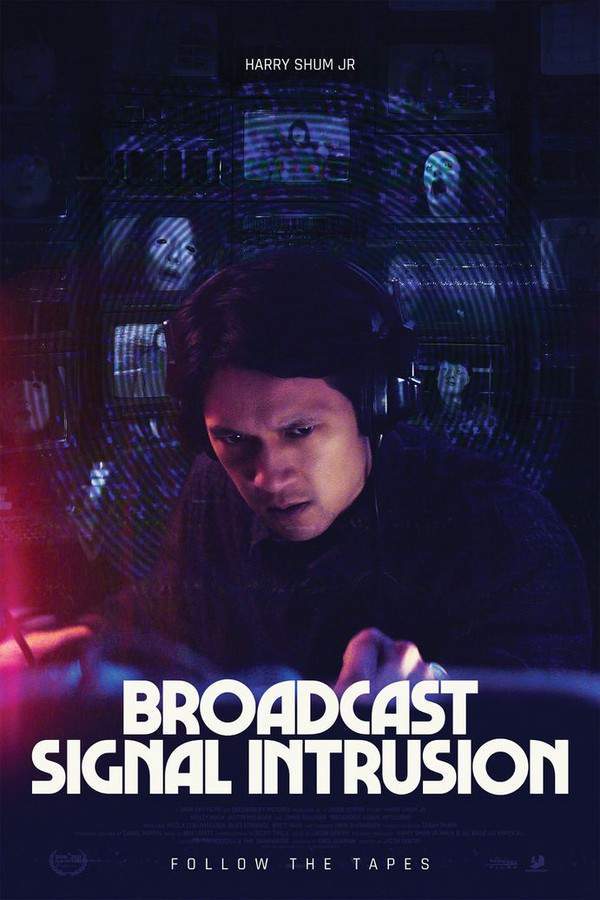
Broadcast Signal Intrusion
2021

Secret Sunday
2010
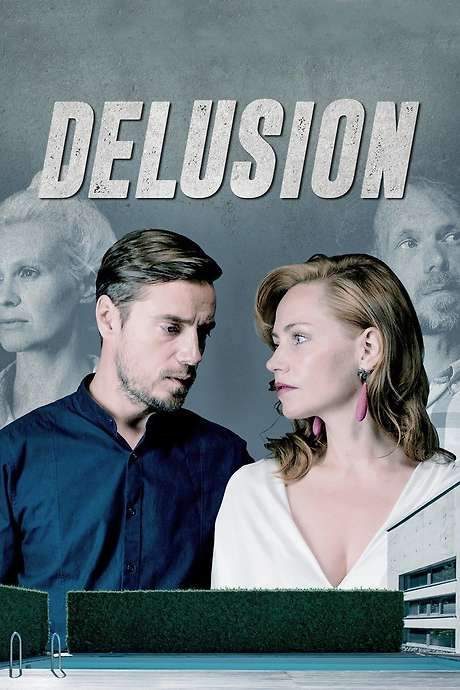
Delusion
2016

Spider Forest
2004

A Visitor to a Museum
1989

Dead of Night
1945

The Last Wave
1977

A Reflection of Fear
1972

A Quiet Week in the House
1969
Shanks
1974
Narrative Summary
Stories in this thread unfold gradually, building a surreal and often macabre atmosphere. The central conflict is frequently internal, as the protagonist's grip on reality weakens. The plot structure is non-linear or metaphorical, requiring audience interpretation and leading to an ending that questions what was truly real.
Why These Movies?
These films are united by their unique vibe: a combination of slow pacing, a surreal or dreamlike visual style, and a narrative complexity that creates psychological ambiguity. The experience is defined by a sustained mood of eerie dread rather than conventional horror plot points.
Unlock the Full Story of Shanks
Don't stop at just watching - explore Shanks in full detail. From the complete plot summary and scene-by-scene timeline to character breakdowns, thematic analysis, and a deep dive into the ending - every page helps you truly understand what Shanks is all about. Plus, discover what's next after the movie.
Shanks Summary
Read a complete plot summary of Shanks, including all key story points, character arcs, and turning points. This in-depth recap is ideal for understanding the narrative structure or reviewing what happened in the movie.

Shanks Timeline
Track the full timeline of Shanks with every major event arranged chronologically. Perfect for decoding non-linear storytelling, flashbacks, or parallel narratives with a clear scene-by-scene breakdown.


Similar Movies to Shanks
Discover movies like Shanks that share similar genres, themes, and storytelling elements. Whether you’re drawn to the atmosphere, character arcs, or plot structure, these curated recommendations will help you explore more films you’ll love.
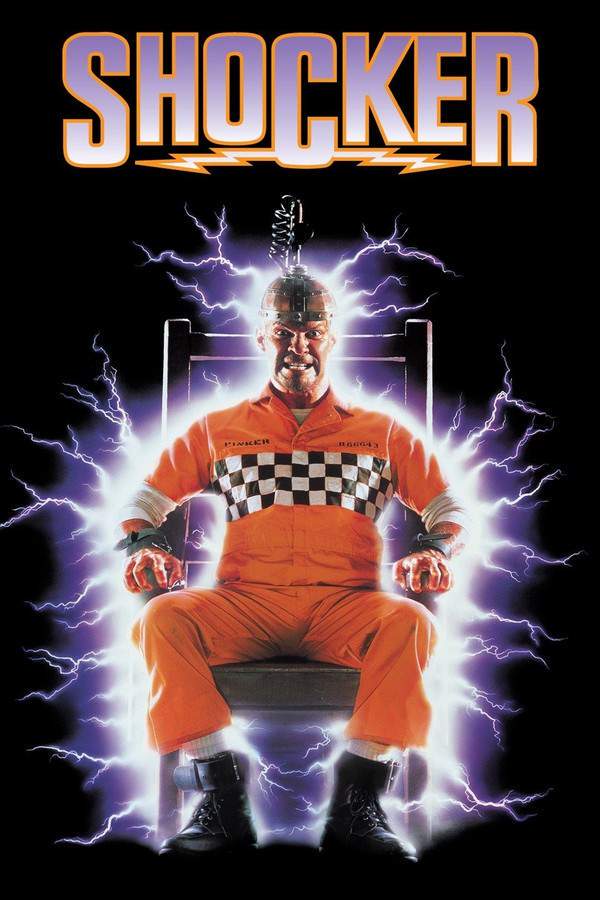
Shocker
1989

Doctor Butcher M.D.
1980
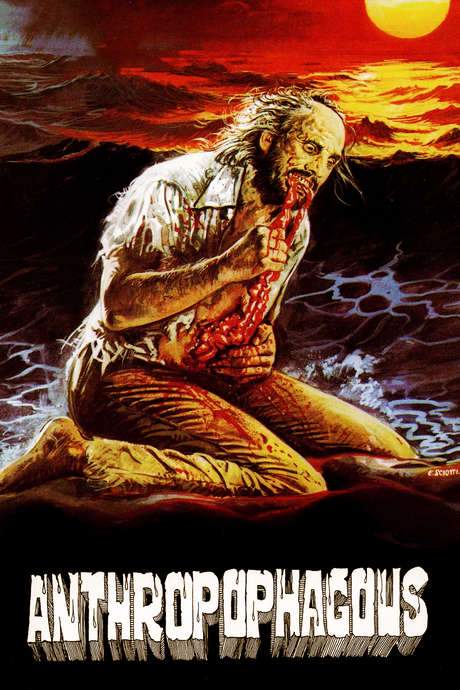
Anthropophagous
1980

The Dead Pit
1989

Slaughterhouse
1987

Strangler of the Swamp
1946
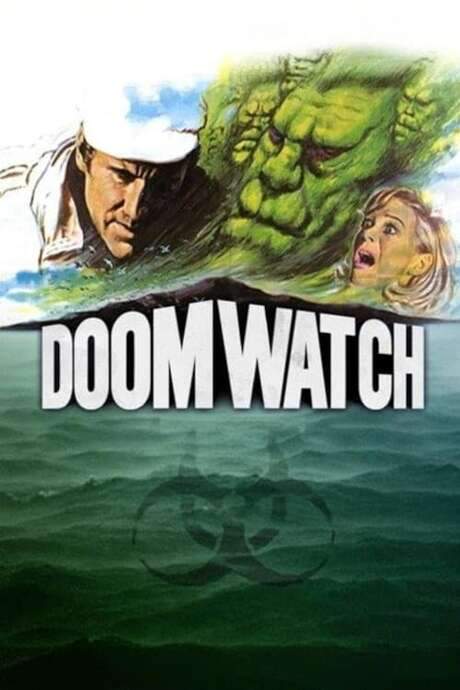
Doomwatch
1972

Shriek of the Mutilated
1974
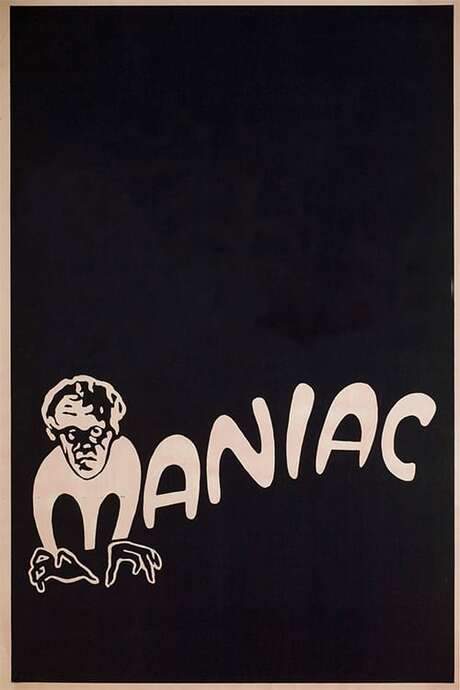
Maniac
1934

Curse of the Puppet Master
1998

Skeleton Crew
2009

The Killer Shrews
1959

The Puppetman
2023

Shrunken Heads
1994

Sh! The Octopus
1937
Explore More About Movie Shanks
Shanks (1974) Plot Summary & Movie Recap
Shanks (1974) Scene-by-Scene Movie Timeline
Shanks (1974) Spoiler-Free Summary & Key Flow
Movies Like Shanks – Similar Titles You’ll Enjoy
Shocker (1989) Plot Summary & Ending Explained
Doctor Butcher M.D. (1980) Full Movie Breakdown
Anthropophagous (1980) Spoiler-Packed Plot Recap
The Dead Pit (1989) Detailed Story Recap
Slaughterhouse (1987) Full Summary & Key Details
Strangler of the Swamp (1946) Spoiler-Packed Plot Recap
Doomwatch (1972) Spoiler-Packed Plot Recap
Shriek of the Mutilated (1974) Plot Summary & Ending Explained
Maniac (1934) Plot Summary & Ending Explained
Curse of the Puppet Master (1998) Film Overview & Timeline
Skeleton Crew (2009) Ending Explained & Film Insights
The Killer Shrews (1959) Plot Summary & Ending Explained
The Puppetman (2023) Full Summary & Key Details
Shrunken Heads (1994) Plot Summary & Ending Explained
Sh! The Octopus (1937) Story Summary & Characters