In a sun‑bleached canyon that locals have jokingly dubbed the “Scarlet River,” a Hollywood western crew rolls in with a convoy of gleaming cars and a mountain of equipment, eager to turn the harsh, dry landscape into a cinematic playground. The vast horizon, dotted with distant mesas and a lone covered wagon, sets a tone that feels both reverent of classic frontier myth and knowingly aware of the absurdity of recreating it on a studio schedule.
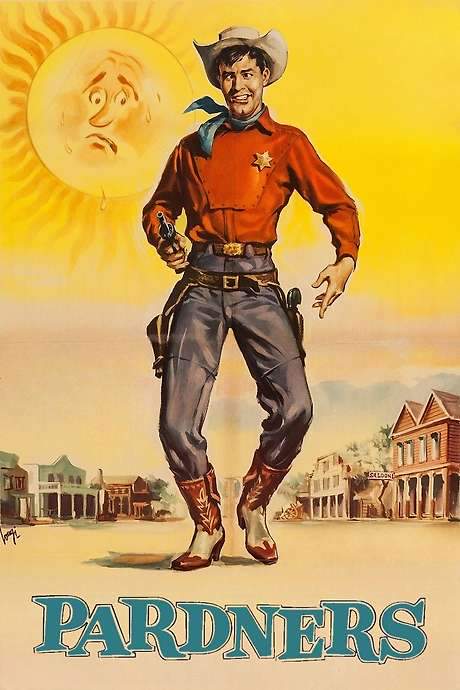
The central figure is Tom Baxter, a charismatic actor famed for his powder‑keg performances in traditional westerns. He arrives with his troupe, intent on capturing the mythic “open range” that Hollywood can no longer find within the city limits. Their destination is Judy Blake’s ranch, a modest homestead struggling to keep its doors open, where the promise of a film shoot offers a tantalizing lifeline. Baxter’s old‑school swagger clashes with the practical realities of ranch life, hinting at both flirtation and friction as he navigates a world that isn’t quite the polished set he’s used to.
Around them, a colorful cast adds layers to the brewing tension. Ulysses Mope, an eager writer whose imagination seems to spill onto the very plans for the shoot, offers a meta‑narrative about the stories being told. Jeff, the foreman with a pragmatic outlook, provides the local muscle that keeps the ranch running, while Buck, a young hand on the farm, is caught between loyalty to his roots and the allure of the film crew’s promises. Their interactions promise a mix of humor, rivalry, and unexpected camaraderie as each character balances personal ambition with the collective goal of making the picture.
The film’s tone sways between bustling, almost chaotic production energy and the quiet, dusty solemnity of the frontier itself. It paints a picture of a man‑made spectacle pressing up against an unforgiving landscape, where dreams of stardom intersect with the gritty, day‑to‑day struggles of a ranch on the brink. This blend of satire, classic western aesthetics, and behind‑the‑scenes intrigue sets the stage for a story that’s as much about the art of filmmaking as it is about the people who live on the edge of the “Scarlet River.”