Plot Explained Spoilers guaranteed!
Plot Explained

Browse by genre

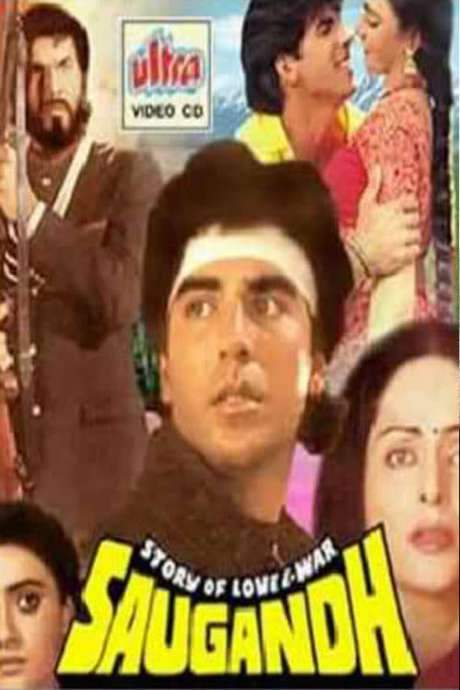
Saugandh (1991) movie poster

Characters & Themes

Saugandh (1991) Characters, Setting & Themes Explained

Release, runtime and language
1991 · 148 mins · Hindi
Loading streaming availability…
Directed by
Raj N. Sippy
Starring
Akshay Kumar, Roopa Ganguly, Mukesh Khanna, Amita Nangia, Rakhee Gulzar, Aryeman Ramsay

Story of love and war

On this page (8)
  1. 1 Where to watch
  2. 2 Characters explained (6)
  3. 3 Where & when it takes place
  4. 4 Themes & meaning (4)
  5. 5 Character & meaning questions
  6. 6 Movie threads
  7. 7 Movies like Saugandh
  8. 8 Every angle
Loading streaming availability…

6 main characters · contains spoilers

Saugandh Characters Explained: Who Is Who

The main characters of Saugandh (1991), heroes and villains: what drives them, how they change over the course of the story and what each of them reveals about the film's bigger ideas.

  • Shiva (Akshay Kumar)

    A proud, compassionate man from an agricultural family who loves Chand. He upholds family honor and faces Sarang's wrath with courage, making him a target in the feud. His murder marks the brutal turning point that sets the cycle of revenge in motion.

    • ⚔️ Proud
    • 🕊️ Family-first
    • 🗡️ Tragic
    • 🧭 Honor
  • Chand (Amita Nangia)

    Chand falls in love with Shiva and defies her father’s expectations. She marries Shiva, choosing love over arranged duties and challenging the social order.

    • 💞 Love
    • 🙌 Rebellion
    • 👩‍👧 Family
  • Chand (Shanti Priya)

    The older Chand is raised with a ruthless instinct, complicating her relationship with Shiva and intensifying the clash between desire and power.

    • 💪 Power
    • 🌓 Gender roles
    • ⚖️ Duty
  • Ganga (Rakhee Gulzar)

    Shiva's sister-in-law who adores him; she becomes pregnant during the tragedy and vows to make Sarang bow. Her oath drives the vendetta and frames the family's sense of justice.

    • 🤰 Sacrifice
    • 🗣️ Oath
    • 🪙 Family
  • Sarang (Mukesh Khanna)

    A proud landlord who refuses to bow to anyone and uses power to enforce his rule. His ruthlessness leads to the murder of Shiva’s family and sparks a bitter feud ending in his suicide.

    • 👑 Pride
    • 🗡️ Ruthlessness
    • 🏚️ Power
  • Young Shiva (Aryeman Ramsay)

    The younger version of Shiva appears as part of the legacy of family and honor that shapes the present conflicts.

    • 👶 Legacy
    • 🪶 Innocence
    • 🧭 Honor

Last updated: January 28, 2026 at 12:40

Was this helpful?

Setting

Where and When Does Saugandh Take Place?

The setting of Saugandh (1991): the year and time period, the places and locations, and how they shape the characters, the mood and the tension of the story.

Time period

Location

Last updated: January 28, 2026 at 12:40

Was this helpful?

4 major themes

Saugandh Meaning: Themes & Message Explained

What is Saugandh (1991) really about? The emotional, social and philosophical themes the film keeps returning to, its symbolism and the message beneath the surface.

  • Pride & Honor

    Sarang's rigid code of honor makes him refuse to bow to anyone, setting off a cycle of violence. His pride blinds him to mercy as the feud escalates. The film frames honor as both a virtue and a destructive force. In the end, pride drives the tragedy that befalls Shiva's family.

  • Love & Conflict

    Chand's love for Shiva defies expectations and crosses social boundaries. Their marriage becomes a testament to personal choice against family control. Love complicates loyalties and deepens the feud with Sarang. The romance catalyzes both unity and danger within the household.

  • Revenge & Consequence

    Ganga's oath to make Sarang bow becomes the engine of vengeance after Shiva's murder. The vow threads through generations, sharpening the will to retaliate. Violence begets more violence as families try to enforce their honor. The pursuit of vengeance ultimately tests the limits of loyalty and morality.

  • Tragic Downfall

    Hubris and unwavering control culminate in Sarang's suicide, a symbolic end to a pride-fueled cycle. The film presents downfall as the bitter fruit of rigid power and unyielding pride. Hope for reconciliation is scarce as generations pay the price for the feud. The ending leaves a somber note on the costs of honor.

Last updated: January 28, 2026 at 12:40

Was this helpful?

Character & theme questions

Saugandh Characters & Meaning: Your Questions Answered

The questions people ask about Saugandh (1991): who the characters really are, their relationships, what the symbols mean, where it takes place and what the movie is really about. Each answer contains spoilers.

Q1

Why is Sarang the main antagonist in Saugandh?

Sarang is the primary antagonist because his rigid pride and refusal to bow to anyone drives the central conflict. As a powerful landlord, he enforces his rule through ruthlessness and uses his authority to control those around him. His actions, particularly the murder of Shiva's family, spark the deadly cycle of vengeance that defines the film. His pride ultimately leads to his downfall, culminating in suicide as the bitter fruit of his unyielding arrogance.

  • sarang
  • antagonist
  • villain
  • pride
  • power
  • mukesh khanna
Q2

What role does Shiva play in Saugandh?

Shiva serves as the tragic hero, a proud but compassionate man from an agricultural family who becomes the center of the conflict. His love for Chand defies social expectations, and his commitment to family honor makes him a target of Sarang's wrath. His murder marks the brutal turning point that sets the cycle of revenge in motion, making him both a symbol of love and the catalyst for vengeance.

  • shiva
  • hero
  • protagonist
  • akshay kumar
  • tragic hero
Q3

Why does Chand defy her father in Saugandh?

Chand defies her father because her love for Shiva is stronger than the obligations of arranged duties. She chooses personal happiness over family expectations, marrying Shiva despite the social and familial consequences. This act of love across social boundaries becomes a testament to personal choice against family control, and it directly challenges the social order that Sarang represents.

  • chand
  • love
  • marriage
  • defiance
  • amita nangia
Q4

What is Ganga's role in the revenge plot?

Ganga serves as the engine of vengeance in Saugandh. As Shiva's sister-in-law, she adores him and becomes pregnant during the tragedy of Shiva's murder. Her oath to make Sarang bow becomes the driving force behind the family's pursuit of revenge. Her vow threads through generations, sharpening the family's resolve to retaliate and ultimately framing the family's sense of justice throughout the film.

  • ganga
  • revenge
  • oath
  • vow
  • rakhee gulzar
Q5

What does the Pride & Honor theme represent in Saugandh?

The Pride & Honor theme represents the central moral conflict of the film. Sarang's rigid code of honor makes him refuse to bow to anyone, setting off a cycle of violence. The film frames honor as both a virtue and a destructive force, while Shiva upholds family honor with courage, Sarang's pride blinds him to mercy. Ultimately, pride drives the tragedy that befalls Shiva's family, making this theme the root cause of the film's devastating events.

  • pride
  • honor
  • code
  • conflict
  • destruction
Q6

How does the Love & Conflict theme drive the story?

The Love & Conflict theme shows how Chand's love for Shiva defies expectations and crosses social boundaries. Their marriage becomes a testament to personal choice against family control. However, love complicates loyalties and deepens the feud with Sarang. The romance catalyzes both unity and danger within the household, bringing Shiva and Chand together while simultaneously triggering the violence that destroys their family.

  • love
  • romance
  • conflict
  • marriage
  • social boundaries
Q7

What does the Revenge & Consequence theme explore?

The Revenge & Consequence theme examines how Ganga's oath to make Sarang bow becomes the engine of vengeance after Shiva's murder. The vow threads through generations, sharpening the will to retaliate. Violence begets more violence as families try to enforce their honor. The pursuit of vengeance ultimately tests the limits of loyalty and morality, showing that revenge consumes everything it touches.

  • revenge
  • consequence
  • violence
  • cycle
  • oath
Q8

What is the Tragic Downfall theme about in Saugandh?

The Tragic Downfall theme portrays how hubris and unwavering control culminate in Sarang's suicide, a symbolic end to a pride-fueled cycle. The film presents downfall as the bitter fruit of rigid power and unyielding pride. Hope for reconciliation is scarce as generations pay the price for the feud. The ending leaves a somber note on the costs of honor, showing that pride destroys both the guilty and the innocent.

  • downfall
  • suicide
  • tragedy
  • death
  • cost of pride
Q9

Why does Sarang commit suicide in Saugandh?

Sarang commits suicide as the ultimate consequence of his pride and rigid control. Unable to bow, to admit defeat or show mercy, his only escape from the consequences of his actions is death. His suicide represents the symbolic end to a pride-fueled cycle, where unyielding power and arrogance lead to his complete downfall. The film presents this as the bitter fruit of his unwavering pride.

  • sarang
  • suicide
  • ending
  • death
  • pride
Q10

How do the two Chand characters differ in Saugandh?

Saugandh features two versions of the character Chand, played by Amita Nangia and Shanti Priya. Amita Nangia's Chand represents the young woman who falls in love with Shiva and defies her father through marriage. Shanti Priya's Chand is the older version, raised with a ruthless instinct that complicates her relationship with Shiva and intensifies the clash between desire and power within the story.

  • chand
  • amita nangia
  • shanti priya
  • characters
  • dual role

Movie threads

More Movies Like Saugandh, by Mood & Story

Curated lists built around what makes Saugandh tick: the same mood, the same kind of story or the same emotional payoff. Each list explains why these movies belong together.

Epic Family Feud Dramas with Forbidden Romance like Saugandh

Where passionate love battles against the brutal obligations of a family vendetta. If you liked the intense clash of love and vengeance in Saugandh, explore these movies. This collection features powerful stories of forbidden romance caught in the crossfire of brutal family feuds, honor, and tragic destinies, delivering high-stakes emotional drama.

  • vengeful
  • melodramatic
  • tragic
  • passionate
  • defiant
  • oppressive
  • Tone: dark, tragic, passionate
  • Pacing: fast, escalating
Why these movies?

The story pattern: These narratives typically begin by establishing a bitter conflict between families or groups, often through a traumatic event like a massacre. A central romance defies this divide, creating intense personal conflict. The plot escalates towards a final, violent confrontation where the cost of the feud is fully realized, often resulting in a bittersweet resolution.

Why they belong together: They share a core structure of love versus legacy, driven by high emotional stakes. The combination of intense, dark tones, fast-paced escalation, and the heavy emotional weight of honor and revenge creates a cohesive, melodramatic experience.

Grim and Intense Revenge Sagas like Saugandh

Stories where a solemn oath of revenge leads down a dark and tragic path. For viewers who appreciated the relentless, tragic revenge plot of Saugandh. These movies feature protagonists driven by a blood oath, leading to fast-paced, high-intensity narratives with dark tones, heavy violence, and emotionally devastating conclusions.

  • vengeful
  • grim
  • intense
  • tragic
  • oppressive
  • melodramatic
  • Tone: dark, grim, intense
  • Pacing: fast, relentless
Why these movies?

The story pattern: A pivotal, traumatic event—such as a murder or massacre—triggers a sworn oath of revenge. The narrative follows the protagonist's single-minded, often destructive pursuit of vengeance. The journey is marked by further violence and moral compromises, leading to a climax where the goal is achieved but at a great personal cost, leaving the victory feeling hollow or bittersweet.

Why they belong together: They are united by the core motif of an oath-driven revenge plot, which dictates a fast pace and high intensity. The consistently dark tone, heavy emotional weight, and focus on the tragic fallout of vengeance create a specific, cohesive viewing experience.

If you liked this

Movies Like Saugandh

Similar movies to Saugandh: the same genre, themes or kind of story. Each one comes with its own plot summary, timeline and ending explained.

Browse all movie summaries

Every angle

Saugandh (1991) Explained: Plot, Timeline & Characters

Everything about Saugandh in one place: what happens in the plot summary, the timeline in chronological order, the characters and meaning and a spoiler-free summary. What's After the Movie adds the cast, box office and post-credit scenes.

Coming soon on iOS and Android

The Plot Explained Movie Summary App

Plot summaries, endings explained and timelines on your phone. Catch up on any movie in minutes, save your favorites and never miss a twist again.

Be the first to know when we launch. Your email stays private, always.

Learn more about the app